

Carved Wood Wall Glass
These carved wood wall glass pieces combine timber frames with reflective plates to bring depth and light into interior spaces.
Carved Wood Wall Glass
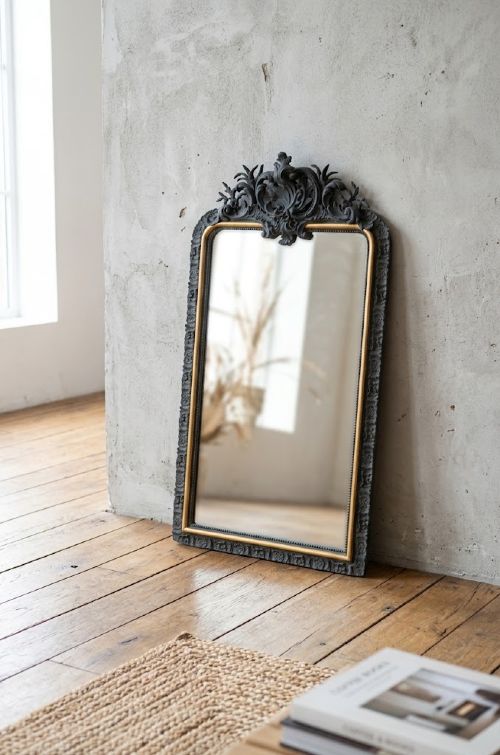
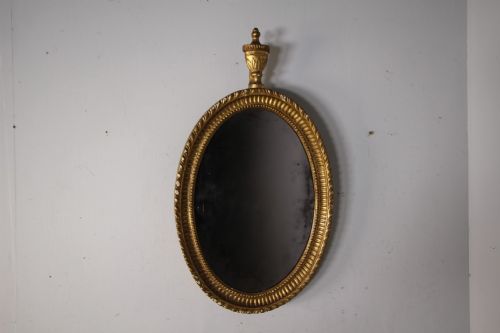
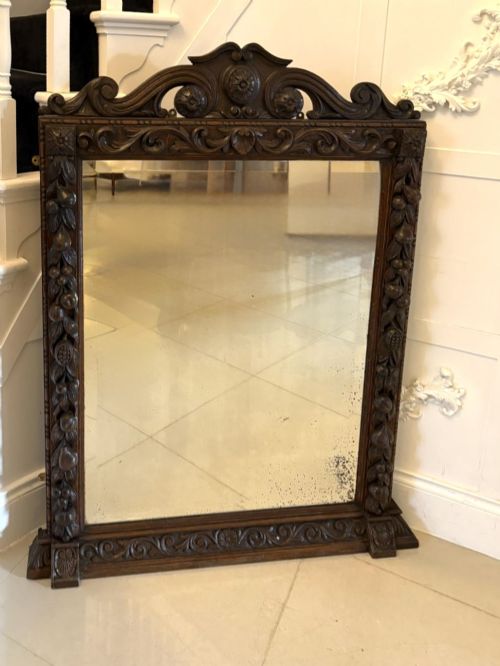
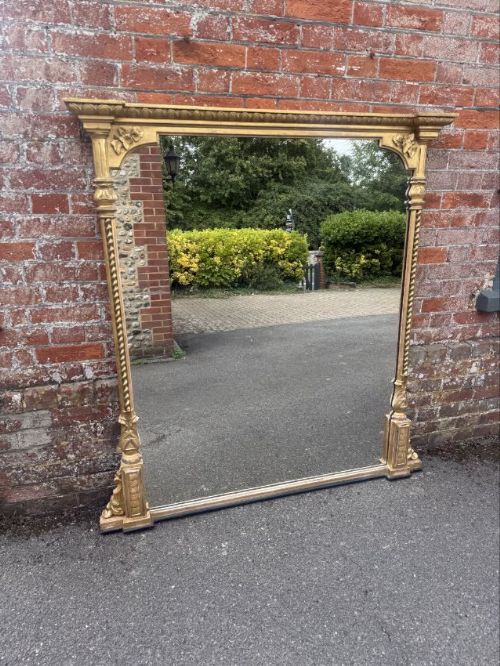
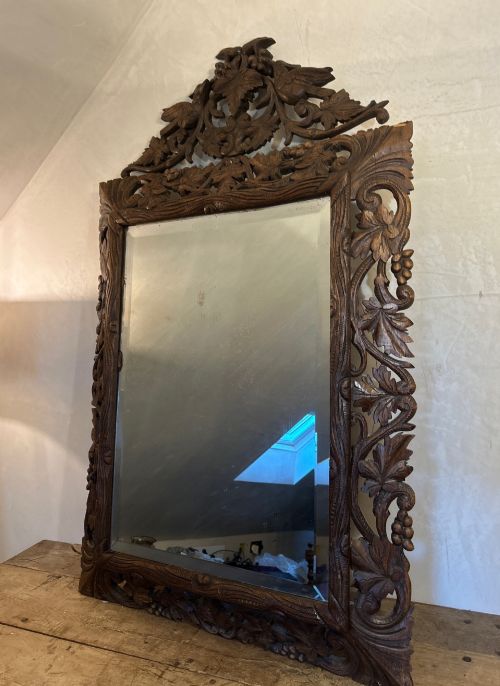
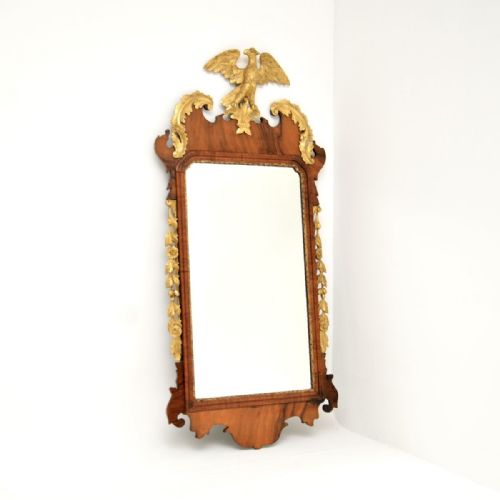
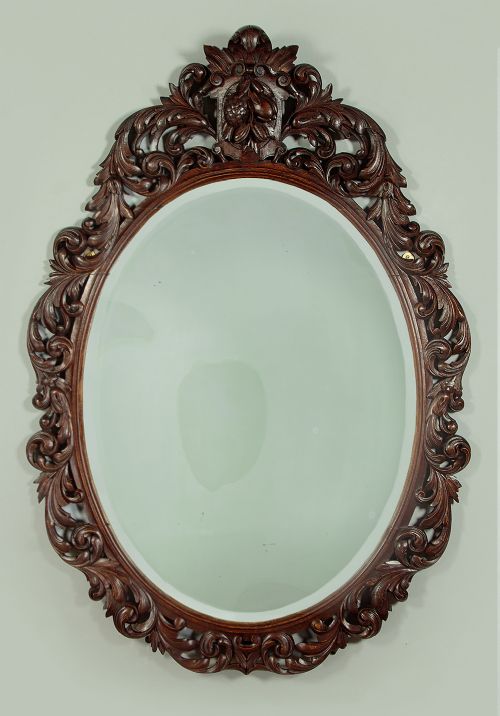
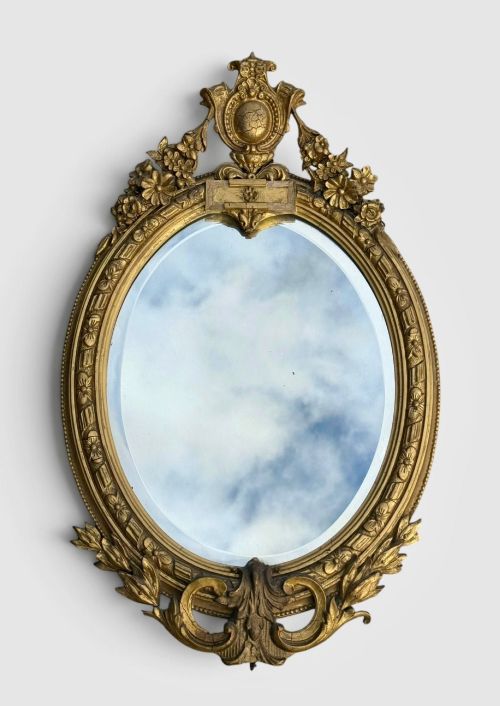
A carved wood wall glass search leads buyers to timber-framed mirrors and related wall pieces originating mainly in the eighteenth and nineteenth centuries. The selection spans distinct regional expressions, including English mahogany and walnut designs alongside ornate French, Italian, and German Black Forest works.
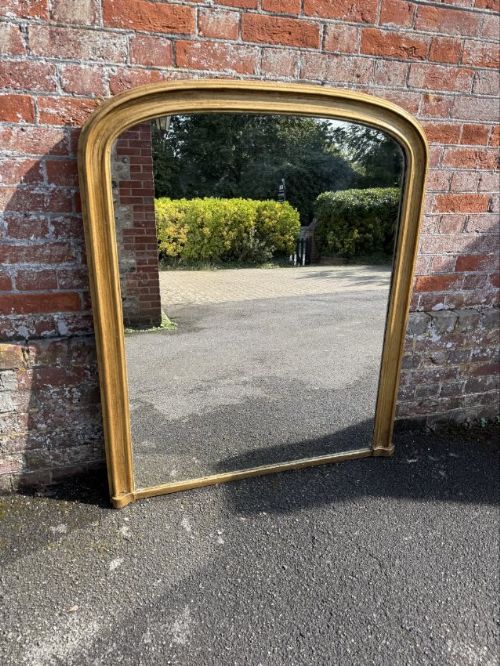
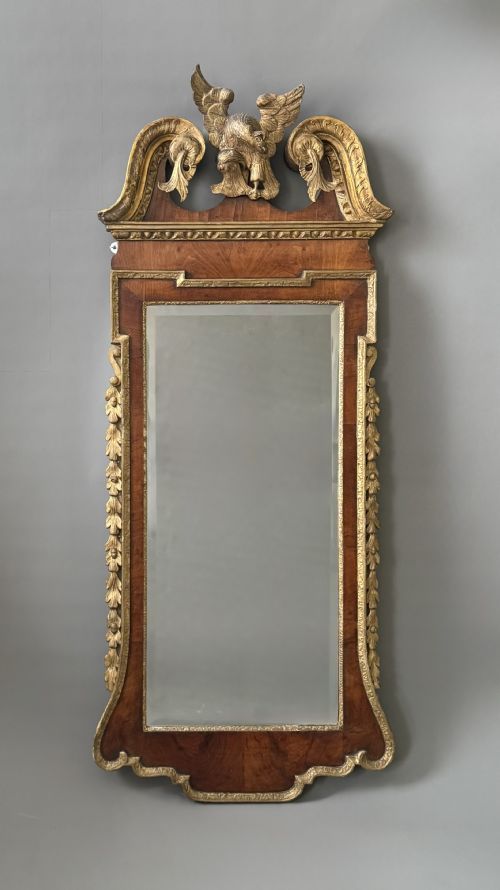
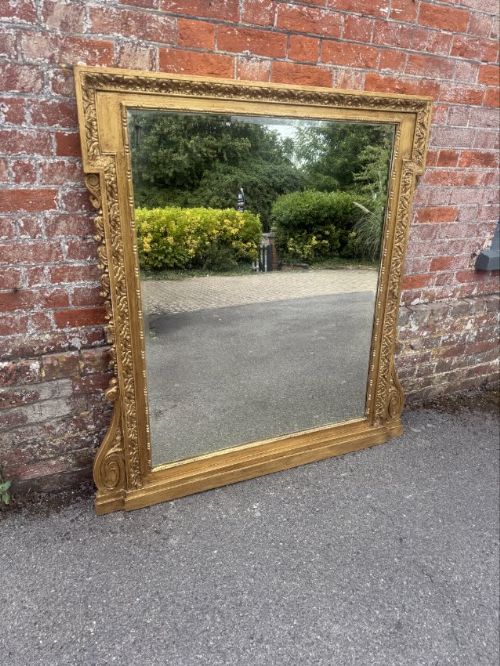
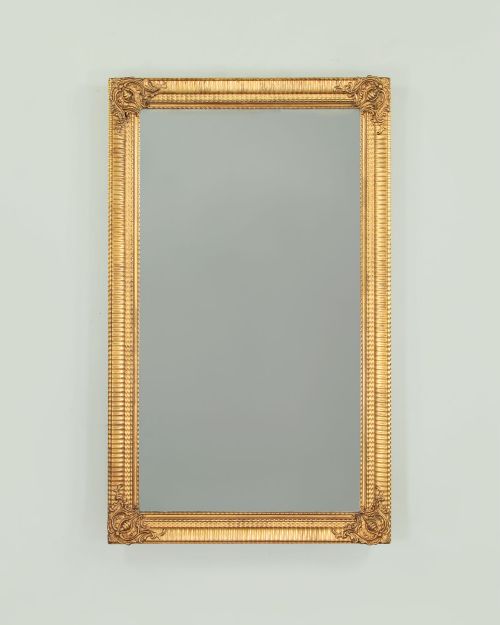
Most examples appearing here are large overmantel mirrors, pier glasses, and shaped wall mirrors created for domestic reception rooms. The forms range from restrained Georgian parcel gilt rectangles to elaborate Victorian gesso and giltwood compositions with floral and mythological carvings.
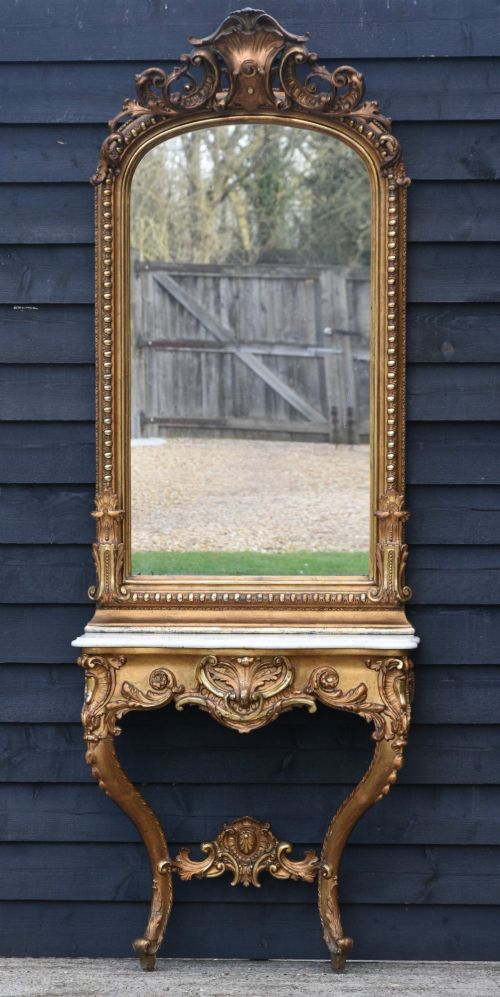
Buyers also encounter related functional wall objects sharing the same material vocabulary, such as oak aneroid barometers and console table combinations. These items rely on traditional joinery and heavy timber construction to support substantial glass plates.
Judging quality in frames and glass
Quality rests in the crispness and depth of the hand-carved ornamentation, where skilled execution creates sharp undercut details rather than soft, moulded relief. The integration between the wooden substrate and the gesso determines how well the surface resists cracking over time.
The integrity of the original glass plate and its interaction with the frame dictates overall character, as untouched silvering or period mercury glass adds significant authenticity. Proportion, balance, and the preservation of original gilding further separate standard utility pieces from exceptional works.
Gillows Of Lancaster·Hyde And Sons Sleaford
The Carved Wood Wall Glass Glossary
- Gesso
- A plaster-like mixture applied to wooden frame foundations to create a smooth surface for intricate carving and gilding. This compound allowed craftsmen to achieve sharp relief work before applying gold leaf.
- Pier glass
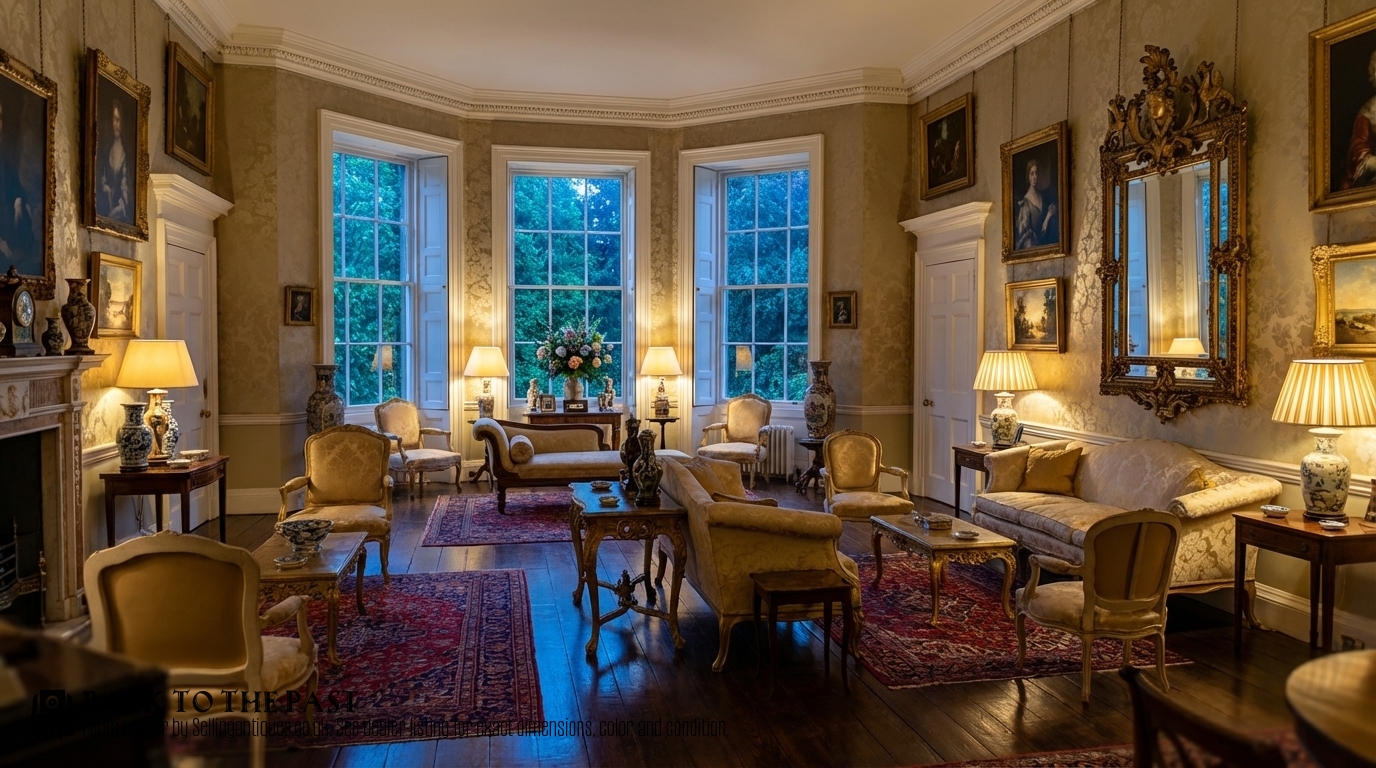
- A tall mirror specifically designed to hang on the wall space between windows, frequently paired with a matching console table. These pieces maximised natural light within formal rooms.
- Overmantel mirror
- A wide horizontal glass positioned above a fireplace mantelpiece, serving as a principal focal point in nineteenth-century interiors. Their dimensions matched the width of the fireplace surround below.
- Parcel gilt
- A finishing technique where portions of a wooden frame receive gold leaf while the underlying wood grain remains visible elsewhere. This method provided contrast without the expense of full gilding.
- Mercury glass
- An early mirror plate production method utilising a tin and mercury amalgam behind the glass. Over centuries, this process creates characteristic dark spots known as foxing.
- Aneroid barometer
- A meteorological instrument housed within a carved wooden wall case, measuring atmospheric pressure without liquid mercury. These units often match the timber and style of contemporaneous mirrors.
Carved Wood Wall Glass: Frequently Asked Questions
How do I hang a heavy antique mirror safely?
Heavy carved timber and gesso frames require direct attachment to wall studs using robust steel brackets or split battens suited to the weight. Professional installation ensures the structural load distributes evenly across the wall surface.
Avoid relying solely on decorative hanging loops fixed to the frame back, as old timber and fixings can weaken over centuries of use.
What causes foxing on antique mirror glass?
Foxing occurs when moisture penetrates behind the glass plate over long periods, reacting with the metal backing to create dark spots and clouding. This natural ageing process is typical in pieces utilising historical silvering techniques.
Many collectors value original foxed glass because it confirms the high age and authenticity of the mirror plate.
How can I tell a Victorian mirror from a Georgian one?
Georgian mirrors typically exhibit restrained architectural proportions, using mahogany or walnut with subtle parcel gilt accents and controlled symmetry. They favor classic lines and understated enrichment suited to eighteenth-century interiors.
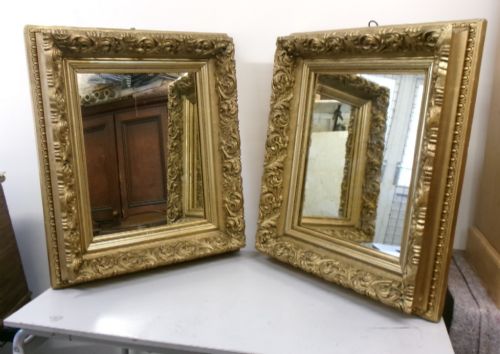
Victorian pieces frequently display heavier gesso ornamentation, deeper relief carving, and elaborate Rococo or Renaissance Revival motifs made possible by industrial manufacturing advances.