



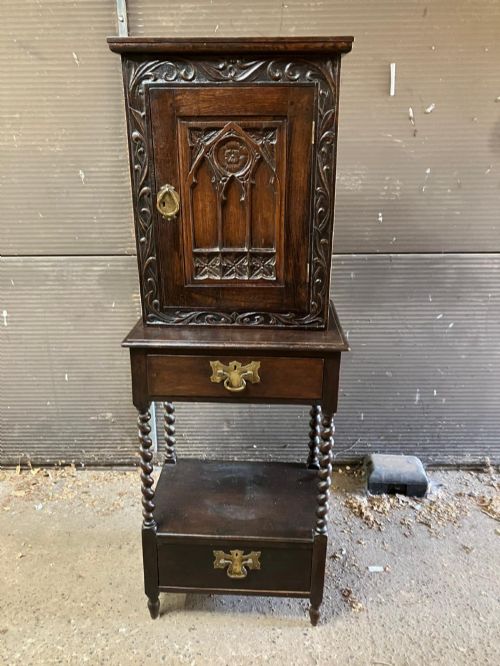
Carved Wood Side Cabinet
A carved wood side cabinet brings rich texture and practical storage to a room, spanning styles from Regency elegance to robust Jacobean revival.
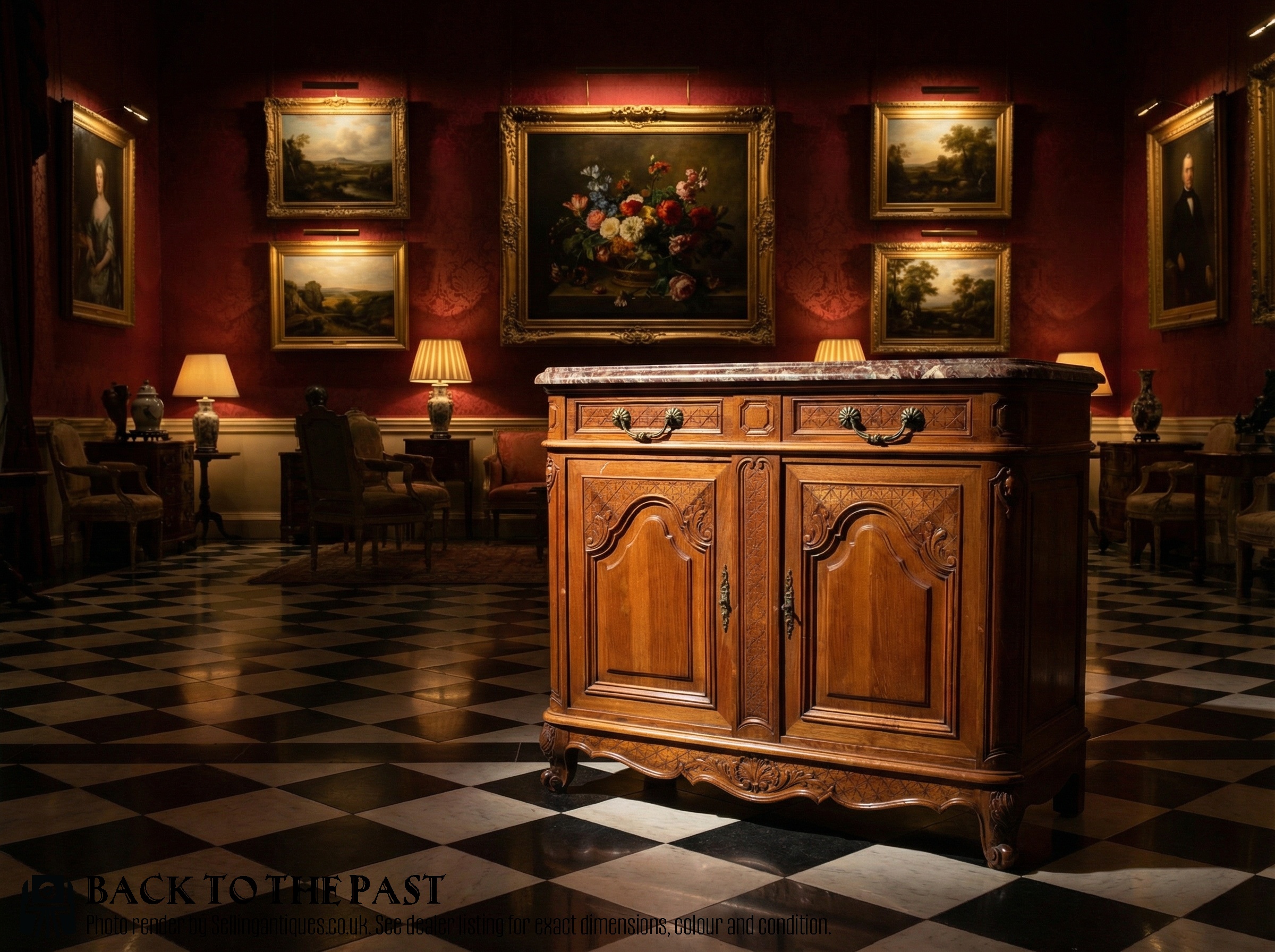
Carved Wood Side Cabinet
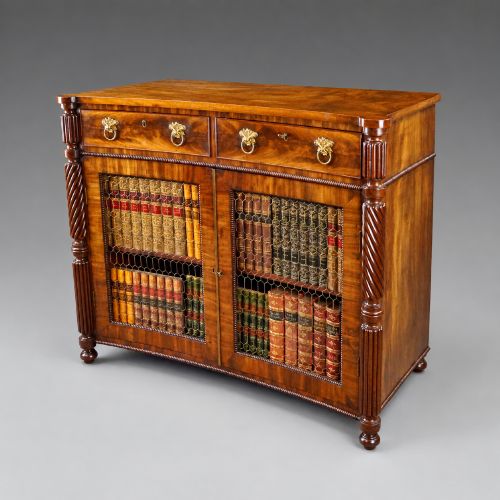
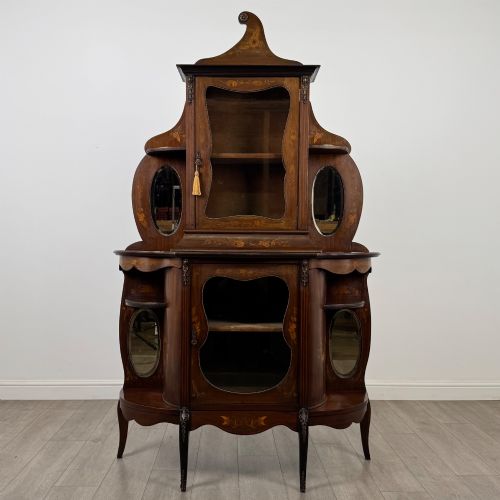
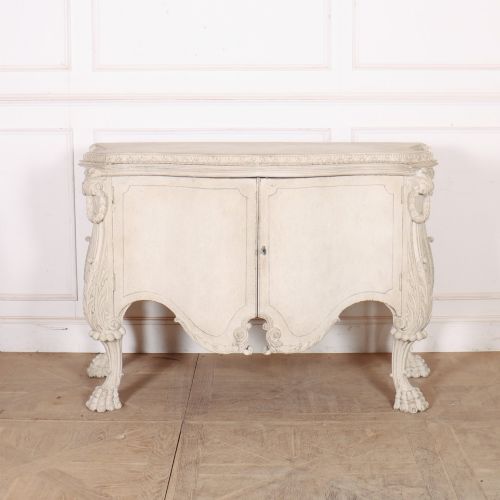
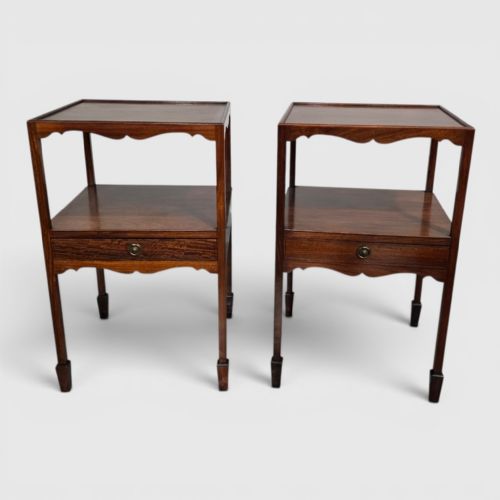
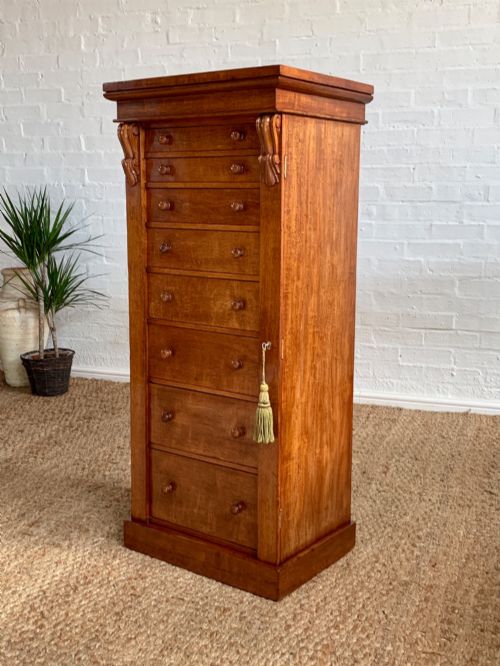
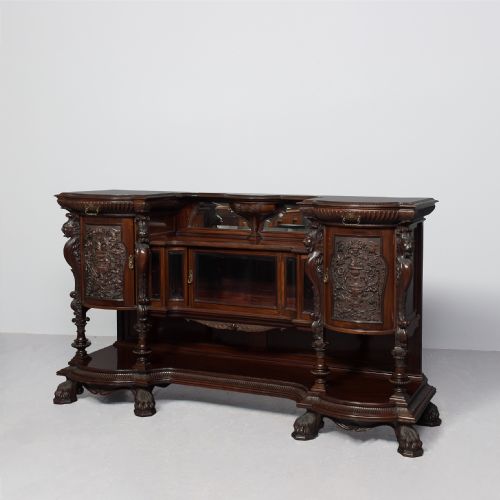
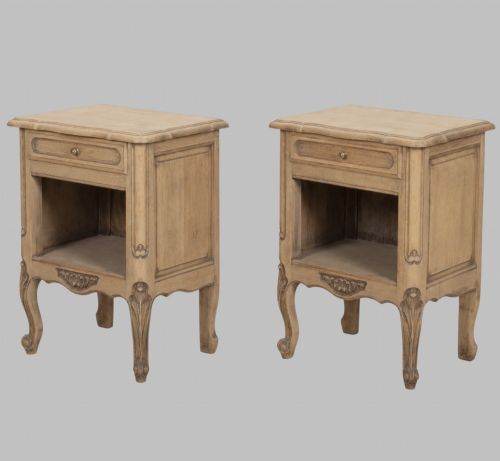
A carved wood side cabinet is a functional storage piece designed to sit against a wall in a dining room, hallway, or salon. You will find examples ranging from compact bedside cupboards to large mirror-backed display cabinets and open bookcases.
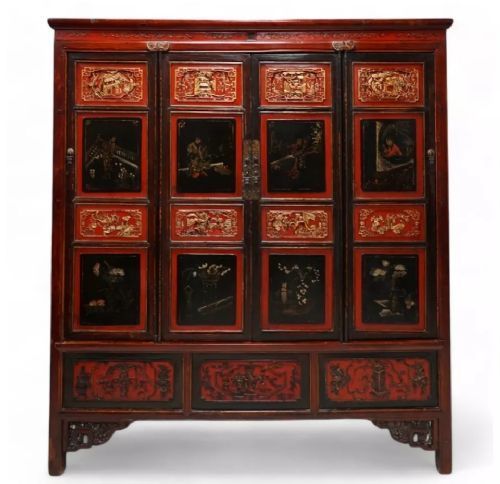
The pieces on this page draw from periods spanning the eighteenth, nineteenth, and early twentieth centuries. Regional variations include French Provincial chestnut, Chinese elm and lacquer, and Anglo-Indian padauk or hardwood.
Styles represented run from Georgian and Regency through Victorian, Gothic Revival, and Arts and Crafts. Many function as general cupboards, while others serve specific purposes like bedside tables or lamp tables.
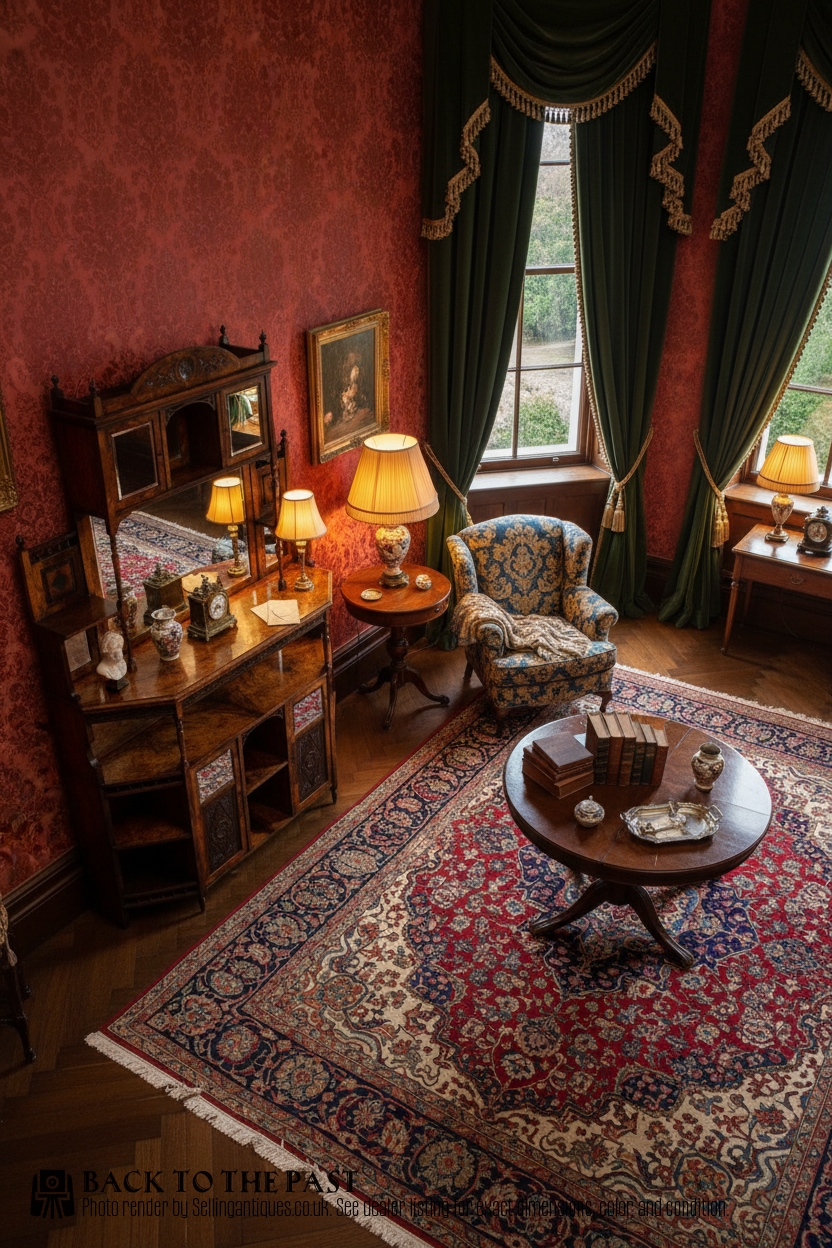
How they were made
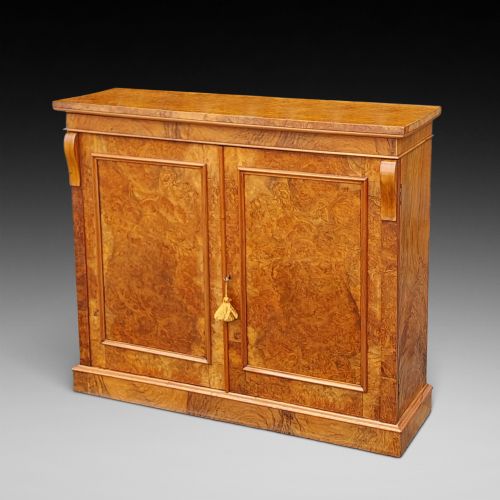
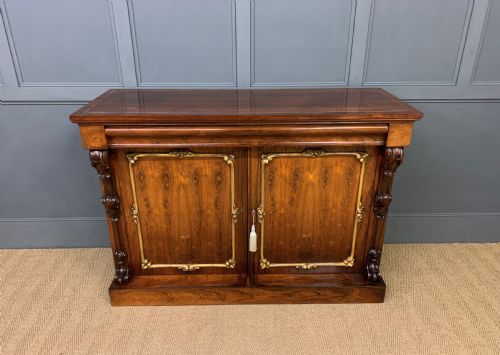
Cabinetmakers utilised solid timbers and selected veneers including mahogany, oak, rosewood, walnut, and burr elm. Decorative effect often relied on the natural figuring of the wood grain, enhanced by French polishing or wax finishes.
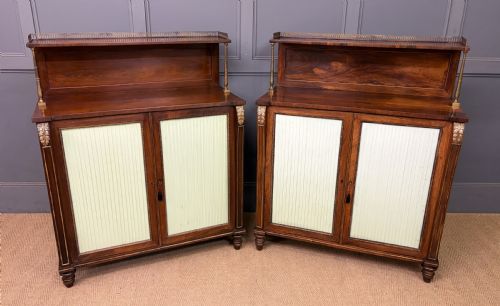
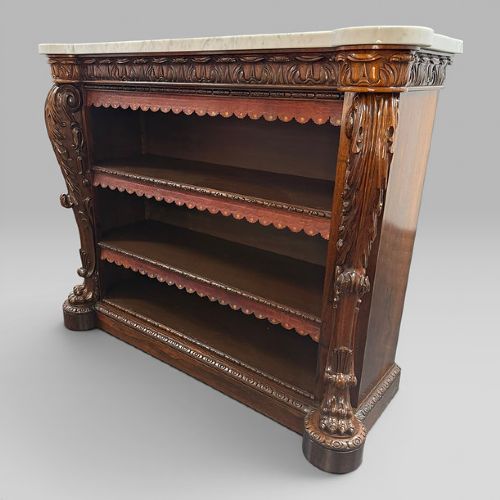
Carving was executed by hand, rendering motifs from simple geometric panels to elaborate Rococo scrolls, cherubs, and oriental foliage. Secondary elements frequently incorporated brass hardware, marble tops, glass doors, and mirrored backs.
Listings feature woods from British mahogany and oak to exotic rosewood, padauk, amboyna, and Chinese elm.
What varies in quality
Quality rests in the selection of timber and the precision of the cabinet construction. Finely figured veneers, dense hardwoods, and well-matched grain patterns distinguish superior examples from simpler utilitarian pieces.
The depth and crispness of the hand-carving dictate the artistic merit of a cabinet. Original hardware, intact marble or glass components, and solid secondary woods inside drawers also elevate the standing of an item.
Gillows·Gabriel Viardot
The Carved Wood Side Cabinet Glossary
- Burr
- A growth on a tree that produces intricate, swirling patterns in the wood grain. Highly prized for its decorative appearance on furniture fronts.
- Gothic Revival
- A nineteenth-century design movement inspired by medieval architecture. Pieces in this style often feature pointed arches, tracery, and heavy carved details.
- Regency
- A British design period spanning the early nineteenth century characterised by classical restraint and influence from ancient Rome and Greece. Cabinets from this era often display clean lines and rosewood or mahogany surfaces.
- Marble top
- A stone slab fitted to the upper surface of a cabinet or table. It provided a durable, heat-resistant workspace often seen on nineteenth-century pieces.
Carved Wood Side Cabinet: Frequently Asked Questions
How do I identify the wood used?
Examine the grain pattern, colour, and weight of the timber. Common materials include mahogany, oak, walnut, and exotic hardwoods like rosewood and padauk.
Veneers are often applied to a secondary wood base, which can be observed inside drawers or at the cabinet back.
What periods do these cabinets come from?
The pieces span from the eighteenth century through the Victorian era and into the early twentieth century. Styles often reflect the prevailing design movements of their respective decades.
Victorian, Regency, and Georgian pieces are common, alongside regional interpretations like French Provincial and Anglo-Indian work.
Are marble tops original to these cabinets?
Many nineteenth-century side cabinets and bedside cupboards were manufactured specifically to receive marble tops for durability and elegance. The stone sits within the wooden frame of the upper surface.
Checking the fit against the surrounding wood helps confirm the relationship between the slab and the base cabinet.