

Vintage French Cupboard
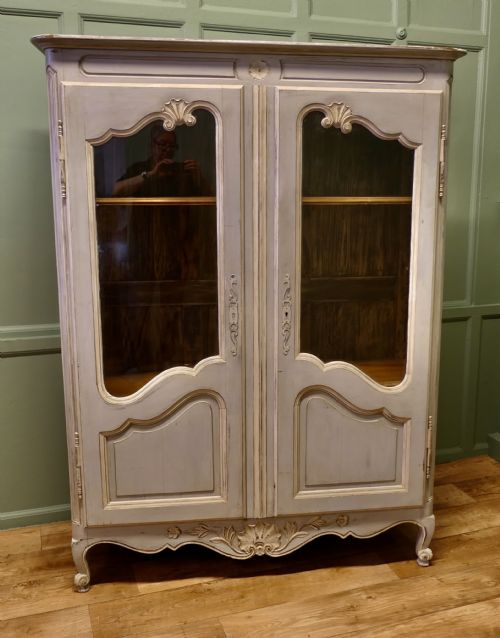
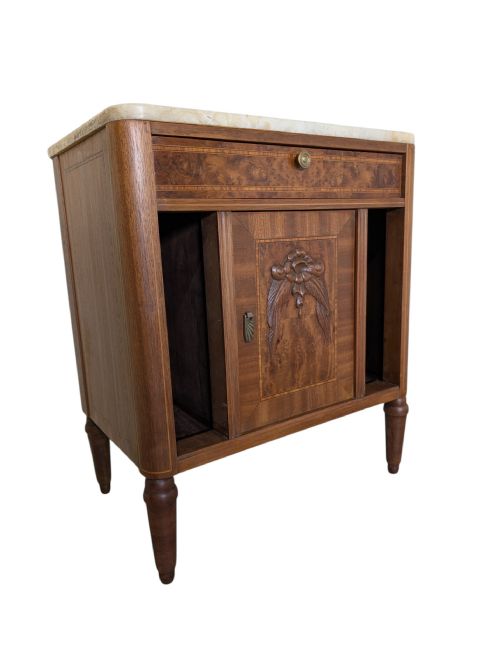
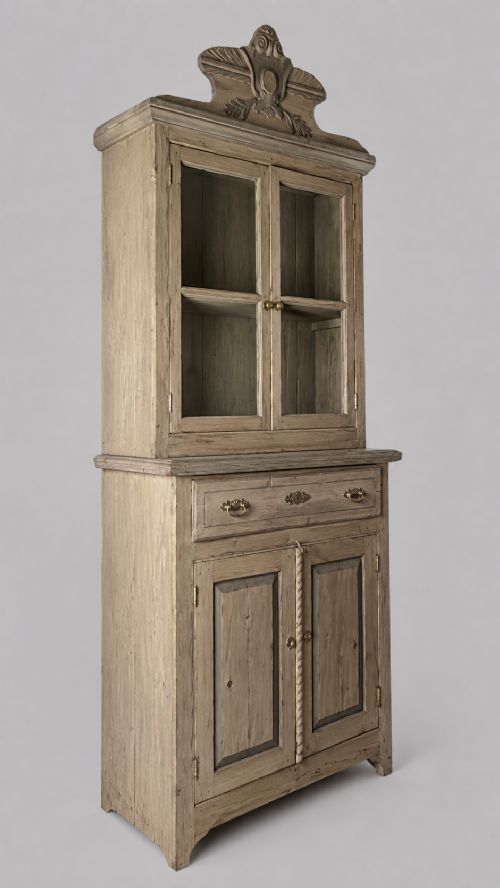
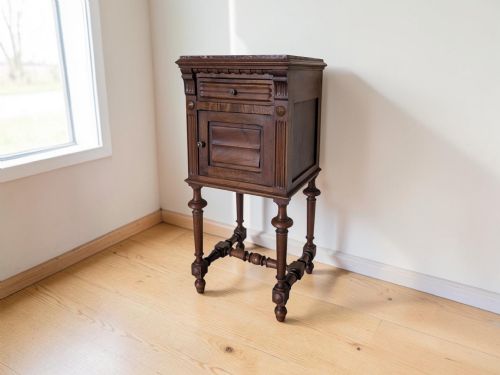
A vintage french cupboard brings utility and provincial charm to a room, ranging from bedside cabinets to large painted armoires.
Vintage French Cupboard
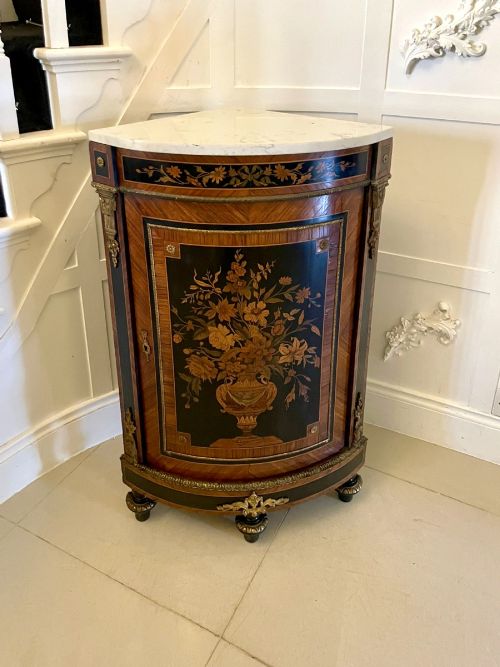
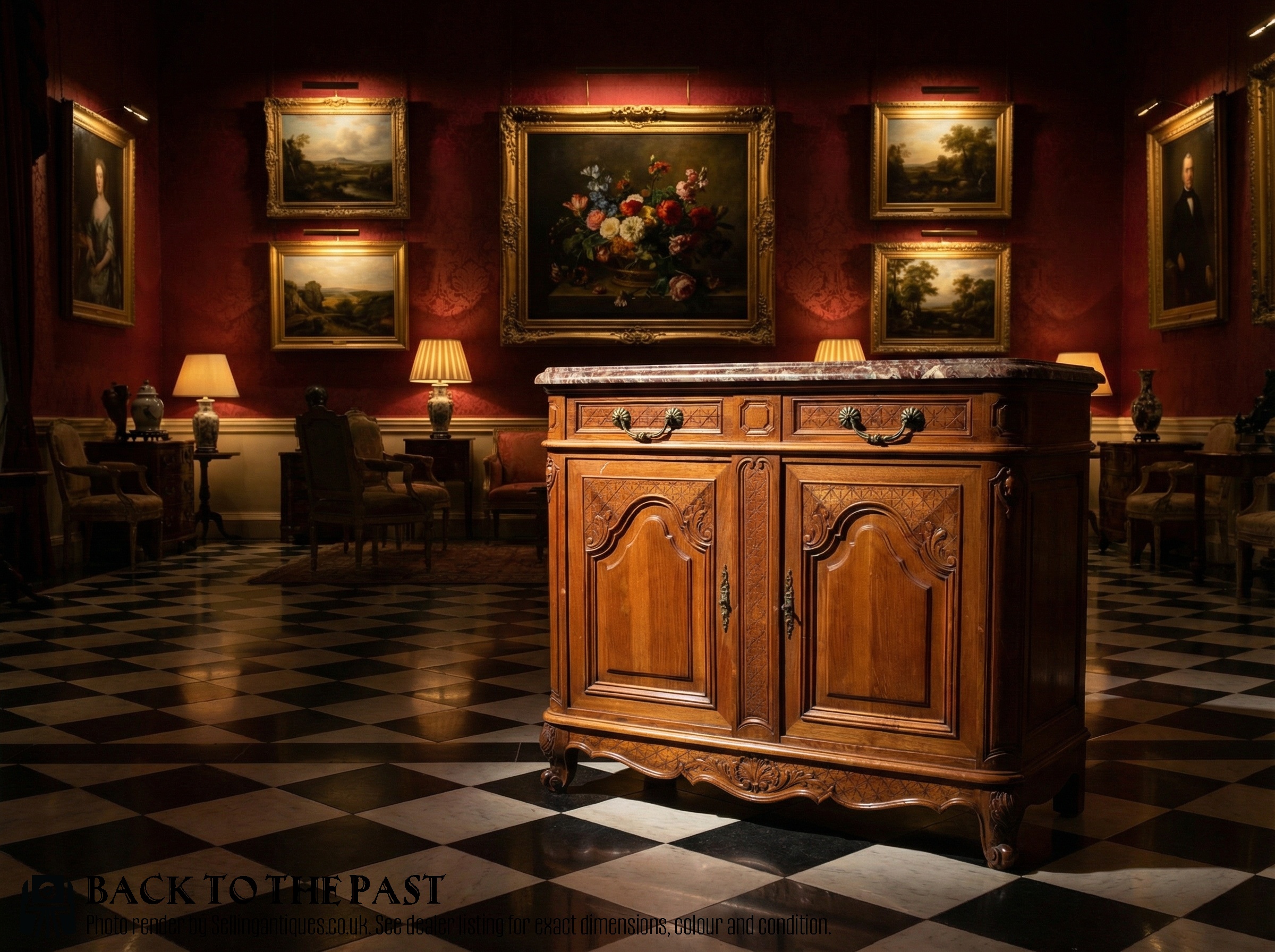
A vintage french cupboard encompasses a diverse group of storage furniture spanning the nineteenth and twentieth centuries, including bedside cabinets, armoires, sideboards, and glazed bookcases. These pieces originate from various regional traditions, displaying distinct local character from provincial workshops and larger centres alike.
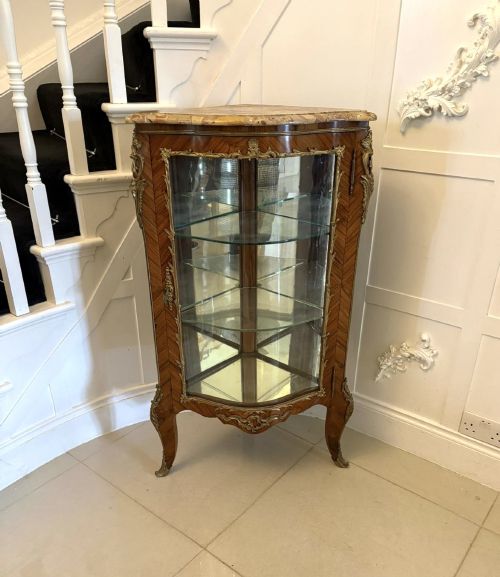
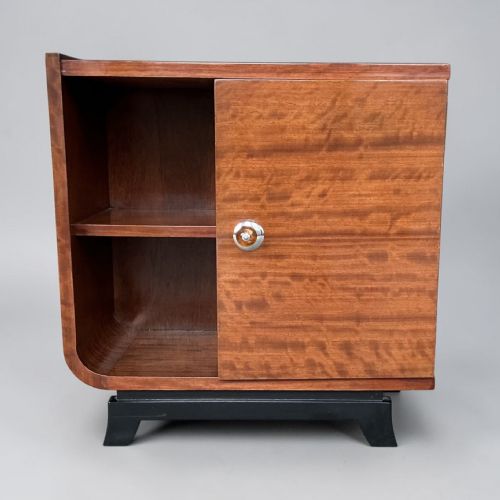
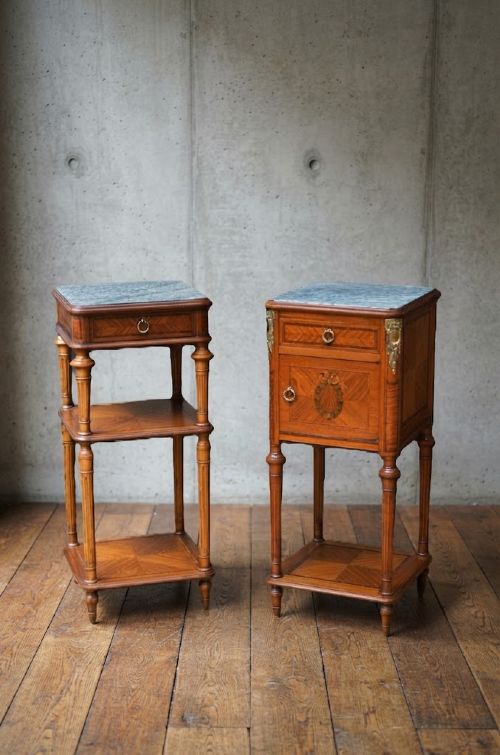
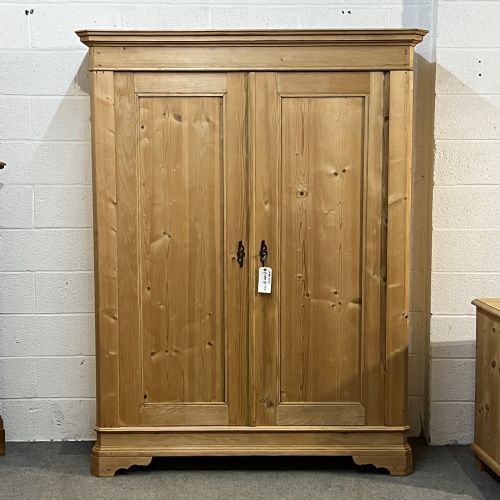
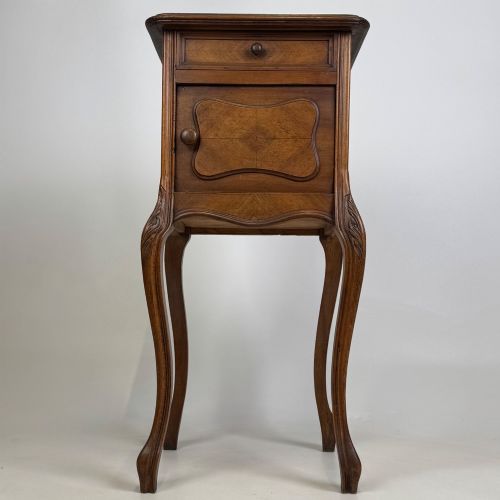
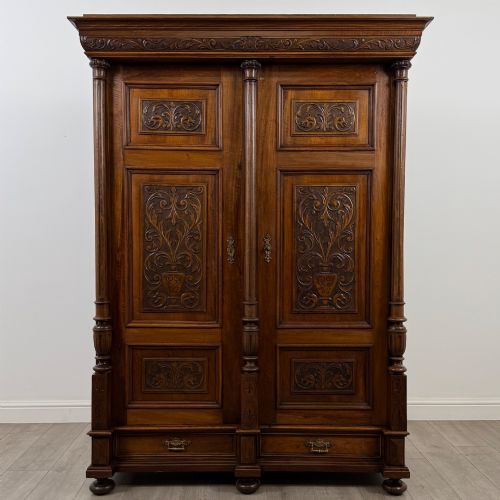
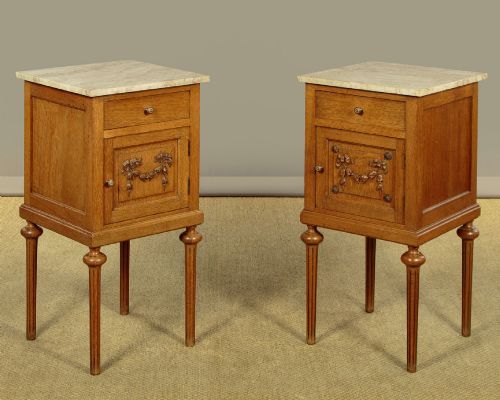
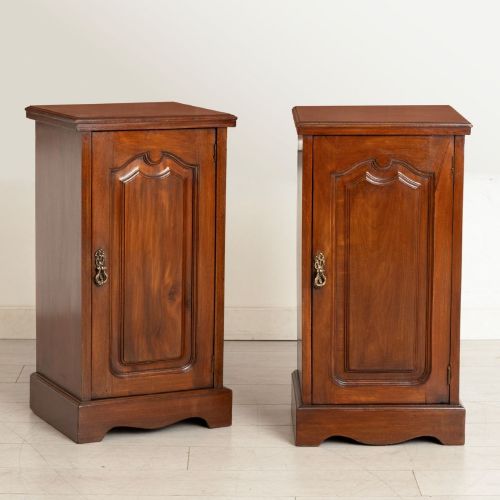
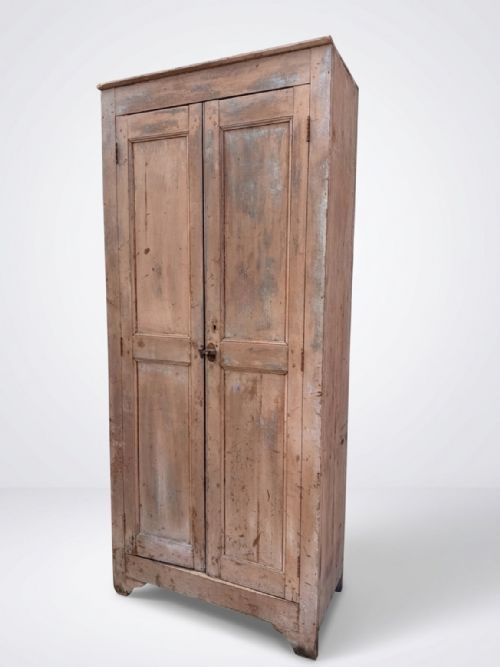
The version most frequently met on this page is the bedside cabinet or small side cabinet, often dating from around nineteen hundred to the nineteen-twenties in oak, walnut, or painted pine. Alongside these smaller pieces, larger housekeepers cupboards and wardrobes appear regularly, constructed from solid timbers with functional internal shelving or hanging space.
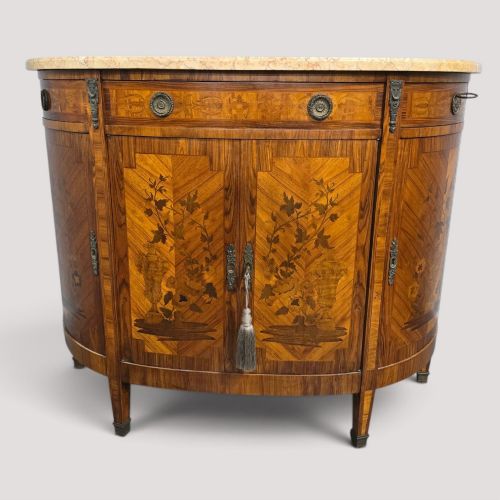
Makers and regional artisans utilised native timbers such as cherrywood, fruitwood, and oak alongside imported mahogany and satinwood, applying decorative techniques like marquetry inlay and faux bamboo carving. Whether rendered in the restrained lines of Louis XVI style or the bold geometries of Art Deco, each piece reflects the prevailing aesthetic of its period.
Materials and construction
Cabinet makers relied heavily on hardwoods such as oak, walnut, and mahogany, alongside softer construction timbers like pine and fruitwood, often finishing surfaces with polished veneers or hand-applied paint. Marble tops in white, pink, or grey feature frequently on bedside tables and side cabinets, providing a durable and decorative working surface.
Joinery techniques combined traditional frame and panel construction with dovetail drawers and intricate marquetry inlay, utilising brass mounts and handles as functional hardware. Painted finishes range from simple country layers to sophisticated faux bamboo mouldings and decorative parchment inlays seen in later Art Deco examples.
Listings feature woods including walnut, oak, mahogany, satinwood, pine, and cherrywood, alongside marble and brass.
Distinctions in quality
Quality rests upon the selection of timber, the precision of the joinery, and the integrity of decorative elements such as marquetry inlay, carved details, and marble slabs. Higher tier pieces exhibit carefully matched wood grains, tight dovetail joints, and substantial brass hardware that integrate harmoniously with the primary structure.
Conversely, simpler provincial items show the tool marks and straightforward construction methods typical of utilitarian workshop production, relying on charm and honest wear rather than refined embellishment. The presence of original fitted marble tops, undamaged glass panels, and intact interior shelving elevates the standing of any given cabinet.
Maurice Jallot
The Vintage French Cupboard Glossary
- Marquetry
- A decorative technique where small pieces of veneer are fitted together to form geometric or pictorial patterns on the surface of a cabinet. This method was widely utilised during the eighteenth and nineteenth centuries to display skilled craftsmanship.
- Vitrine
- A glass-fronted cabinet designed for the display of porcelain, books, or precious objects. These pieces often feature glazed doors and delicate wooden framing to maximise visibility.
- Armoire
- A large freestanding wardrobe or cupboard used primarily for hanging clothes or storing linens. French iterations frequently incorporate double doors and deep internal depths.
- Demi lune
- A half-moon shape applied to the top or footprint of a small table or cabinet. This profile allows the furniture to sit flush against a wall while offering a curved front.
- Confiturier
- A traditional small French cupboard, also known as a jam cupboard, originally utilised for storing preserves. These compact pieces typically feature a single door and a small drawer above.
Vintage French Cupboard: Frequently Asked Questions
How do I identify a genuine period piece?
Examine the construction methods, such as hand-cut dovetails in the drawers, the type of timber used, and the style of the hardware. Period pieces often exhibit consistent wear patterns and traditional joinery consistent with nineteenth or early twentieth century workshops.
Compare the overall proportions and decorative motifs, like Louis XVI style carvings or Art Deco geometry, against documented examples from the same era to verify authenticity.
Are marble tops original to these cabinets?
Many bedside cabinets and commodes from the nineteenth century were manufactured with fitted marble slabs to provide a hygienic, heat-resistant surface for washing equipment or bedside items. These tops are usually heavy and cut specifically to follow the contours of the wooden frame beneath.
Check for proper seating within the wooden rebate and ensure the marble type matches the regional style and period of the cabinet body.
How should I care for a polished wood surface?
Maintain timber surfaces by dusting regularly with a soft, dry cloth and applying natural beeswax periodically to nourish the grain. Avoid placing wooden furniture in direct sunlight or near heat sources to prevent the wood from drying out and splitting.
Clean marble tops gently with warm water and a mild, non-acidic soap, ensuring no harsh chemical cleaners come into contact with the surrounding wood polish.
Can I use a bedside cabinet in other rooms?
These compact cabinets adapt easily to various interior spaces, functioning effectively as lamp tables in a hallway or small storage units in a bathroom. Their enclosed shelving keeps clutter hidden while providing a convenient surface top for everyday objects.
Consider the height and depth of the piece to ensure it fits comfortably alongside other furniture in smaller rooms or narrow passageways.