


Carved Wood Seat
When you search for a carved wood seat, you encounter centuries of seating shaped from timber and upholstered or left bare for formal rooms and quiet corners.
Carved Wood Seat
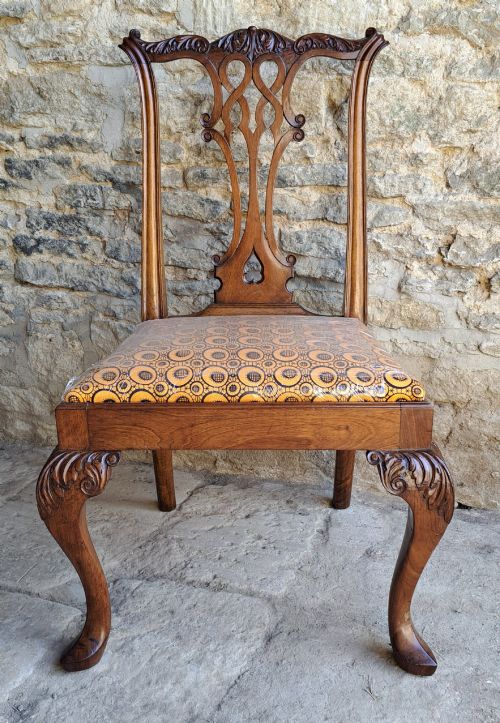
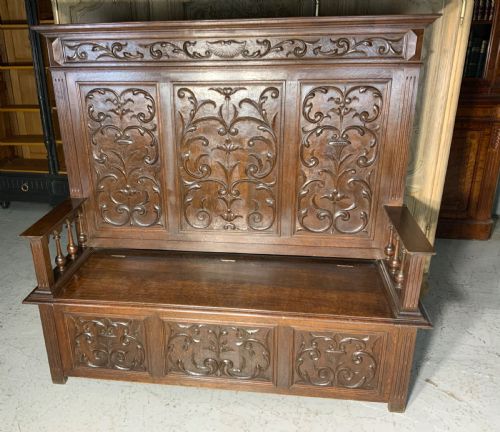
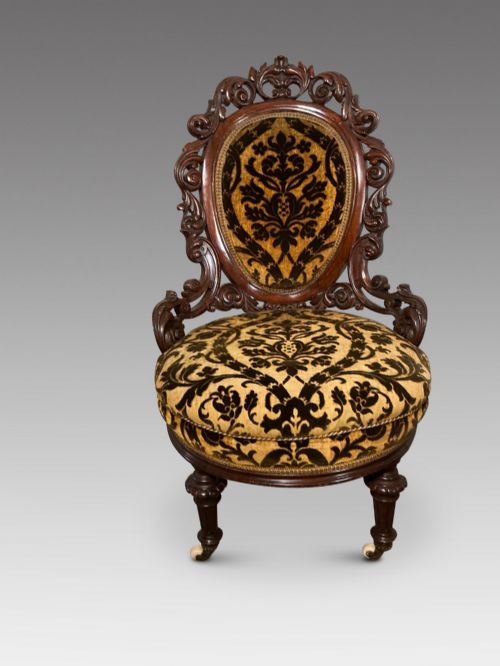
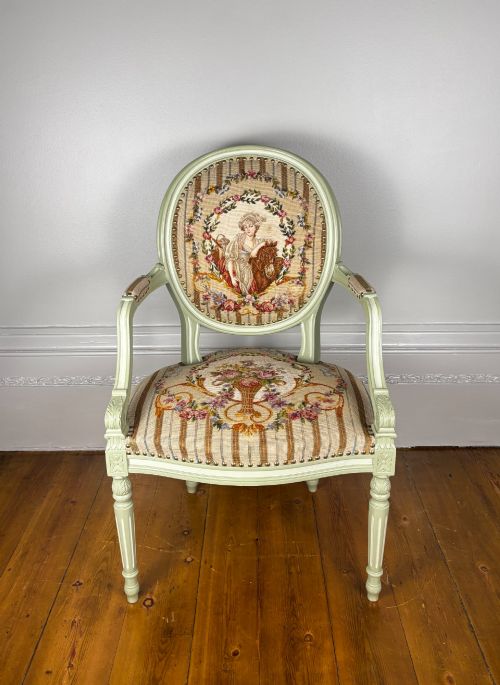
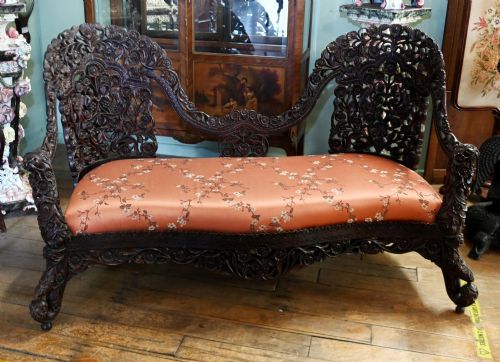
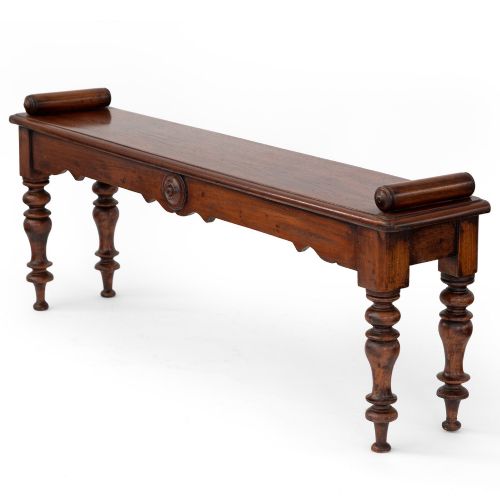
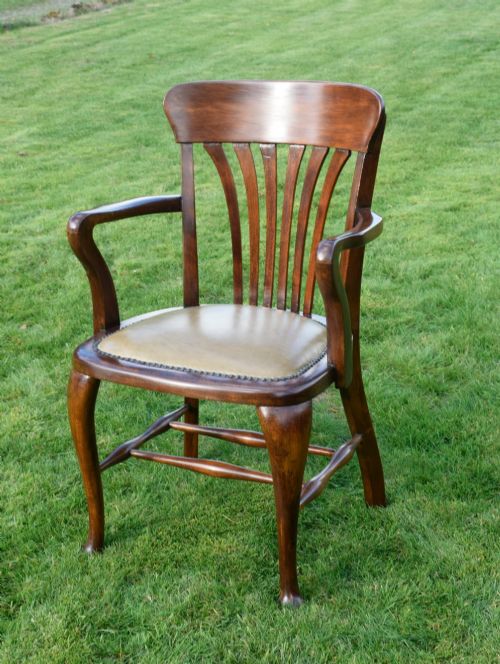
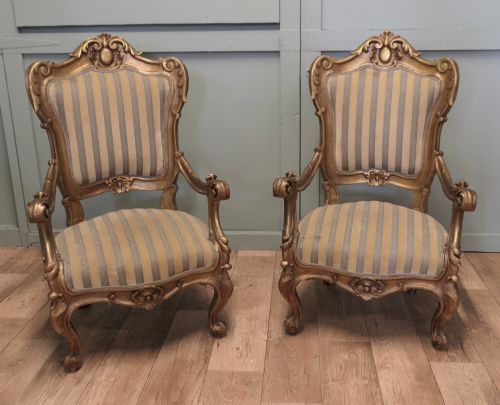
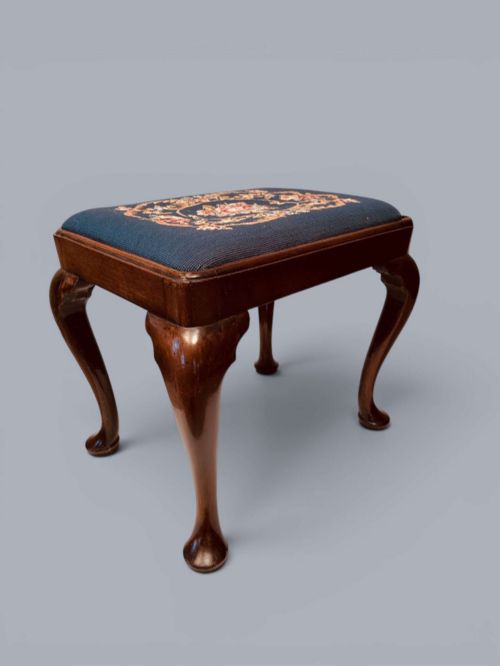
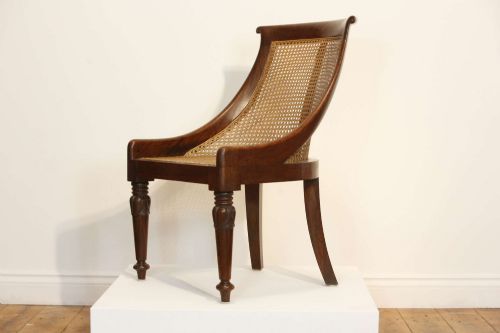
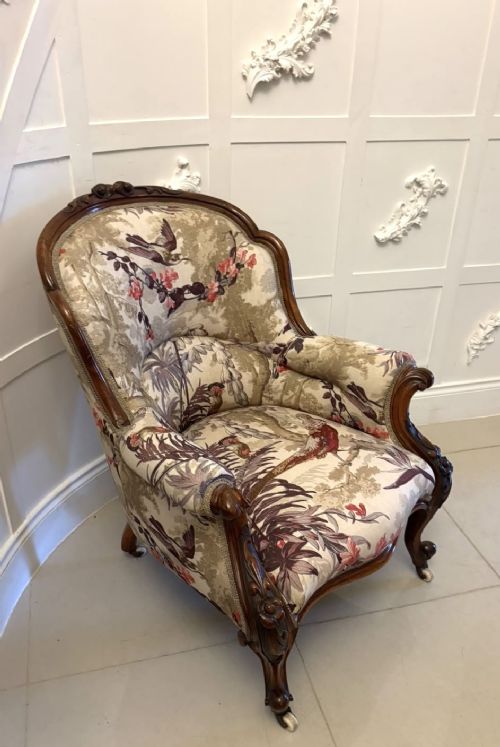
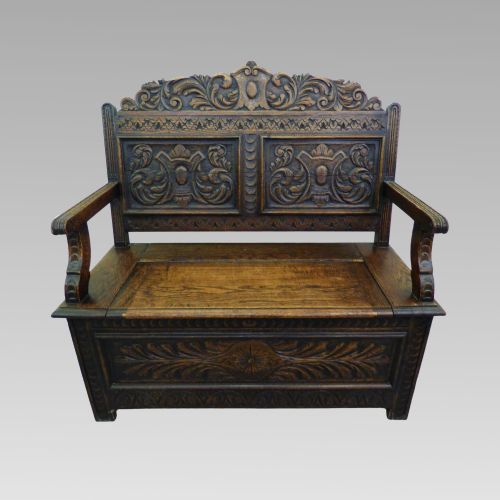
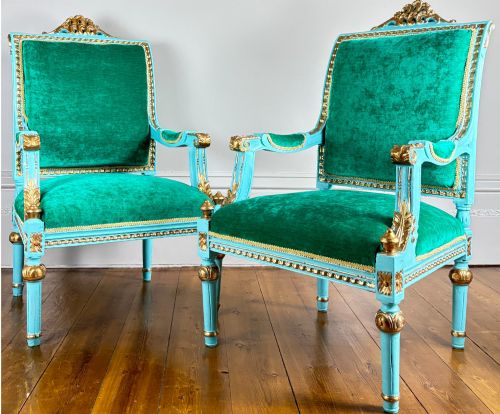
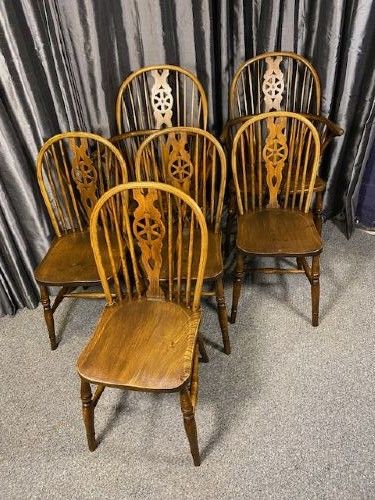
A carved wood seat encompasses everything from sturdy oak monks benches and mahogany dining chairs to giltwood window seats and walnut armchairs. These pieces span the eighteenth and nineteenth centuries, alongside early twentieth-century interpretations.
You will frequently meet dining chairs, hall chairs, and window seats fashioned from dense hardwoods like mahogany and walnut. The selection also includes specialist forms such as prie-dieu chairs, music stools, and occasional benches.
Origins stretch across English, French, Swedish, and Asian workshops, demonstrating both regional vernacular designs and grand stylistic revivals. The forms adapt to domestic settings ranging from grand reception rooms to compact hallways.
How they were made
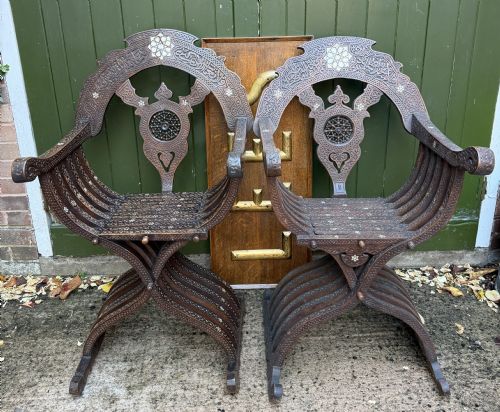
Cabinet makers relied primarily on solid timbers such as mahogany, oak, and walnut for the structural frames, often utilising hand-carving techniques to shape decorative motifs. Gilding, paint, and mother-of-pearl inlay frequently decorate the surfaces.
Upholstered variants incorporate traditional textile coverings like silk, fabric, and needlework fixed over padded foundations. Joinery methods such as mortise and tenon secure the chair legs and backrests.
Carved Wood Seat Retail Price Guide 2026
Typical asking prices for carved wood seat among the pieces listed under this phrase on Sellingantiques today, from the lower quarter to the upper quarter. They describe what is for sale here now, not the wider market.
Listings feature mahogany, walnut, and oak alongside silk, fabric, and giltwood finishes across various centuries.
What varies in quality
The crispness of the hand-carving separates standard production from exceptional examples, where intricate details remain sharp and deeply undercut. Timber selection also dictates grade, with heavily figured mahogany or quarter-sawn oak commanding higher regard.
Structural integrity depends on the original joinery remaining tight without excessive timber shrinkage or replaced frame components. Preserved original finishes, whether French polish, gilt, or paint, add considerable merit.
The Carved Wood Seat Glossary
- Giltwood
- Timber coated with gold leaf or a metallic substitute. This finish appears frequently on formal French and English window seats.
- Shield Back
- A chair back shape resembling the outline of a heraldic shield. This design is characteristic of late eighteenth-century dining chairs.
- Window Seat
- An elongated stool or small bench designed to sit beneath a window. These pieces often feature scrolling arms and upholstered tops.
- Prie-Dieu
- A low devotional chair featuring an upper ledge for kneeling or resting arms. Originating for private prayer, they date prominently to the nineteenth century.
- Bergere
- An enclosed armchair with upholstered sides and back. This French form typically incorporates exposed wooden frames.
Carved Wood Seat: Frequently Asked Questions
What is a window seat used for?
Window seats provide purposeful resting places positioned beneath window recesses in domestic rooms. They combine functional seating with decorative elegance.
Historically, they also served as flexible furniture moved to accommodate gatherings in reception rooms and hallways.
How do I identify a Georgian chair?
Georgian chairs display distinct proportions and timber choices, predominantly utilising solid mahogany or walnut. Look for classical carving motifs such as acanthus leaves and ball-and-claw feet.
Stylistic markers include interlaced ribbon backs and solid splats characteristic of eighteenth-century craftsmanship.
Are these seats suitable for daily use?
Many solid timber chairs and benches remain structurally robust for everyday dining or hallway use. Checking the joinery ensures they withstand regular sitting.
Delicate giltwood or heavily inlaid antique pieces require more mindful placement to preserve their decorative surfaces.
What distinguishes a hall chair?
Hall chairs feature rigid wooden seats and high backs without upholstery. They were designed for entrance halls where guests waited briefly.
Carved family crests or painted shields frequently appear on the wooden back panels of these formal seats.