

Carved Wood Reading Chair
A carved wood reading chair offers a solid frame and supportive arms for long hours with a book.

Carved Wood Reading Chair
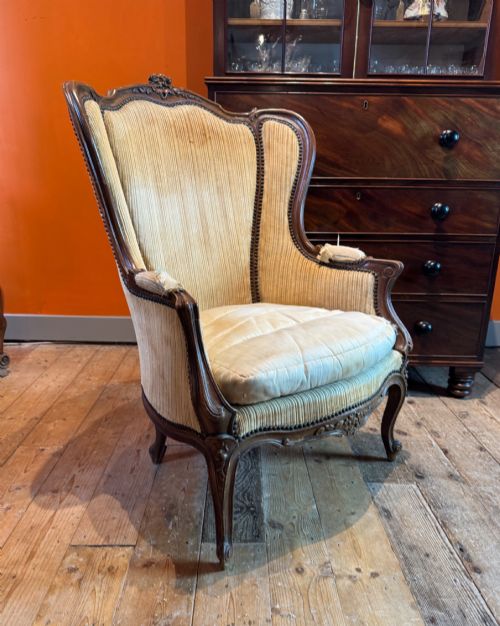
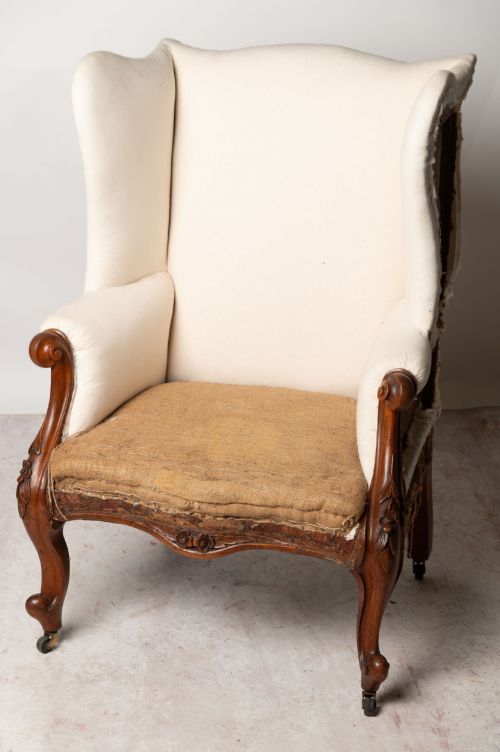
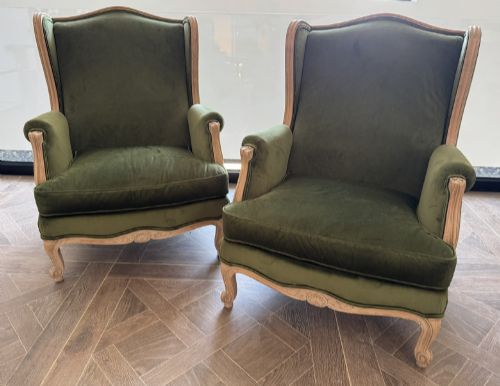
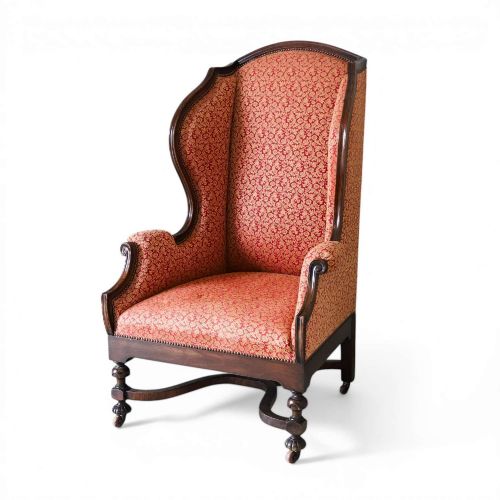
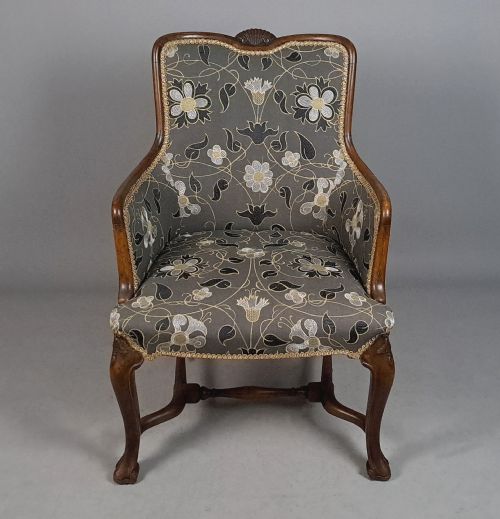
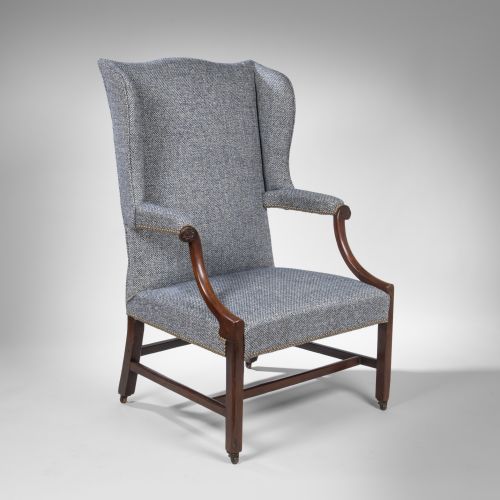
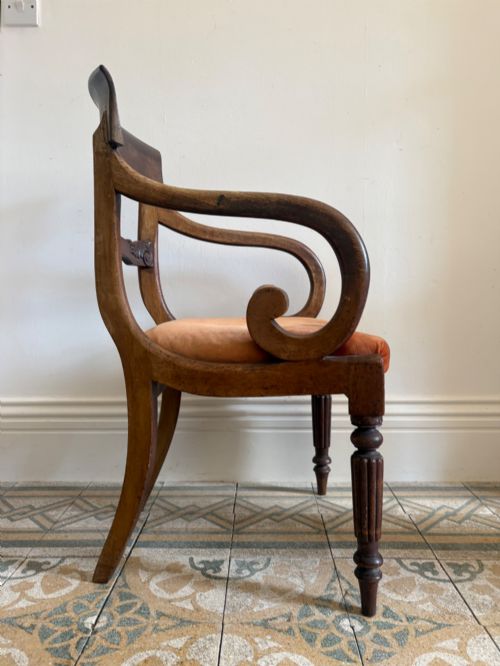
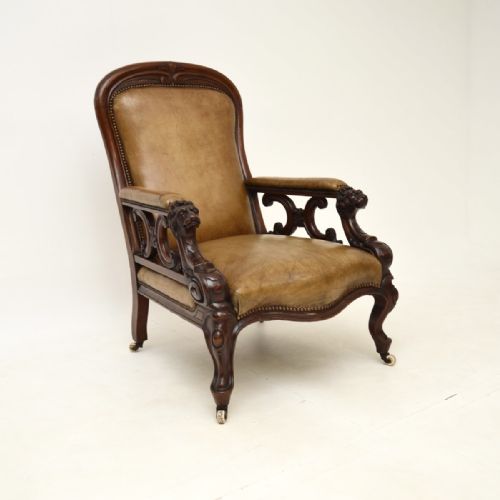
When you search for a carved wood reading chair, you find sturdy seating designed for study and leisure, spanning periods from the eighteenth century to the twentieth. The selection centres on mahogany, walnut, and rosewood armchairs, library chairs, and elbow chairs shaped in Victorian, Regency, and Edwardian styles.
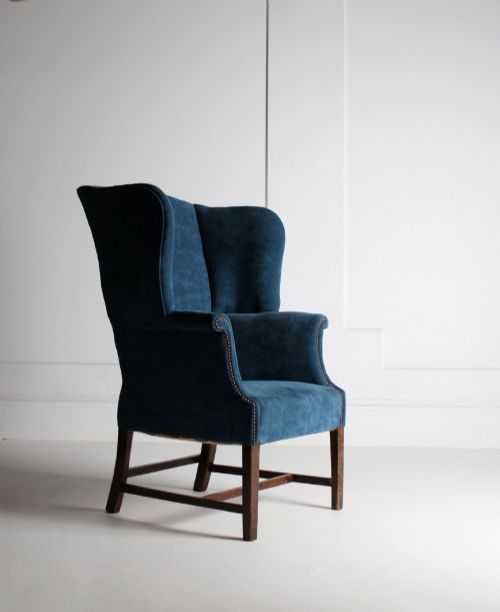
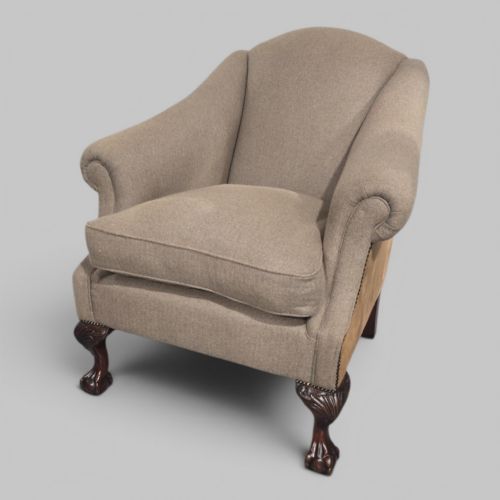
You meet pieces featuring cabriole legs, claw and ball feet, and open arms alongside upholstered wingbacks and gentleman's chairs. These forms originate from English and continental workshops, reflecting revival movements such as Chippendale and Queen Anne alongside French Louis XV designs.
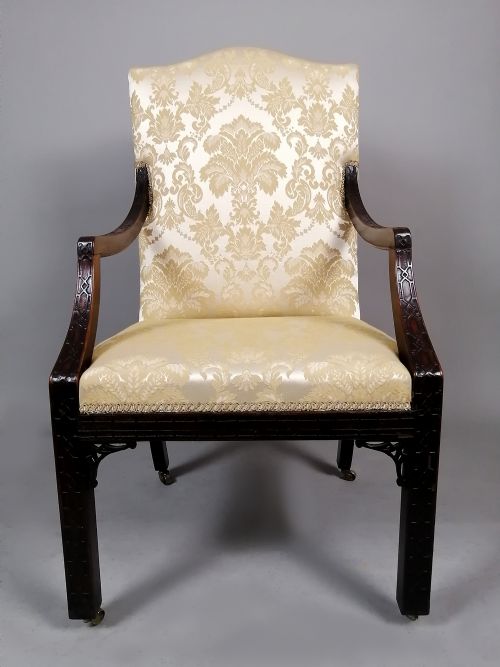
Library chairs and open armchairs dominate the seating forms here, often paired with drop-in seats or buttoned leather pads. Buyers select these items for traditional studies, drawing rooms, and bedrooms where timber frames and textile upholstery serve both decorative and practical roles.
How they were made
Maker's workshops built these frames using solid hardwoods like mahogany, walnut, oak, and rosewood, carved by hand with motifs such as spider web backs or cabriole legs. Joinery relied on traditional mortise and tenon construction to ensure the structural integrity of the arms and legs under daily use.
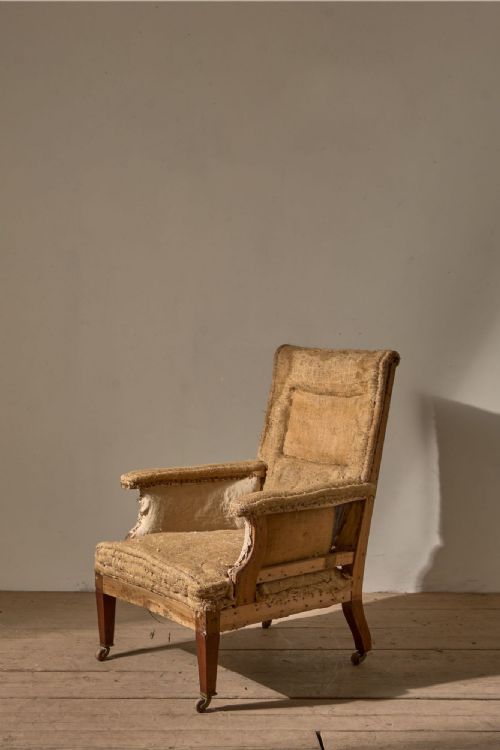
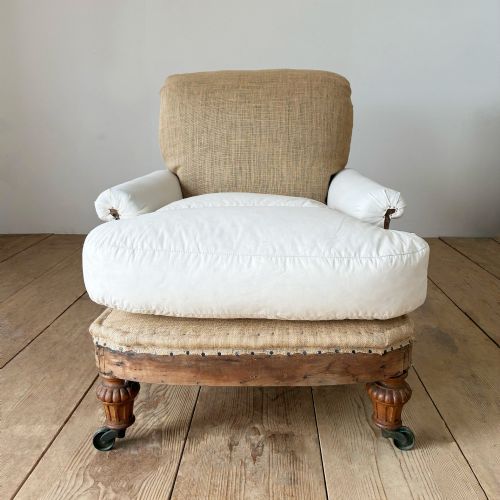
Upholstery involved horsehair or textile stuffing held within frames, finished with drop-in velvet seats, leather coverings, or fabric panels secured by brass tacks. Brass castors occasionally appeared on the feet of heavier library and desk chairs to ease movement across floorboards.
The inventory includes specialised forms such as gentleman's chairs, slipper chairs, tub chairs, and wheel back Windsor armchairs.
What varies in quality
The refinement of the timber carving sets the standard, distinguishing sharp, deep hand-cut details on mahogany frames from softer, worn mouldings. Heavier scantlings in the legs and arms provide greater stability and durability over centuries of sitting.
The choice of secondary woods and the preservation of original show wood surfaces dictate the standing of a piece. Finer examples retain tight joinery and sympathetic upholstery that respects the period style without losing the integrity of the frame.
Gillows
The Carved Wood Reading Chair Glossary
- Cabriole leg
- A furniture leg that curves out and then in, resembling the leg of an animal. This form appears frequently on Victorian and revival seating.
- Drop-in seat
- A removable seat frame upholstered separately and dropped into a recess in the chair rail. It allows for straightforward reupholstery.
- Library chair
- A sturdy armchair designed for reading rooms, often featuring upholstered armrests and supportive backs. These pieces use mahogany or walnut frames.
- Wingback
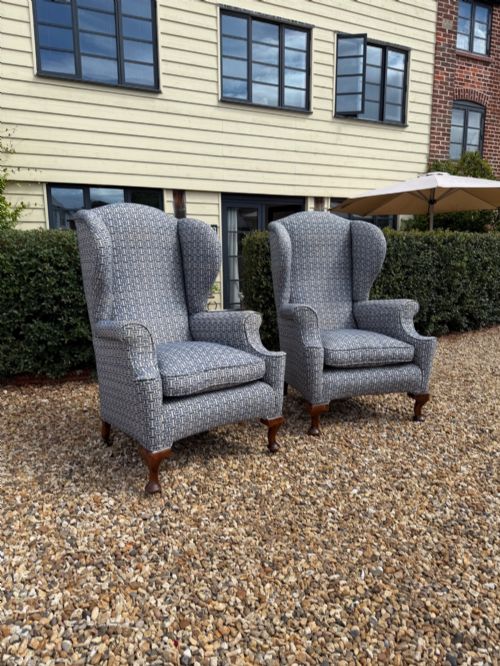
- An armchair with high sides attached to the arms, designed to shield the sitter from drafts. Early examples often date to the eighteenth and nineteenth centuries.
- Elbow chair
- An armchair with open sides, typically positioned at a desk or table. These items feature wooden frames with upholstered or drop-in seats.
Carved Wood Reading Chair: Frequently Asked Questions
How do I identify a Victorian armchair?
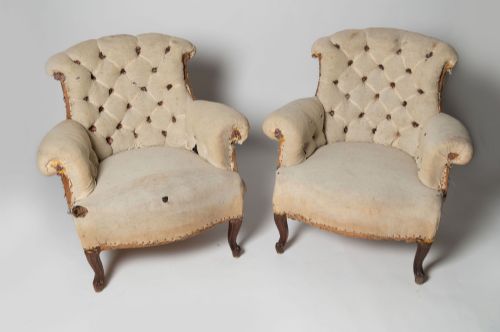
Victorian armchairs typically feature dark woods such as mahogany or walnut, with carved cabriole legs or turned supports. Many examples incorporate deep buttoning or horsehair stuffing.
Stylistic revivals of Queen Anne and Chippendale patterns also appear frequently across nineteenth-century pieces.
Where should I place a library chair?
Library chairs suit studies, home offices, and living rooms where a solid timber frame and comfortable seat provide practical utility. Their open arms allow freedom of movement for writing or turning pages.
Position them near bookshelves or windows to create a dedicated space for quiet study.
How do I care for wood frames?
Maintain wooden frames by dusting regularly with a soft cloth and avoiding direct sunlight that can dry out the timber. Natural wax finishes benefit from occasional gentle application to preserve the grain.
Keep upholstered areas clean according to their specific fabric or leather requirements.