
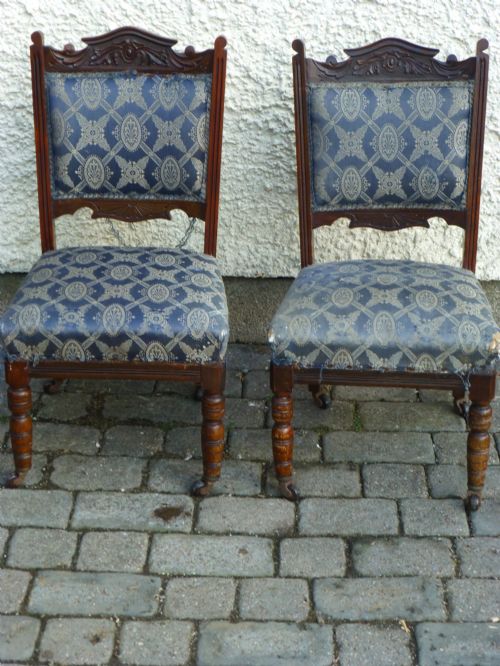
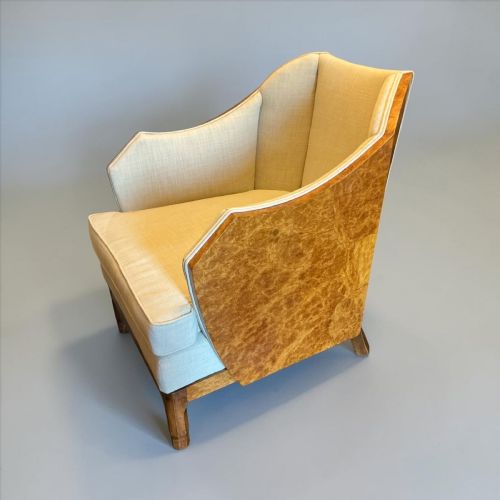
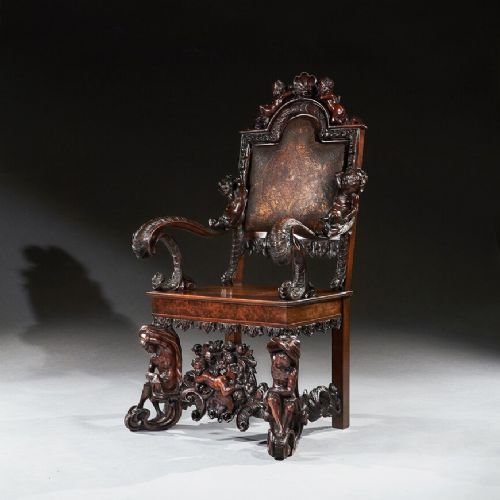
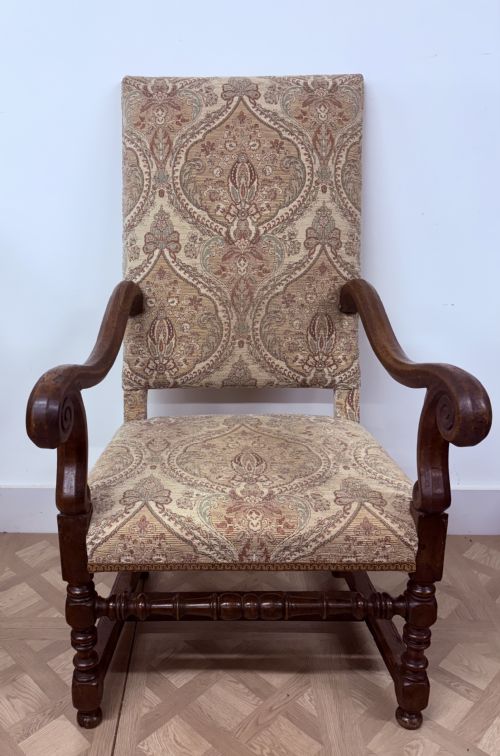
Brown Walnut Accent Chair
These brown walnut accent chair pieces bring rich timber warmth and historic seating character into a room.
Identifying a brown walnut accent chair
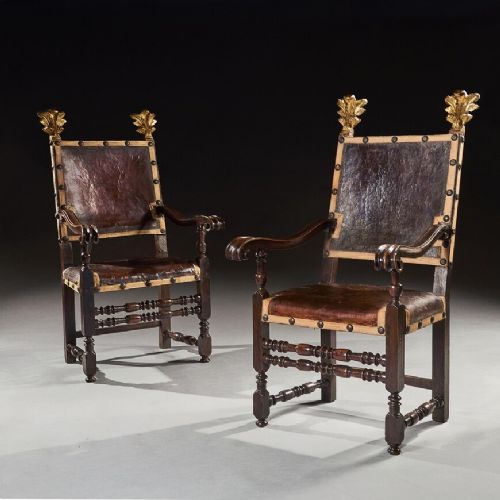
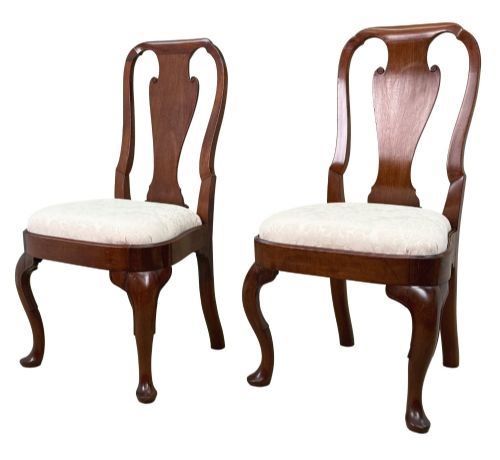
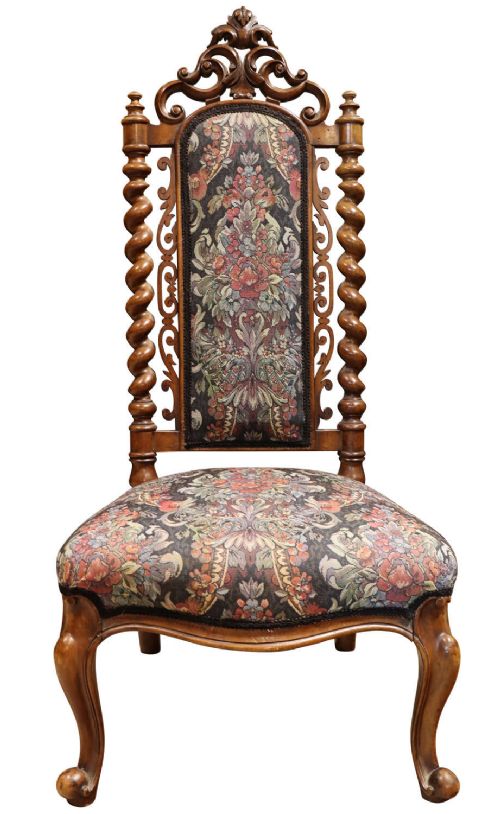
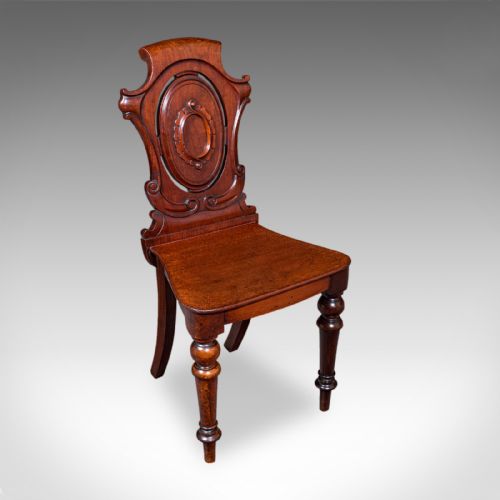
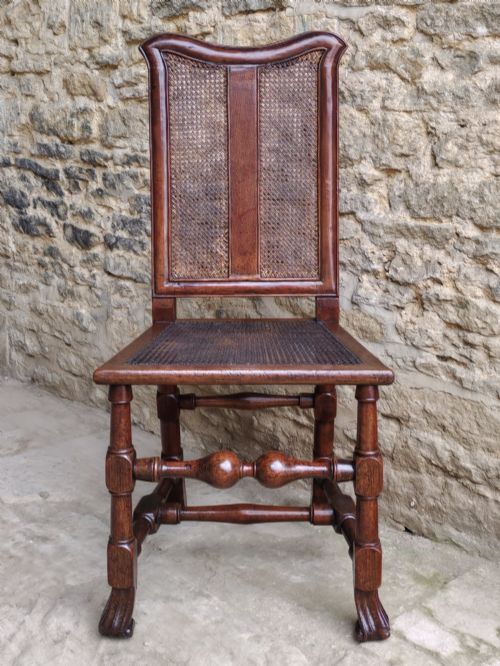
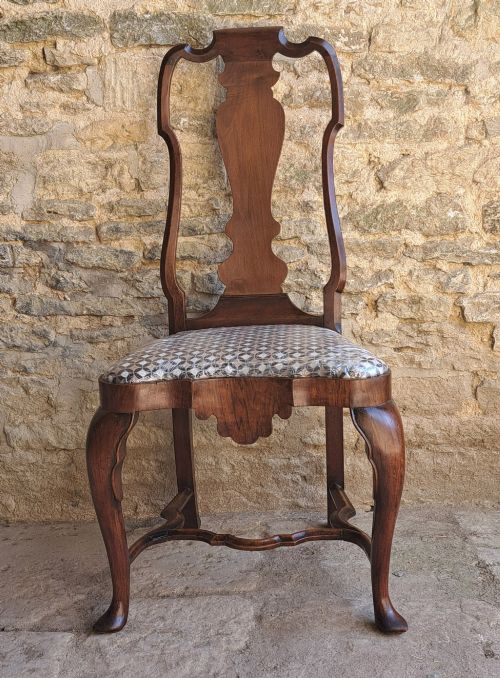
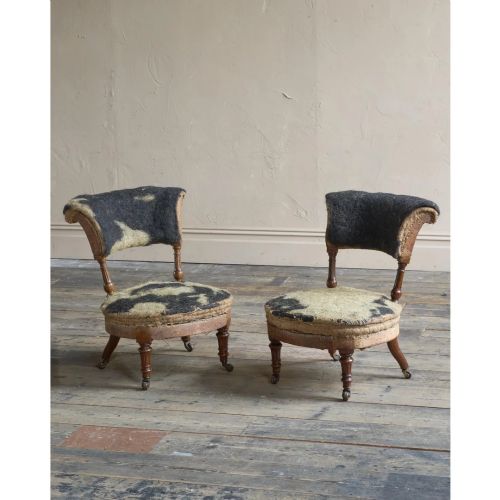
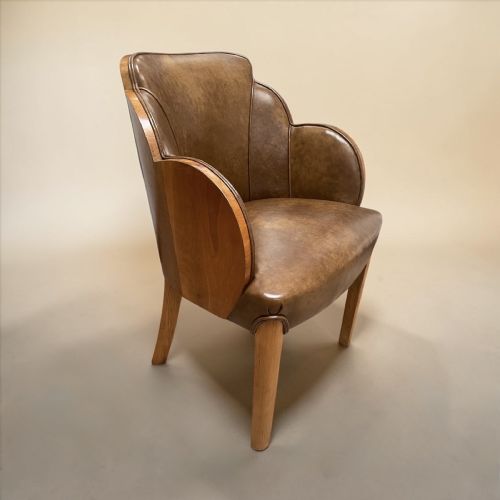
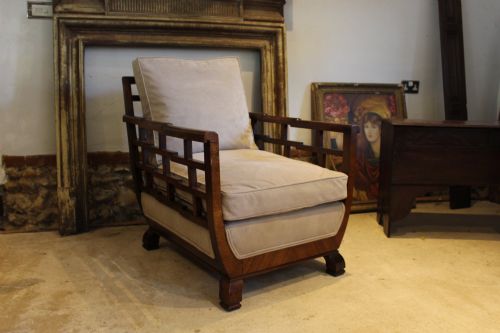
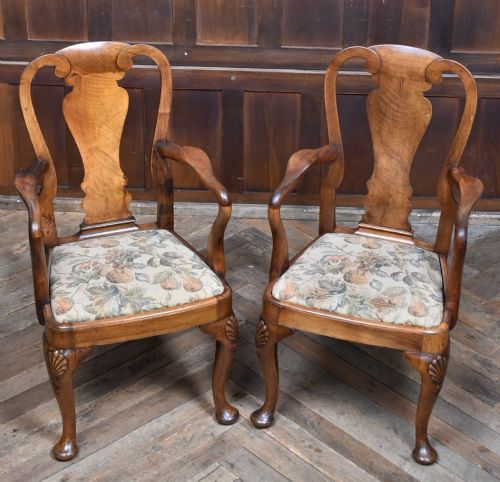
A brown walnut accent chair brings substantial historical presence to a room through dark timber frames and textured upholstery. Pieces span the seventeenth, eighteenth, and nineteenth centuries, offering seating in forms such as armchairs and hall chairs.
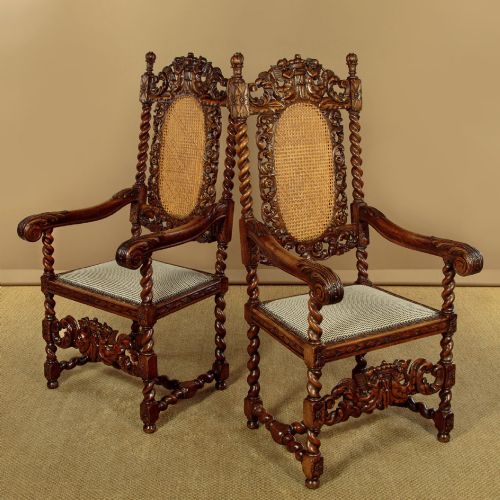
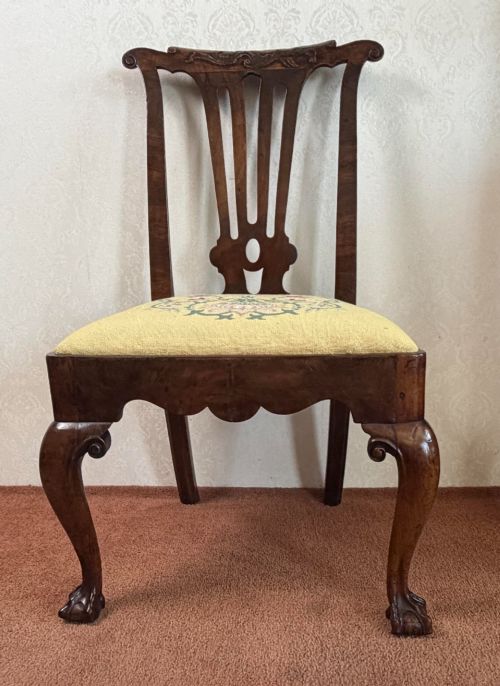
Buyers meet examples shaped by distinct historical revivals and periods, including George I, Carolean, and Louis XV Revival styles. The selection includes high wing back forms alongside decorative carved designs.
Origins stretch across English and continental European traditions, incorporating Flemish carving techniques and French country aesthetics. Each item functions as a prominent seating accent rather than a standard dining seat.
Materials and construction
Frames rely on solid walnut, shaped through extensive carving to create scrolled supports, high backs, and structural legs. Metal elements like brass appear selectively in hardware or structural reinforcement.
Retail Price Guide 2026
Typical UK retail prices for brown walnut accent chair, calculated from the Sellingantiques database of over a million retail prices indexed since 2003. This retail price guide relies exclusively on Sellingantiques data; no external sources or auction records are used, so the figures do not describe the wider market.
Certain chairs feature carved wooden curls named after sheep bones, proving that historical joiners occasionally looked to the farmyard for inspiration.
Judging quality in walnut seating
Superior examples demonstrate deep integration between the timber frame and the hand-carved ornamentation, where motifs flow naturally across the walnut. Lesser pieces show mechanical or shallow carving that lacks structural conviction.
The sophistication of the upholstery work dictates the visual tier of the piece. Fine needlework like petit point or well-preserved historical tapestry elevates an armchair far above standard commercial fabric replacements.
The Brown Walnut Accent Chair Glossary
- Walnut
- A dense, dark hardwood prized for its rich grain patterns and suitability for intricate carving. It served as the primary framing material for fine seating across three centuries.
- Petit point
- A very fine tent stitch embroidery executed on canvas, often creating detailed pictorial scenes on nineteenth-century upholstery. It requires significant time and skill to produce.
- Cane
- Woven rattan or plant material used for chair seats and backs to provide lightweight flexibility. It adds textural contrast to heavy timber frames.
- Wing back
- An armchair style featuring protective side panels designed to shield the sitter from drafts. Eighteenth and nineteenth-century versions often incorporate exaggerated proportions.
Frequently Asked Questions
How do I date a walnut armchair?
Dating relies on examining the joinery, timber patination, and stylistic markers such as carved motifs or leg shapes. Seventeenth-century frames often display simpler rectilinear geometry compared to later revival curves.
Changes in upholstery methods and textile types also help narrow down the period of production. Comparing construction details against known historical examples confirms the era.
Are these chairs suitable for daily seating?
Many historical armchairs function well for everyday use provided the frame remains structurally sound. Consideration should be given to the vintage textiles and internal padding.
Lighter decorative or carved chairs suit low-traffic display spaces better than heavy daily lounging. Professional conservation helps preserve fragile antique textiles.
How do I clean walnut frames?
Walnut frames require gentle dusting with a soft cloth to prevent dirt accumulation on carved surfaces. Wax polishes formulated for antiques help maintain the natural lustre of the timber.
Harsh modern chemical cleaners should be avoided as they strip historical patination. Moisture must be kept away from both the wood and any vintage textile upholstery.