
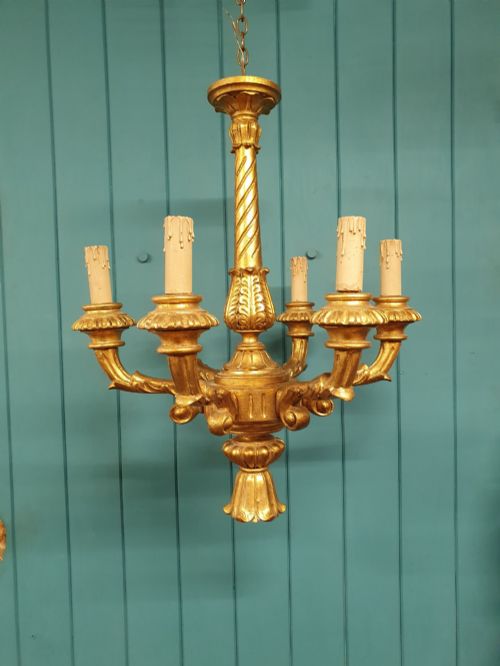


Carved Wood Pendant
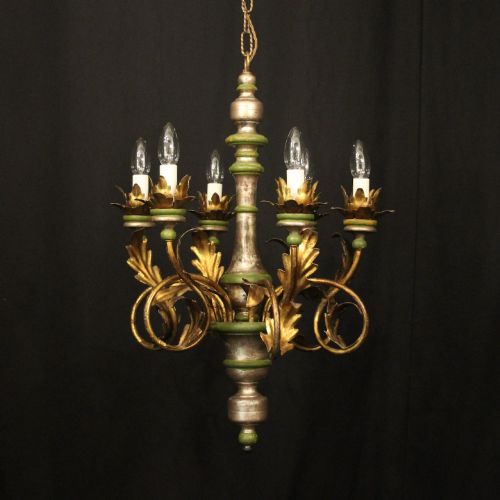
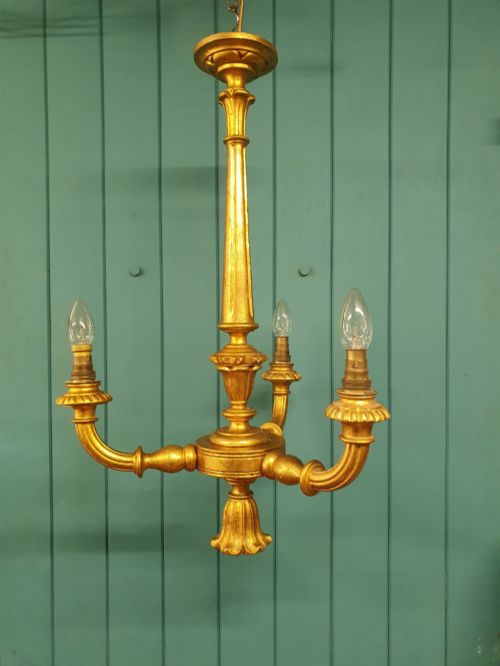
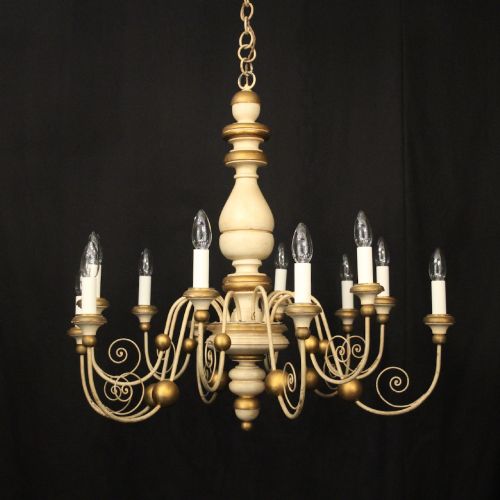
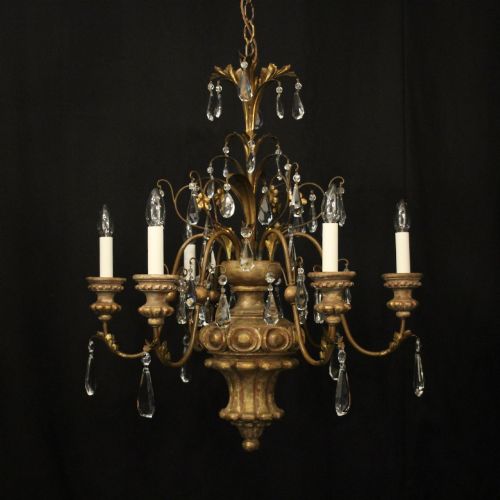
These carved wood pendant lights and fixtures bring grand Italian and French lighting into domestic spaces through elaborate gesso and gilding.
Carved Wood Pendant
A carved wood pendant search reveals large multi-light chandeliers and hanging lanterns spanning the eighteenth century through the 1930s. The selection on this page centres heavily upon Florentine and Italian giltwood designs, alongside French chateau pieces and nineteenth-century hanging lanterns.
Buyers encounter multi-arm chandeliers carrying anywhere from three to twelve lights, often finished in rich polychrome gilding or ebonised wood. Alongside these fixtures appear architectural wall sculptures and ecclesiastical Gothic carvings, demonstrating the wide variety of suspended timberwork available.
How they were made
Craftsmen shaped solid timber frames by hand before applying layers of gesso to build up intricate ornamental relief. Gilding with gold leaf or applying paint finishes completed the decorative surface, creating the luminous appearance characteristic of these hanging fixtures.
Structural elements frequently incorporated wrought iron alongside carved wood to support multi-arm configurations and heavy glass components securely. Metal and toleware elements were often integrated into the timber framework for added stability and contrasting texture.
Among the gilded timberwork hides a towering Gothic angel carved around 1700, watching over the glowing chandeliers.
What varies in quality
The finesse of the hand carving dictates the visual distinction of each carved wood pendant, separating mass-produced items from deeply undercut, expressive artisan work. Crisp detail in the gesso and the depth of the leaf gilding determine how light catches the wooden surface.
Scale and structural ambition also divide standard fixtures from monumental pieces, with larger multi-light chandeliers requiring complex joinery and robust internal ironwork. The preservation of original polychrome paint and period gilding rather than modern repainting elevates the integrity of the piece.
The Carved Wood Pendant Glossary
- Giltwood
- Timber that has been decorated with gold leaf or thin gold powder applied over a prepared gesso surface. This finish provides a warm, reflective quality suited to formal chandeliers and wall lanterns.
- Gesso
- A plaster-like mixture applied to wood surfaces to create a smooth base for carving or gilding. It allows artisans to model sharp decorative details before applying metal leaf.
- Toleware
- Enamelled or painted sheet metal frequently paired with wood and gilt components in continental lighting. It adds durable colour contrast to traditional gilded frames.
- Polychrome
- A decorative scheme employing multiple colours applied to carved timber surfaces. This technique brings vivid realism and depth to floral and figural motifs.
Carved Wood Pendant: Frequently Asked Questions
How do I hang a heavy wooden chandelier safely?
Suspension of large timber and gilt fixtures requires fixing directly into ceiling joists or structural masonry using rated hardware.
Professional installation ensures the combined weight of the carved wood, internal ironwork, and multiple lights is supported securely.
Can these antique lights be rewired for modern wiring?
Most antique hanging fixtures accommodate modern electrical standards with professional rewiring.
Qualified electricians can thread new cable through the existing frame without altering the historic exterior timber.
How do I clean a giltwood pendant light?
Dusting gently with a soft, dry brush prevents the accumulation of dirt on delicate gesso and gold leaf surfaces.
Moisture and harsh cleaning agents must be avoided entirely to protect the historic finish from lifting or fading.
What distinguishes Florentine lighting from other styles?
Florentine pieces typically feature exuberant carved scrollwork, rich gesso buildup, and heavy gilding inspired by baroque and rococo traditions.
These designs prioritise ornate floral motifs and multi-arm branching configurations designed to maximise illumination.