
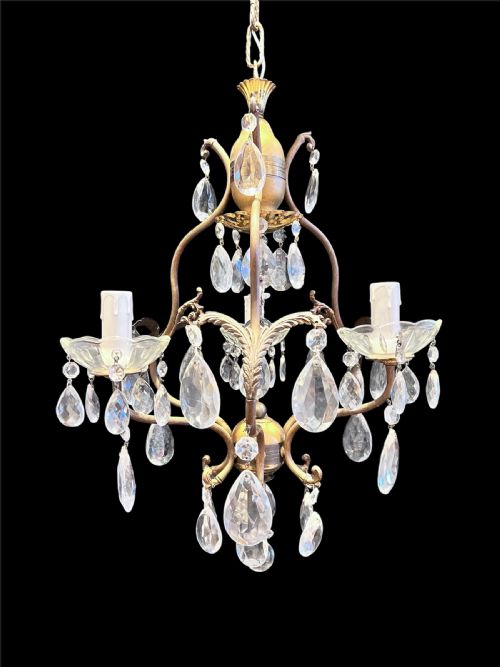
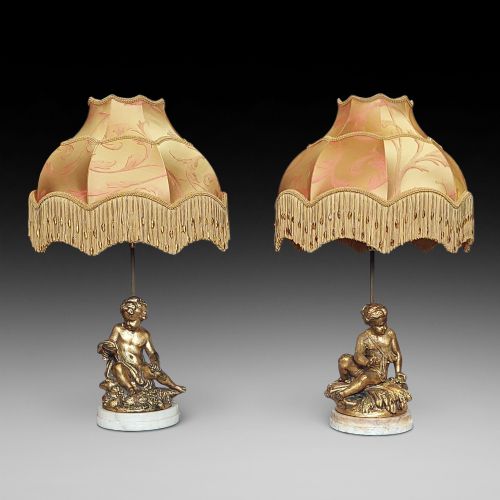


Italian Baroque Lighting
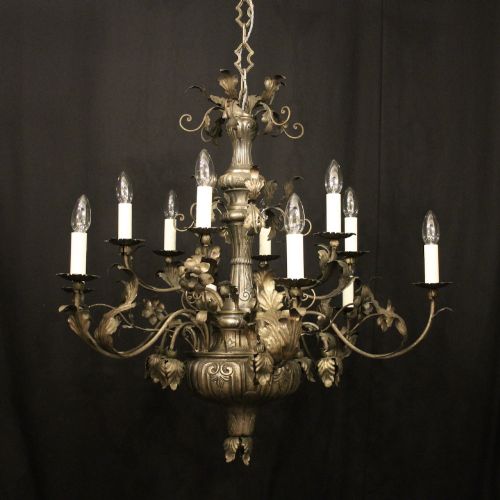
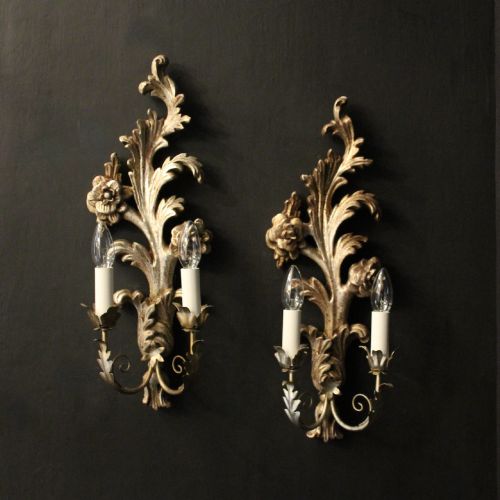
Italian baroque lighting encompasses ornate, historic fixtures that introduce dramatic flair and historic presence into a room.
How they were made
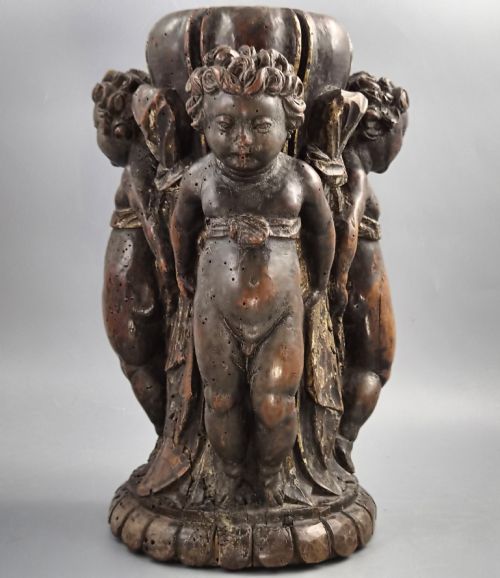
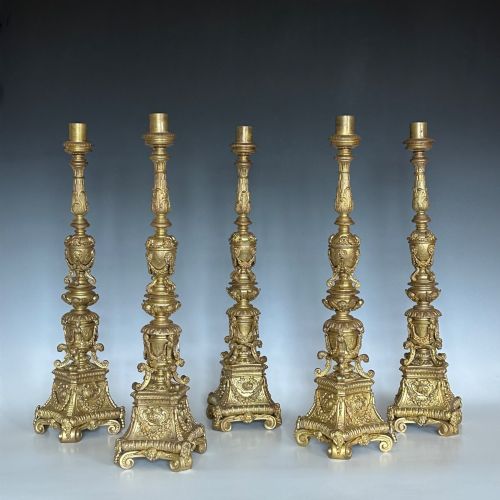
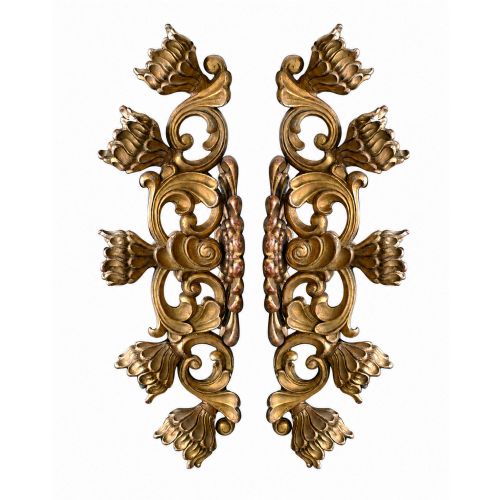
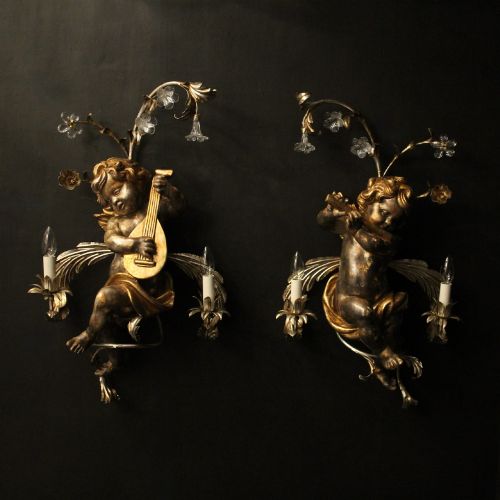
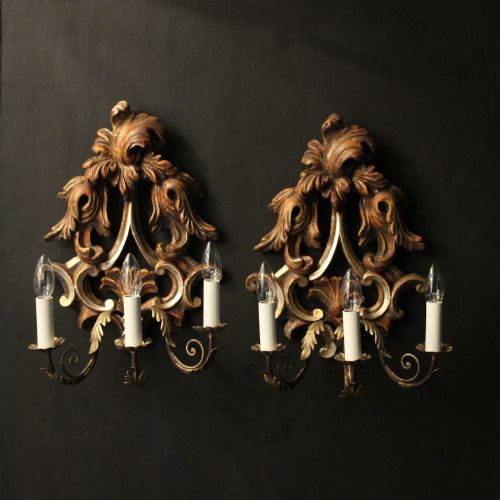
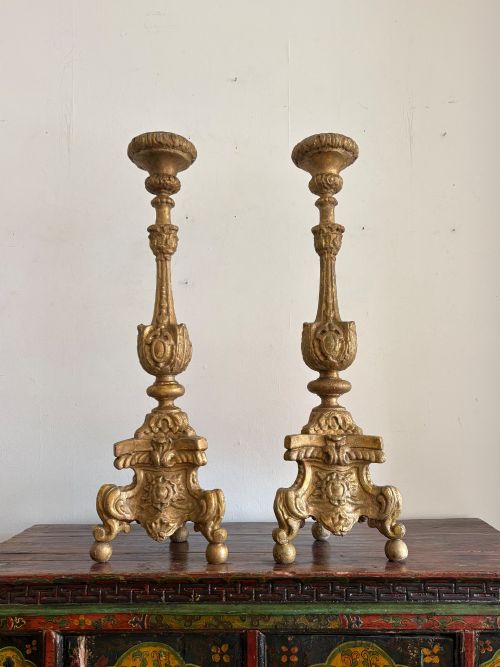
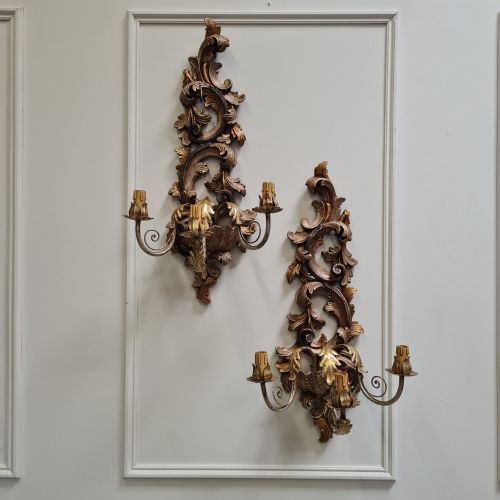
Artisans constructed these fixtures primarily from wood, employing detailed hand-carving techniques to shape walnut, pinewood, and gesso into complex organic forms, putti, and scrolling foliage. Metal components, including gilt bronze and iron, provide structural integrity and intricate decorative detail.
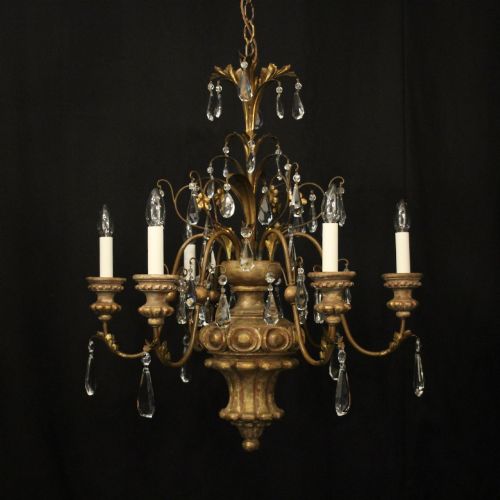
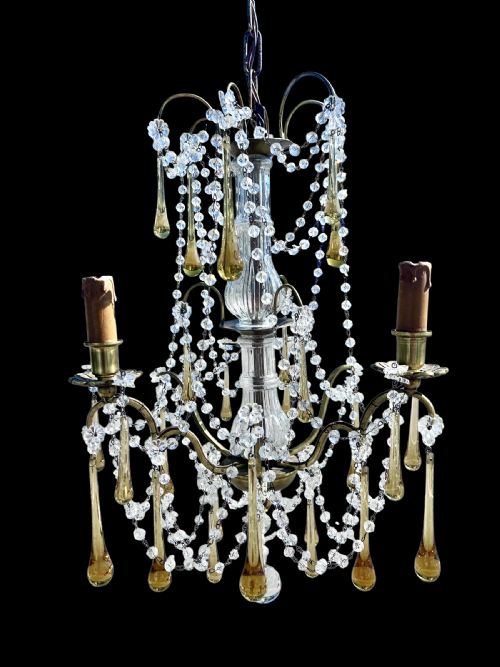
Surfaces frequently receive layers of gold leaf, silver leaf, or polychrome paint, imparting a luminous or brightly coloured finish that reflects candlelight effectively. Glass elements, such as Murano components and coloured crystals, are integrated into chandeliers and wall lights to enhance light refraction.
What varies in quality
The degree of sculptural refinement in the hand-carved wood elements largely determines the distinction between standard and exceptional pieces. Finely articulated details on figures like cherubs and putti reflect superior artisan skill compared to simpler, more generalized carving.
The preservation of original surface treatments, such as genuine gold leaf and period polychrome finishes, heavily influences the integrity of an object. Pieces retaining their original gilding without excessive modern intervention demonstrate greater historical authenticity.
Listings feature items spanning from the seventeenth century through the 1930s, utilising materials like giltwood, gesso, iron, and Murano glass.
The Italian Baroque Lighting Glossary
- Giltwood
- Wood that has been coated with a thin layer of gold leaf. This technique provides a durable and brilliant metallic finish common on baroque frames and light fittings.
- Gesso
- A plaster-like mixture applied to wood surfaces to create a smooth base for gilding and carving. It allows artisans to achieve sharp relief details before applying gold leaf.
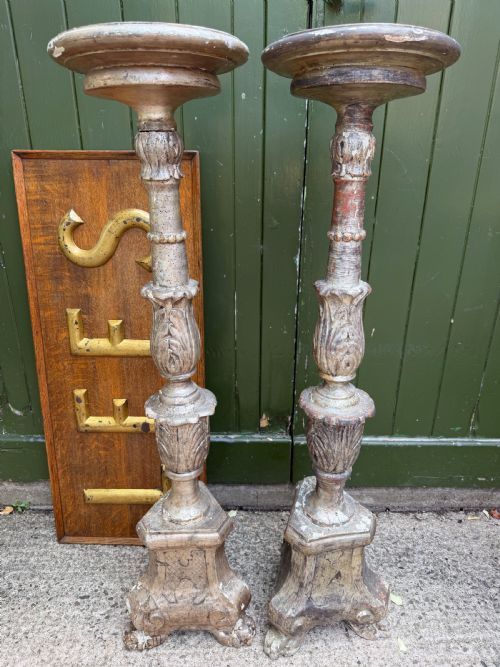
- Torchiere
- A tall standing candlestick or lamp base. Historically designed to hold a single light source high above the floor, they often feature elaborate carved pedestals.
- Putti
- Depictions of small, cherubic infants frequently used as decorative motifs in Italian baroque art. They appear carved in wood or cast in bronze supporting arms and brackets.
- Polychrome
- Painted in several colours. This decorative treatment adds vibrant hues alongside gilding on wooden wall lights and candle holders.
Italian Baroque Lighting: Frequently Asked Questions
How do I clean an antique giltwood wall light?
Dust surfaces gently with a soft, dry brush to prevent accumulation without disturbing delicate leaf layers.
Avoid liquid cleaners and harsh chemicals entirely, as moisture can damage historical gilding and gesso foundations.
Can these antique chandeliers be wired for modern electricity?
Many multi-arm chandeliers and wall sconces are adapted for contemporary electrical standards by professional restorers.
Rewiring should be handled carefully to preserve internal channels and historic wiring paths within the metal or wooden arms.
What is the difference between a torchiere and a standard lamp?
A torchiere originates as a tall candlestick stand designed for directional upward illumination in historic spaces.
Standard lamps represent later adaptations or twentieth-century interpretations built to function as upright floor lamps.
Where were most of these Italian lighting fixtures made?
Production centres include Venice and Florence, regions renowned for skilled woodcarving, metalworking, and glass production.
Workshop traditions in these areas shaped the distinct regional styles seen in mirrors, furniture, and lighting.