


Carved Wood Nightstand
These carved wood nightstand pieces combine practical bedside storage with centuries of cabinet-making craft, offering authentic period character for the home.
Carved Wood Nightstand
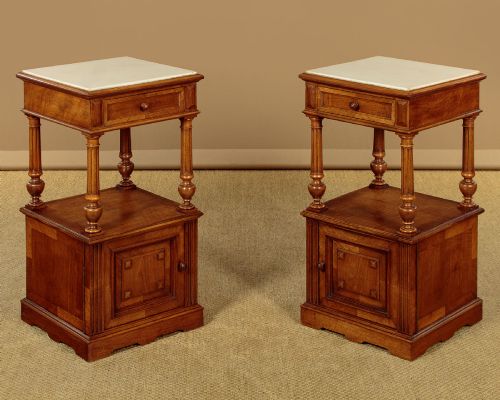
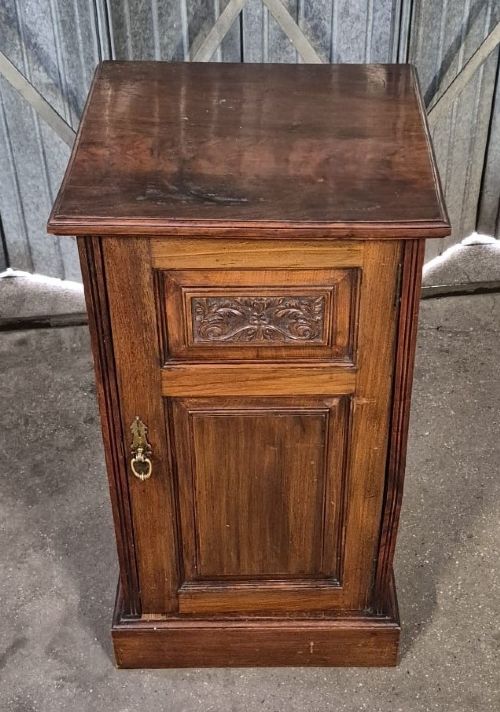
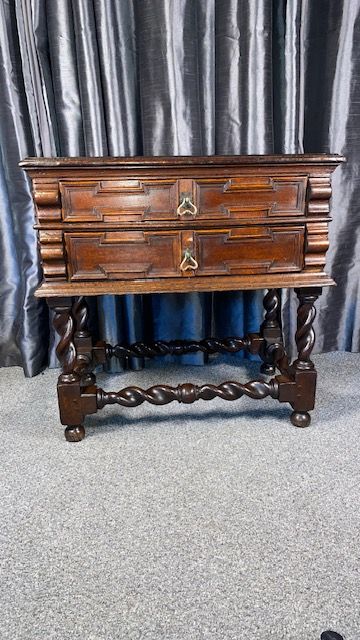
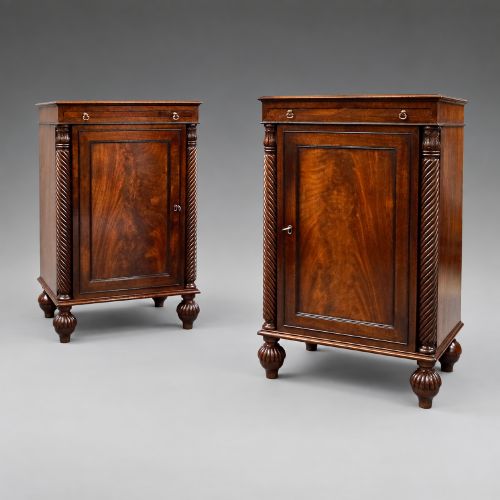
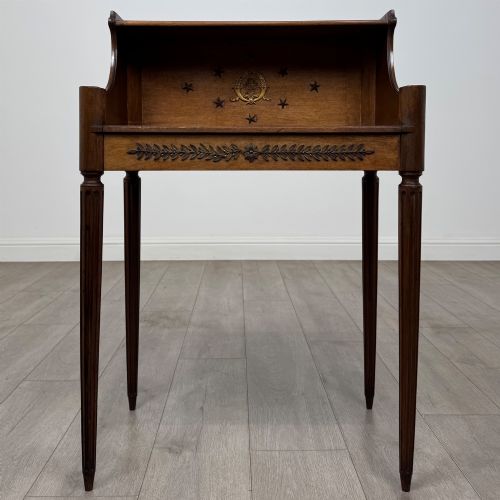
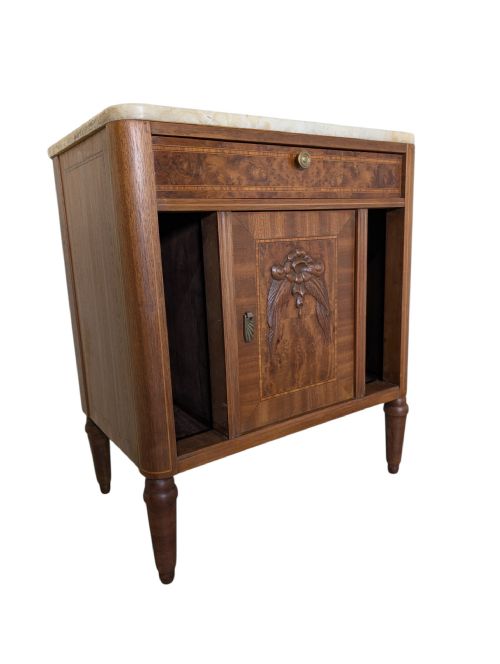
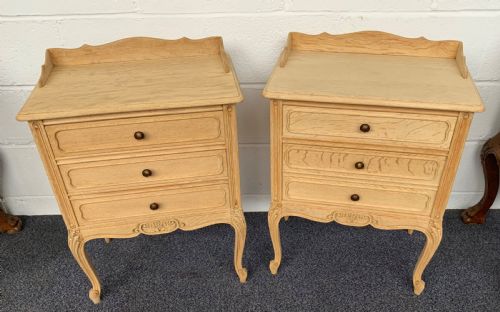
A carved wood nightstand encompasses various compact bedside tables, cupboards and cabinets originating from the eighteenth century through to the early twentieth century. These pieces appear in styles ranging from Georgian and Regency to Edwardian and Victorian iterations, frequently taking the form of enclosed bedside cabinets or open side tables.
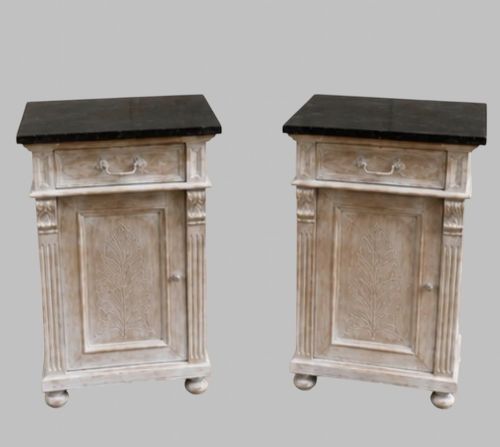
The most common examples on this page date from the Victorian and Edwardian periods, alongside nineteenth-century French and Italian designs. Makers utilised traditional forms such as pot cupboards, two-tier side tables and tray top surfaces to serve the bedroom.
Materials and construction
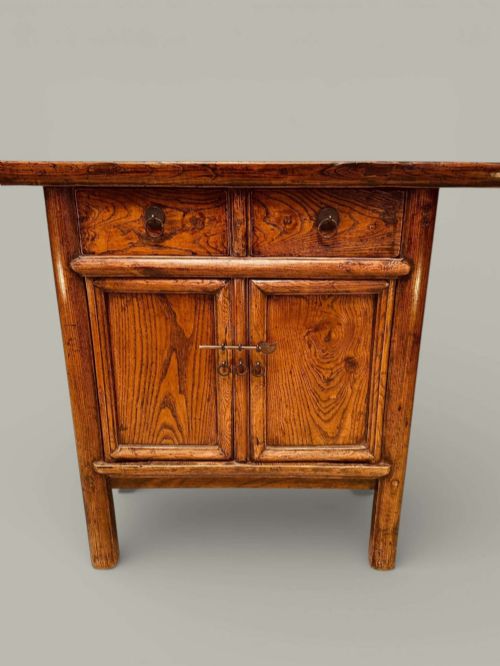
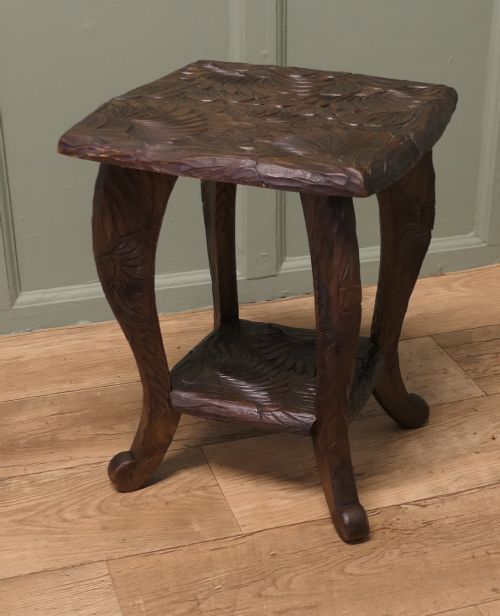
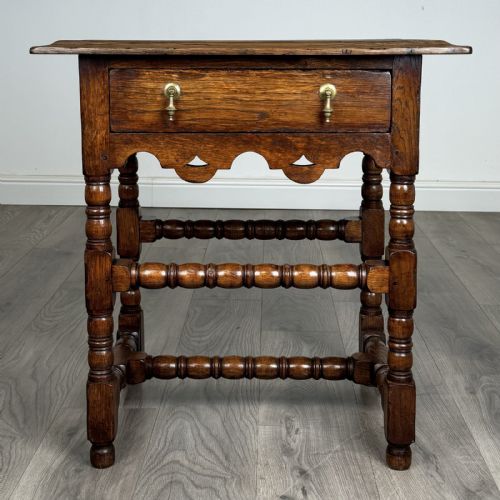
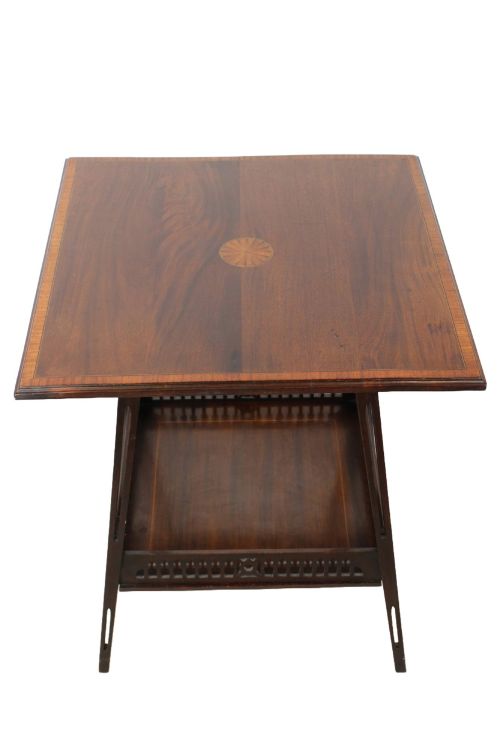
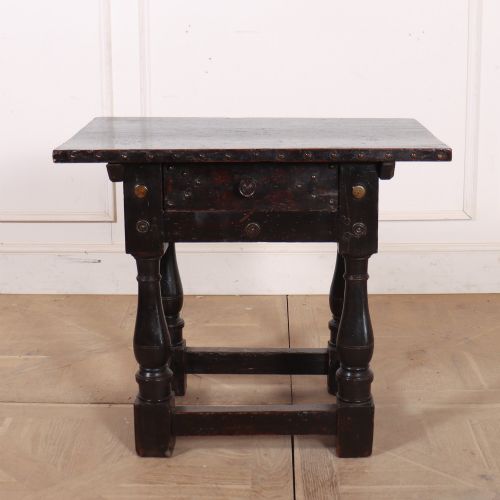
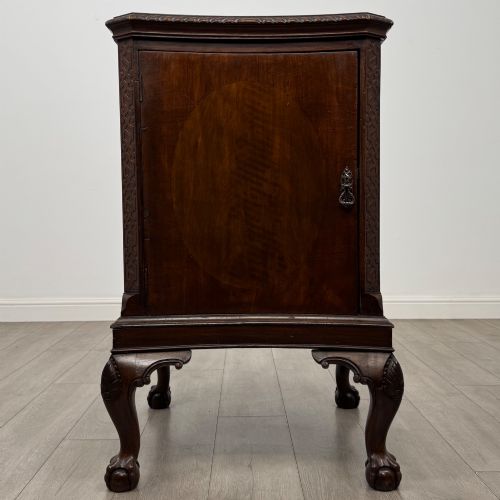
Cabinet makers constructed these pieces primarily using dense hardwoods like mahogany, walnut, burr walnut and oak, occasionally incorporating secondary woods such as ash or elm. Surfaces frequently display intricate details including brass galleries, inlaid woodwork, bobbin turned legs and carved elements.
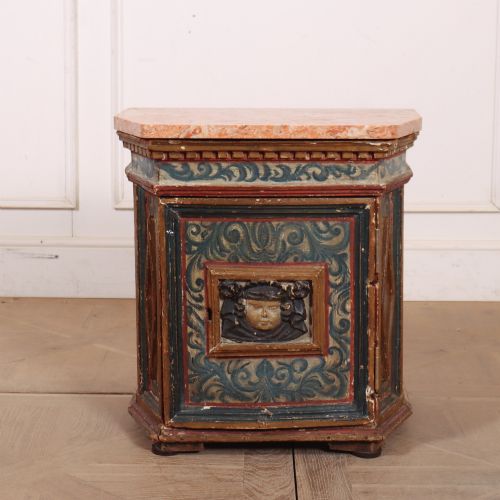
Italian and French regional examples frequently feature painted finishes or inset marble tops, while English workshops prioritized polished mahogany and figured walnut veneers. Joinery relied on traditional techniques suited to compact case furniture and side tables.
Carved Wood Nightstand Retail Price Guide 2026
Typical asking prices for carved wood nightstand among the pieces listed under this phrase on Sellingantiques today, from the lower quarter to the upper quarter. They describe what is for sale here now, not the wider market.
An eighteenth-century elm close stool disguised as a small Georgian bedside chest offers a remarkably discreet place for domestic storage.
Evaluating the pieces
Quality rests upon the selection of timber, the crispness of any hand carving and the integrity of the original construction. Pieces utilising figured burr walnut or dense mahogany sit at a higher level than standard utilitarian items.
The sophistication of secondary details, such as inlaid stringing, solid brass hardware and well-fitted cupboard doors, distinguishes standard production from finer workshop output.
James Shoolbred·Trevor Page & Co·Liberty & Co·Heals
The Carved Wood Nightstand Glossary
- Pot cupboard
- A small bedside cabinet originally designed to enclose a chamber pot. These enclosed pieces typically feature a single door above a concealed interior compartment.
- Gallery
- A raised decorative border running along the edge of a tabletop. This feature prevents items from rolling off the surface.
- Tray top
- A tabletop finished with a raised moulded rim resembling a serving tray. This form secures small objects placed beside the bed.
- Drop leaf
- A hinged tabletop flap that folds down when not in use. This mechanism allows the surface area to expand or contract flexibly.
Carved Wood Nightstand: Frequently Asked Questions
What is a carved wood nightstand?
A carved wood nightstand is a small antique bedside table, cabinet or cupboard constructed from timbers like mahogany, walnut and oak. These pieces provide compact surface space and storage beside a bed.
They encompass diverse historical styles from eighteenth-century Georgian designs to Edwardian and Victorian productions, often featuring turned legs, inlaid details or marble tops.
How were antique nightstands used?
Historically, these compact cabinets functioned as bedside storage for chamber pots, personal items, lamps and night-time necessities. Enclosed cupboards kept bedroom items discreetly hidden from view.
Open side tables and two-tier variants held candles, books and water jugs within easy reach of the bed before electric lighting became standard.
How do I style a nightstand?
Integrating an antique carved wood nightstand into a modern interior involves balancing its rich wood tones and historical character with simpler surrounding decor. The piece works well alongside contemporary beds to add tactile warmth and texture.
Pairing the cabinet with a small lamp or a simple ceramic dish allows the carved details and timber grain to remain the visual focal point of the bedside.
How to tell periods apart?
Distinguishing between periods relies on observing characteristic woodwork styles, hardware and proportions. Eighteenth-century and Regency pieces often display restrained classical lines, whereas Victorian and Edwardian examples frequently incorporate heavier turned supports or intricate inlaid veneers.
French and Italian regional variants from the nineteenth century commonly introduce painted finishes or fitted marble surfaces that differ from standard English cabinet-making traditions.