




Carved Walnut Pedestal Cabinet
A carved walnut pedestal cabinet brings rich timber grain and compact utility to a room, offering sturdy enclosed storage scaled for daily use.
Carved Walnut Pedestal Cabinet
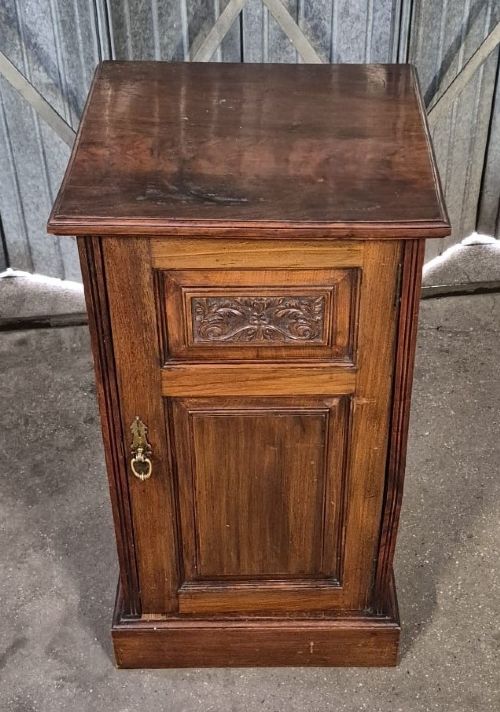
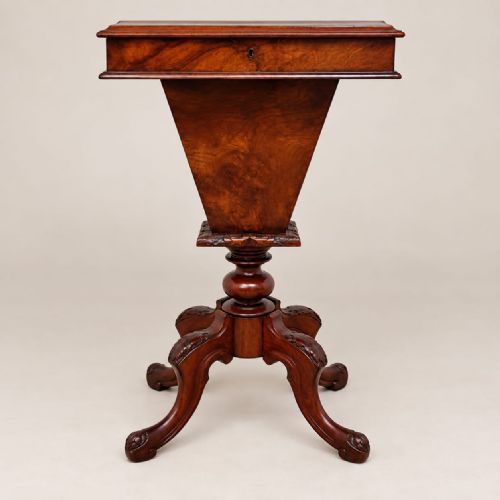
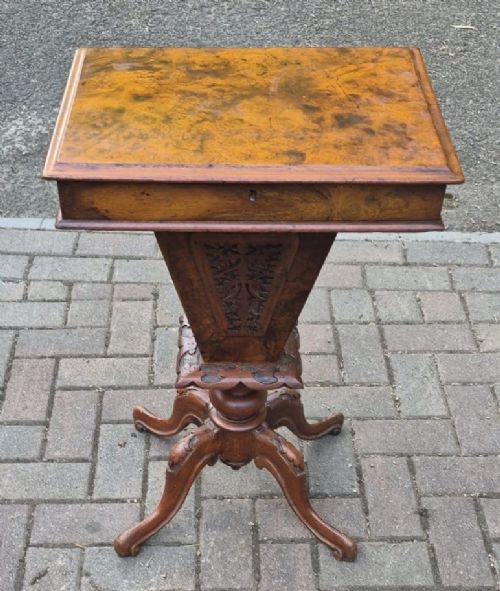
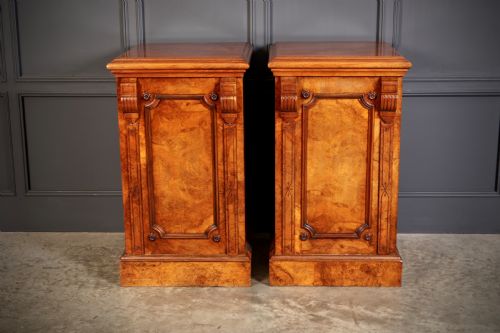
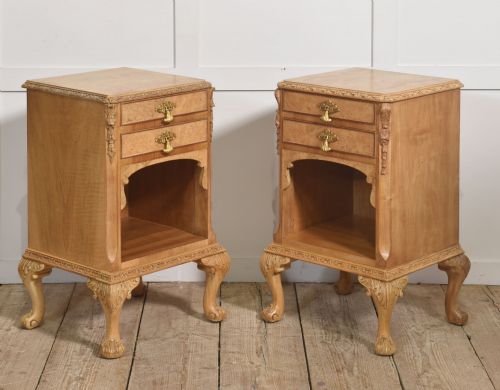
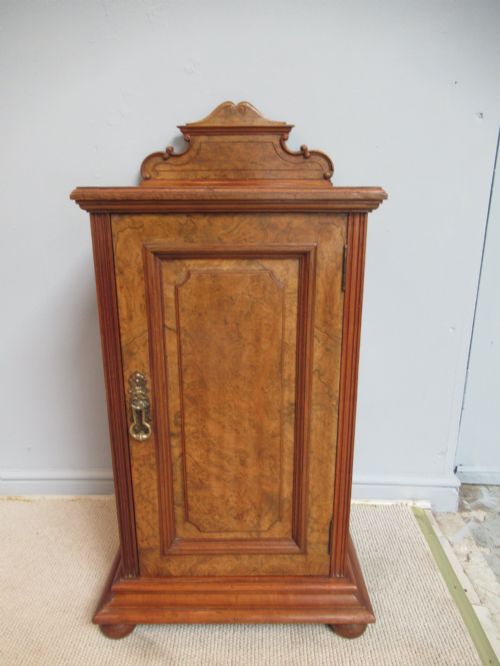
When you search for a carved walnut pedestal cabinet, you enter a field dominated by Victorian examples alongside select pieces from the eighteenth and early twentieth centuries. These functional items range from bedside lockers and lamp tables to larger pedestal cupboards and desks.
Materials and construction
Cabinetmakers utilised solid walnut and decorative veneers like burr and figured walnut over secondary timbers, often pairing the warm brown wood with brass hardware, ormolu mounts, and inset leather writing surfaces.
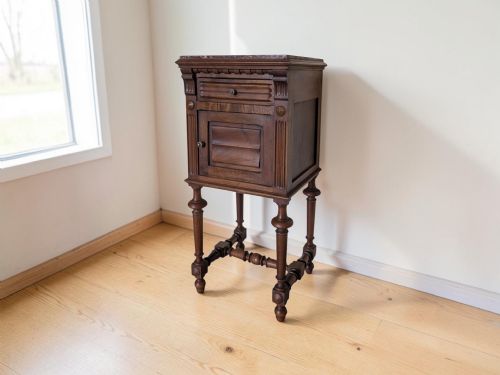
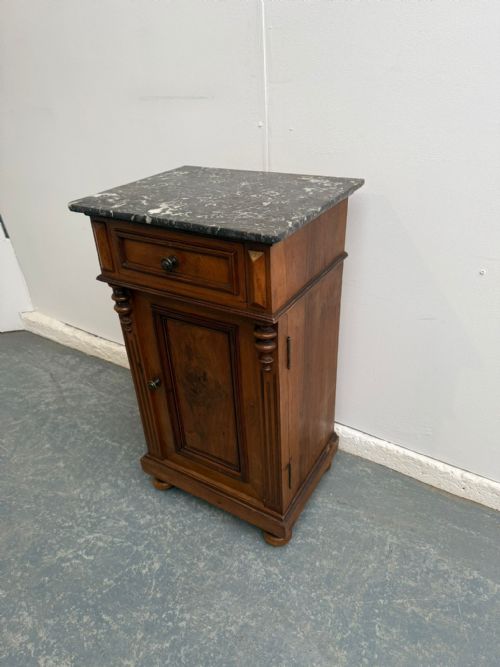
Construction techniques combine traditional joinery with surface embellishments such as floral marquetry inlay, carved mouldings, and occasionally barley twist turnings on French night tables.
Carved Walnut Pedestal Cabinet Retail Price Guide 2026
Typical asking prices for carved walnut pedestal cabinet among the pieces listed under this phrase on Sellingantiques today, from the lower quarter to the upper quarter. They describe what is for sale here now, not the wider market.
Listings feature walnut cabinets spanning from the 18th century through the Victorian era up to the 1920s, incorporating marble tops, brass fittings, and mirror elements.
Distinctions in quality
The standard of a carved walnut pedestal cabinet rests on the selection of the timber veneer, where richly figured burr walnut and balanced marquetry panels elevate the piece significantly above plain surfaces.
Refinement in the hand-carving and the integration of quality mounts, such as original brass or ormolu details and fitted marble tops, mark the distinction between standard utilitarian items and superior examples.
The Carved Walnut Pedestal Cabinet Glossary
- Burr walnut
- A veneer taken from the knotted growth of a walnut tree, prized for its swirling, highly figured grain patterns. It creates a striking decorative surface on cabinet doors and tops.
- Pedestal cabinet
- A freestanding, single-column cupboard designed for storage, frequently used beside a bed or as a small side table. These pieces often feature a single door enclosing interior shelves.
- Marquetry
- The art of applying pieces of veneer to a structure to form decorative patterns and pictures. Floral designs are commonly inlaid into the walnut surfaces of Victorian cabinets.
- Ormolu
- Gilded bronze mounts applied to furniture for decorative effect, often seen on finer nineteenth-century pieces. It provides a bright metallic contrast to dark walnut timber.
Carved Walnut Pedestal Cabinet: Frequently Asked Questions
Where should I place a pedestal cabinet?
These compact cupboards sit well beside a bed or next to a sofa as a lamp table. Their enclosed storage keeps small items neatly out of sight.
The flat top surface safely holds a reading lamp, a glass, or decorative objects while taking up minimal floor space.
How do I care for walnut furniture?
Keep walnut pieces away from direct heat sources and strong sunlight to prevent the timber and veneers from drying out or fading. Regular dusting with a soft, dry cloth maintains the finish.
Apply a traditional wax polish occasionally to nourish the wood and preserve the natural lustre of the grain.
Are these cabinets sturdy enough for daily use?
Nineteenth and early twentieth-century pedestal cabinets were built for practical everyday utility using dense hardwoods. Their solid construction handles routine opening and closing without trouble.
Marble tops on certain models also provide a durable, heat-resistant surface that withstands frequent contact from lamps and water jugs.
How can I tell the period of a walnut cabinet?
Dating relies on observing construction methods, hardware types, and stylistic hints such as Victorian Gothic elements or Queen Anne revival curves. Timber selection and inlay styles also offer clear clues to the decade of manufacture.
Later revival pieces from the early twentieth century often mirror earlier Victorian forms but utilise slightly different internal framing and secondary woods.