

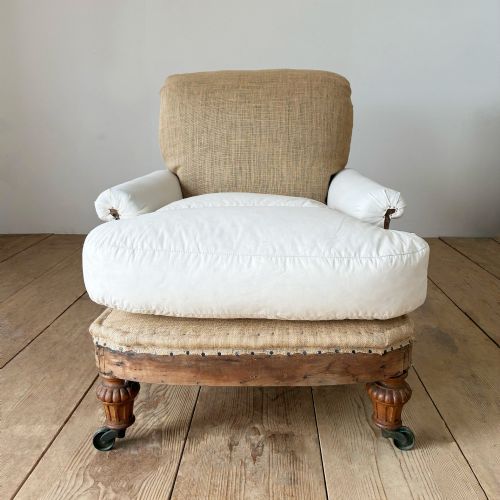
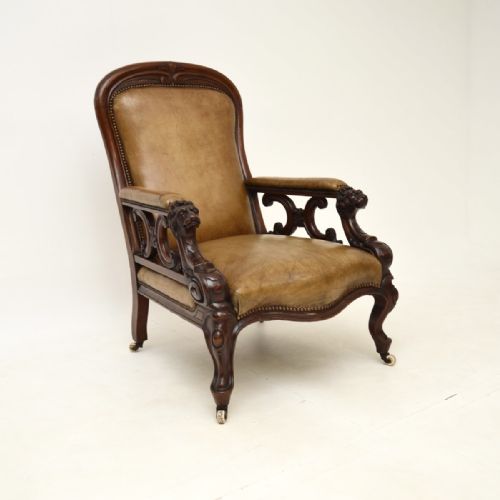
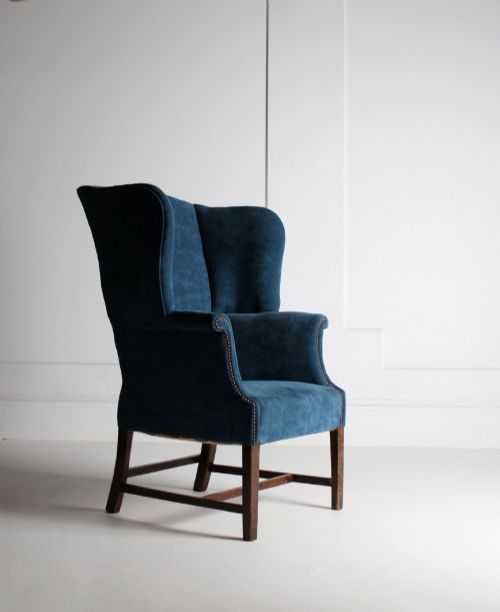
Carved Wood Library Chair
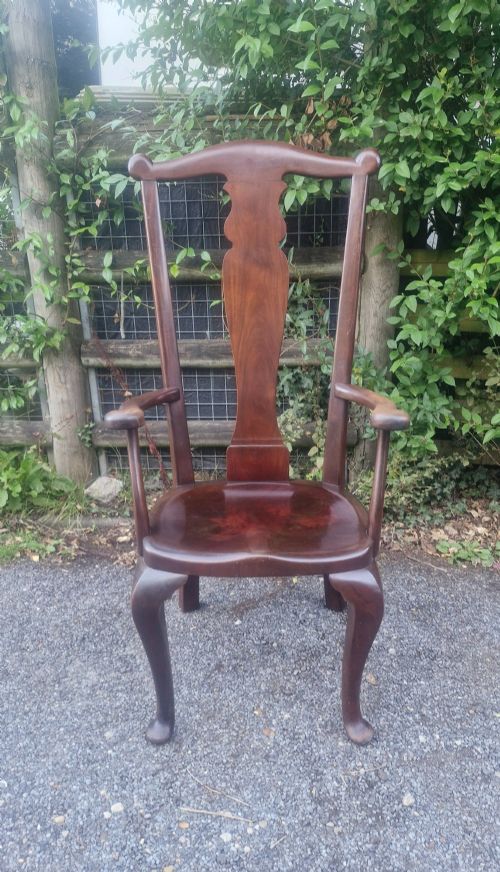
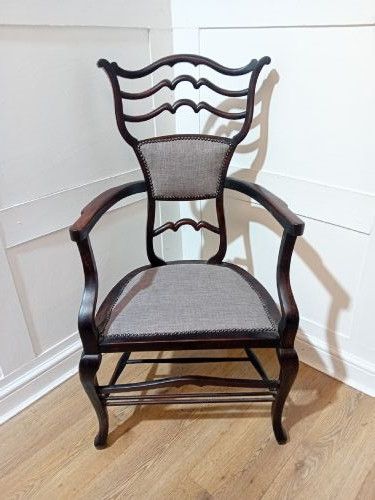
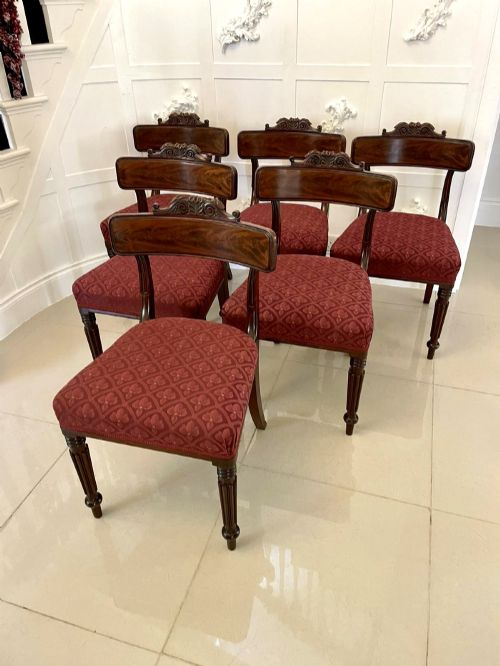
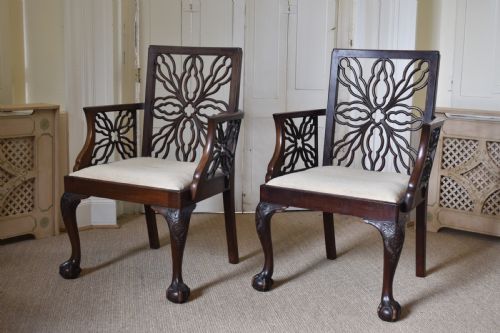
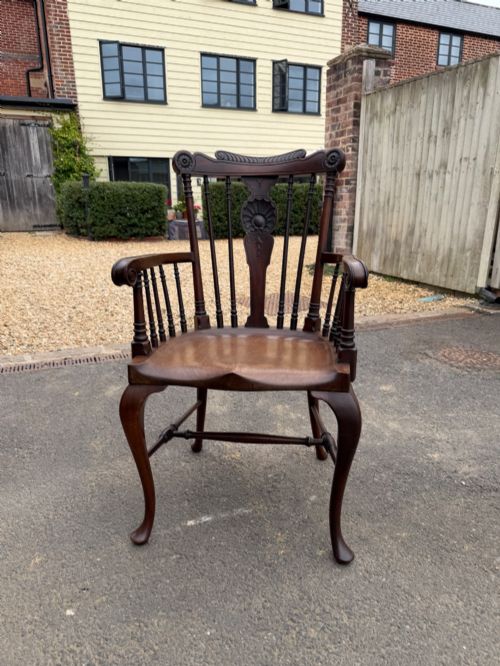
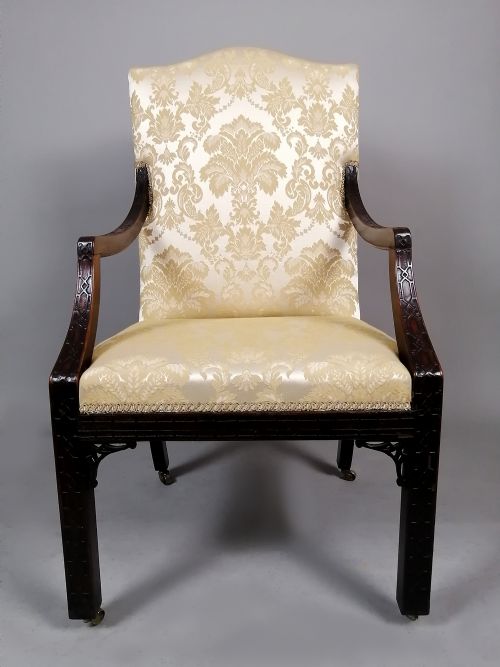
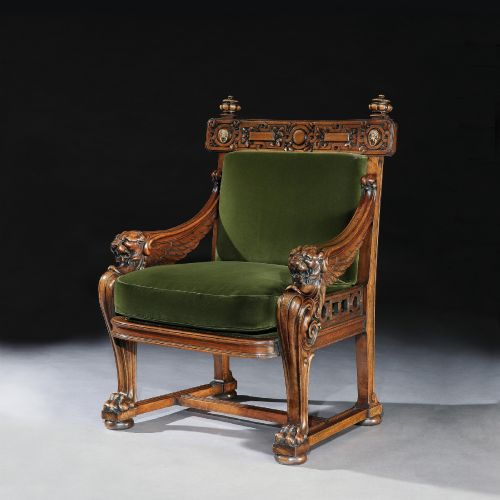
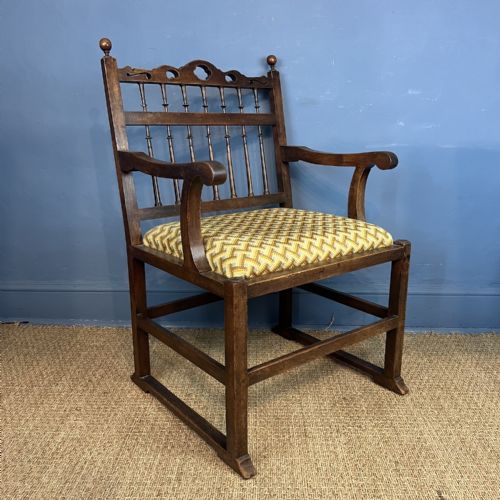
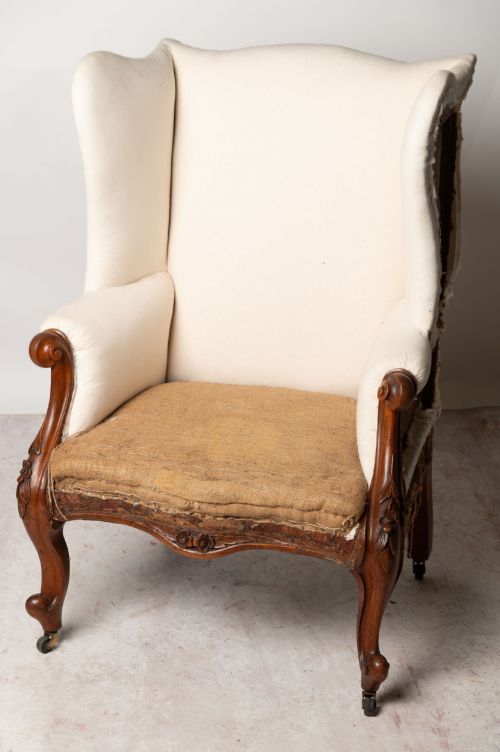
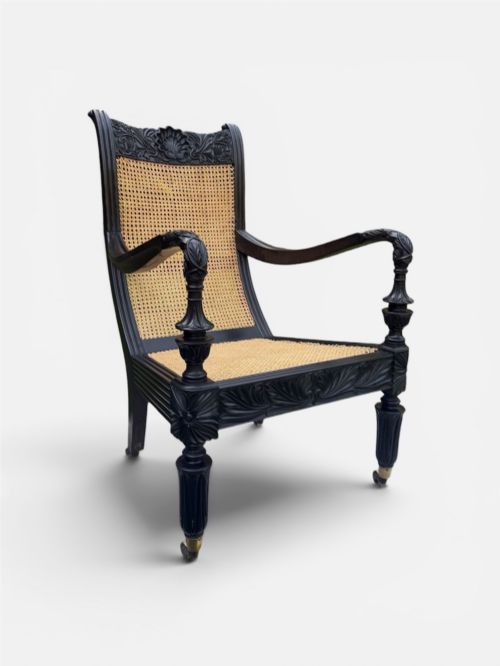
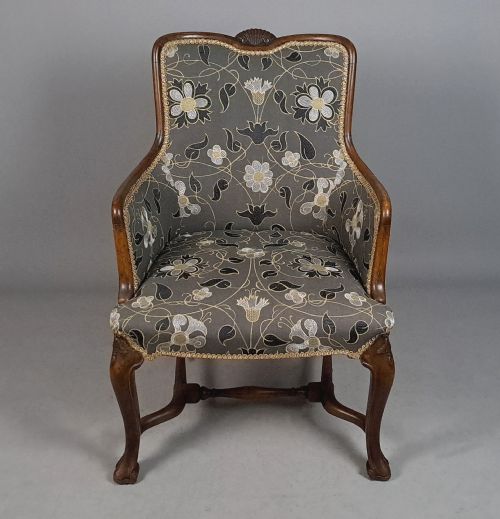
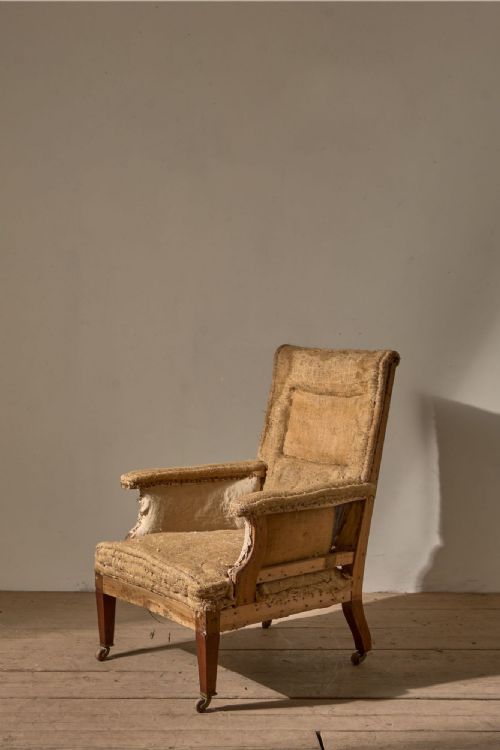
These carved wood library chair pieces offer sturdy seating designed for reading rooms, appearing frequently in Victorian and nineteenth century iterations.
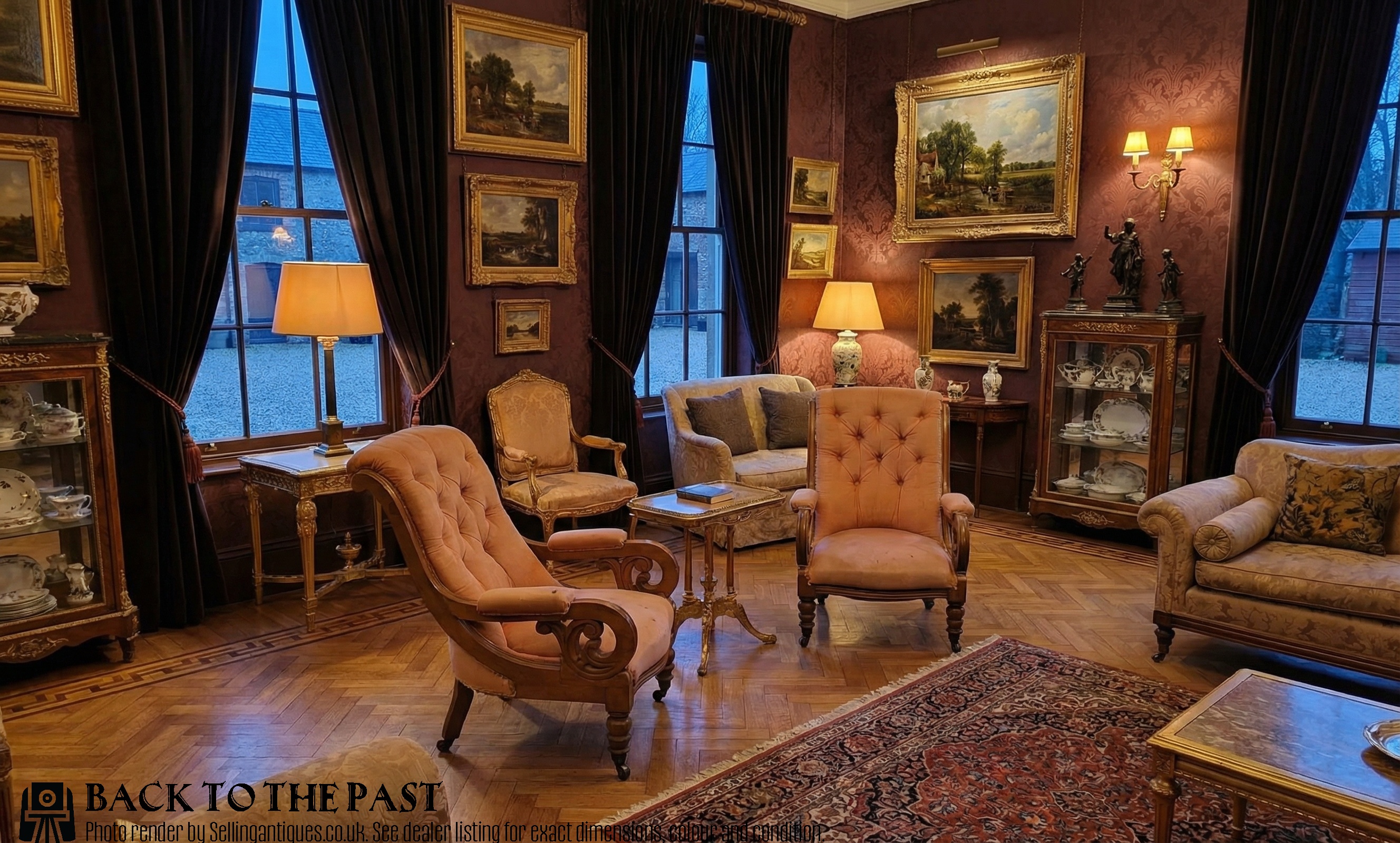
Materials and Construction
Frames rely primarily on dense hardwoods such as mahogany, walnut, rosewood, oak, and solid yew wood. Carving is executed directly into the timber, revealing crisp detailing along arms, crest rails, and legs.
Upholstered versions integrate supportive internal webbing and stuffing, traditionally finished with leather, velvet, fabric, or textiles. Brass elements frequently appear as castors, tacks, or decorative mounts to facilitate movement and finish the design.
Distinctions in Quality
The standard of carving dictates much of the distinction between ordinary seating and exceptional library chairs. Crisp, deeply undercut foliage, armorials, or figural elements demonstrate the hand of a skilled carver rather than mechanical or shallow shaping.
Timber selection and frame integrity separate basic production from superior craftsmanship. Heavy, dense woods combined with robust joinery ensure that the chair retains its structural firmness over generations of daily use.
Carved Wood Library Chair Retail Price Guide 2026
Typical asking prices for carved wood library chair among the pieces listed under this phrase on Sellingantiques today, from the lower quarter to the upper quarter. They describe what is for sale here now, not the wider market.
Revival styles represented across the inventory include Queen Anne, Chippendale, Jacobean, and Edwardian Empire influences.
Gillows
The Carved Wood Library Chair Glossary
- Monopodia
- A carved furniture support resembling a single animal leg, often ending in a paw or claw. This classical motif appears on nineteenth century library chairs influenced by ancient designs.
- Fauteuil
- An open armchair with upholstered back and armrests, typically featuring exposed wooden framing. French examples of this type bring lighter proportions to a study interior.
- Bobbin turned
- A style of woodturning characterised by a series of rounded, spool-like shapes carved along structural members like stretchers and legs. It provides a tactile, repeating decorative rhythm.
- Wingback
- A high backed armchair with sheltering side panels designed to block draughts and retain heat from a fireplace. These chairs offer an enclosed, comfortable seat for reading.
Carved Wood Library Chair: Frequently Asked Questions
What defines a library chair?
A library chair is a sturdy, comfortable seat traditionally built for reading, writing, or studying in a home library. These chairs often feature robust wooden frames and upholstered components to support long periods of sitting.
Many examples incorporate writing arms, desk configurations, or ergonomic proportions suited to reading rooms and private studies.
How do I care for leather upholstery?
Leather upholstery benefits from regular dusting and occasional treatment with appropriate conditioning creams to prevent drying and cracking. Avoiding direct sunlight and intense heat sources helps preserve the natural suppleness of the hide.
Keeping the material clean ensures the leather retains its character and ages gracefully over decades of use.
Where were these chairs placed?
These chairs were primarily positioned in domestic libraries, studies, reading parlours, and gentlemen's offices. Their construction was intended to complement heavy wooden bookcases, writing desks, and architectural panelling.
Today, they transition easily into modern home offices, living rooms, and quiet reading corners.
How are different periods identified?
Periods are identified by examining the timber species, construction methods, and stylistic revival motifs present in the woodwork. Victorian pieces often display heavy carved mahogany or walnut, while Edwardian versions may show lighter revival styling.
Comparing structural details and upholstery styles helps place a chair within its historical manufacturing era.