


Red Velvet Reading Chair
A red velvet reading chair brings warmth and traditional comfort to a room, offering a supportive seat designed for long hours with a book.
Red Velvet Reading Chair
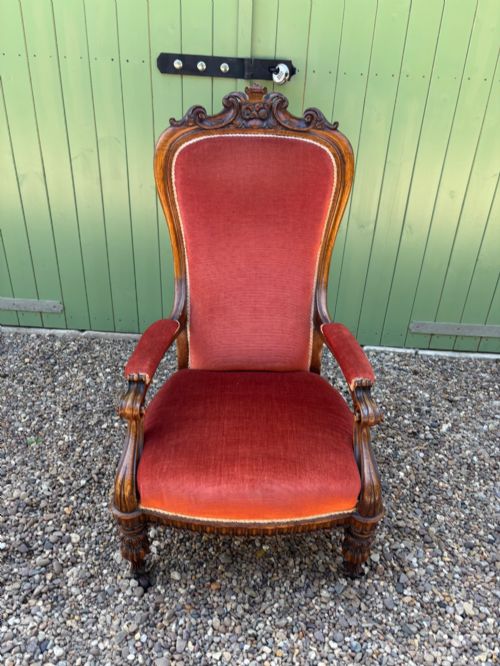
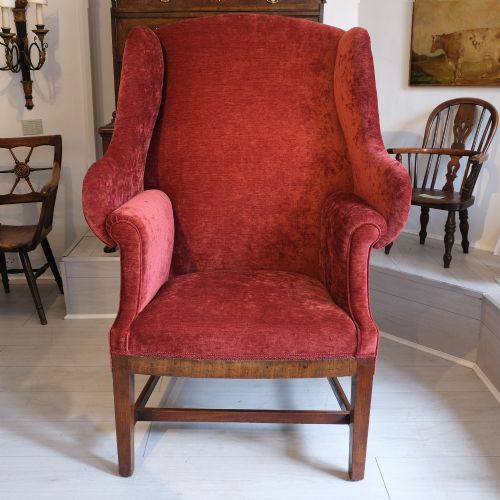
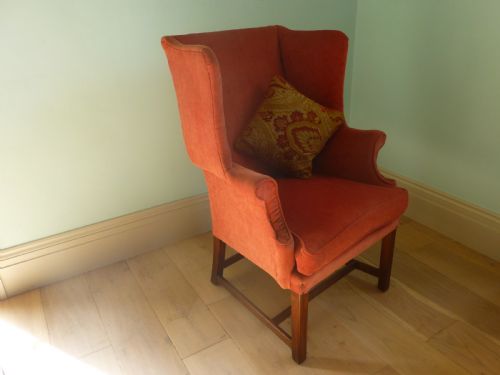
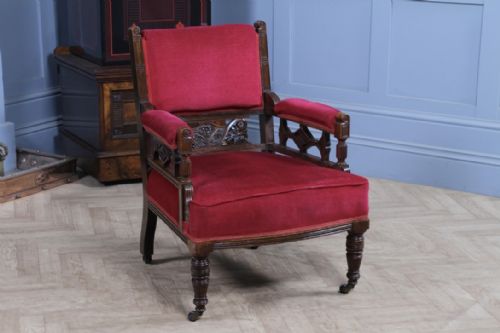
A red velvet reading chair encompasses upholstered armchairs, wingbacks, and library seats spanning from the Georgian and Victorian eras through to the early twentieth century. When exploring a red velvet reading chair, you encounter forms ranging from high-backed wing chairs designed to shield against draughts to low-slung occasional parlour seats and open armchairs.
Materials and construction
Frames rely on sturdy timbers including mahogany, walnut, oak, and general hardwood, chosen for their structural strength and durability. These wooden supports are often shaped with carved details, cabriole legs, or exposed mahogany and walnut moulding along the arms and frame.
Upholstery techniques bring together traditional stuffing and sprung interiors finished with soft velvet or chenille fabrics. Brass castors and decorative brass tacks frequently appear on nineteenth-century pieces to aid mobility and secure the textile edges.
High wings were originally invented to trap heat from the fire, proving that nineteenth-century drafts were serious business.
Assessing quality and craftsmanship
Quality rests primarily in the timber selection and the integrity of the frame construction, where dense hardwoods like mahogany and walnut indicate a superior build. Finer examples display crisply carved woodwork and well-proportioned silhouettes that balance decorative elegance with structural stability.
The execution of the upholstery work further distinguishes superior pieces, visible in the hand-pleated fabric tension and the resilience of the internal springing. Chairs retaining their original timber frames and authentic period upholstery materials generally command greater appreciation among collectors.
HOWARD AND SONS
The Red Velvet Reading Chair Glossary
- Wingback armchair
- An upholstered seat featuring protective side panels, known as wings, originally designed to block cold draughts and retain fireplace heat. These high-backed forms offer distinct privacy and support.
- Victorian
- A design period spanning the reign of Queen Victoria, characterised by diverse revivals of earlier styles and robust, comfortable domestic furniture. Pieces from this era often feature rich timber frames and plush textile coverings.
- Georgian
- A period encompassing the eighteenth century under the Hanoverian kings, noted for refined proportions and classical restraint. Furniture from this era often incorporates mahogany or walnut with subtle carved ornamentation.
- Open armchair
- A wooden seat featuring exposed arms without upholstered padding along the sides, allowing for a lighter visual profile. These chairs are frequently encountered in parlour and library settings.
- Mahogany
- A durable tropical hardwood prized for its deep reddish-brown colour and fine grain, widely utilised in quality British furniture-making. It provides exceptional stability for intricate carving.
Red Velvet Reading Chair: Frequently Asked Questions
What defines a reading chair?
A reading chair is typically an upholstered armchair or wingback designed for sustained comfort, offering supportive armrests and a comfortable seat height.
These pieces often feature high backs or enclosed sides to create a private, cosy spot dedicated to quiet study or relaxation.
How do I date a wingback chair?
Dating a wingback chair involves examining the shape of the wooden legs, the timber species, and the construction methods used in the frame. Georgian examples often display lighter proportions and straight or cabriole legs, while Victorian versions tend to be heavier with darker wood finishes.
Secondary woods used inside the frame and the style of the stretchers also provide reliable clues regarding the period of manufacture.
Where should I place a velvet armchair?
A velvet armchair suits a variety of spaces, from a traditional library or study to a quiet corner of a drawing room. Its rich texture works particularly well alongside wooden bookcases and ambient lighting.
Positioning the chair away from direct, strong sunlight helps preserve the deep colour and pile of the velvet over time.
What is the difference between Georgian and Victorian chairs?
Georgian chairs generally exhibit restrained classical lines, lighter frames, and meticulous attention to fine timber selection like mahogany or walnut. Their design prioritises elegance and proportion.
Victorian chairs tend to be more robust and generously padded, often reflecting a revival of earlier historical styles with elaborate carvings and darker wood finishes.