
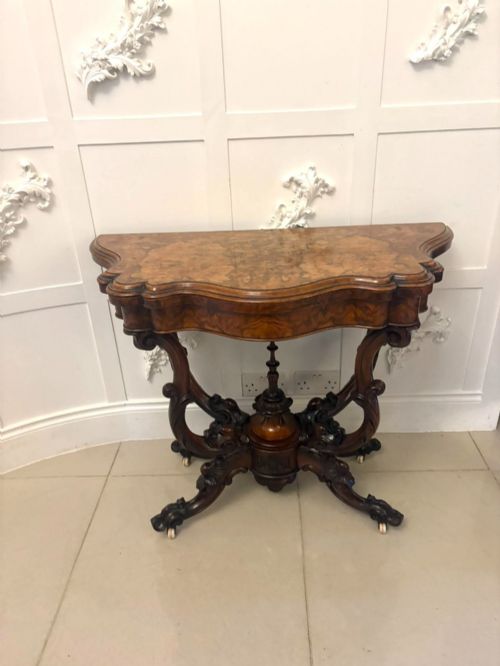
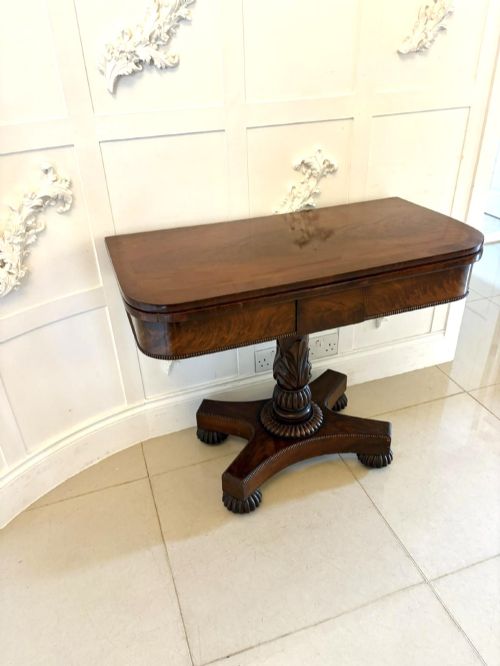
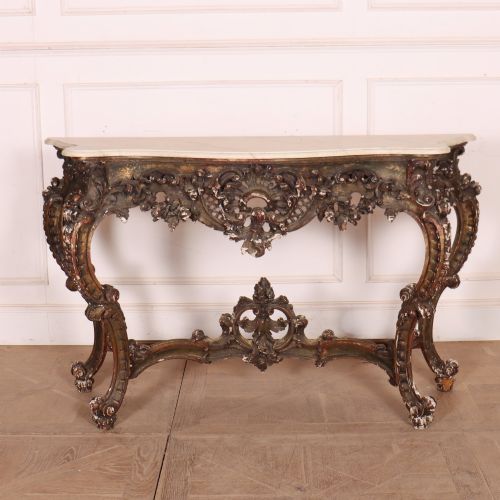
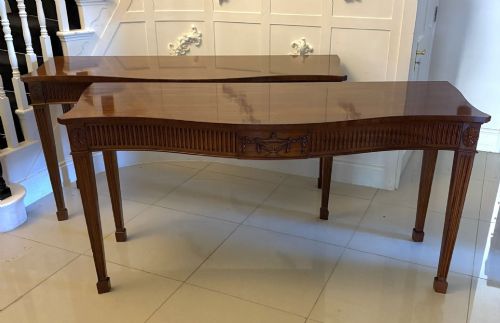
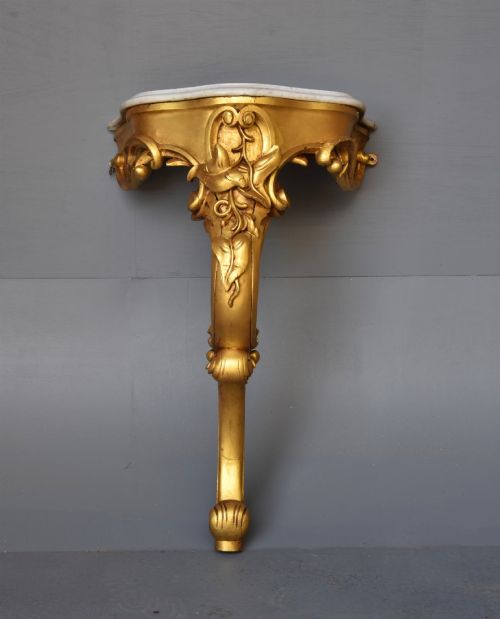


Carved Wood Console
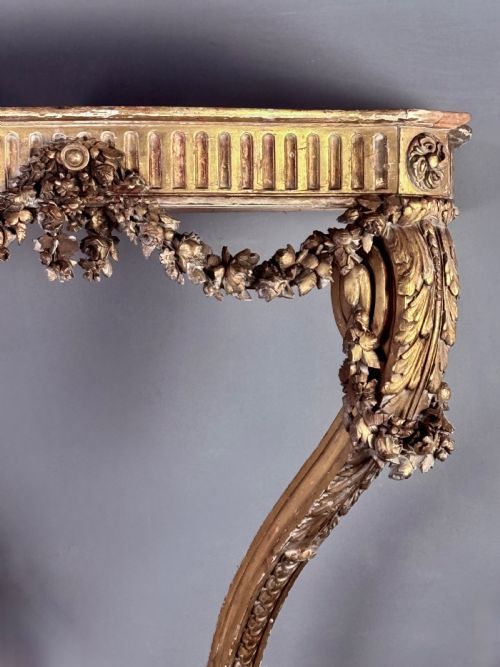
A carved wood console brings dramatic silhouette and architectural weight to an interior, drawing the eye directly to ornate woodwork and polished stone tops.
Carved Wood Console
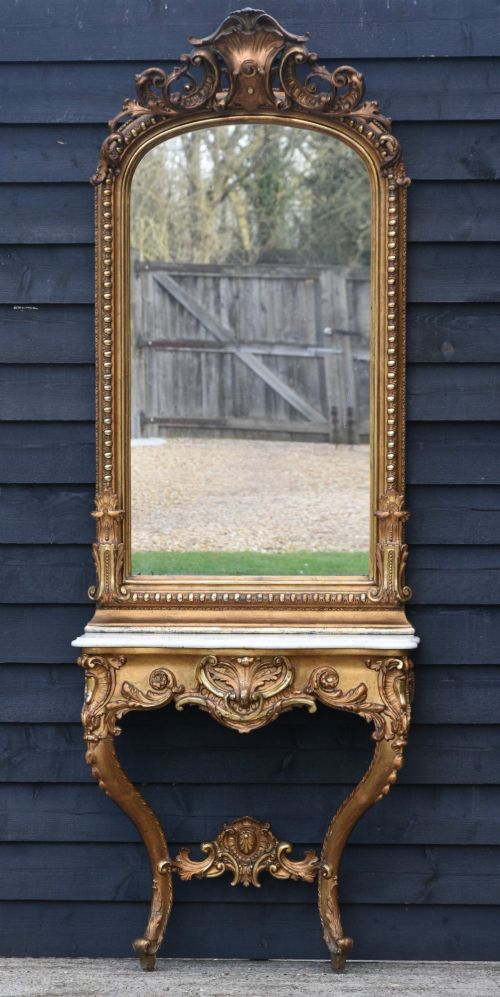
When searching for a carved wood console, you encounter tables designed to sit flush against a wall or to stand freely as part of a formal room layout, often accompanied by matching pier mirrors.
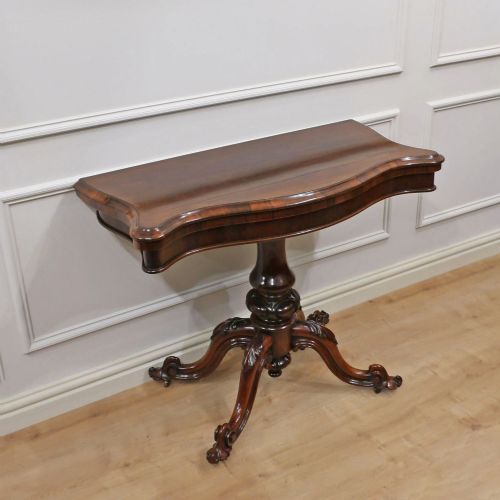
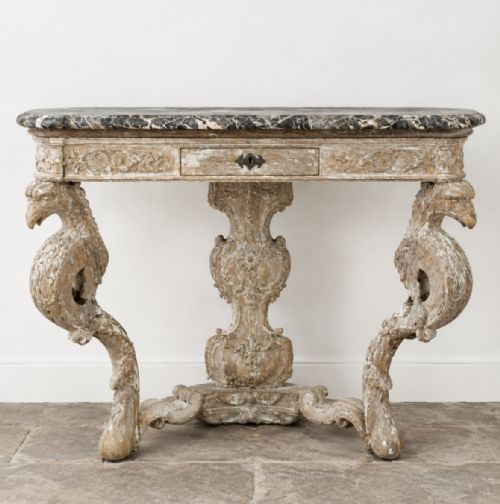
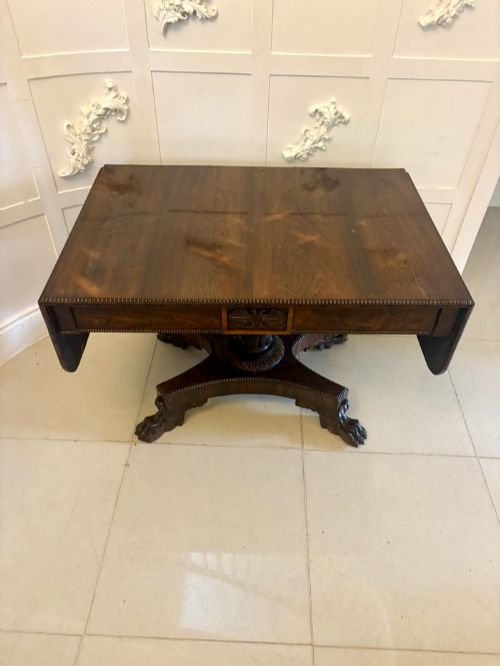
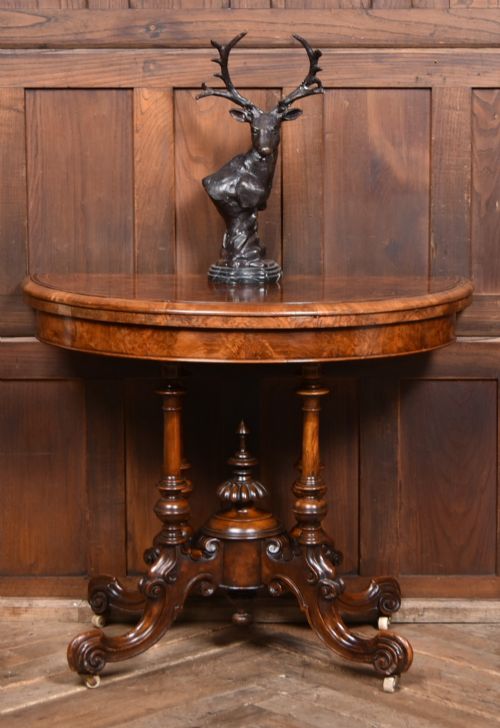
The selections span from 18th century Italian giltwood examples to Victorian rosewood and walnut iterations, encompassing variations like card tables, side tables, and wall brackets.
French styles heavily influence the offerings, particularly Rococo and Louis-inspired designs featuring shaped marble tops and intricate relief work.
Materials and Construction
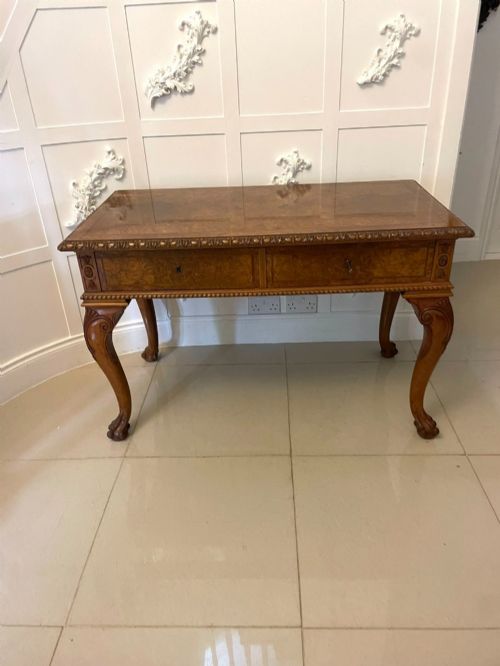
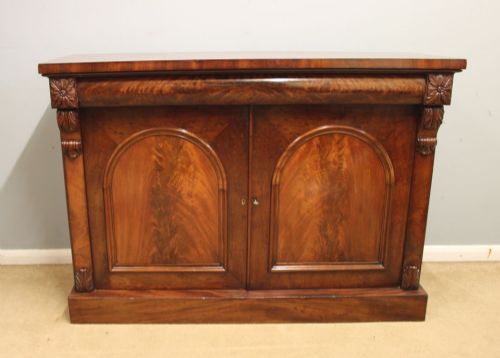
Cabinet makers utilised dense hardwoods such as mahogany, walnut, rosewood, and oak for structural stability, allowing artisans to execute deep, crisp relief carvings along the friezes and legs.
Many formal pieces feature gilded surfaces applied over gesso or wood, while others incorporate contrasting elements like brass inlay, painted finishes, and heavy marble or onyx slabs inset into the frames.
Cherubs occasionally peer out from beneath the timber frames, keeping a watchful eye on the hallway post.
Assessing Craftsmanship
Quality rests heavily on the depth and definition of the carving, where hand-tooled execution reveals crisp undercut foliage and organic motifs rather than soft, moulded contours.
The choice of secondary timbers, the integration of heavy stone tops, and the balance of proportion between the carved base and the upper surface distinguish standard production from exhibition pieces.
Felix Alfred Ternisien·Amleto Bertoni
The Carved Wood Console Glossary
- Console table
- A table designed to be fixed against a wall, frequently supported by two front legs and secured with wall brackets.
- Giltwood
- Timber coated with gold leaf or gold paint over a prepared gesso base. This finish is characteristic of formal continental pieces.
- Pier table
- A low table designed specifically to stand against the wall beneath a pier glass or wall mirror.
- Marquetry
- Decorative patterns created by fitting different veneers into a wooden surface. It appears on various table tops.
- Serpentine front
- A furniture front curving outward in the centre and inward at the sides, often seen on French and Italian tables.
Carved Wood Console: Frequently Asked Questions
Where should I place a console table?
These tables find their traditional home in hallways, entryways, or living rooms positioned flat against a prominent wall.
They work effectively beneath large mirrors or artwork, serving as a surface for lamps and decorative objects without blocking movement through a room.
How do I care for a marble top?
Marble surfaces require gentle cleaning with mild, pH-neutral soap and warm water to protect the polished stone from acidic etching and staining.
Using coasters and mats helps preserve the historic finish against daily wear and moisture.
Are these tables freestanding?
While many console tables are structurally designed to be wall-mounted for safety and stability, others are built as freestanding pieces with finished backs.
Wall-mounted variants generally rely on brackets or fixings to remain upright due to their heavy stone tops.
How do I date a carved console?
Dating relies on observing the combination of timber species, carving styles, and construction techniques relative to known historical periods.
For example, giltwood pieces with heavy Rococo scrollwork frequently point to the 18th century or 19th century revivals, while rosewood card tables often align with the Victorian era.