


Carved Wood Clock
A carved wood clock brings warmth and character to a room, combining practical timekeeping with the rich texture of traditional craftsmanship.
Carved Wood Clock
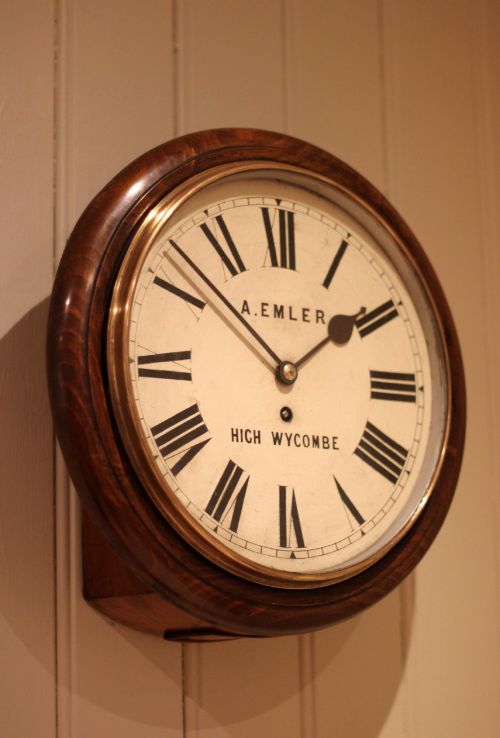
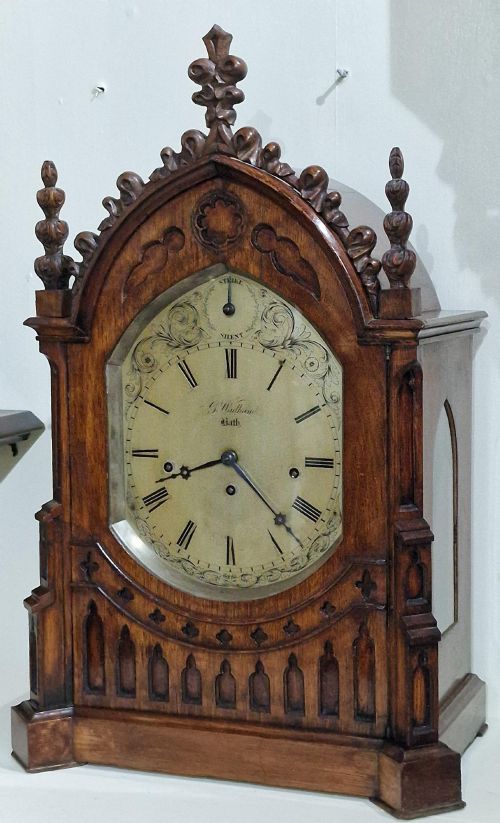
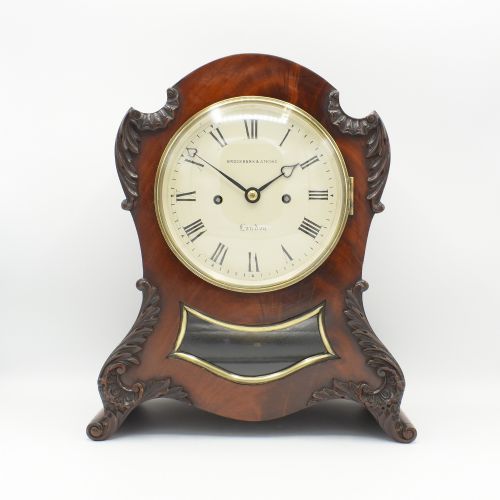
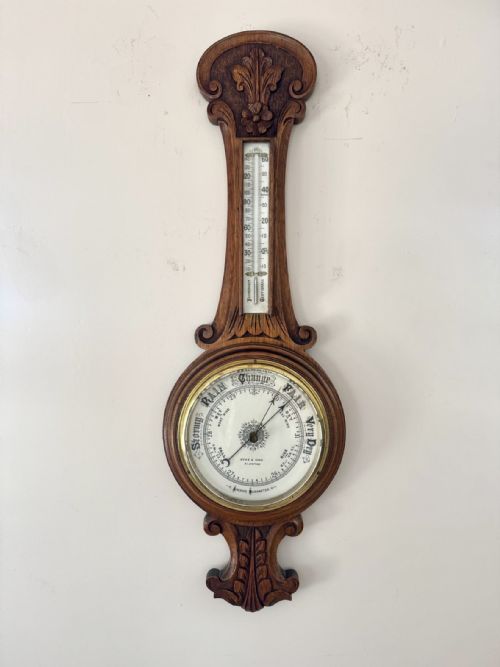
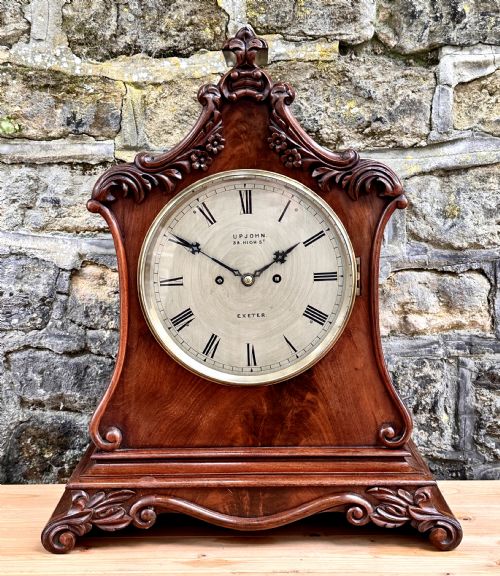
A carved wood clock encompasses a wide variety of timepieces and barometers spanning several centuries, featuring styles from Regency elegance to robust Black Forest and Victorian designs. Buyers searching this phrase encounter everything from wall-hung dial clocks and mantel pieces to substantial longcase clocks.
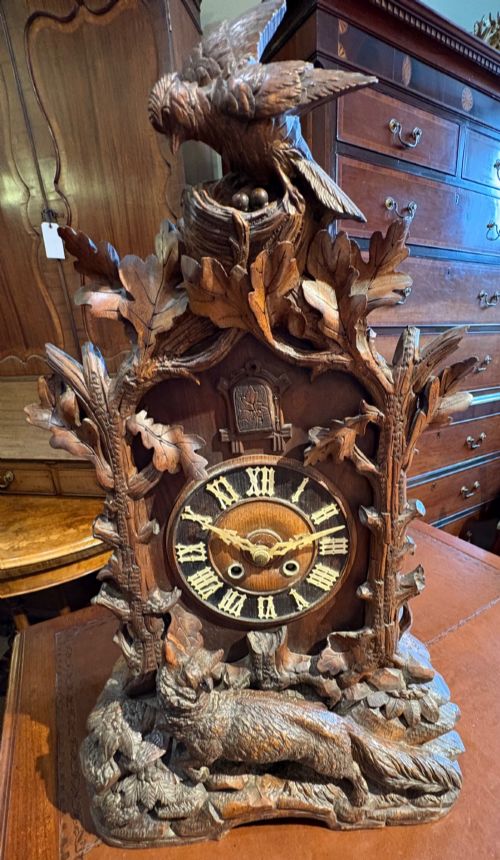
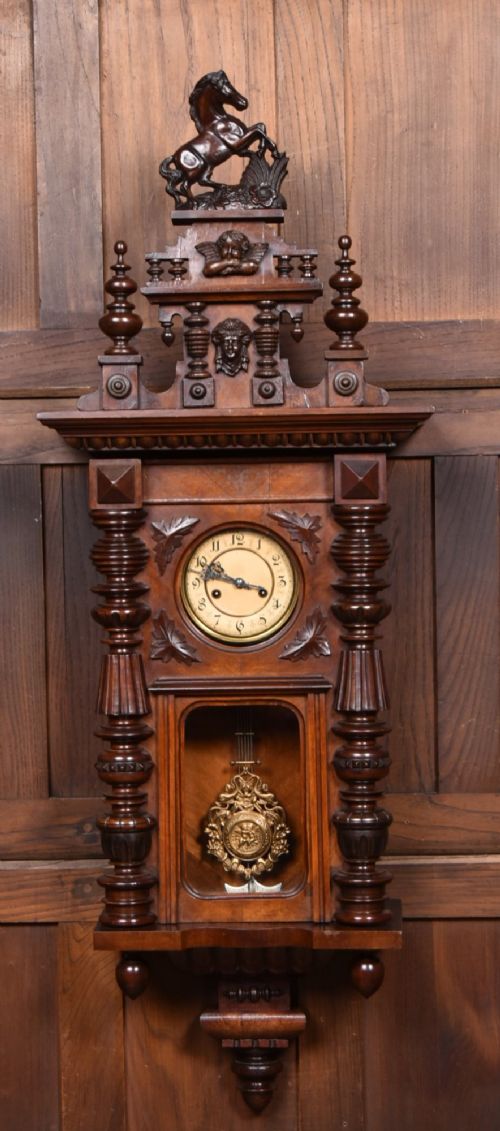
The selection frequently includes Black Forest carved walnut and oak examples featuring naturalistic motifs, alongside mahogany and rosewood bracket or drop dial wall clocks. These objects served essential domestic and public functions while showcasing the decorative arts of their respective periods.
Origins range across English workshops, German factories, and Scandinavian design traditions, offering distinct regional interpretations of carved woodwork. Wall clocks and mantel clocks dominate the available forms, reflecting the enduring popularity of timber cases in domestic interiors.
How they were made
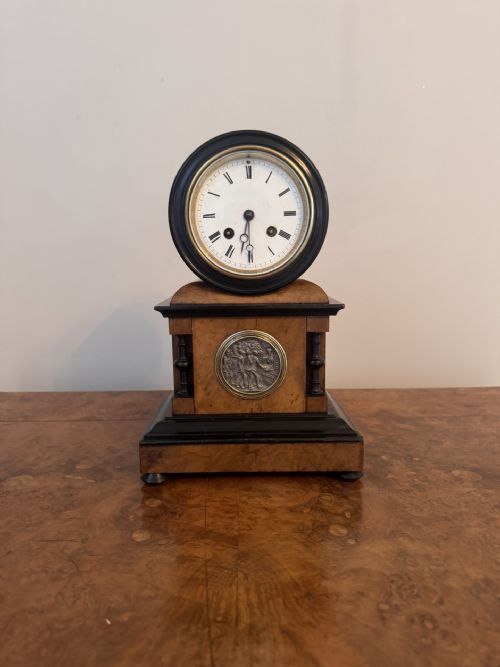
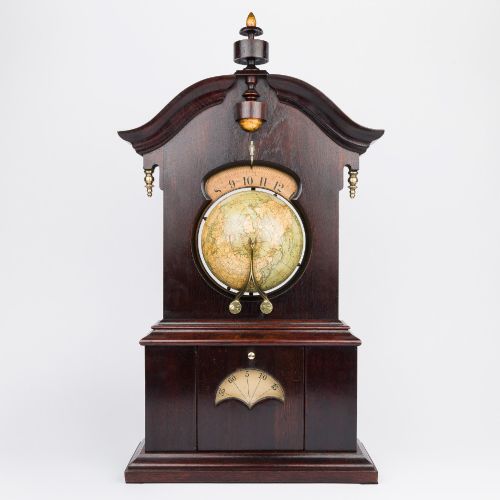
Cabinetmakers utilised hardwoods such as mahogany, walnut, oak, beech, and satinwood, often selecting timber with pronounced grain to enhance the visual appeal of the case. Enamel dials, brass bezels, and glass panels were integrated into the wooden structures to protect the delicate movements within.
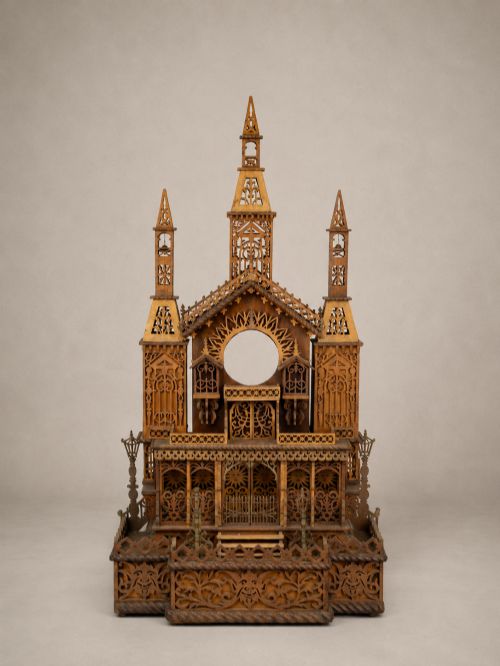
Carving techniques ranged from deep, elaborate foliage and animal figures seen in Black Forest pieces to refined geometric and giltwood detailing on Regency and Edwardian wall clocks. Mechanical movements, including fusee and striking mechanisms, were fitted precisely into these hand-carved housings by skilled horologists.
Listings feature woods including mahogany, walnut, oak, and rosewood, spanning periods from the 18th century to the 1930s.
What varies in quality
Quality rests upon the crispness and depth of the carved detail, where hand-carved depth and definition distinguish superior specimens from simpler, machine-assisted work. The choice of timber and the harmony between the dial, movement, and carved case dictate the overall standing of the piece.
The sophistication of the internal movement, such as fusee mechanisms or chiming trains, elevates an object from a basic utility to a masterwork of horological and decorative art. Preservation of the original wooden surface finish and dial integrity further separates exceptional examples from ordinary survivals.
George Wadham Bath·Brockbanks and Atkins·Hyde and Sons Sleaford·Sir John Bennett·Wetterstrands
The Carved Wood Clock Glossary
- Fusee
- A conical pulley used in spring-driven clocks to equalise the driving force as the mainspring unwinds. This mechanism ensures more accurate timekeeping throughout the duration of the wind.
- Bracket clock
- A portable table or mantel clock originally designed to sit on a wall bracket. Many later examples stood directly on furniture surfaces.
- Drop dial wall clock
- A wall-mounted timepiece featuring an extended wooden case below the dial, often housing a pendulum and window. This form gained popularity during the Georgian and Victorian eras.
- Longcase clock
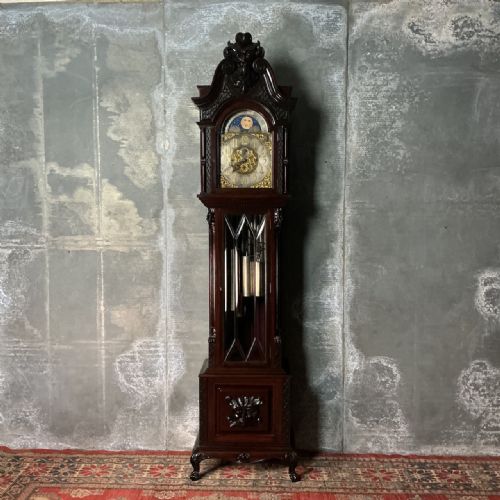
- A tall pendulum clock housed in a wooden tower case, commonly known as a grandfather clock. These pieces combine substantial architectural woodwork with complex weight-driven movements.
- Giltwood
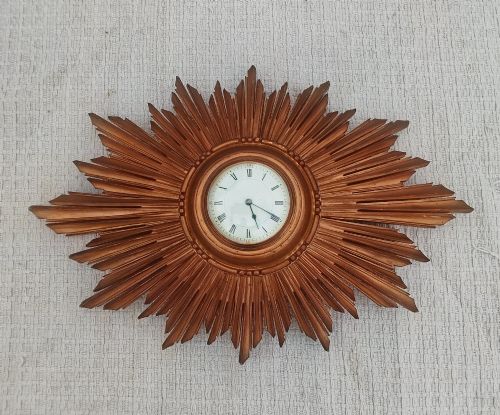
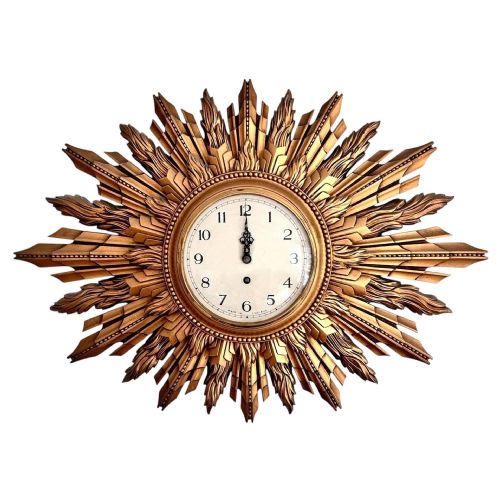
- Wood that has been treated with gold leaf or gold paint to produce a gilded surface finish. It appears frequently on starburst and cartel wall clocks from the nineteenth and early twentieth centuries.
Carved Wood Clock: Frequently Asked Questions
How do I wind a fusee clock?
A fusee clock requires a key inserted into the dial to wind the spring via the fusee mechanism. Care should be taken not to overwind the movement.
Most fusee mechanisms run for eight days or a single day depending on the specific train configuration and size of the clock.
What is a Black Forest clock?
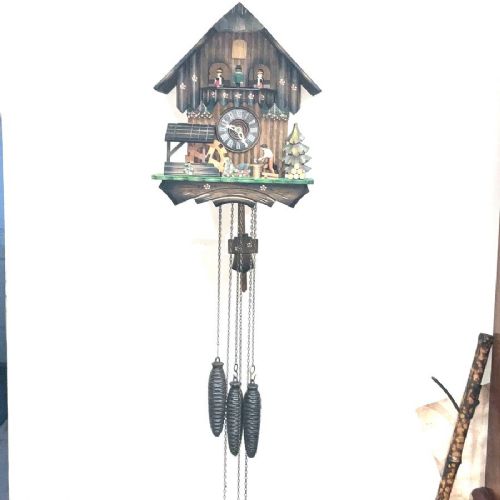
A Black Forest clock originates from the mountainous region of Germany, renowned for carved wood cases featuring foliage, birds, or animals. Many of these incorporate cuckoo calls or mechanical automatons.
These pieces use traditional wooden plate movements or brass movements housed within richly textured walnut or linden wood carvings.
How should I care for a wooden clock case?
Keep wooden clock cases away from direct sunlight and sudden temperature fluctuations to prevent the timber from warping or cracking. Dust gently with a dry, soft cloth rather than using liquid polishes.
Periodic professional servicing of the internal movement ensures the mechanical components continue to function smoothly alongside the wooden housing.
How can I tell the period of a carved wood clock?
Dating relies on stylistic clues such as the carving motifs, dial materials, and the construction methods of the wooden case. Regency and Victorian pieces exhibit different proportions and decorative vocabulary compared to later Edwardian or Art Deco examples.
Examining the backplate and movement signatures often provides additional evidence to confirm the era of manufacture.