
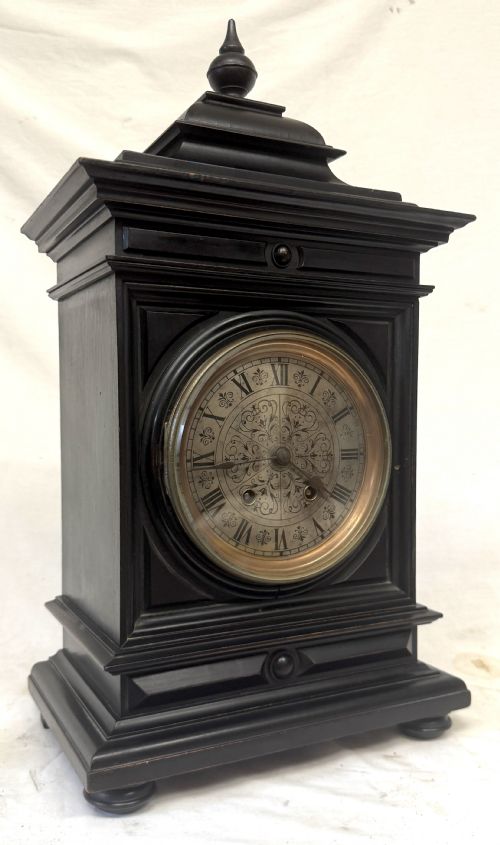
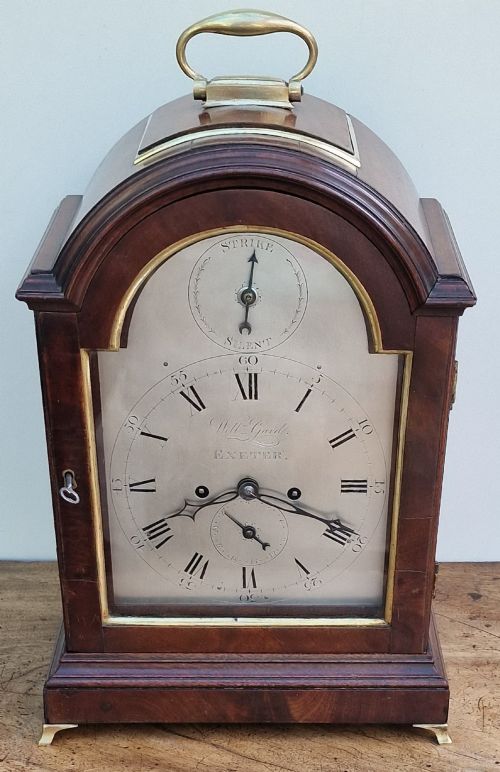
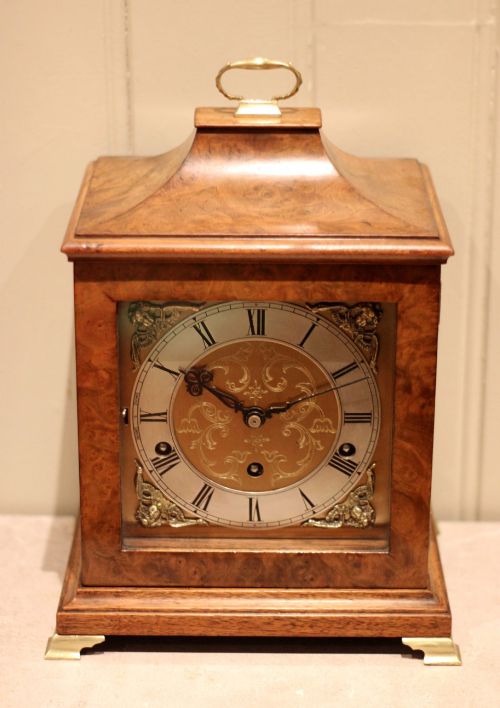

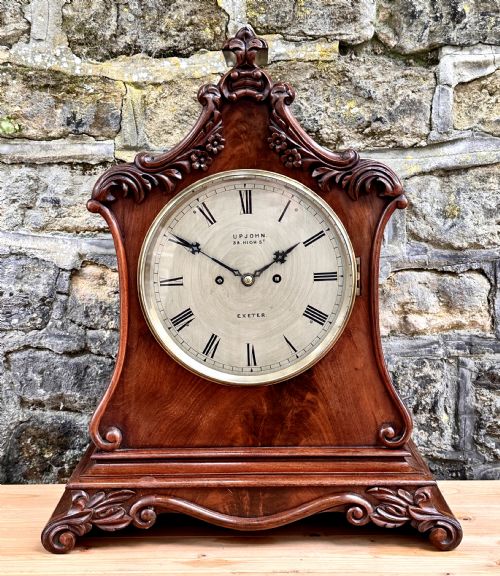
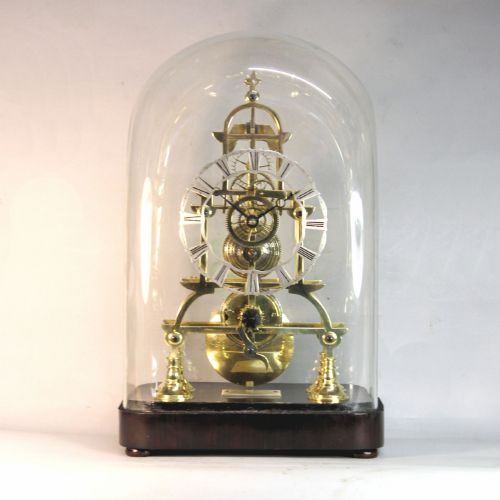
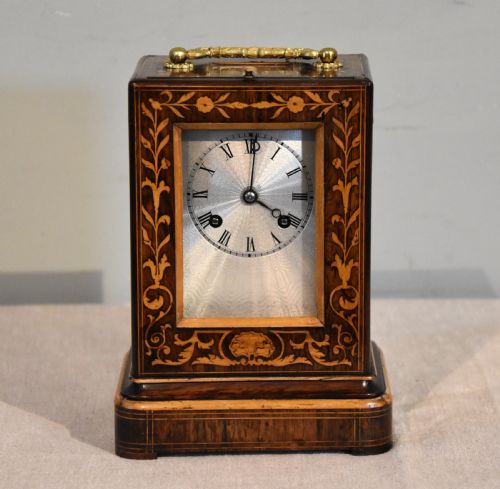
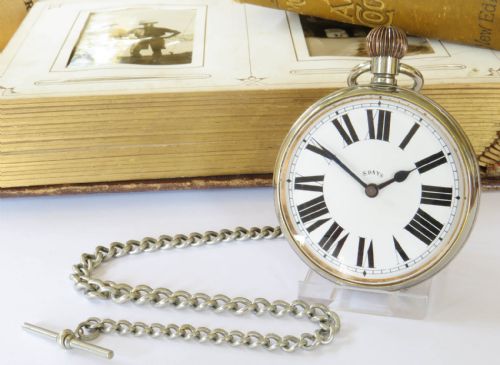
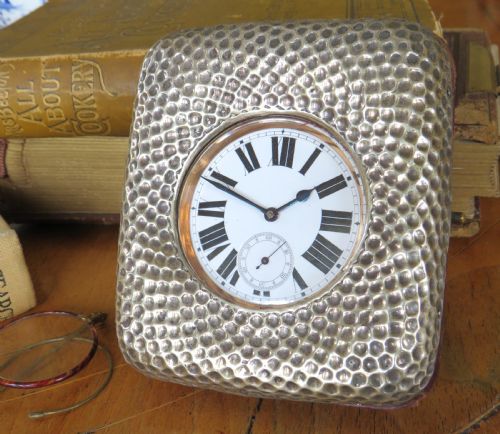
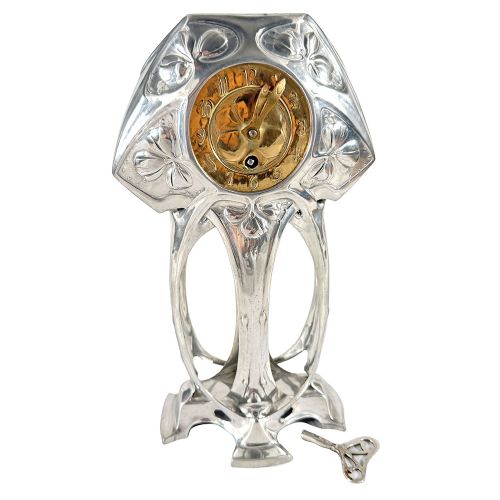
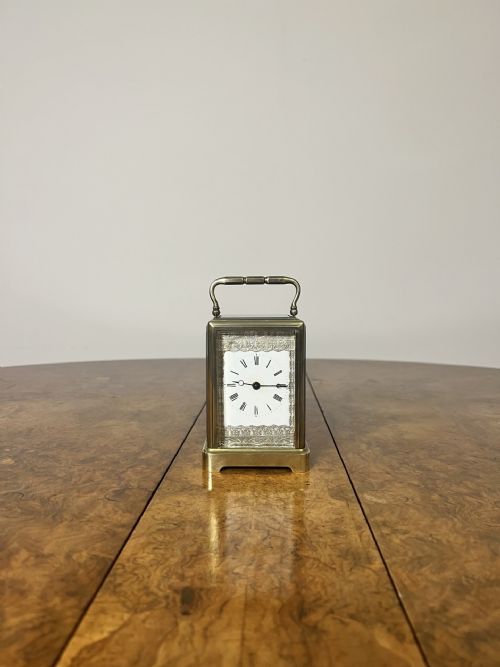

Silver Dial Clock
When you examine a silver dial clock, you are looking at a precision timepiece defined by its distinct metallic face, ranging from early Georgian bracket models to Edwardian mantel pieces.
Silver Dial Clock
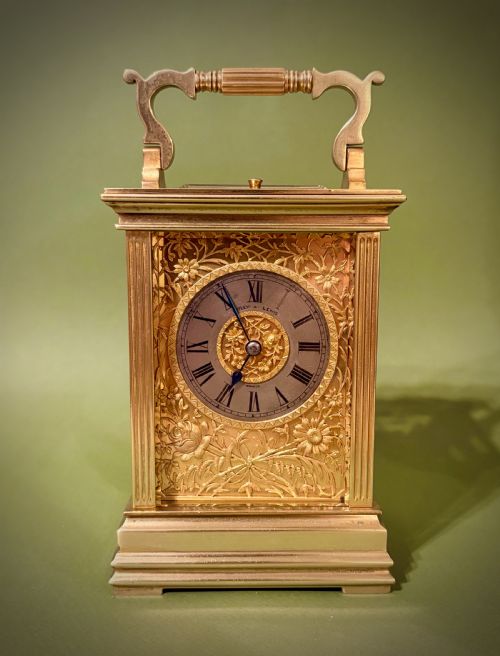
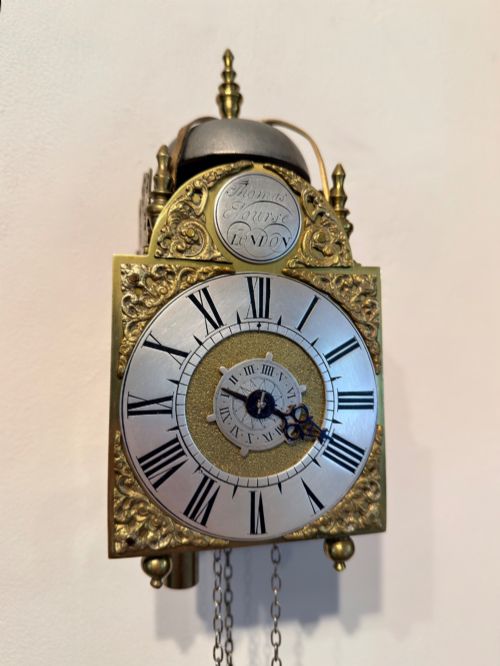
A silver dial clock appears across many domestic forms, including longcase, wall, bracket, and carriage configurations spanning the Georgian, Victorian, and Edwardian periods.
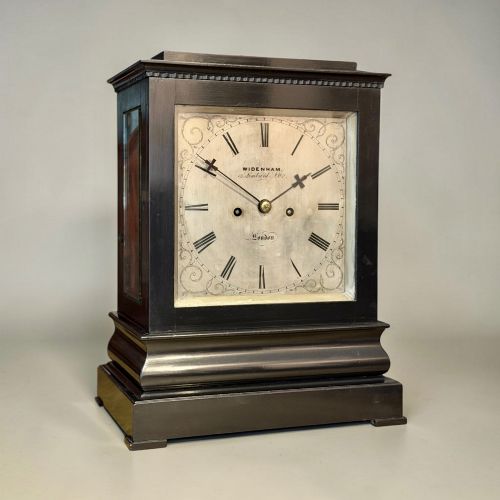
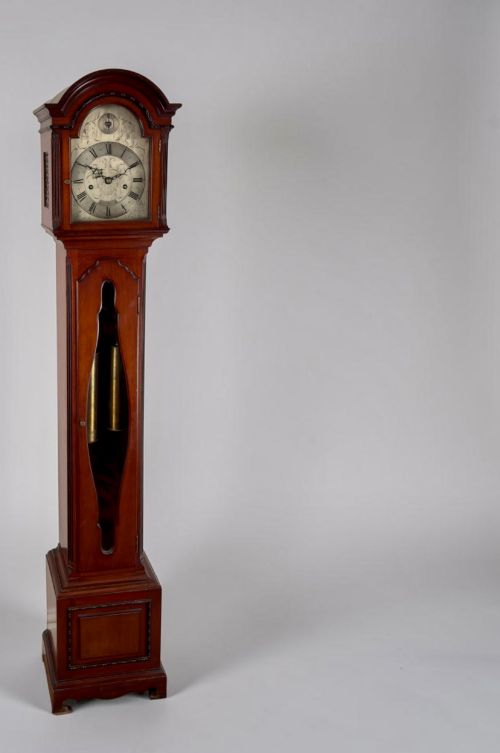
The versions most commonly met on this page include mahogany bracket clocks and oak longcase grandfather clocks featuring engraved or brushed metallic chapter rings and centre plates.
These instruments serve as functional timekeepers and decorative room centerpieces, drawing the eye through the contrast between polished brass or silvered metal and dark timber cabinetry.
Materials and construction
Cabinetmakers housed these movements in sturdy woods such as mahogany, oak, walnut, and ebonised timber, frequently employing brass fittings, glass panels, and gilt accents.
Dial faces were typically fashioned from sheet brass or copper, then silvered using a chemical process involving silver chloride and applied engraving to create legible chapter numerals.
Internal mechanisms rely on brass wheel trains, steel pivots, and fusee or spring-driven power sources designed by period horologists to maintain consistent tension.
Evaluating the standard
Quality in a silver dial clock is determined by the crispness of the hand-engraved lettering and floral scrollwork upon the metallic face rather than simple wear.
Cabinet construction dictates overall value, where finely figured mahogany veneers, architectural mouldings, and secondary woods demonstrate superior workshop standards.
The complexity of the internal movement, such as twin fusee setups, quarter-chiming trains, or signed backplates by known makers, elevates the horological importance.
Widenham of London·Gillett & Johnston·Lenzkirch·Mappin & Webb·Richard Winter·Walker·Dent·Benj Reeves·Litherland Davies·Des Granges·William Allam·James Tregent·Winterhalder & Hofmeier·George Buckmaster·Abel Panchaud·Perigal·Thomas King·John Taylor·James Howden
The Silver Dial Clock Glossary
- Silvered metal
- A copper or brass disc treated with a silver preparation to produce a bright, matte finish. This surface is then engraved and filled with black wax for legibility.
- Fusee
- A conical pulley used in better-quality clocks to maintain even drive power as the mainspring unwinds. It ensures consistent timekeeping across the duration of the wind.
- Chapter ring
- The outer metal circle on a clock face bearing the hour numerals. On older pieces, this is often a separate ring pinned to the dial plate.
- Bracket clock
- A portable table or mantel clock originally designed to sit on a wall bracket. They frequently feature arched wooden cases and carrying handles.
- Anchor escapement
- A clock mechanism controlling the release of the gear train, producing the standard ticking motion. It replaced earlier verge mechanisms in many tall and bracket clocks.
Silver Dial Clock: Frequently Asked Questions
What is a ting tang strike?
A ting tang strike uses two hammers striking two different bells or gongs to sound the quarters or halves. It produces a distinctive two-tone sequence.
This mechanism offers an audible update on the time without playing a full melody. It appears frequently in Victorian and later mantel clocks.
Why does the silvering look dark?
Silvered metal naturally tarnishes when exposed to air and light over decades or centuries. This oxidation deepens the background tone while leaving the engraved black lines prominent.
Cleaning should be approached with extreme caution to avoid removing the delicate silver layer entirely. Light dusting is usually preferred over chemical polishing.
How can I tell a Georgian dial from a Victorian one?
Georgian silvered dials often feature heavier cast brass spandrels in the corners and delicate hand-engraved signature script. The chapter rings are frequently separate components pinned to a backing plate.
Victorian dials tend toward unified brass plates with machine-stamped or etched numbering. Cabinet styles also shift from simple oak or mahogany floor cases to ornate architectural mantel housings.