





Carved Mahogany Mantel Clock
A carved mahogany mantel clock brings rich timber grain and precise mechanical timekeeping to any room.

What they are
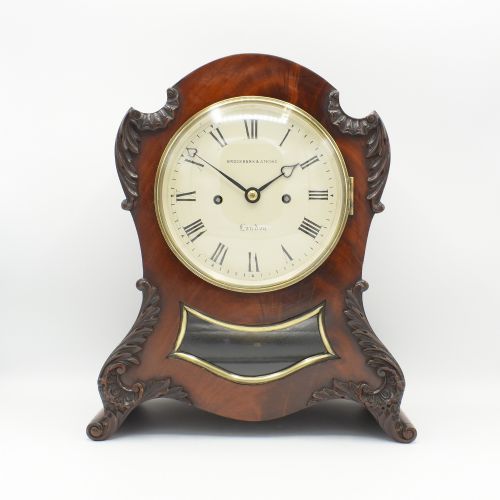
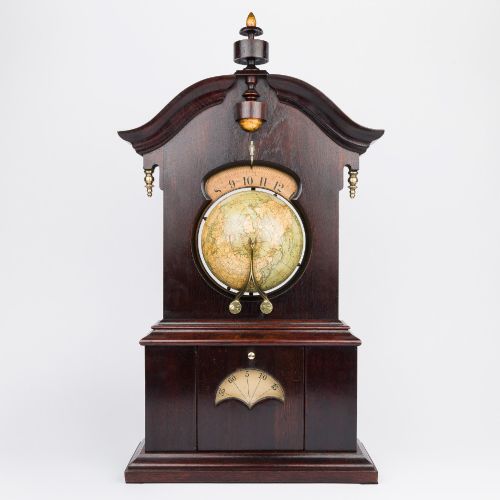
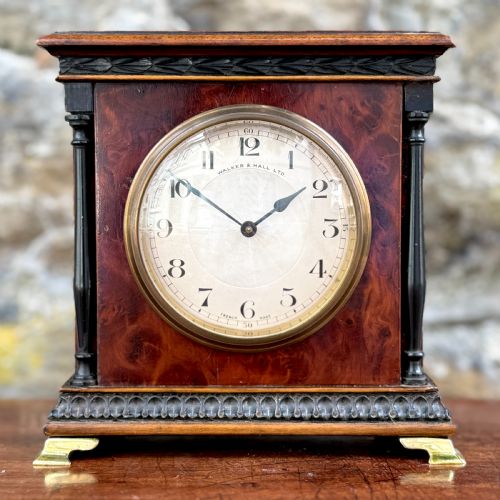
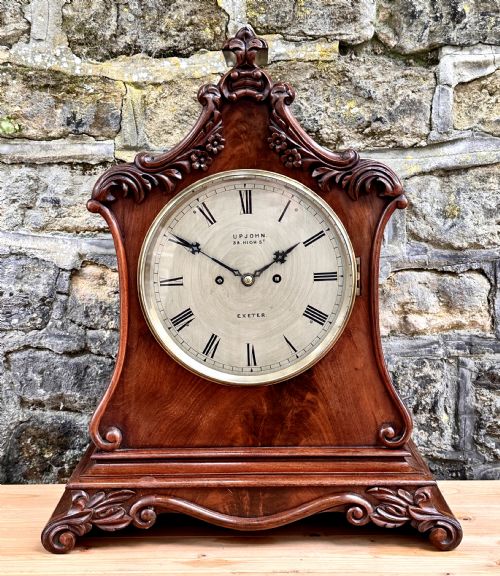
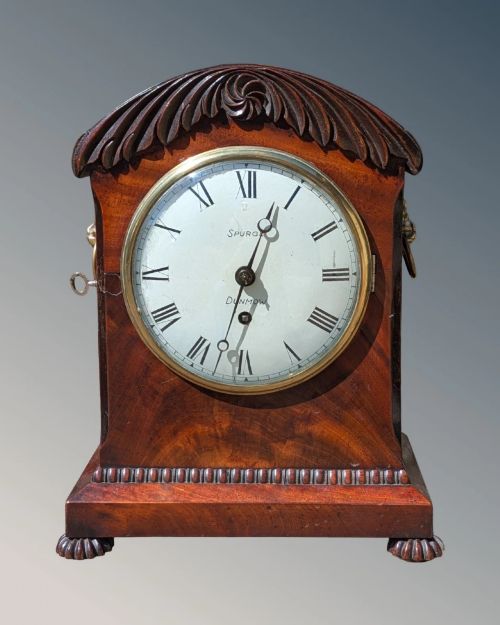
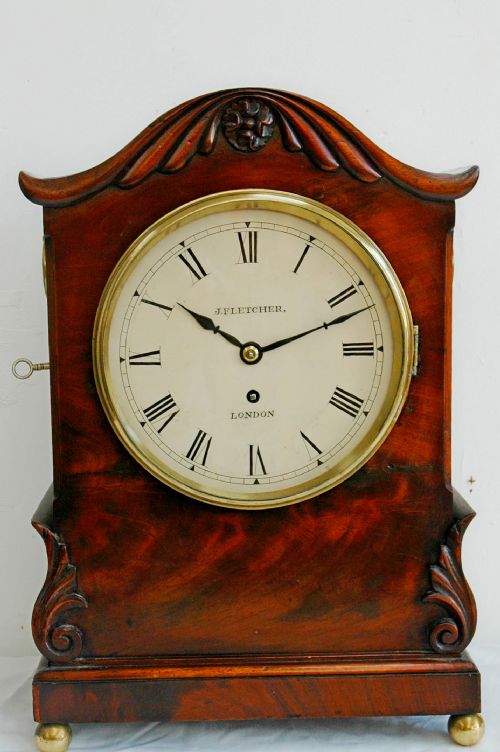
A carved mahogany mantel clock forms a handsome focal point on a shelf or sideboard, combining warm timber tones with functional timekeeping. These pieces reflect the tastes of the Victorian and Edwardian eras, spanning the nineteenth and early twentieth centuries.
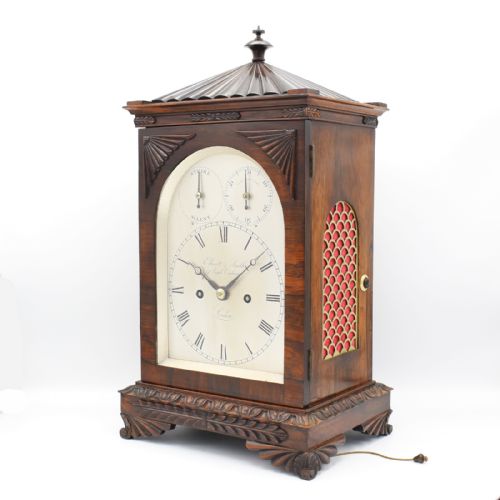
Buyers will encounter various formats, from straightforward domestic timepieces to double fusee bracket clocks housing complex movements. These items demonstrate the enduring appeal of traditional cabinet-making paired with mechanical ingenuity.
How they were made
Cabinet-makers shaped dense mahogany into architectural cases, frequently enhancing the timber with hand-carved detailing. The warm reddish-brown wood served as a durable canvas for diverse aesthetic movements.
Makers integrated brass bezels, protective glass plates, and delicate paper or enamel dials to display the time clearly. Mechanical fusee movements regulated the tension to maintain accuracy throughout the running cycle.
Retail Price Guide 2026
Typical UK retail prices for carved mahogany mantel clock, calculated from the Sellingantiques database of over a million retail prices indexed since 2003. This retail price guide relies exclusively on Sellingantiques data; no external sources or auction records are used, so the figures do not describe the wider market.
Listings incorporate nineteenth and twentieth century periods, spanning Victorian and Edwardian eras with Art Nouveau and Belle Epoque styles.
What varies in quality
The distinction between standard domestic timepieces and superior examples lies in the complexity of the movement. Double fusee bracket clocks represent a higher standard of horological engineering compared to simpler mechanisms.
Case construction and carving depth distinguish finer pieces, with crisp detailing and well-chosen mahogany grain elevating the overall design. Signed works by established makers carry greater historical interest.
Timby·Ellicott and Smith·Geo Carter Hackney·Brockbank and Atkins
The Carved Mahogany Mantel Clock Glossary
- Mahogany
- A durable, deep-toned tropical hardwood prized for furniture and clock cases. It takes a fine polish and shows rich grain patterns.
- Fusee
- A conical pulley used in spring-driven clocks to equalize the declining power of the mainspring. This mechanism helps the clock maintain consistent timekeeping.
- Bracket clock
- A portable household clock originally designed to sit on a wall bracket. Many later examples stood directly on mantelpieces or tables.
- Enamel
- A glassy substance fused to a metal dial face by heat. It provides a bright, smooth surface for painted numerals.
Frequently Asked Questions
How do I wind my clock?
Most mechanical clocks require a key to wind the mainspring through holes on the dial face. Care must be taken not to overwind the mechanism.
Consult the specific movement type to determine whether the clock strikes on the hour or half-hour.
Where should I place a mantel clock?
These clocks sit comfortably on stable surfaces such as mantelpieces, sideboards, or dedicated shelves. A level surface ensures the pendulum beats evenly.
Avoid placing them in areas subject to excessive moisture or direct sunlight.
How do I identify the period?
Stylistic cues such as heavy Victorian mouldings or flowing Art Nouveau lines help date the case. Maker signatures and movement construction offer further clues.
Materials like enamel and brass also reflect the manufacturing standards of nineteenth and early twentieth century workshops.
What is a fusee movement?
A fusee is a specialised gear that moderates the pull of the mainspring as it unwinds. This ensures steady force reaches the escapement.
Clocks featuring this mechanism were built for greater accuracy.