
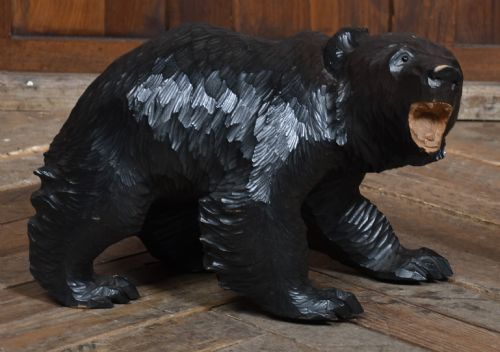


Carved Wood Animal Statue
A carved wood animal statue brings character to a room through centuries of regional animal carving traditions.
Carved Wood Animal Statue
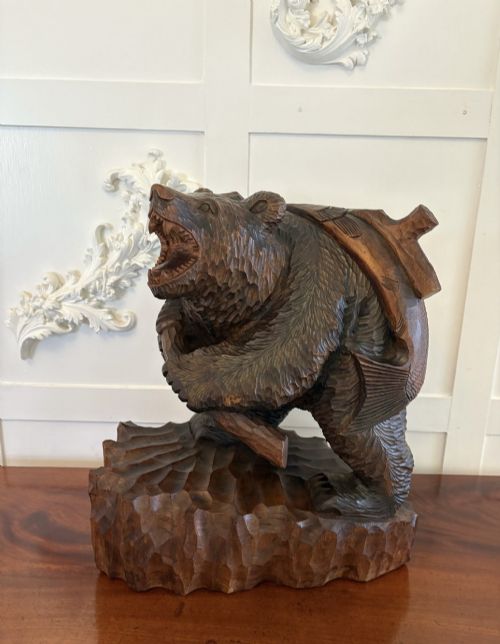
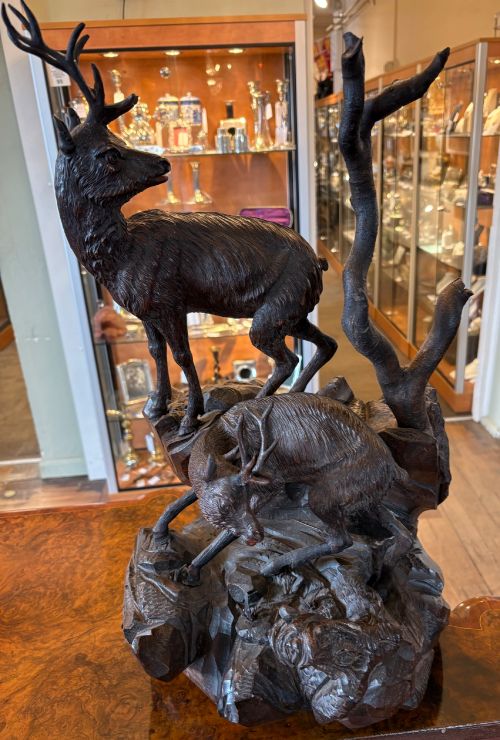
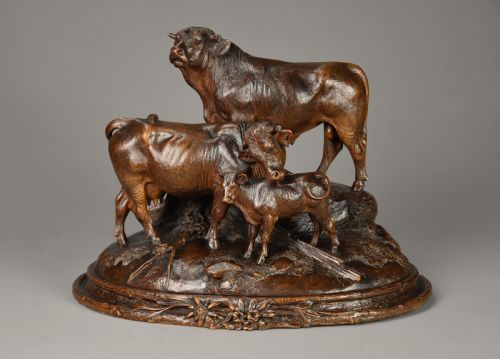
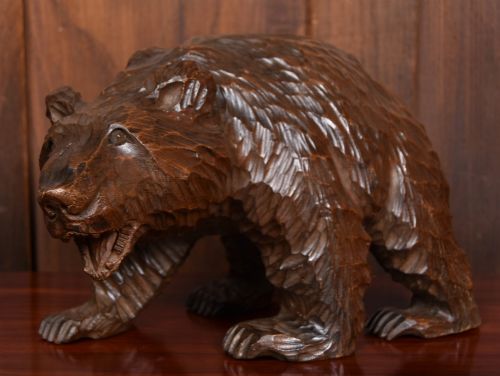
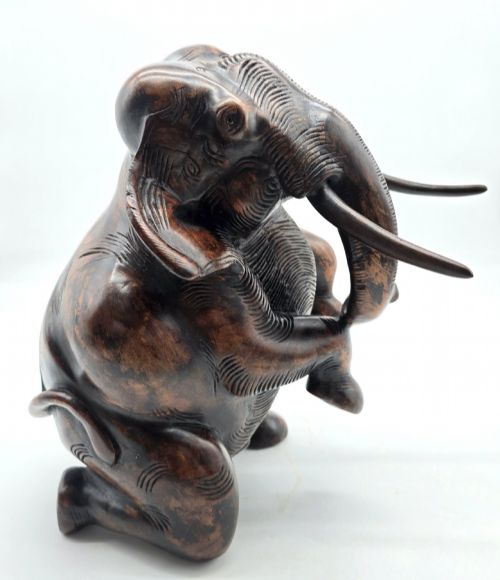
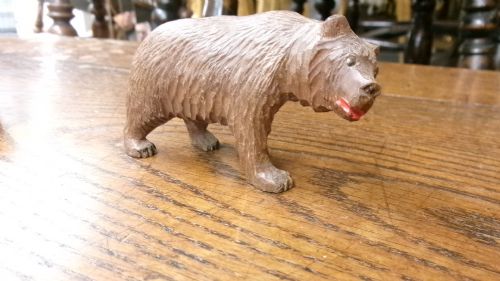
A carved wood animal statue spans utilitarian folk carving and detailed European animalier studies. Buyers searching this phrase encounter nineteenth-century Black Forest bears, Alpine fawns, and Swiss cattle alongside Anglo-Indian and Raj period elephants in hardwood and ebony.
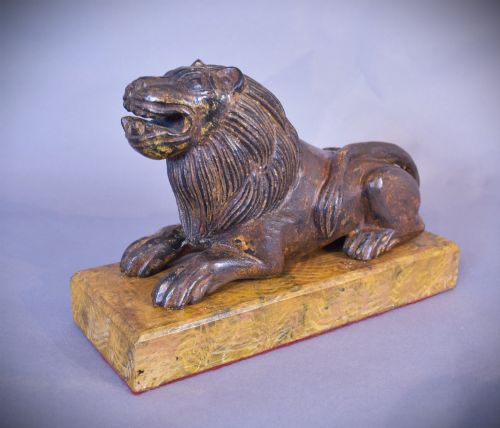
The selection ranges from life-size nineteenth-century antelopes and lions to small Japanese Kibori Kuma bears, Chinese water buffaloes, and Art Deco panthers. Pieces emerge from diverse global workshops spanning the seventeenth century through to the mid-twentieth century.
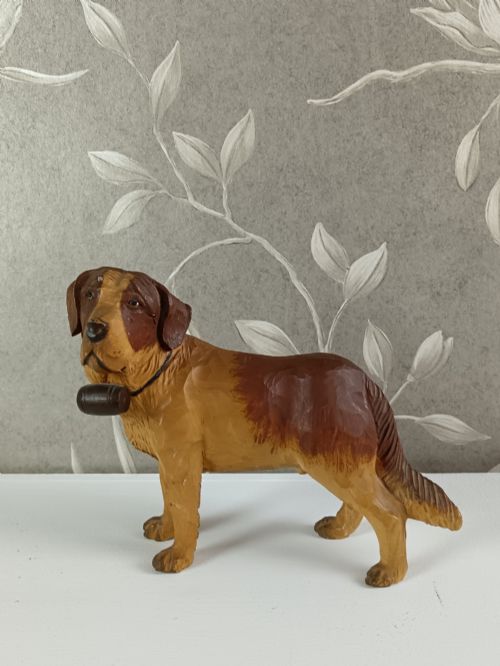
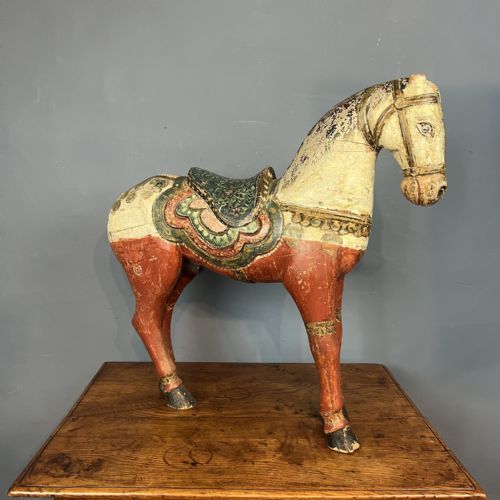
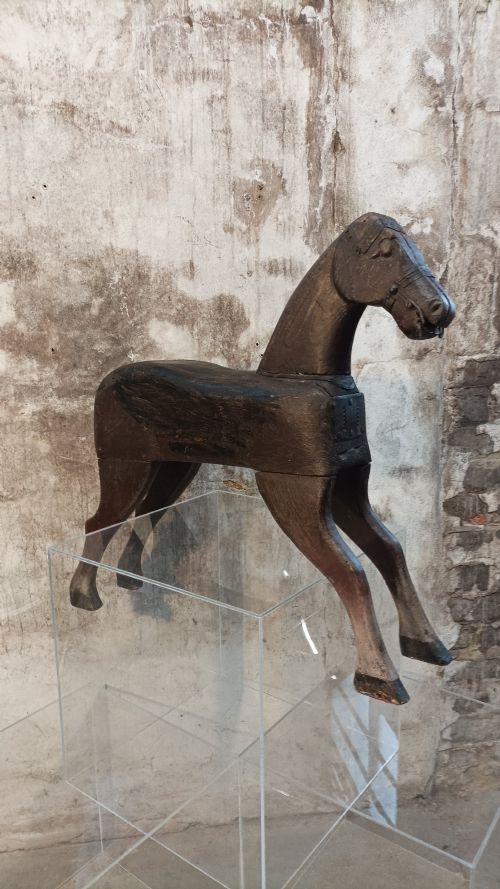
European animalier work focuses on anatomical studies of red deer, ibex, and chamois, while folk art expressions deliver naive, painted horses and dogs. Regional styles bring distinct regional timber choices and sculptural conventions to each domestic or public interior.
How they were made
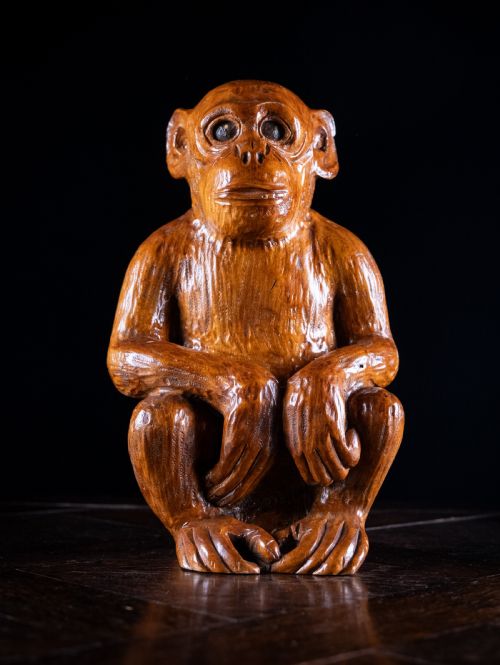
Carvers shaped these forms from linden wood, limewood, walnut, teak, ebony, and assorted dense hardwoods using hand chisels and gouges. Artisans often exploited the natural grain and knots of the timber to emphasise muscle structure or shaggy fur.
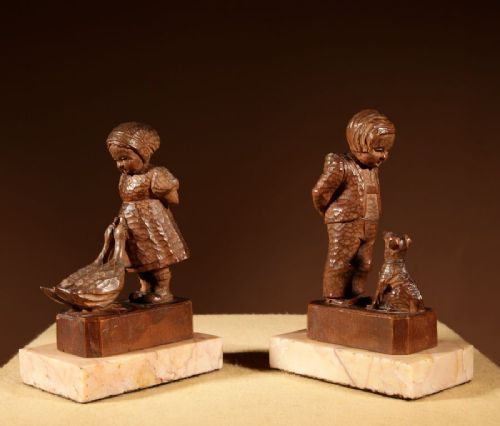
Certain figures integrate applied elements like stud eyes or brass details alongside painted surfaces or bone inlays. Sculptures rest on dedicated wooden plinths, integral bases, or contrasting marble supports depending on the workshop origin.
Listings feature woods spanning linden wood, walnut, teak, ebony, and mixed hardwoods across European and Asian origins.
What varies in quality
Quality rests on anatomical conviction and the crispness of the chisel work across fur, hide, or feather. Master carvers capture tension in limb placement and realistic weight distribution, whereas simpler pieces rely on generalised block forms and naive proportioning.
The depth of undercut details and the preservation of original surface finishes dictate the standing of a carving. Well-maintained patination from handling and age elevates a sculpture above stripped or heavily restored timber surfaces.
J Huggler·Eugene Emile Borga·Laszlo Hoenig
The Carved Wood Animal Statue Glossary
- Black Forest carving
- Wood sculpture originating from the Brienz region of Switzerland and the Black Forest in Germany, typically depicting regional fauna such as bears, deer, and ibex in linden wood. These pieces often exhibit deep undercutting and realistic glass or carved eye details.
- Kibori Kuma
- Traditional Japanese wooden carved bears produced primarily in Hokkaido during the Meiji and later periods. They frequently depict bears holding fish in their mouths.
- Raj period
- Pertaining to the British Raj in India, denoting decorative hardwood furniture and animal studies produced during this colonial era. Figures commonly include elephants and horses executed in dense timbers like teak and ebony.
- Animalier
- A nineteenth-century artistic genre dedicated to the realistic portrayal of animals in sculpture and painting. Practitioners focused on capturing dynamic movement and accurate muscle tone.
- Folk art
- Utilitarian or decorative objects created by self-taught or untrained artisans using traditional local methods. These works prioritise expressive character and direct forms over academic anatomical precision.
Carved Wood Animal Statue: Frequently Asked Questions
Are these sculptures solid wood?
Most pieces are carved from a single block of timber or constructed from dense regional hardwoods like walnut, teak, and ebony. Some larger figures utilise joined sections of linden wood or limewood to achieve expansive forms without excessive weight.
Inspect the base or underside to observe the grain structure and construction method. Natural timber movement over centuries often results in minor, stable hairline checks.
Where were Black Forest carvings made?
These sculptures originated primarily in the mountain workshops of Switzerland, specifically around Brienz, and the adjacent Black Forest region in Germany. Carvers utilised local linden wood and walnut to produce decorative items for the European and export markets.
The tradition flourished through the nineteenth century, driven by tourism and specialised woodcarving schools. Animals such as bears, chamois, and dogs remain the signature subjects of this regional industry.
How do I identify Raj period carvings?
Raj period animal figures are typically carved from heavy, dark hardwoods including ebony and teak. Common subjects include caparisoned elephants, horses, and native fauna produced for British officers and travellers in nineteenth-century India.
Look for dense timber weight, detailed carved trappings, and traditional regional tool marks. These pieces reflect the fusion of local Indian craftsmanship with Victorian decorative tastes.