

Carved Wood Accent Chairs
These carved wood accent chairs combine period craftsmanship with distinctive seating forms, offering lasting decorative presence for any interior.
Identifying Carved Wood Accent Chairs
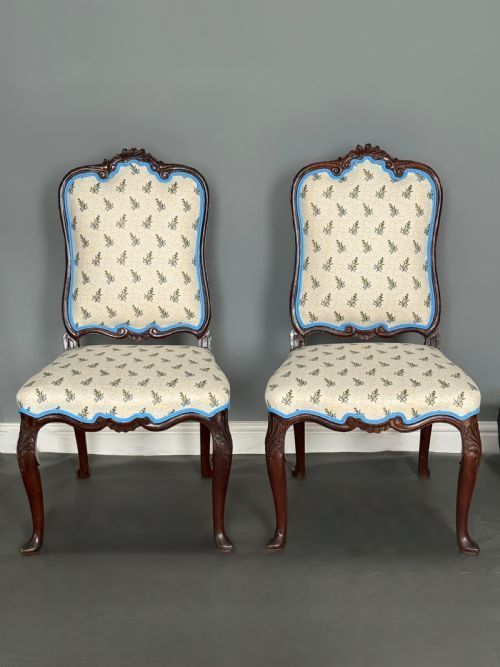
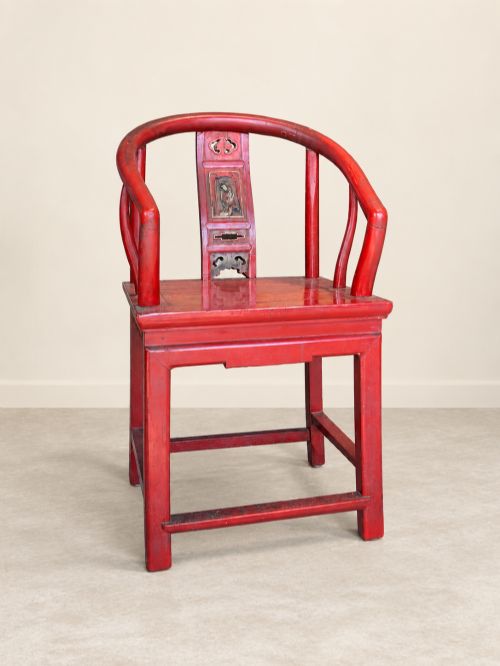
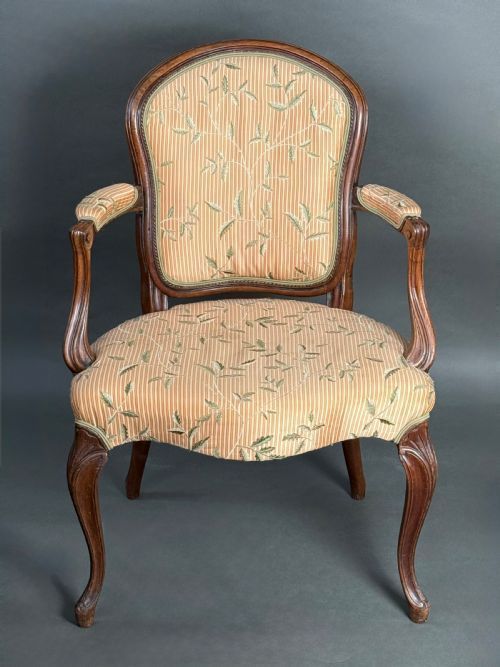
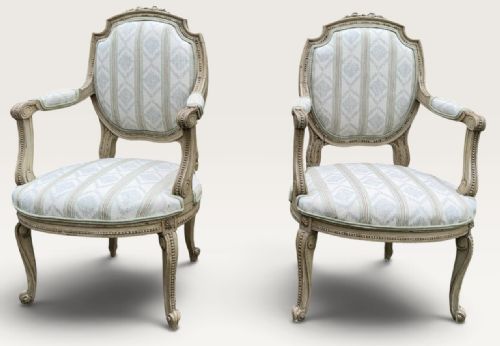
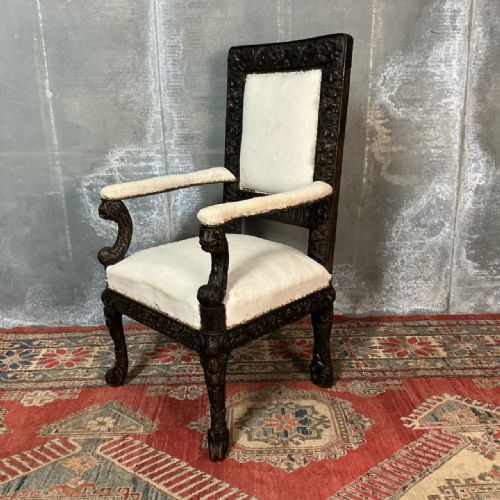
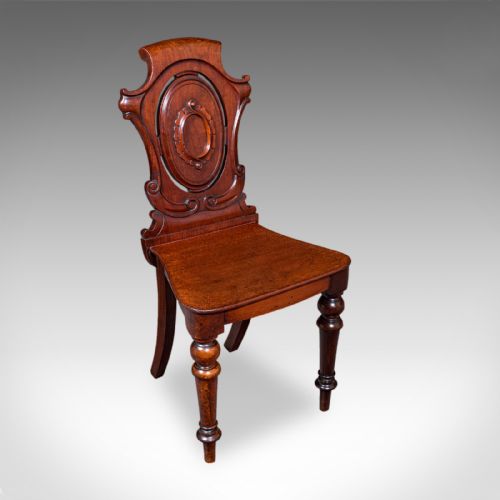
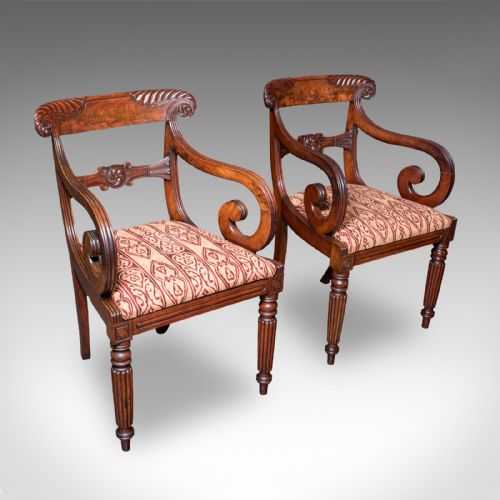
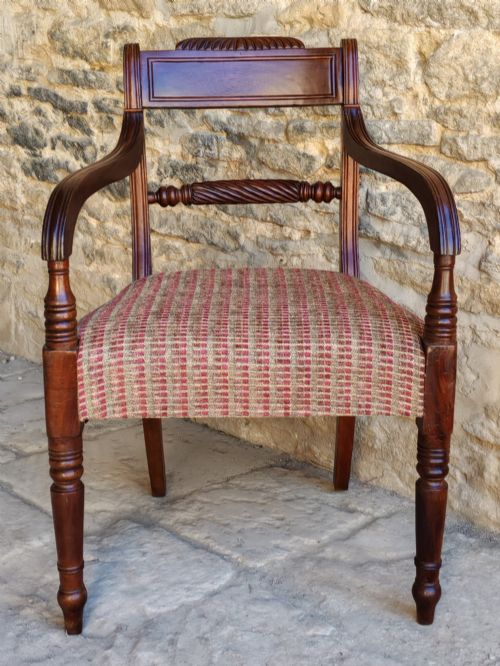
Carved wood accent chairs comprise Victorian and nineteenth-century armchairs alongside later twentieth-century painted examples. These seating pieces typically manifest as pairs designed for salon or parlour use.
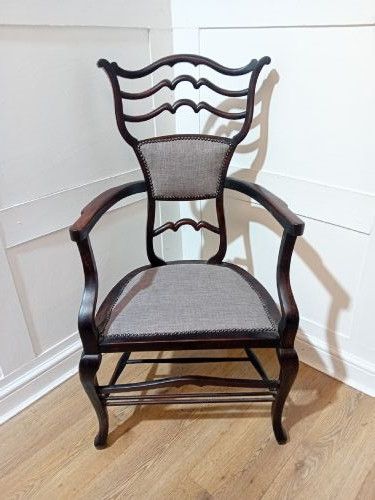
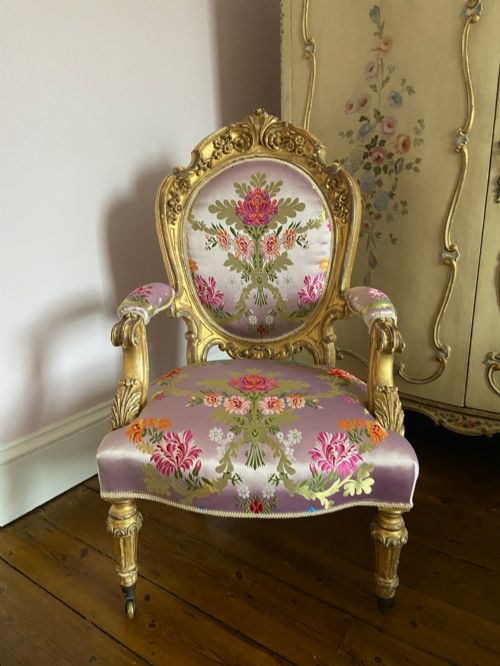
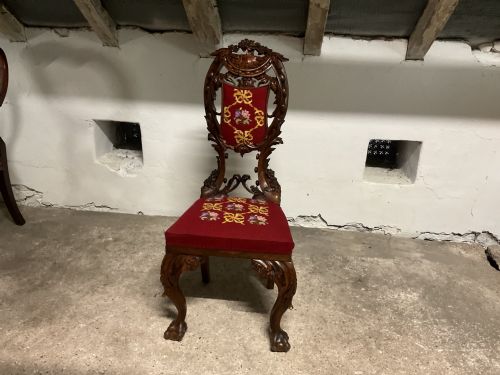
The prevailing styles span Victorian, French Rococo Revival, and Louis XV Revival aesthetics. Buyers encounter open armchairs and cabriole leg configurations built from walnut, mahogany, rosewood, and beech.
Materials and Construction
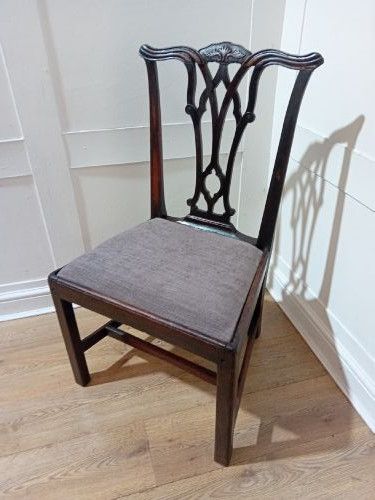
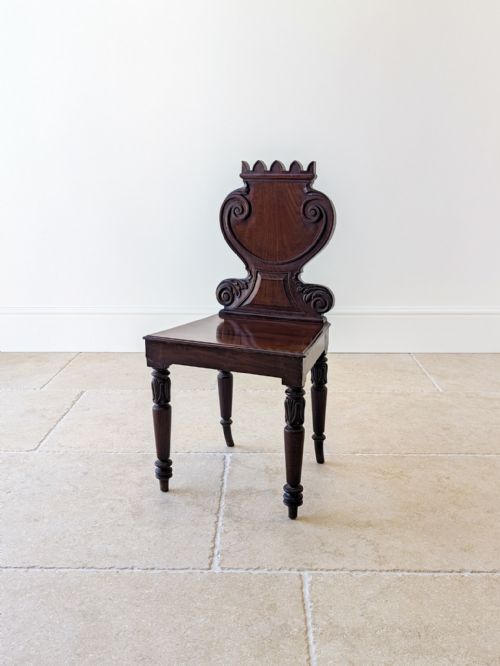
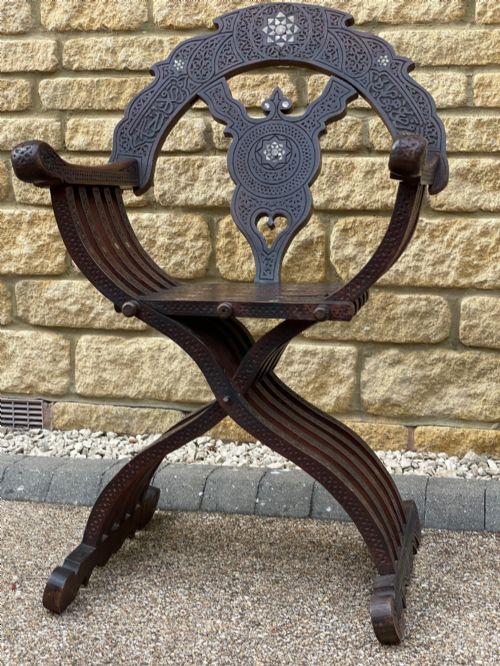
Frames are fashioned from solid hardwoods including walnut, mahogany, rosewood, and beech, shaped through traditional joinery and detailed hand carving. Gilt and painted surface finishes frequently complement the exposed timber.
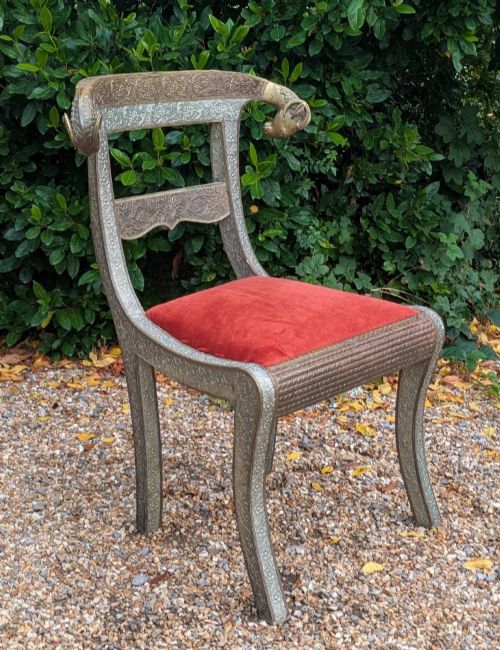
Upholstery methods incorporate velvet and various traditional fabric coverings, secured alongside brass elements and structured support frames to complete each armchair.
Retail Price Guide 2026
Typical UK retail prices for carved wood accent chairs, calculated from the Sellingantiques database of over a million retail prices indexed since 2003. This retail price guide relies exclusively on Sellingantiques data; no external sources or auction records are used, so the figures do not describe the wider market.
Assessing Quality and Execution
Distinction in these armchairs rests upon the crispness of the timber carving and the fidelity of revival styles such as French Rococo. Finer execution shows in balanced proportions, harmonious wood grain, and integrated decorative finishes like paint or gilding.
Material selection dictates the character of the piece, with dense timbers like rosewood and mahogany offering deep visual warmth compared to softer painted beech frames.
The Carved Wood Accent Chairs Glossary
- Cabriole leg
- A furniture leg that curves outward and then tapers inward, mimicking an animal's limb, commonly seen on eighteenth-century and revival seating.
- Rococo Revival
- A nineteenth-century design movement characterised by asymmetrical scrollwork, naturalistic floral carving, and flowing, curved forms.
- Open armchair
- A wooden armchair featuring un-upholstered structural arms that expose the carved framework.
- Salon chair
- A light, decorative seating piece intended for formal entertaining rooms during the nineteenth century.
Frequently Asked Questions
What periods do these chairs represent?
The available selection spans the nineteenth century, including specific dates from eighteen-sixty and eighteen-eighty, alongside nineteen-thirties examples.
These dates reflect Victorian craftsmanship and later revivals of earlier French design styles.
Which woods are commonly used?
Frames utilise hardwoods such as walnut, mahogany, rosewood, and beech.
Some pieces also incorporate painted surfaces or gilt finishes over the timber base.
How were these chairs utilised originally?
They served as decorative seating within parlours and formal reception rooms.
Pairs were typically positioned to provide matching accents within a salon scheme.
What upholstery materials appear on them?
Surviving examples feature velvet and various fabric upholstery options.
Brass components occasionally integrate into the structural detailing of the pieces.