
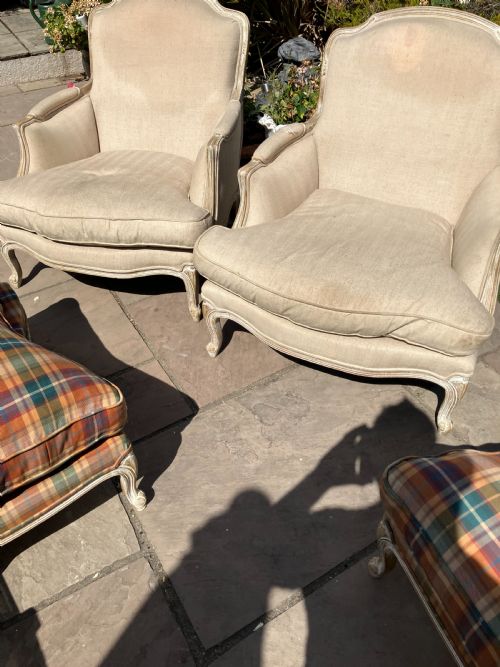
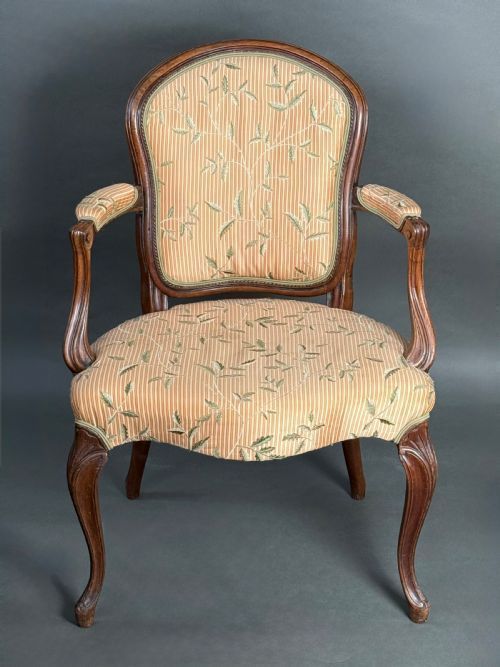
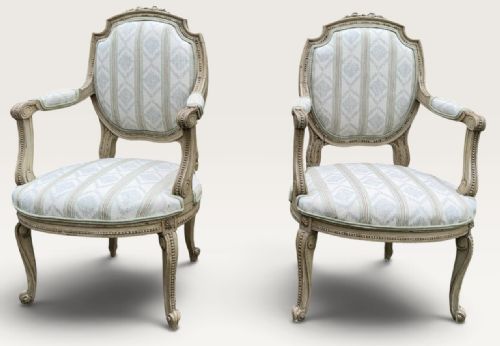
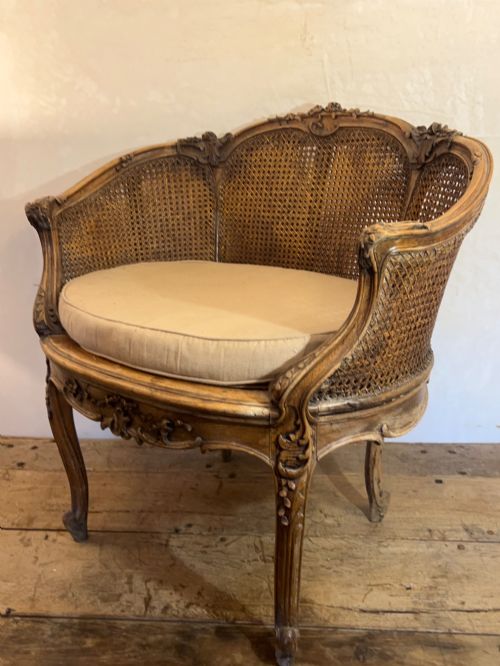
Louis XV Chairs
Louis xv chairs bring fluid rococo curves and comfortable seating to domestic interiors, offering historical elegance paired with enduring utility.
Louis XV Chairs
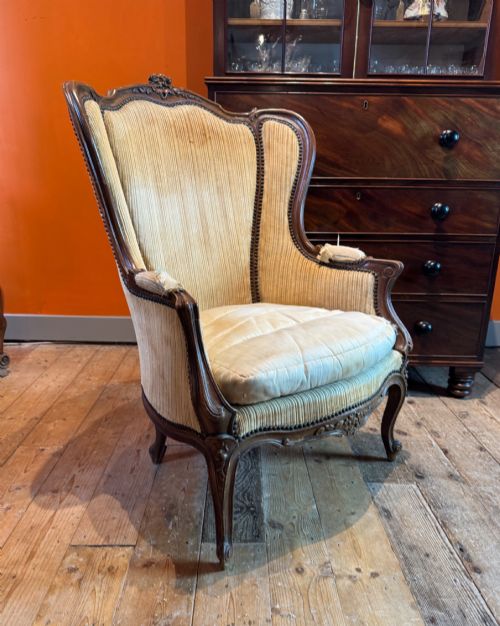
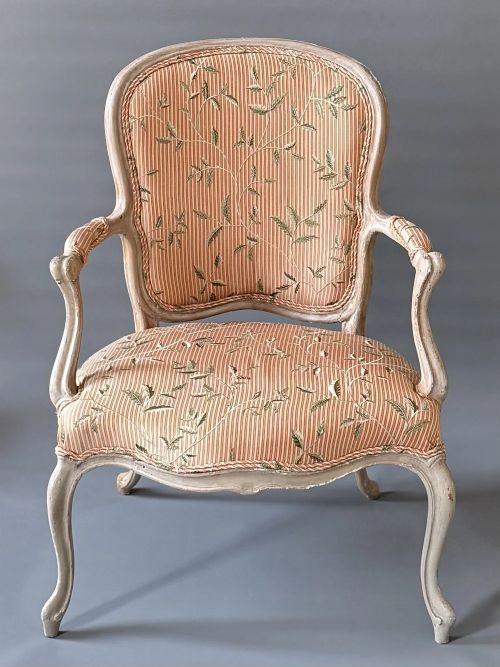
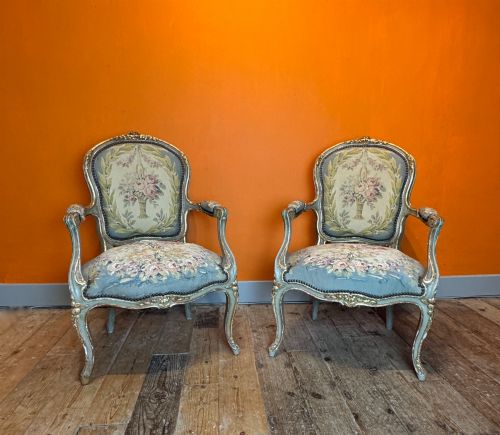
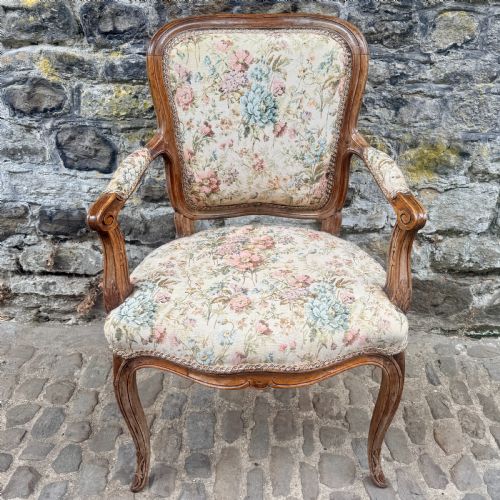
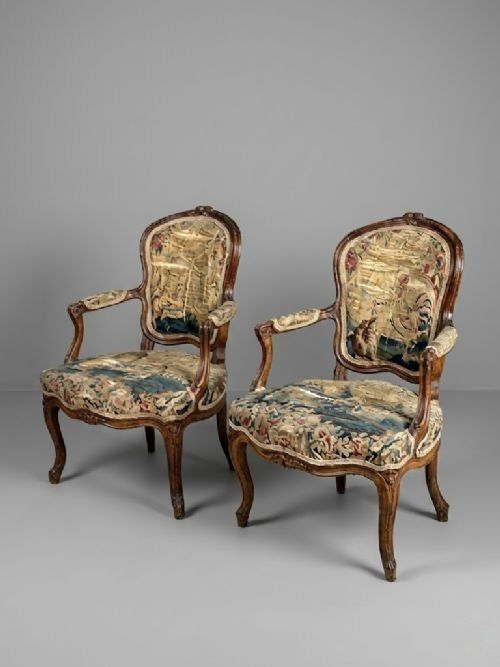
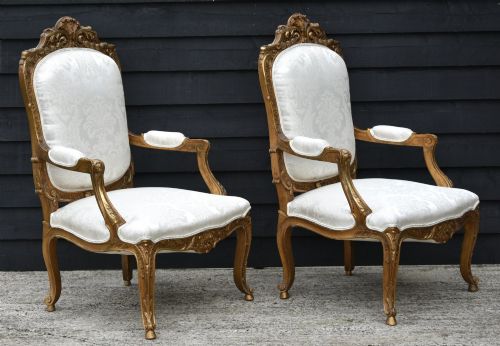
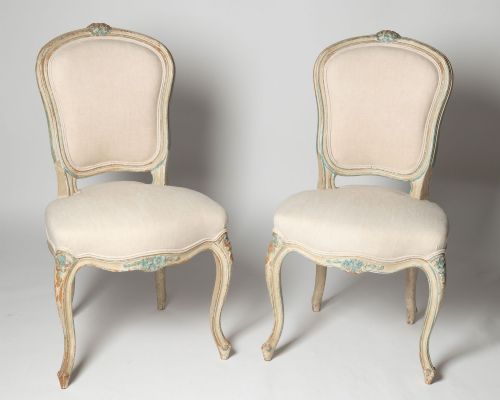
When buyers search for louis xv chairs, they encounter seat furniture defined by asymmetrical cartouche backs, cabriole legs, and flowing organic motifs characteristic of the rococo style. These pieces span authentic eighteenth-century examples as well as nineteenth- and twentieth-century revival interpretations created in French and continental workshops.
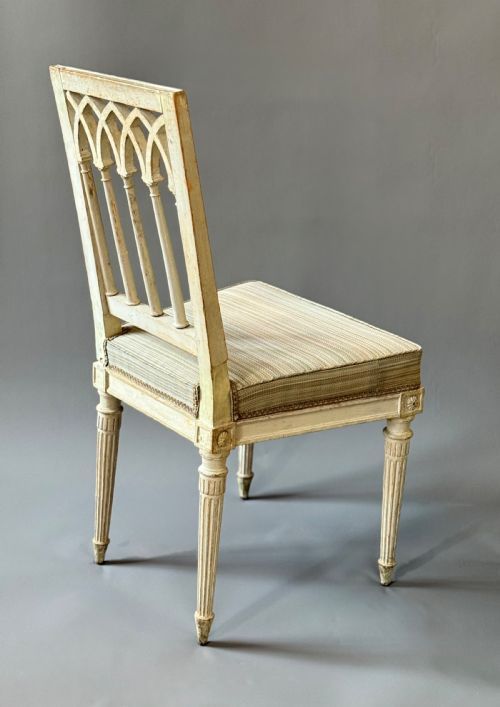
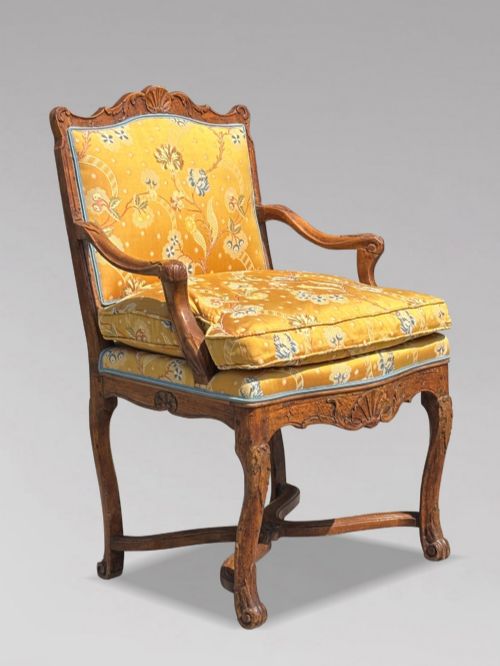
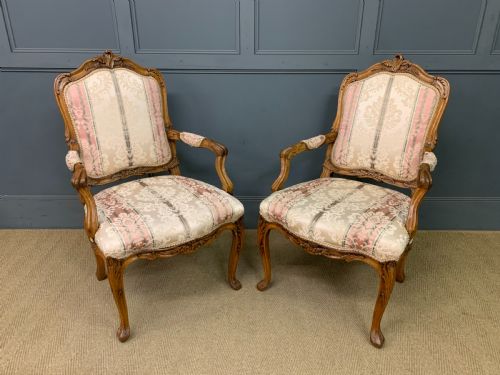
The selections on this page predominantly consist of nineteenth-century revival armchairs, side chairs, and bergères alongside eighteenth-century originals. Formats range from open-arm fauteuils and enclosed bergères to matching salon suites, dining sets, and occasional tub chairs.
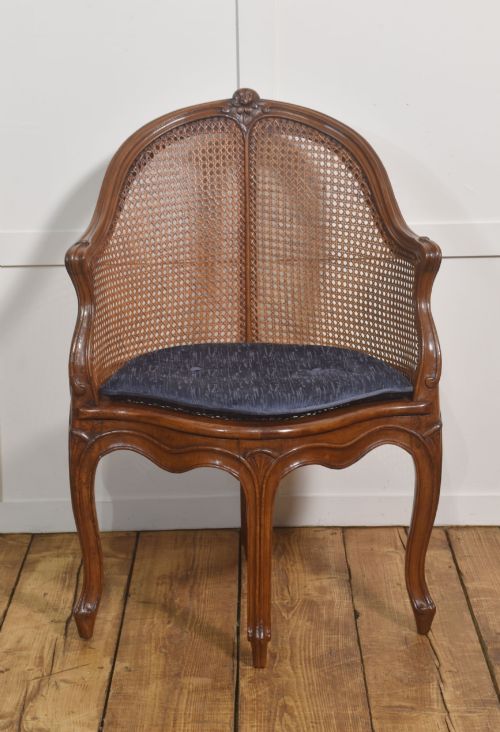
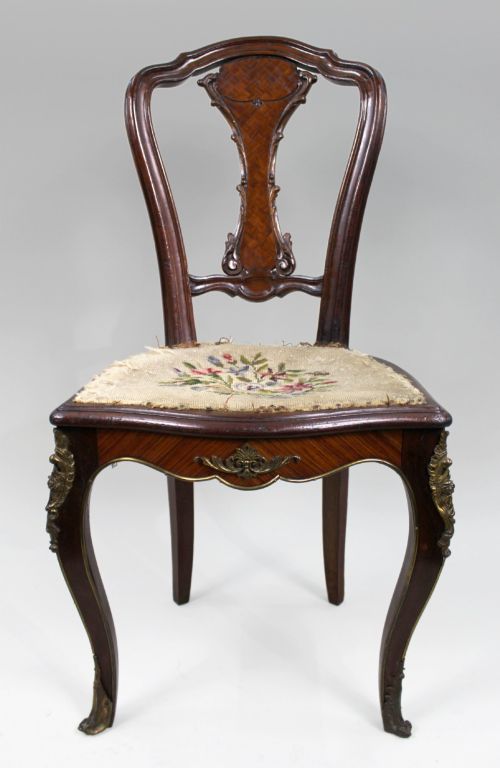
Makers and manufacturers utilised walnut, beech, and giltwood frames, often enhancing the carved wooden surfaces with painted finishes, parcel gilding, or ormolu mounts. Upholstery materials vary widely from contemporary silks and velvets to historical tapestries, needlepoint, and cane.
Materials and construction
Cabinetmakers constructed the supportive frames of louis xv chairs using timbers such as walnut, beech, oak, and mahogany, shaped through careful carving and joinery to achieve characteristic serpentine rails and cabriole legs.
Surface treatments included applied gesso beneath heavy gilding, hand-mixed paints, and parquetry veneers of kingwood secured with bronze or ormolu mounts.
Upholstery techniques involved traditional webbing, springs or stuffing, and stitched edges covered in silk, velvet, damask, tapestry, or woven cane panels.
Some nineteenth-century makers evidently decided that sitting upright was optional, inventing sprawling duchesse brisée chaises longues for maximum dramatic repose.
Evaluating craftsmanship
The distinction between standard production and exceptional examples rests in the crispness and depth of the hand-carved wooden ornament along the crest rails and apron. Superior pieces exhibit seamless joinery where structural integrity meets flowing sculptural line without stiffness.
The choice of upholstery materials and the fidelity of revival periods significantly influence the overall character, with authentic period textiles or high-grade silks elevating a piece. Original painted or gilded surfaces preserved beneath later layers also distinguish finer specimens from heavily restored equivalents.
Blaise Maucuy
The Louis XV Chairs Glossary
- Fauteuil
- An open-framed upholstered armchair with exposed wooden arms that typically feature padded elbow rests. This form emerged in France during the eighteenth century.
- Bergère
- An enclosed upholstered armchair featuring solid upholstered sides filled with padded panels or cane work. These seats often incorporate a loose cushion for added comfort.
- Cabriole leg
- A furniture leg that curves outward in a convex arc before tapering inward in a concave arc to a pad or scroll foot. The design mimics animal limbs found in nature.
- Ormolu
- Gilded bronze mounts applied to furniture surfaces for decorative enhancement. The technique involves treating bronze with a gold amalgam.
- Cartouche
- An ornamental panel or frame resembling a scroll or unrolled parchment, frequently carved into the crest rail of chair backs.
Louis XV Chairs: Frequently Asked Questions
What defines genuine louis xv chairs?
Authentic period examples originate from the eighteenth century and display hand-carved walnut or beech frames with organic asymmetrical rococo lines. Revival pieces from the nineteenth and twentieth centuries emulate these exact proportions and decorative vocabulary.
Distinguishing original production from later revivals relies on examining timber ageing, tool marks, and construction methods hidden beneath the upholstery webbing.
How do fauteuils and bergères differ?
Fauteuils feature open wooden sides with upholstered arm pads, providing an airy silhouette suited for formal reception rooms. Bergères incorporate closed upholstered sides, creating a deeper and more enclosed seat designed for relaxed lounging.
Both styles utilise matching cabriole legs and serpentine seat rails, allowing them to sit together within a unified salon suite.
How should I care for antique upholstery?
Preserving delicate textiles like silk, damask, or antique tapestry requires shielding the fabric from direct sunlight to prevent fading and fibre degradation. Regular gentle vacuuming with a soft brush attachment removes dust without abrading the weave.
For pieces finished with original paint or giltwood, dusting with a dry microfibre cloth protects the fragile surface patination from moisture damage.
Can these chairs be used daily?
Solid hardwood frames and sturdy joinery make many nineteenth-century and eighteenth-century examples entirely suitable for regular daily seating. Modern interior layouts often feature them as occasional chairs in living rooms or as statement seats at a desk.
Ensuring structural longevity involves checking that the internal webbing and padding remain supportive rather than heavily sagging under weight.