


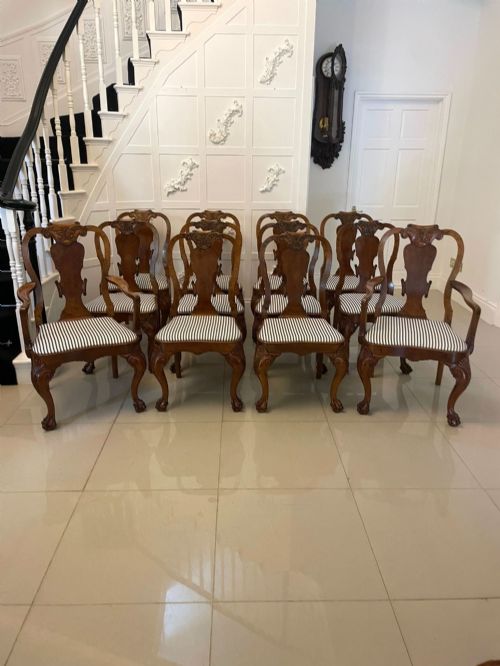
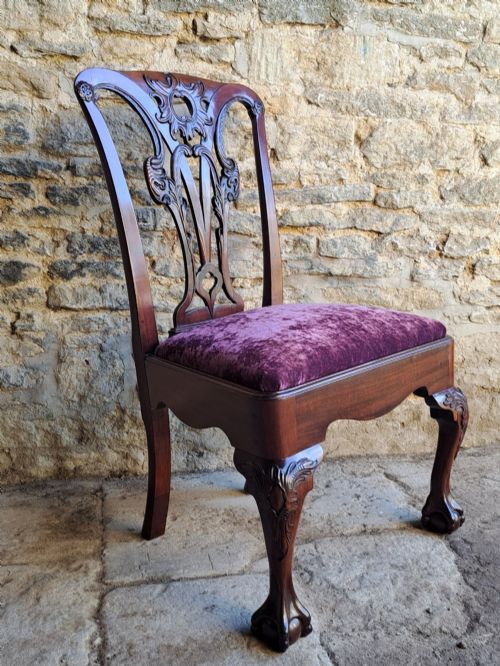
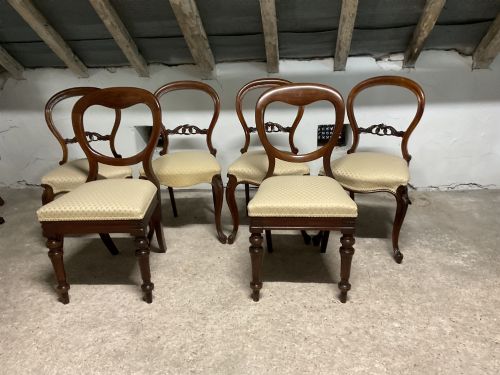
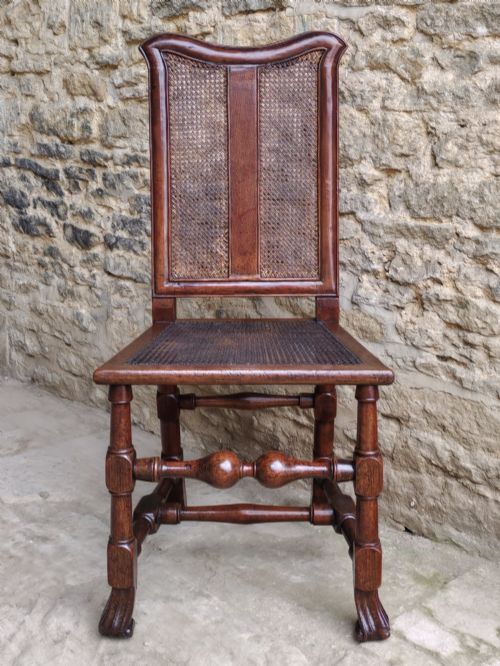
Carved Walnut Side Seat
These carved walnut side seat options bring structural timber and traditional upholstery into domestic interiors.
Carved Walnut Side Seat
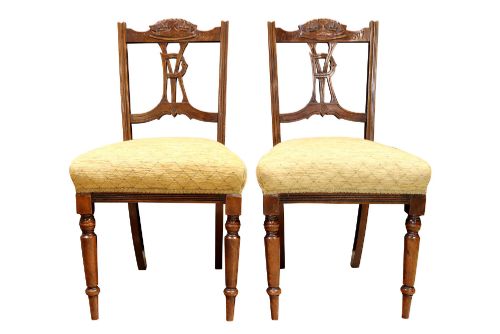
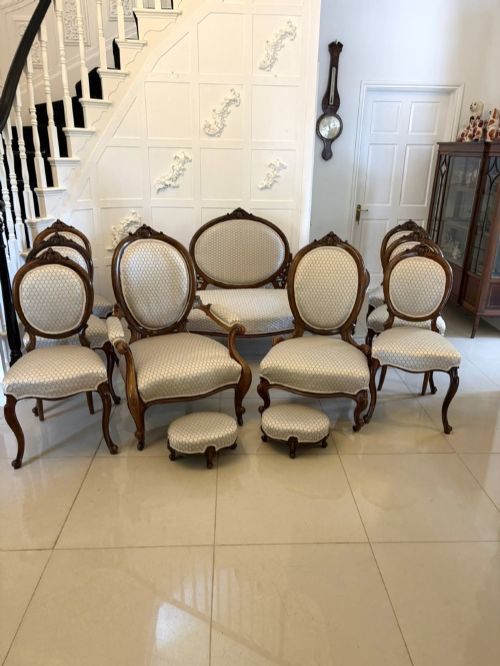
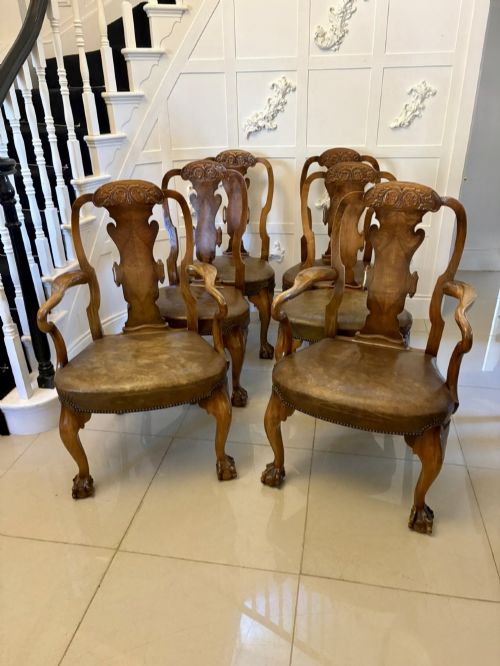
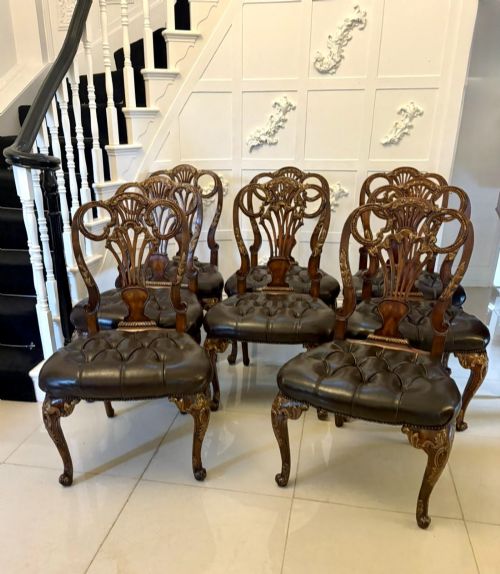
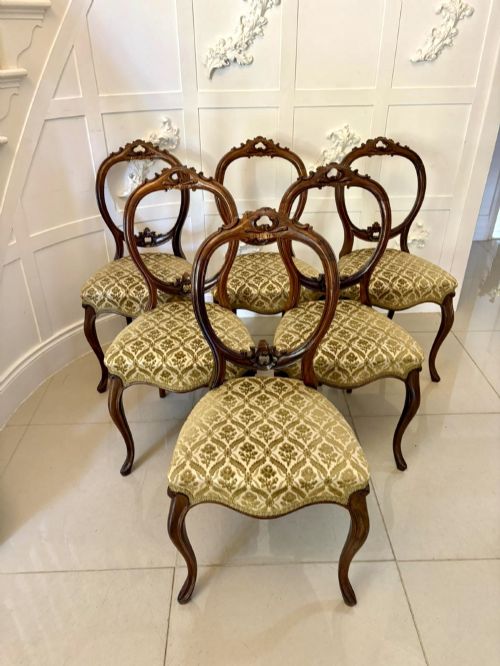
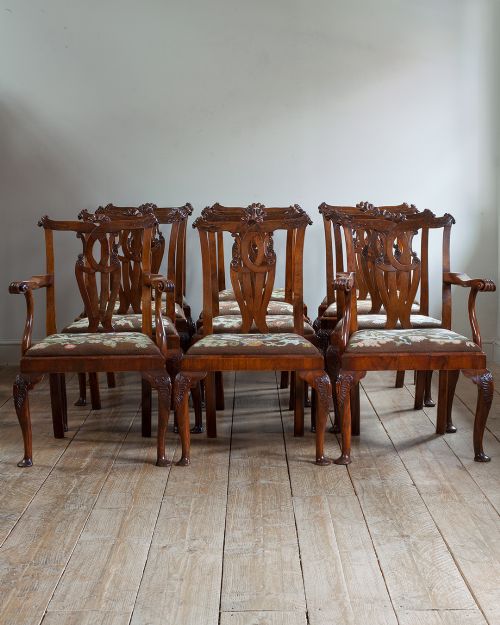
A carved walnut side seat represents a versatile category of historical furniture designed for dining rooms, hallways, and reception spaces. The selection ranges from early eighteenth-century examples to Victorian and Edwardian interpretations.
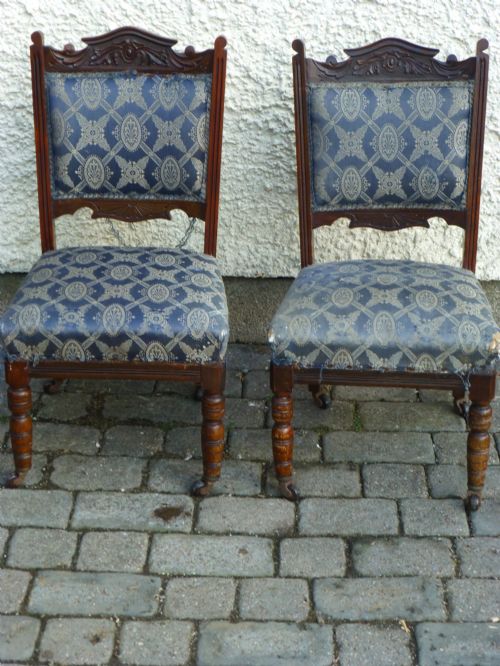
Buyers frequently encounter Victorian and eighteenth-century variations featuring distinct regional characteristics, such as Italian, Scottish, or English origins. These forms include single chairs and matched sets intended for formal dining or occasional use.
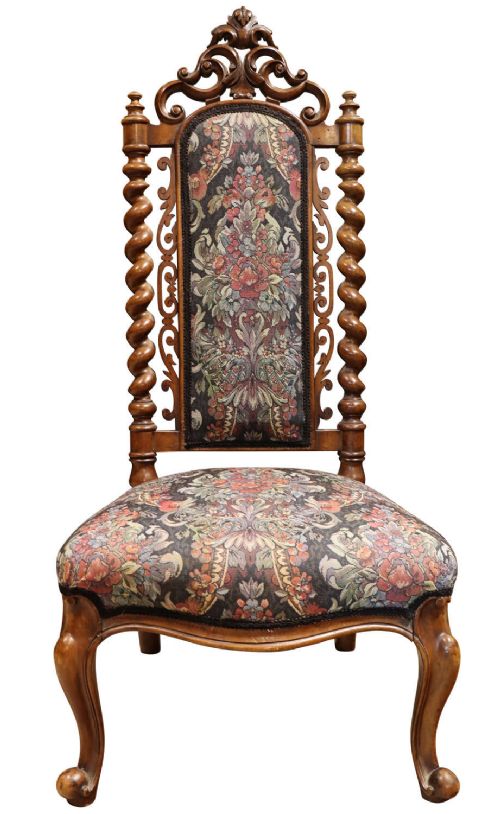
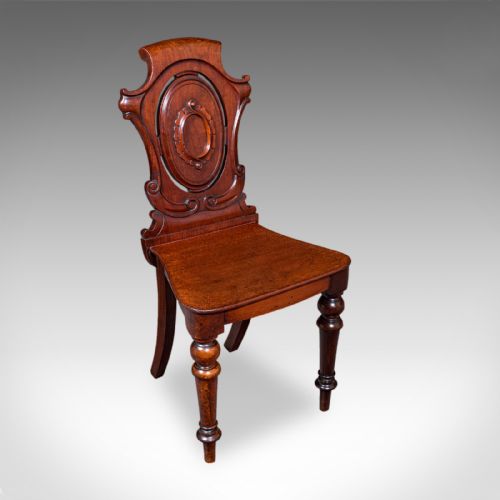
The inventory encompasses specific chair types such as dining chairs, hall chairs, and nursing chairs, alongside salon and occasional seating. Walnut timber serves as the unifying material across these diverse historical periods.
Defining Quality in Walnut Seating
The standard of a carved walnut side seat depends upon the crispness of the hand-carved detail and the selection of the walnut timber. Figured burr walnut veneers and deeply articulated carving demonstrate superior workshop execution.
Structural integrity, original joinery, and the retention of period upholstery components distinguish better examples from heavily altered pieces. Matched sets displaying uniform timber patination hold greater significance than assembled groupings.
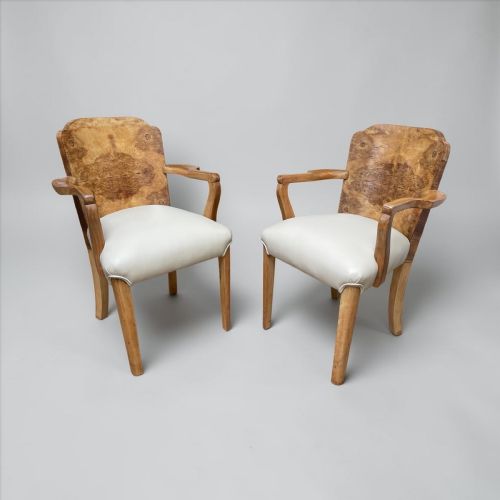
Listings feature walnut seating spanning from the early eighteenth century through the Victorian and Edwardian eras, incorporating stylistic influences from Queen Anne to Art Deco.
Charles Tozer·Waring and Gillow·Lamb of Manchester
The Carved Walnut Side Seat Glossary
- Walnut
- A dense, dark hardwood valued for its rich grain patterns and suitability for detailed carving. It frequently appears as solid timber or decorative burr veneer on nineteenth-century and earlier seating.
- Splati
- The vertical wooden strip down the centre of a chair back. Pierced splats feature openwork carved designs.
- Barley twist
- A spiral turning technique applied to chair legs and structural supports. This decorative woodworking method appears frequently on Victorian examples.
- Drop-in seat
- A removable upholstered frame that fits into the seat rails of a chair. It allows for straightforward reupholstery without dismantling the main frame.
- Marquetry
- Decorative patterns formed by inlaying pieces of wood veneer into a solid wooden background. It creates intricate pictorial or geometric designs on chair backs and panels.
Carved Walnut Side Seat: Frequently Asked Questions
What is a side seat?
A side seat is an armless chair traditionally positioned against a wall or around a dining table when not in daily use.
These pieces function as flexible seating in hallways, reception rooms, and dining spaces across various historical periods.
How do I date a walnut chair?
Dating relies on examining construction methods, timber choice, and stylistic markers such as cabriole legs, splat backs, or Victorian upholstery.
Comparing the turning techniques and carving styles against known historical periods helps establish the approximate decade of manufacture.
Can I use antique chairs daily?
Most sturdy nineteenth-century and eighteenth-century walnut chairs withstand regular domestic use provided the structural joints remain sound.
Checking the stability of the frame and supporting stretchers ensures the seating safely accommodates everyday weight.
Are these chairs sold individually?
The inventory includes single side seats alongside matched pairs, sets of four, and larger dining suites numbering up to twelve chairs.
Single examples work well as decorative occasional accents, while sets maintain uniform appearance around a dining table.