


Victorian Damask Accent Chair
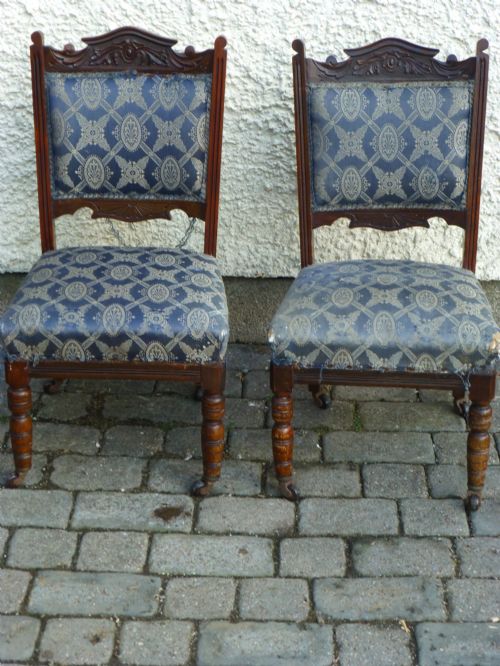
These nineteenth-century seating pieces bring distinct period character and deep upholstery to a room, functioning as a Victorian damask accent chair.
Victorian Damask Accent Chair
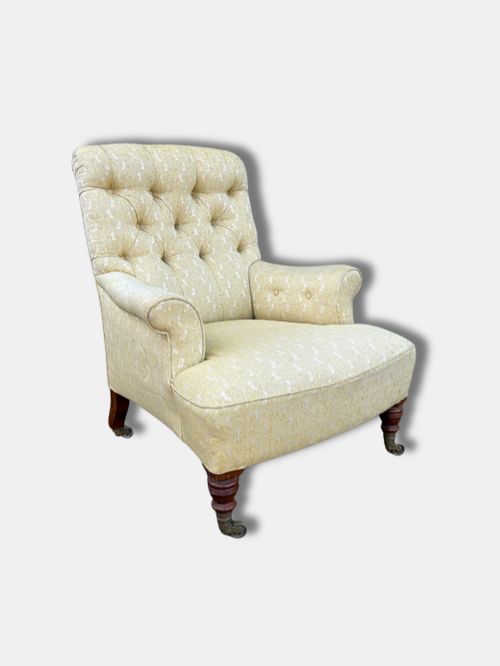
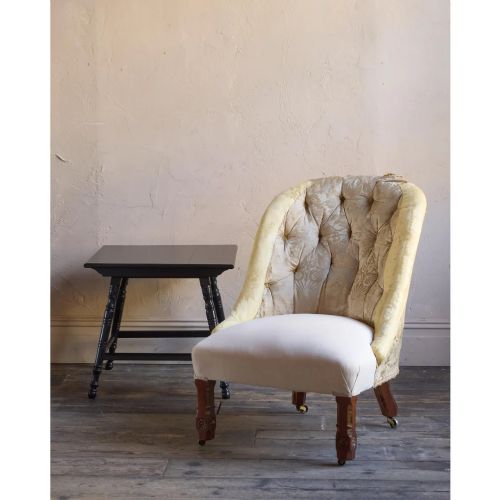
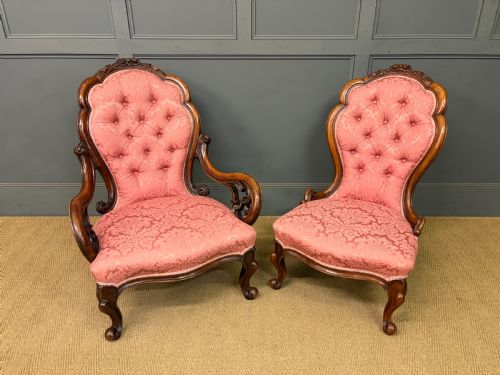
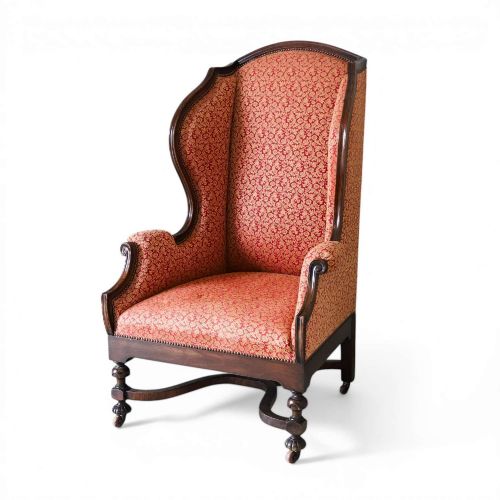
A victorian damask accent chair encompasses a variety of low-slung, supportive seating designed for nineteenth-century parlours, drawing rooms and bedrooms. The selection relies heavily on nineteenth-century walnut, rosewood and mahogany frames shaped into nursing chairs, slipper chairs, spoon-back armchairs and low-slung salon seats.
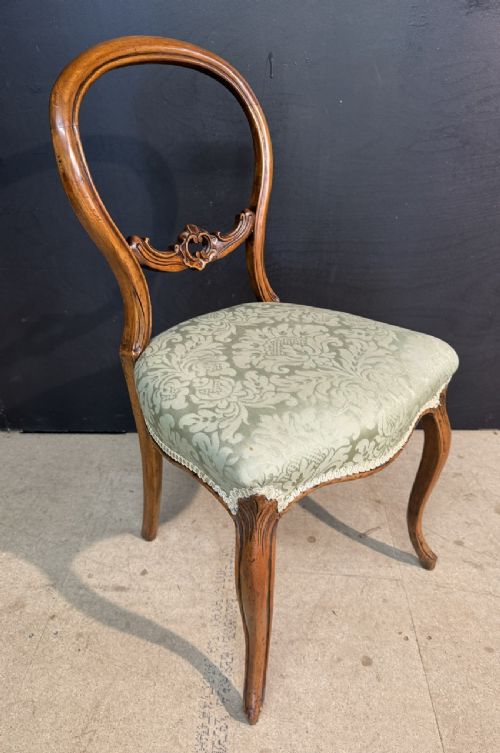
Buyers meet numerous revival styles alongside straightforward Victorian forms, including Carolean, Chippendale, and Rococo Revival. Frames frequently display button-backed upholstery, cabriole legs, or carved wooden details typical of the era.
Originating predominantly from English workshops and country houses, these pieces range from compact bedroom seats to substantial library armchairs. They serve primarily as occasional or accent seating rather than main dining or office chairs.
Materials and Construction
Cabinetmakers constructed the supportive skeletons using dense hardwoods such as walnut, mahogany and rosewood, often turning or carving the timber into cabriole legs, barley twists, or spoon backs. Brass castors and ceramic components frequently appear on the feet of heavier armchairs.
Upholstery forms the central component of these chairs, utilising damask fabric, button-tufting, and traditional stuffing methods over sprung or webbed bases. Frames span from exposed polished timber surrounds to fully upholstered structural forms.
Victorian nursing chairs sat remarkably close to the floor so ladies could tend to infants without tripping over their heavy crinolines.
Build and Material Standards
Quality rests on the crispness of the timber carving and the architectural proportion of the wooden frame, particularly in the curve of a spoon back or the sweep of an open arm. Dense hardwoods like rosewood and walnut indicate a finer initial commission compared to simpler secondary timbers.
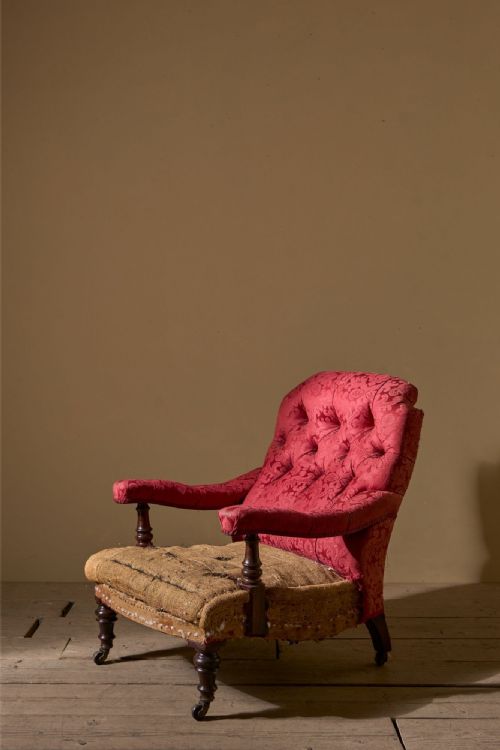
The integrity of the underlying joinery and the survival of original frame timber separate superior examples from altered pieces. The selection often includes frames requiring reupholstery, where the underlying webbing, springs and frame stability dictate the true worth of the piece.
Howard and Sons
The Victorian Damask Accent Chair Glossary
- Spoon-back
- A padded chair back hollowed out in the shape of an egg or spoon to fit the human spine. This ergonomic form appears frequently on Victorian nursing and salon chairs.
- Damask
- A reversible figured fabric woven on a jacquard loom with patterns formed by contrasting warps and wefts. It provides the traditional patterned textile surface for formal Victorian seating.
- Nursing chair
- A low-seated upholstered chair designed originally for nineteenth-century women to nurse infants comfortably. Their low profile makes them suitable as modern bedroom or fireside accent seats.
- Prie-dieu
- A devotional chair featuring a low seat and an upper shelf or rail designed for kneeling and prayer. These upholstered pieces translate easily into decorative occasional seating.
Victorian Damask Accent Chair: Frequently Asked Questions
What is a nursing chair?
A nursing chair is a low-seated nineteenth-century armchair originally built to allow women to feed infants comfortably near a hearth or in a bedroom.
Their compact scale and upholstered frames make them adaptable as modern accent chairs in living spaces or dressing rooms.
How do I identify a Victorian armchair?
Victorian armchairs are identified by dense hardwood frames made from walnut, mahogany or rosewood, often featuring button-backed upholstery and revival styling.
Details such as cabriole legs, spoon-backs, and exposed carved wooden mouldings point directly to mid-to-late nineteenth-century manufacture.
What is damask fabric?
Damask is a patterned textile traditionally woven with reversible designs created through contrasting flat and satin weaves. It was widely used during the nineteenth century for decorative upholstery on formal drawing room seating.
The fabric adds texture and sheen, catching light across floral or geometric motifs appropriate for period interiors.
Can I use these chairs daily?
These nineteenth-century chairs function well for daily use provided the internal webbing, springs and frame joints remain stable and secure. Many antique frames benefit from professional reupholstery to ensure structural support for modern seating habits.
Placing them as occasional or accent seating limits excessive wear while retaining their decorative value in a room.
What does for upholstery mean?
Pieces sold for upholstery indicate that the outer fabric, padding, and internal stuffing require complete replacement by a restorer. This condition allows buyers to select their own damask or modern textile to match a specific interior scheme.
The underlying wooden frame remains the primary focus when assessing these raw project pieces.