


Victorian Drawing Room Seat
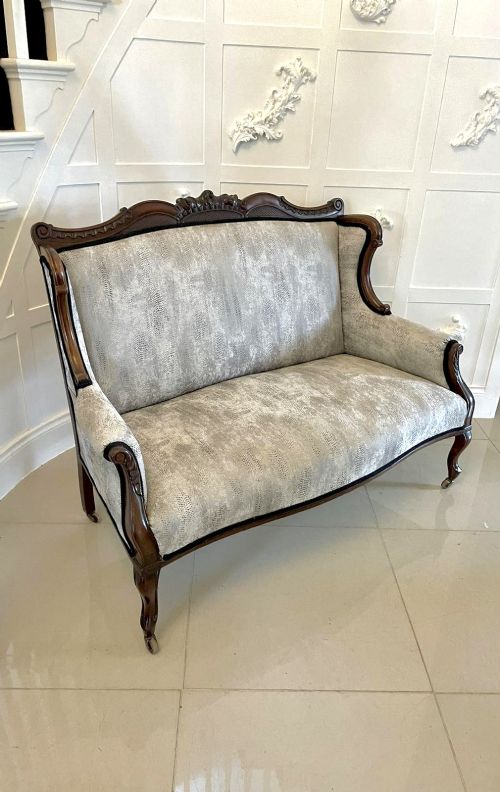
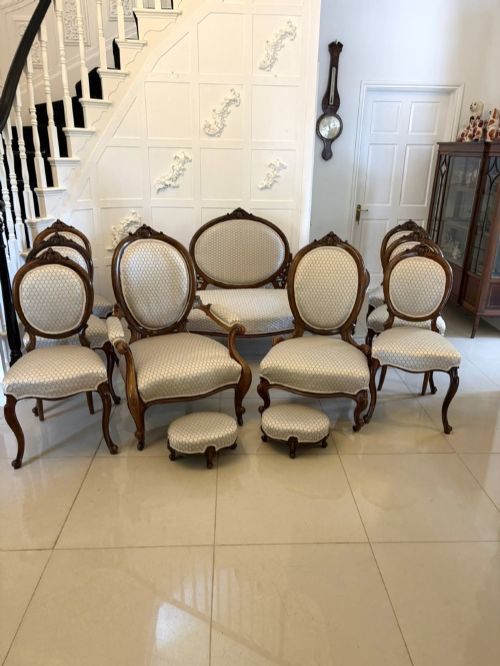
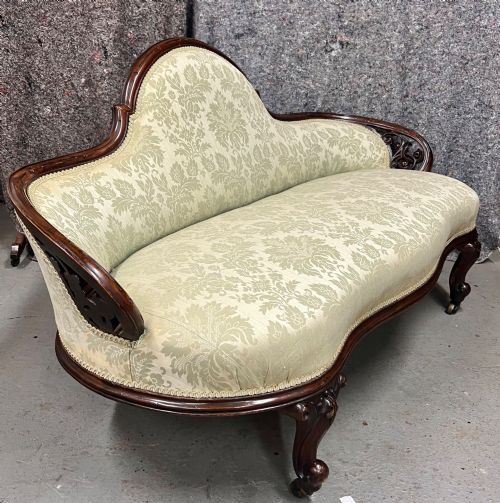
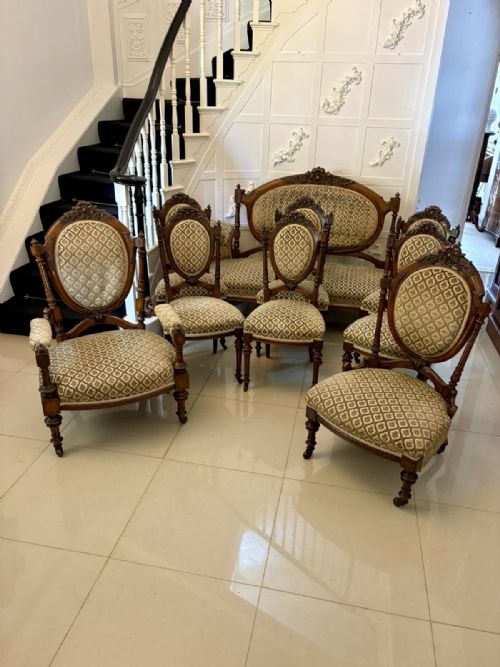
These Victorian drawing room seat pieces are formal timber and upholstered furnishings designed for parlour entertaining and quiet repose.
Victorian Drawing Room Seat
When you search for a victorian drawing room seat, you encounter a variety of forms including armchairs, settees, and side chairs spanning the nineteenth century. These furnishings originate from English parlours where hosts received guests and displayed taste through polished timber frames and plush upholstery.
The most common examples on this page range from walnut and rosewood salon suites to individual button-upholstered armchairs and inlaid sofas. Dating typically centres around the decades of the eighteen-fifties through to eighteen-ninety, reflecting shifting domestic fashions and cabinetmaking trends.
Occasional variations include specialised seating such as ladies side seats and buckle back chairs alongside related interior watercolour paintings. Each piece demonstrates the domestic comforts and decorative ambitions characteristic of the period.
Construction and materials
Cabinetmakers utilised hardwoods such as walnut, rosewood, oak, and mahogany to construct robust frames often enhanced with elaborate carving, turned members, or delicate marquetry inlay. Brass fittings and castors frequently facilitated movement across heavy carpeted drawing room floors.
Upholstery techniques relied on textiles including damask and patterned fabric stretched over sprung or stuffed foundations. Button upholstery secured deep padding to create the characteristic tufted surfaces demanded by comfortable Victorian patrons.
The listings span the nineteenth century, with materials ranging from walnut and rosewood to brass and damask.
Assessing quality in drawing room seating
The distinction between standard commercial production and exhibition quality work rests on the ambition of the carving, the selection of figured timber veneers, and the precision of the joinery. Finer walnut and rosewood frames display crisp moulding and balanced proportions rather than plain, repetitive factory turnings.
Upholstery finish also separates grades, where hand-stitched buttoning and superior damask or textile selection elevate a piece beyond basic utilitarian reupholstery. Maker attribution, such as documented London firms, further distinguishes exceptional survivals from anonymous regional workshop output.
Hindley And Sons
The Victorian Drawing Room Seat Glossary
- Settee
- A small upholstered sofa designed for two or more occupants, typically featuring a padded back and arms. These forms sat alongside matching armchairs in formal reception rooms.
- Damask
- A reversible figured fabric traditionally woven from silk, wool, or linen with patterns formed by contrasting warp and weft faces. It provided a durable and decorative surface for parlour seating.
- Marquetry
- The art of applying decorative pieces of veneer to a structural structure to form geometric or floral designs. Rosewood and walnut surfaces frequently incorporated lighter woods for contrast.
- Button upholstery
- A traditional method where buttons are pulled through the padding to secure the interior stuffing and create a diamond pattern. This technique added both tension and visual texture to Victorian chair backs.
Victorian Drawing Room Seat: Frequently Asked Questions
How were these seats used?
Victorian drawing room seating was arranged to facilitate polite conversation, musical performances, and reading during the afternoon and evening hours. Different forms served specific social rituals within the household.
Chairs with lower backs or narrower seats, such as ladies side seats, accommodated contemporary dress fashions, while robust armchairs offered more relaxed repose.
How do I date a piece?
Dating relies on stylistic shifts visible in the timber framing, ornamental motifs, and upholstery styles recorded across the nineteenth century. Earlier mid-century examples often display ornate Rococo Revival carving, while later Victorian pieces incorporate inlaid rosewood or simpler geometric lines.
Reference to specific exhibition pieces or documented makers also helps narrow the production window within the decades between eighteen-fifty and eighteen-ninety.
How do I live with these items?
Living with nineteenth-century drawing room seating involves placing them in domestic spaces where their timber frames and textiles receive balanced humidity and indirect light. They function effectively as accent seating in modern or traditional interiors.
Careful placement preserves fragile upholstery fabrics like damask while allowing the polished rosewood or walnut surfaces to anchor a room's decor.