

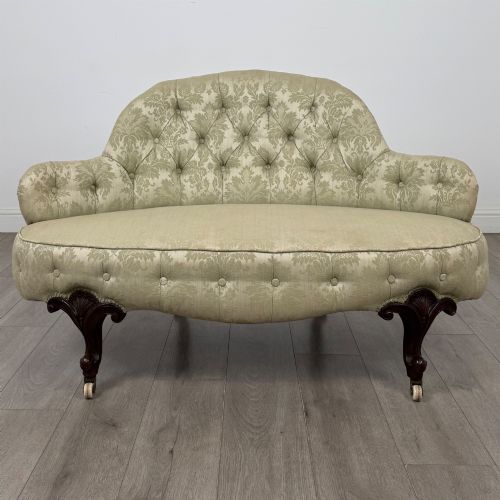
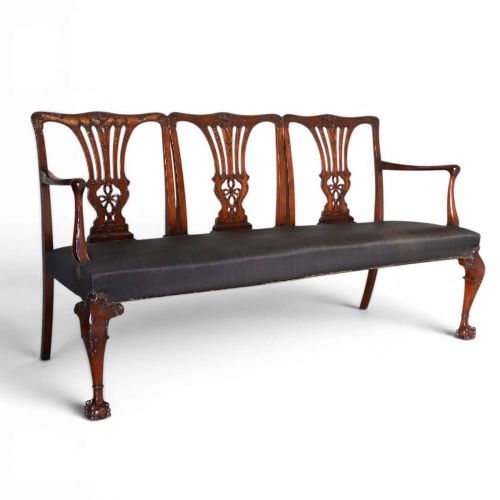
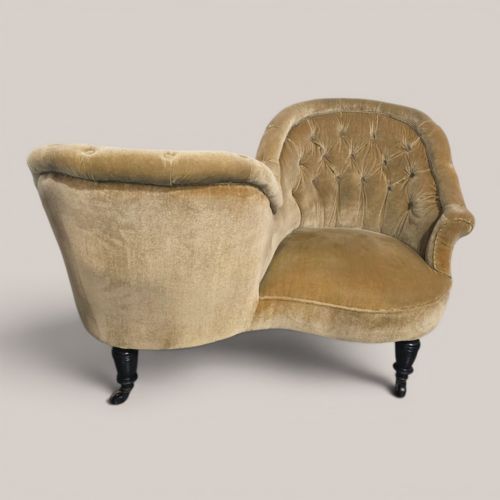


Antique Double Chair Sofa
An antique double chair sofa offers the joined backrest of twin or triple chairs set into a continuous wooden frame.
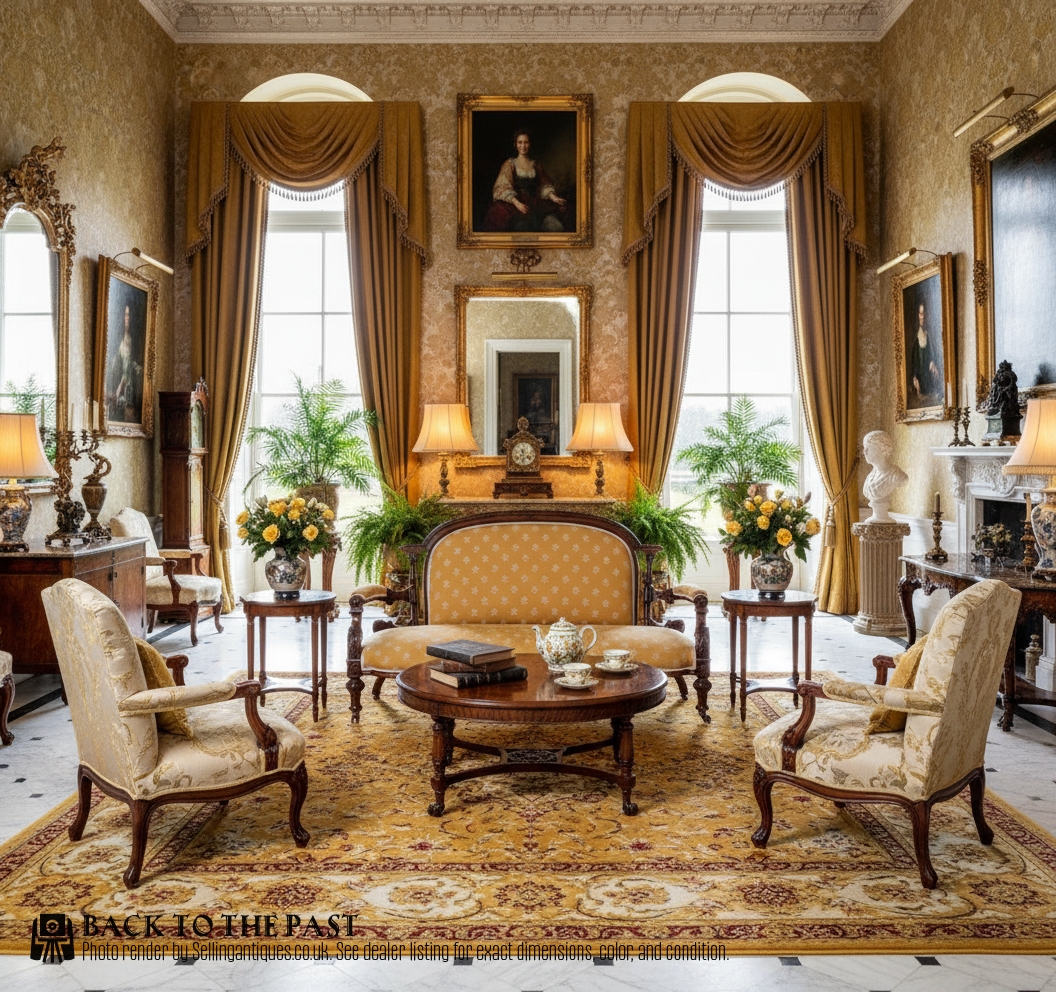
Antique Double Chair Sofa
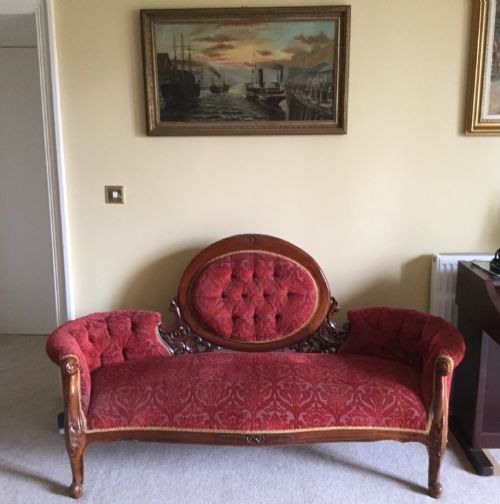
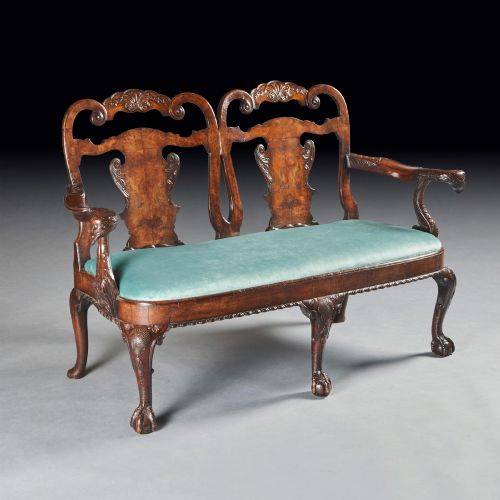
An antique double chair sofa combines the appearance of two or three individual chairs joined together into a single seating piece. These forms are often described in listings as chair-back settees, twin chair back sofas, or double-back seats.
The prevailing examples on this page date from the eighteenth century through the Edwardian period, with strong representation from Victorian and revival epochs. Makers drew upon Chippendale, George II, and Hepplewhite designs to shape the joined backrests.
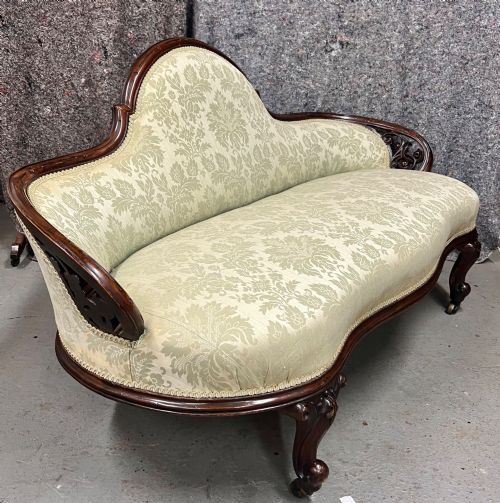
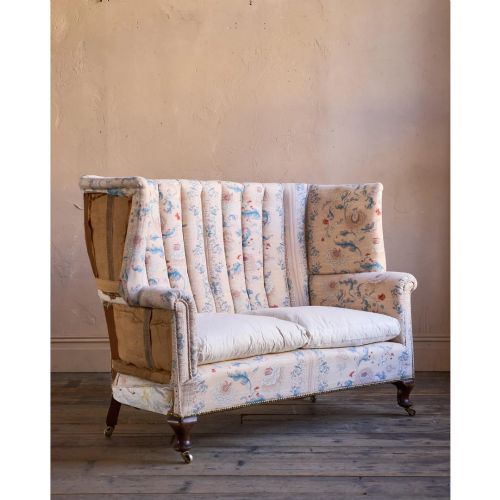
Frames appear in mahogany, walnut, oak, birch, and giltwood, paired with upholstery such as velvet, damask, fabric, and hessian. Pieces range from small salon settees to twin high-back sofas and conversation seats.
How they were made
Cabinetmakers constructed the structural frames from dense hardwoods such as mahogany, walnut, and oak, often shaping the timber with hand carving. Backrests frequently incorporate pierced splats or carved rails that echo the silhouette of individual dining or salon chairs.
Upholstered elements rely on traditional stuffing and sprung settee bases secured with hessian and finished with fabrics including velvet, damask, and brocade. Details like barley twist turnings, inlaid satinwood, and giltwood embellishments finish the showwood frames.
Some Victorian conversation seats wrap around so companions can chat face-to-face without craning their necks.
What varies in quality
The refinement of the hand carving on the chair-back splats and frame borders dictates much of the distinction between standard and superior pieces. Crisp detailing in revival styles reflects the skill invested by the cabinetmaker.
The selection of timber grain, particularly in figured mahogany, walnut, or inlaid satinwood surfaces, separates basic constructions from more ambitious workshop output. Upholstery choices, from simple ticking to deep-pile brocade, indicate the intended status of the original commission.
Howard & Sons
The Antique Double Chair Sofa Glossary
- Chair-back settee
- A form of seating where two or three chair backs are united side by side to form the backrest of a single sofa. This design borrows directly from contemporary dining chair patterns of the eighteenth and nineteenth centuries.
- Showwood
- Timber framework left visible around the upholstered portions of a sofa or settee. Walnut and mahogany showwood frames often feature carved details or polished finishes.
- Splat
- The vertical central strip of wood within a chair back connecting the crest rail to the seat. On double chair sofas, these splats repeat the carved motifs of specific design revivals.
- Twin chair back
- A double sofa design featuring two distinct chair back outlines joined harmoniously in the centre. These pieces frequently reference George II or Chippendale aesthetics.
- Barley twist
- A carved wooden furniture leg or stretcher shaped in a spiral twist resembling barley sugar. This decorative turning appears frequently on Victorian frames.
Antique Double Chair Sofa: Frequently Asked Questions
What is an antique double chair sofa?
An antique double chair sofa is a settee featuring a backrest composed of two or three conjoined chair shapes. These pieces combine the utility of a two-seater sofa with the distinct carved splats of standalone chairs.
Most examples found here date from the eighteenth to the early twentieth century, spanning Georgian, Victorian, and Edwardian design revivals.
How were double chair sofas used historically?
These settees served primarily in formal drawing rooms, parlours, and salons for seated conversation. Their decorative backrests allowed them to sit flat against walls or function as dividing elements within large spaces.
They provided comfortable seating for two individuals while maintaining the formal aesthetic of matched chair suites.
How do I identify a revival style?
Revival pieces emulate the proportions and ornamentation of earlier eras, such as George II or Chippendale designs, but were manufactured decades later. Cabinetmakers in the nineteenth and early twentieth centuries frequently adopted these historical motifs.
Characteristics like machine-sawn timber elements or specific secondary woods help distinguish revival furniture from original eighteenth-century work.
How should I care for showwood frames?
Showwood frames require gentle dusting with a dry cloth and occasional application of appropriate furniture wax to nourish the antique timber. Avoid placing these pieces in direct sunlight or near heat sources to prevent wood splitting.
Upholstery care depends on the fabric used, ranging from delicate brocade to durable ticking, and benefits from professional cleaning when needed.