



Green Damask Upholstered Chair
A green damask upholstered chair brings pattern and texture to a room, offering period seating built from walnut, mahogany, and rosewood.
Green Damask Upholstered Chair
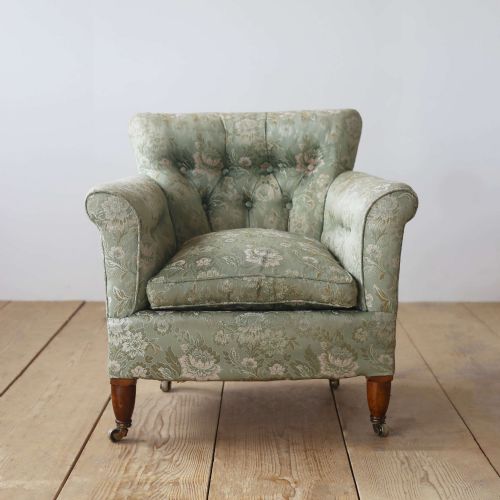
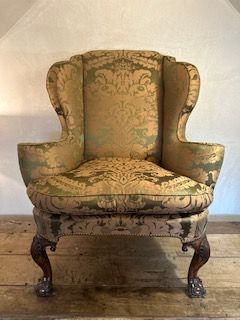
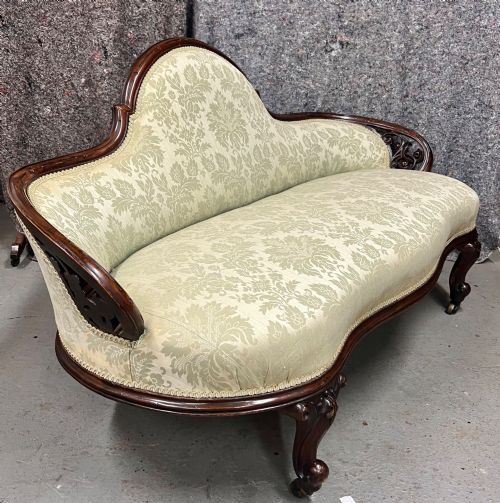
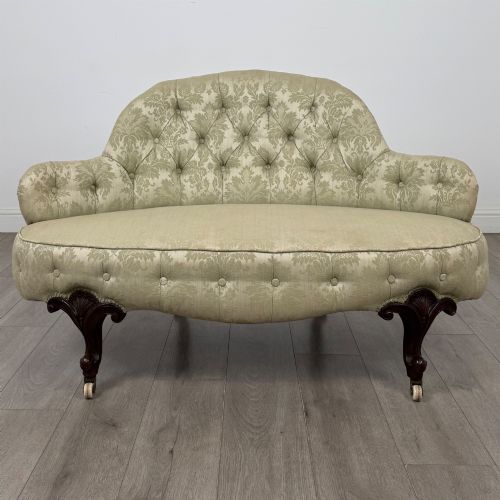
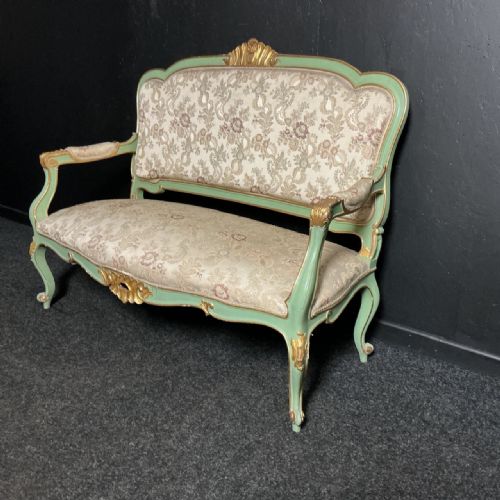
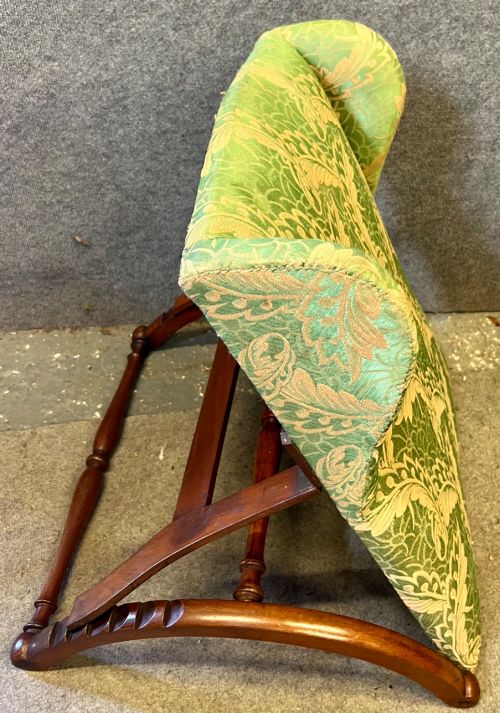
A green damask upholstered chair encompasses seating forms ranging from Victorian nursing chairs and salon armchairs to Georgian style wing chairs and nineteenth century settees. These pieces combine exposed timber frames with patterned fabric upholstery, serving as functional seating and decorative room accents.
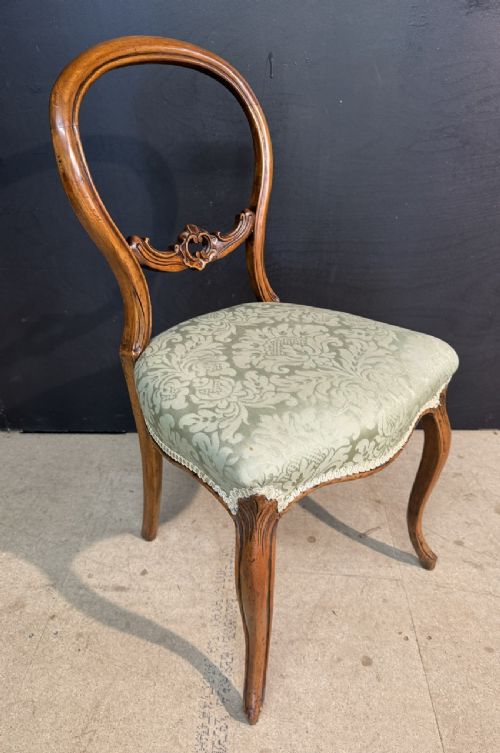
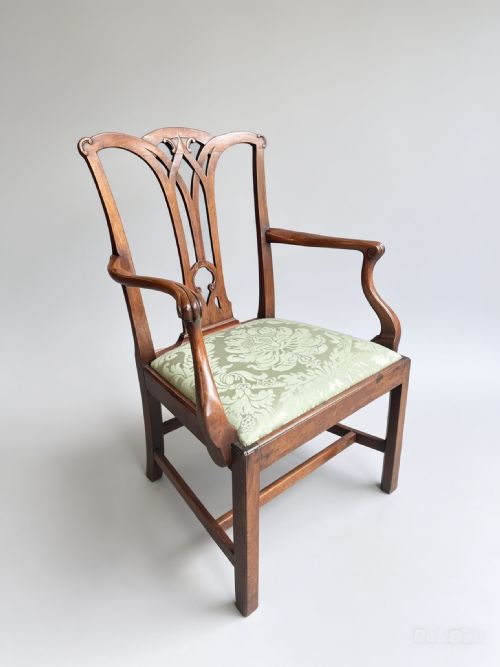
The versions most commonly met on this page date from the nineteenth century and the Victorian era, alongside eighteenth century examples and Edwardian interpretations. Frameworks utilise mahogany, walnut, rosewood, and giltwood, often shaped in revival styles such as Rococo, Louis XV, or Chippendale design.
Buyers encounter armchairs, wing chairs, side chairs, and small settees sharing this specific fabric and colour scheme. Each form reflects the domestic comfort and formal reception requirements of its respective period.
What varies in quality
The refinement of the timber frame separates standard production from superior examples, visible in the depth of hand carving on cabriole legs and the selection of figured mahogany or walnut veneers. Makers who invested time in timber selection created pieces with enduring structural integrity.
Upholstery execution alters the character of the seating, particularly where button back tension, fabric alignment, and edge piping demonstrate meticulous craftsmanship. The presence of maker stamps or fully original construction elements elevates an example within its period.
Listings feature frameworks built from mahogany, walnut, rosewood, and ceramic components across the Victorian and Georgian periods.
Howard and Sons
The Green Damask Upholstered Chair Glossary
- Damask
- A reversible figured fabric traditionally woven on a jacquard loom with patterns that contrast flat and satin weaves. This textile provides the characteristic surface texture seen on these chairs.
- Cabriole leg
- A furniture leg that curves outward at the knee and tapers inward toward the ankle, frequently ending in a pad or claw foot. This form derives from classical furniture design and appears widely on eighteenth and nineteenth century frames.
- Wing chair
- An armchair featuring side panels or wings attached to the backrest, designed to shield the sitter from drafts. Early versions also served to trap heat from a fireplace.
- Giltwood
- Timber coated with a thin layer of gold leaf or gilt powder applied over a prepared gesso surface. This finish appears on decorative revival armchairs.
- Nursing chair
- A low-seated armchair designed in the Victorian period for comfort while tending to infants or sitting near nursery hearths. These chairs typically possess low seats and high backs.
Green Damask Upholstered Chair: Frequently Asked Questions
What periods do these chairs come from?
The listings span the eighteenth, nineteenth, and early twentieth centuries, including Georgian, Victorian, Edwardian, and later revival styles.
Craftsmen across these eras utilised distinct timbers and carving techniques that help identify the date of manufacture.
How were wing armchairs used originally?
Wing armchairs were placed near fireplaces to protect occupants from cold drafts while retaining heat around the head and shoulders.
Over time, they transitioned into principal seating pieces for drawing rooms and libraries.
Are these chairs suitable for daily use?
Most antique armchairs and side chairs function well for everyday seating when their wooden frames and internal webbing remain sound.
Buyers often assess the stability of the joints and the condition of the upholstery before integrating them into modern rooms.
How do you distinguish Victorian from Georgian styles?
Georgian seating frequently exhibits restraint in mahogany with proportions influenced by Chippendale or Sheraton designs.
Victorian pieces often embrace walnut frames, button back upholstery, and revival aesthetics such as Rococo or Louis XV influences.