

Carved Walnut Plant Stand
A carved walnut plant stand brings rich timber grain and sculptural form to a room, lifting greenery or sculpture into the light.
Carved Walnut Plant Stand
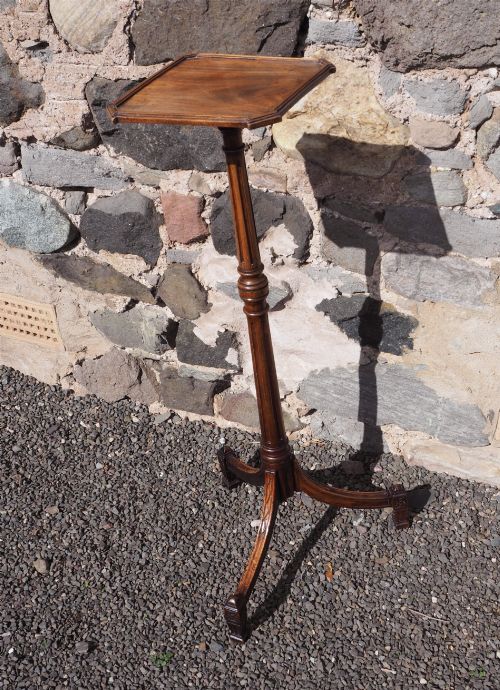
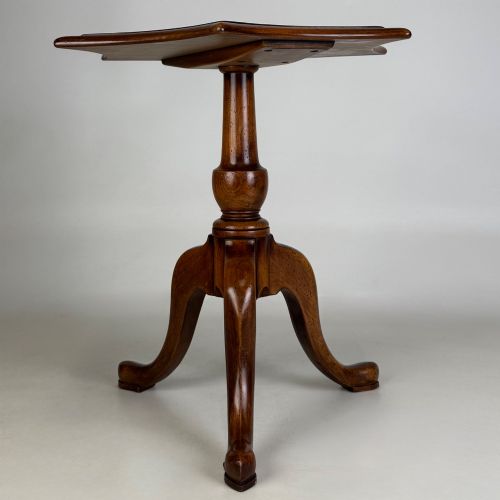
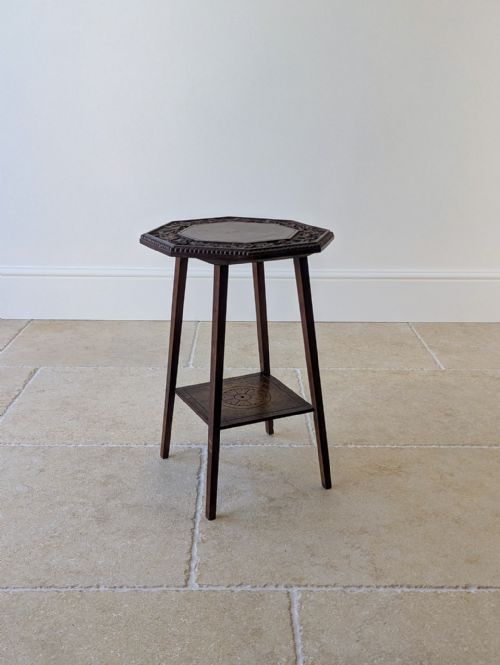
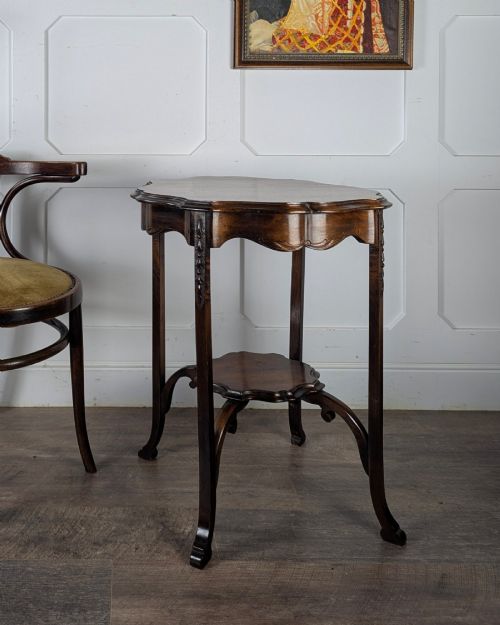
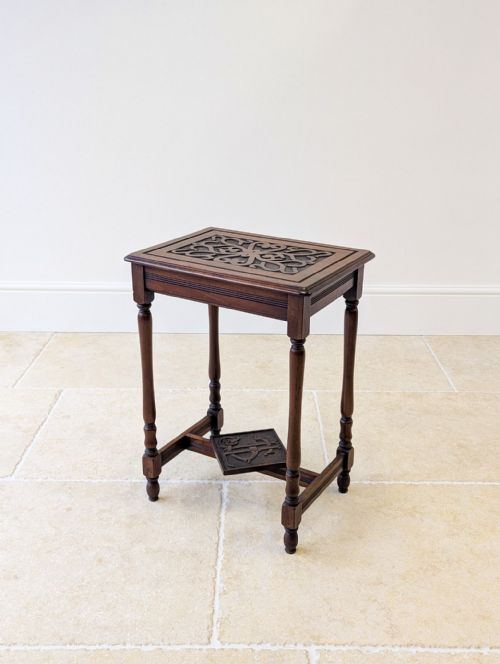
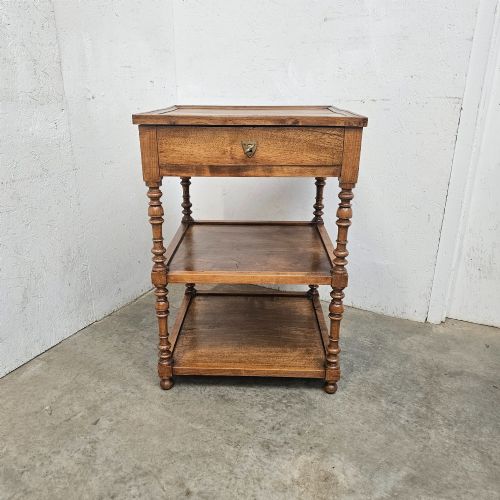
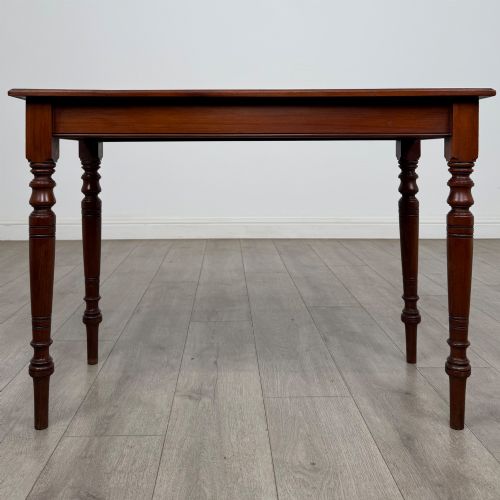
A carved walnut plant stand serves as a raised platform for indoor flora, jardiniere bowls, or decorative objects. When you search for a carved walnut plant stand, you encounter tall pedestals, multi-tiered occasional tables, and dedicated jardiniere tables designed to hold planters. These pieces span the nineteenth century, the Victorian era, and the Edwardian period, reflecting diverse regional tastes from British workshops to continental makers.
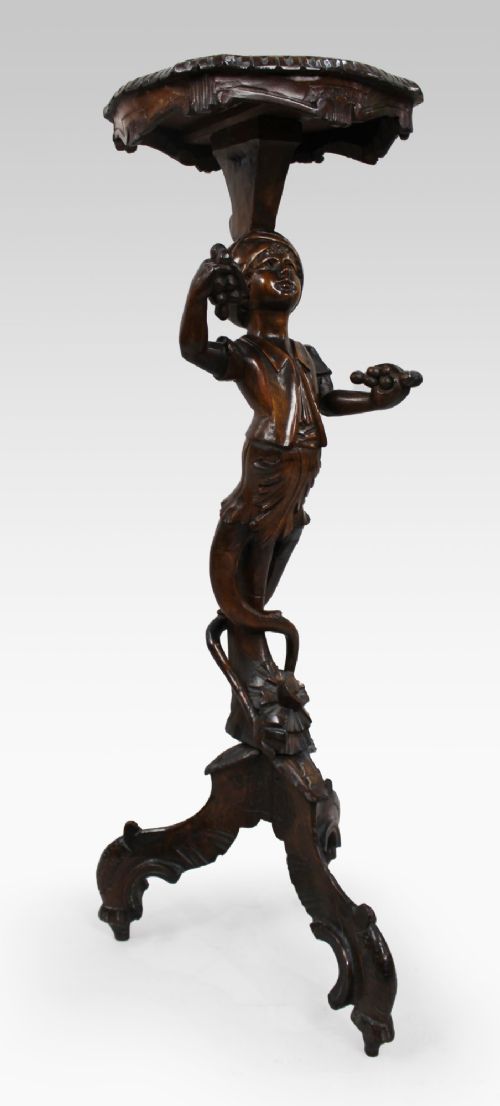
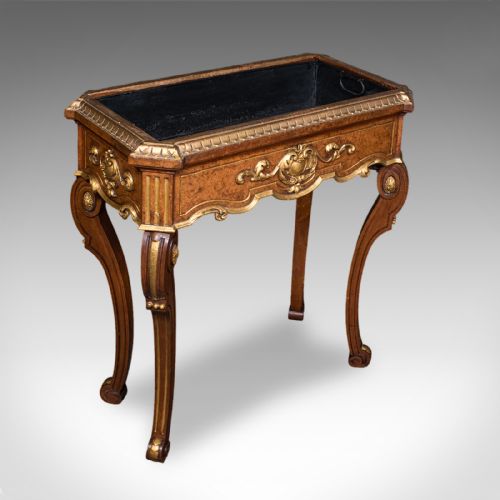
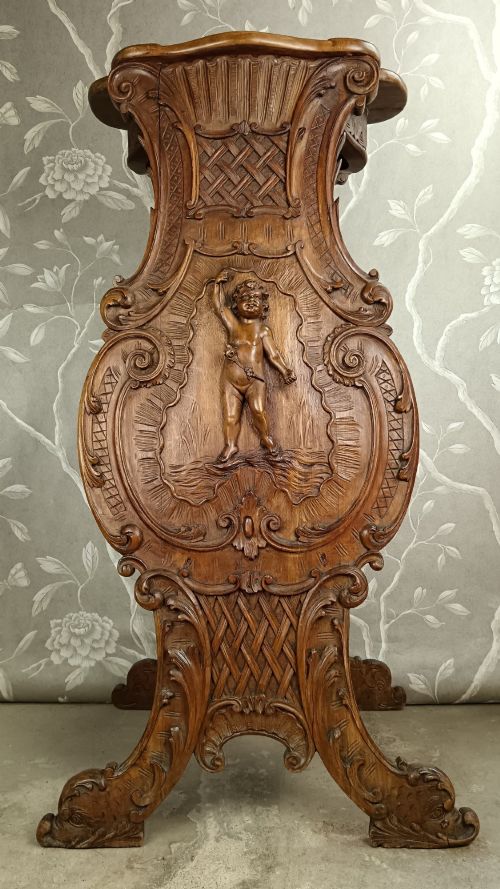
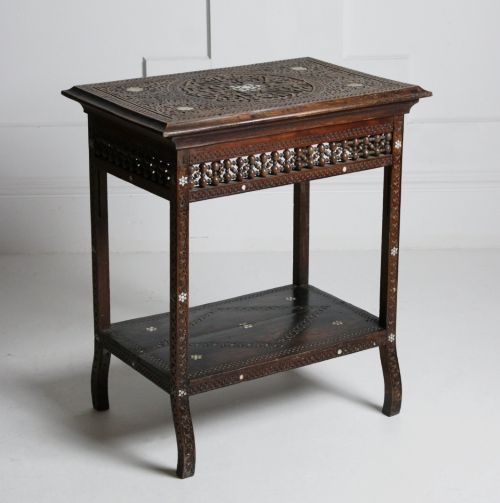
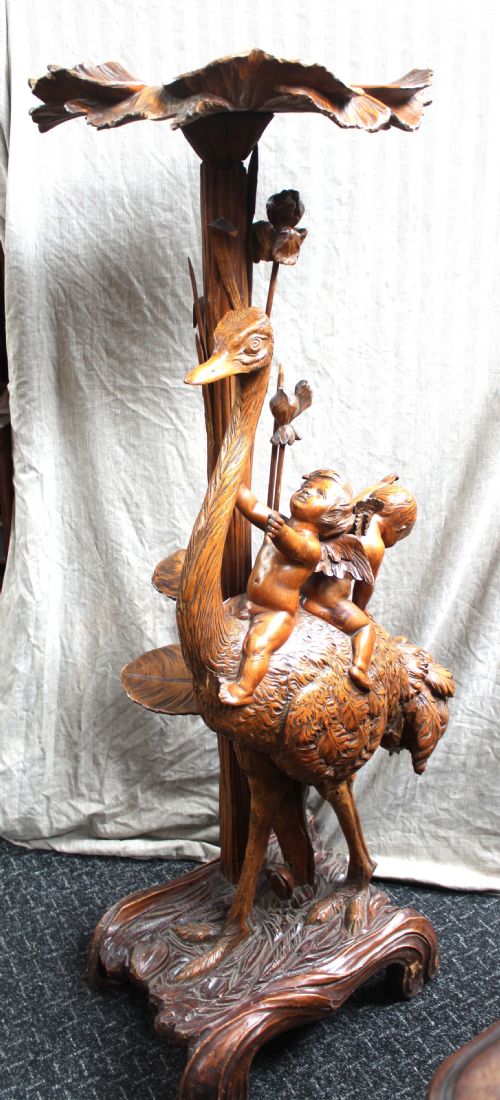
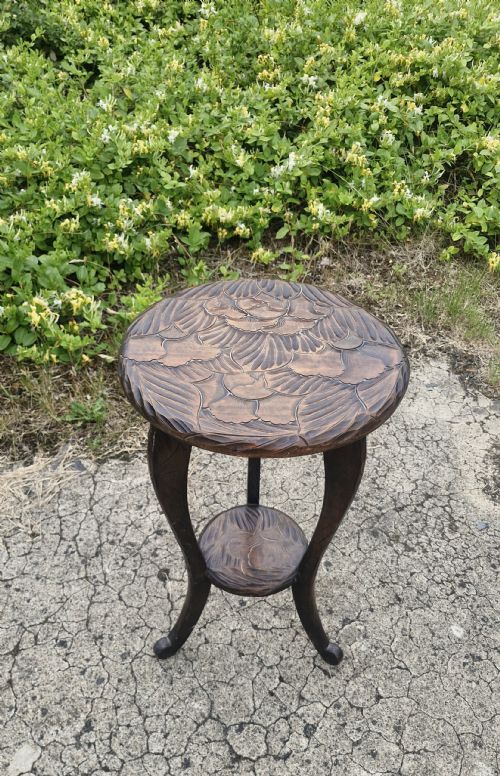
The forms on this page range from slender torchieres and figural pedestals to octagonal side tables and two-tier display stands. Many examples incorporate fitted metal liners, marble inserts, or glass elements designed to protect the timber from moisture. The walnut timber provides a dense, stable foundation that supports intricate hand-carving along the stems, aprons, and legs.
How they were made
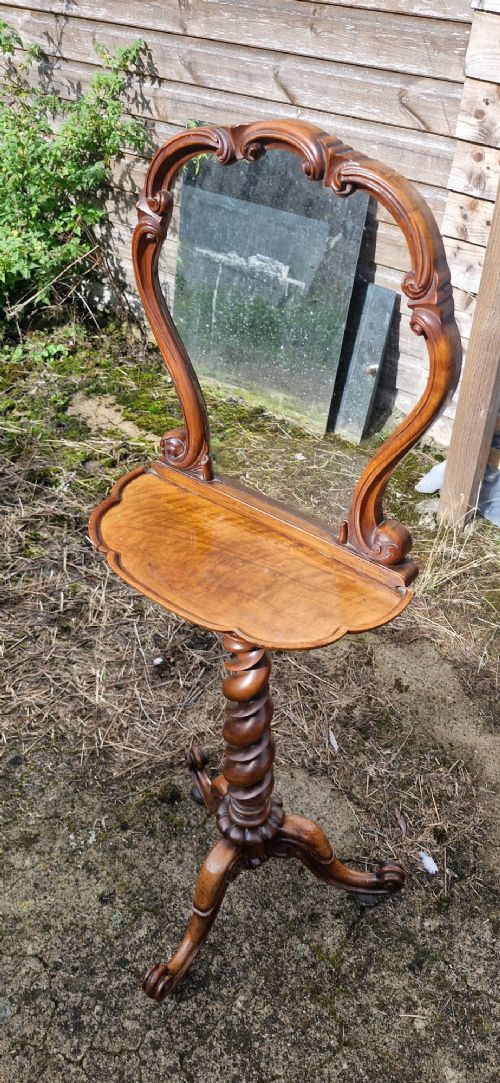
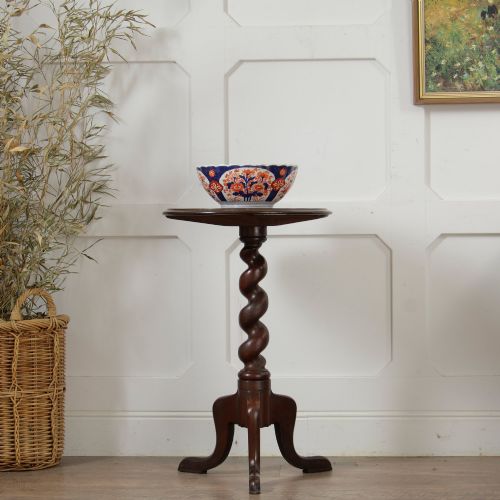
Cabinet makers utilised solid walnut and figured burr walnut veneers, applying hand-carved ornamentation such as scrolling foliage, fluting, and figural motifs. Structural elements often rely on traditional joinery, turned barley-twist legs, and sturdy central columns fixed to weighted circular or tri-form bases.
Surface decoration frequently extends beyond timber carving to include contrasting ebonised wood details, mother-of-pearl inlay, and cast brass or ormolu mounts. Jardiniere variants commonly integrate removable metal liners or inset marble tops to accommodate wet soil and heavy planters safely.
Carved Walnut Plant Stand Retail Price Guide 2026
Typical asking prices for carved walnut plant stand among the pieces listed under this phrase on Sellingantiques today, from the lower quarter to the upper quarter. They describe what is for sale here now, not the wider market.
Several stands double as decanter caddies, proving that Victorian plant collectors occasionally required refreshment near their ferns.
What varies in quality
The standard of a carved walnut plant stand depends largely on the crispness of the hand-carving and the selection of the timber grain. Finer examples display deeply undercut foliage, balanced proportions, and symmetrical turning, whereas simpler pieces rely on shallow machine-routed details or plain turned shafts.
Attention to secondary materials also distinguishes the work, such as the use of heavy cast ormolu mounts, genuine inset marble slabs, and finely figured burr walnut veneers. Structural integrity in the central column and the stability of the base determine how securely the stand bears weight.
Liberty's
The Carved Walnut Plant Stand Glossary
- Jardiniere table
- A specialised stand featuring an integrated basin, metal liner, or recessed top designed to hold live plants and flowers.
- Torchiere
- A tall, slender floor stand or pedestal originally intended to carry a torch or candle, later adapted for lamps and display.
- Burr walnut
- A prized timber harvested from walnut tree growths, yielding intricate, swirling grain patterns highly valued for decorative table tops.
- Ormolu
- Gilded bronze or brass mounts cast and chased by hand to ornament furniture frames and pedestals.
- Ebonised wood
- Timber treated with a dark finish to imitate the appearance of dense ebony.
Carved Walnut Plant Stand: Frequently Asked Questions
What is a jardiniere table?
A jardiniere table is a specialised piece of furniture built to hold indoor plants, incorporating a waterproof liner or inset tray within the top surface.
These tables allow plants to be displayed at standing height while protecting the surrounding wooden structure from water damage during watering.
What distinguishes Victorian pieces?
Victorian stands frequently exhibit heavier proportions, darker finishes, and eclectic stylistic revivals ranging from Gothic to Renaissance themes.
Carving during this period tends to be deep and robust, often utilising barley-twist turnings and substantial pedestal bases.
Where were these stands placed?
Historically, these stands occupied prominent positions in Victorian and Edwardian drawing rooms, hallways, and near tall bay windows.
They were positioned to capture natural light for indoor ferns and flowering plants while serving as decorative display surfaces.