




Aesthetic Movement Stool
An aesthetic movement stool brings distinct period character to a room, combining thoughtful design with practical seating.
Aesthetic Movement Stool
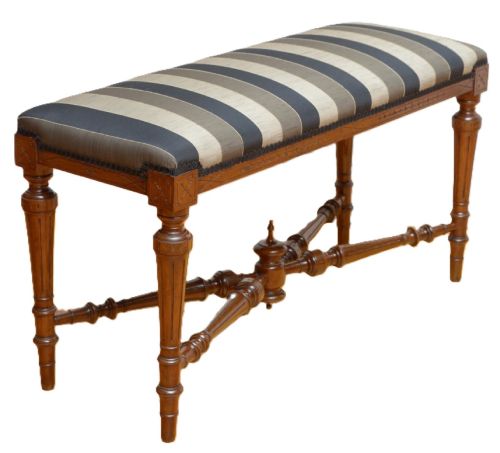
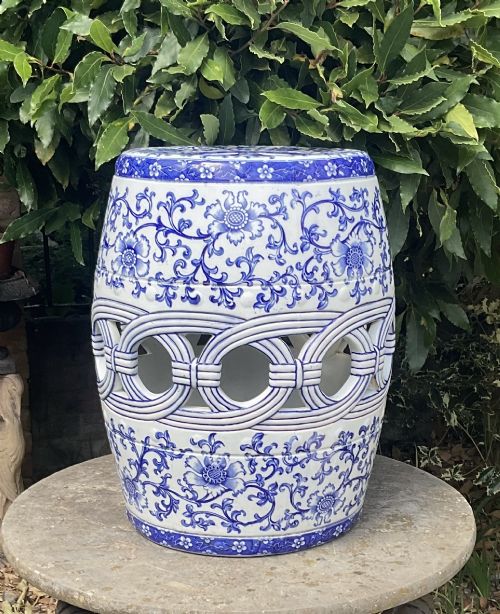
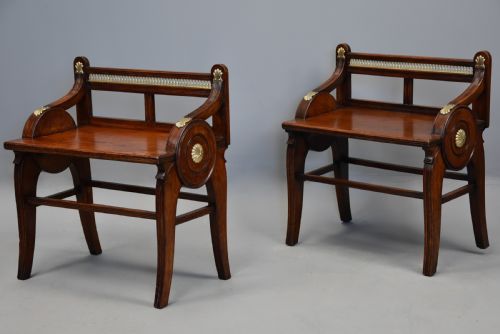
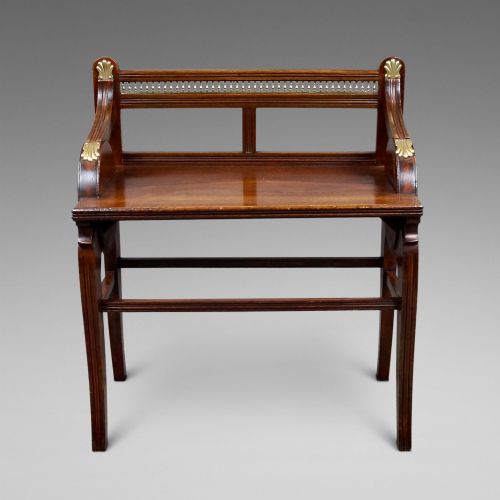
An aesthetic movement stool encompasses various seating forms such as piano stools, footstools, benches, and window seats originating from the nineteenth century and the Victorian period. These pieces frequently appear in ebonised wood, walnut, mahogany, and oak, often detailed with parcel gilt or brass mounts.
Buyers will encounter multiple functional variations including adjustable height mechanisms, storage compartments, and duet configurations alongside occasional tables and hall benches. The construction reflects the distinct decorative ideals of the era, spanning simple forms to more elaborate upholstered examples.
Originating predominantly from British workshops around eighteen eighty to eighteen ninety, these pieces bridge the gap between late Victorian taste and early arts and crafts sensibilities. Surviving examples demonstrate the versatility of nineteenth century interior arrangements.
Materials and construction methods
Cabinetmakers utilised dense hardwoods including walnut, mahogany, oak, and birch, frequently applying ebonised finishes to mimic exotic woods like ebony. Surfaces were often enhanced with parcel gilt highlights, brass fittings, and intricate inlay work to catch the light.
Upholstery formed a central part of the construction, employing traditional textiles, velvet, needlework, and cane seats supported by softwood frames. Piano stools incorporated functional mechanical elements for rise and fall adjustments or internal music storage.
Aesthetic Movement Stool Retail Price Guide 2026
Typical asking prices for aesthetic movement stool among the pieces listed under this phrase on Sellingantiques today, from the lower quarter to the upper quarter. They describe what is for sale here now, not the wider market.
Current listings feature pieces spanning the Victorian period, eighteen ninety, and nineteen twenty, constructed from ebonised wood, walnut, softwood, and bamboo.
Factors of distinction
Quality rests upon the execution of the woodwork and the integrity of the finish, whether in the depth of the ebonisation or the crispness of the parcel gilt. Maker attribution through stamped signatures or paper labels elevates certain pieces significantly above unmarked workshop production.
The sophistication of the mechanical parts in adjustable piano stools and the preservation of original upholstery materials dictate the standing of individual examples. Structural soundness in cane seats and stability in turned or bamboo-turned legs remain essential markers of standard.
Holland and Son·Marsh and Jones·Jas Shoolbred
The Aesthetic Movement Stool Glossary
- Ebonised Wood
- Timber treated with a dark stain or finish to imitate true ebony. This dark surface provided a stark contrast for gilt highlights common in nineteenth-century design.
- Parcel Gilt
- Woodwork partially decorated with gold leaf or gilt paint. This technique accentuated carved details and mouldings.
- Rise and Fall
- A mechanical height adjustment system found primarily on piano stools. It allowed the musician to alter seating elevation smoothly.
- Thebes Stool
- A low stool design inspired by ancient Egyptian artefacts. These oak pieces became popular during the late nineteenth century.
- Duet Stool
- A wider seating form designed for two people playing a piano together. They often included hinged lids for sheet music storage.
Aesthetic Movement Stool: Frequently Asked Questions
What is an aesthetic movement stool?
An aesthetic movement stool is a nineteenth-century seating piece characterised by period ornamentation, often utilising ebonised timber, parcel gilt, and upholstered tops. These pieces were produced in various forms including piano stools, footstools, and benches.
They reflect the artistic reform tastes of the Victorian era, moving away from heavy industrial decoration toward more curated design.
How do I use a piano stool today?
Piano stools serve well as seating at dressing tables, desks, or as standalone accent pieces in living spaces. Adjustable height variants allow for versatile placement.
Many examples also incorporate internal storage, making them practical for holding small items while maintaining period style.
How do I date an aesthetic movement stool?
Dating relies on examining the timber types, joinery methods, and hardware used in the construction. Most pieces date from the eighteen eighties and eighteen nineties.
Maker stamps and distinctive stylistic markers like ebonisation or bamboo-turned legs help narrow the period of origin.
What is a Thebes stool?
A Thebes stool is a specific form of oak seating inspired by ancient Egyptian archaeological finds. These pieces featured sloped legs and concave wooden seats.
They gained popularity through firms like Liberty during the late nineteenth century as part of the broader aesthetic movement.