
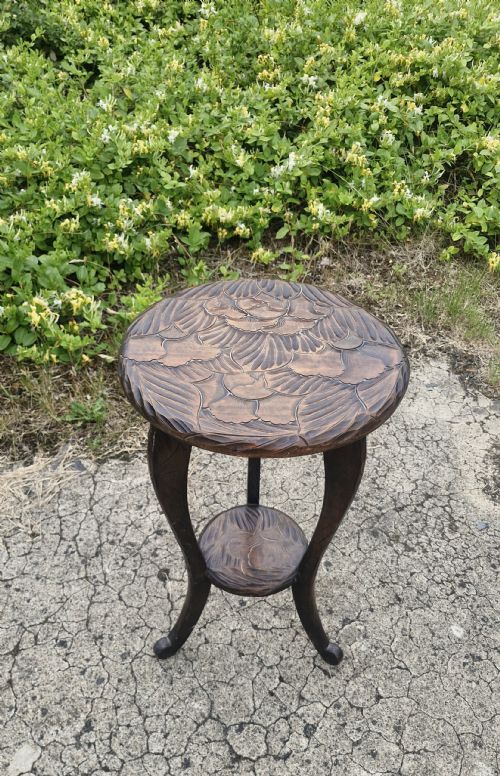

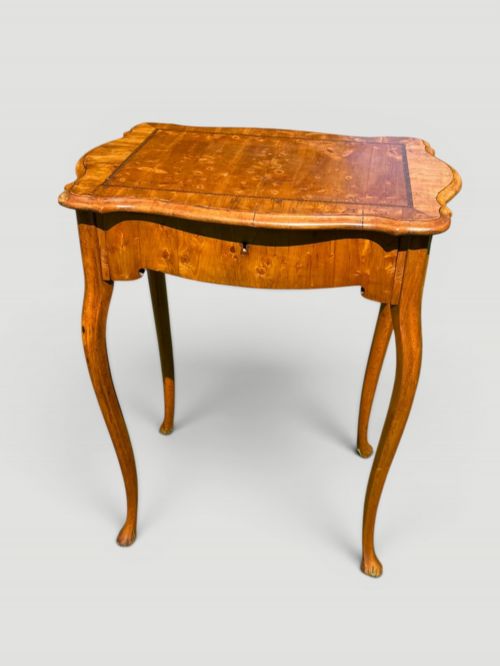
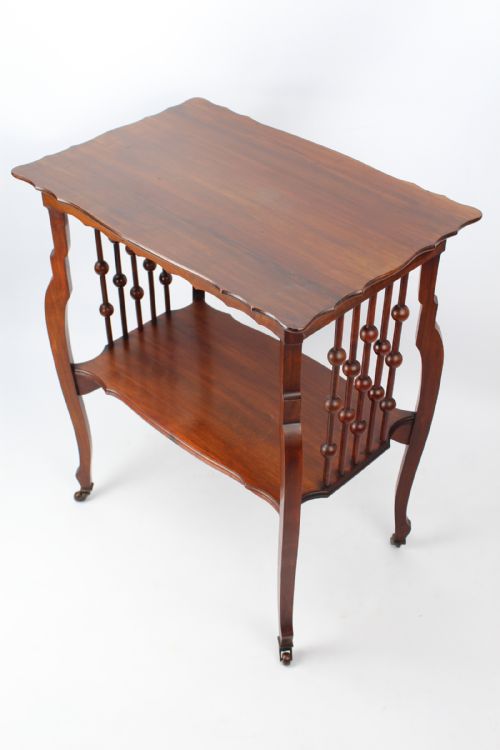


Carved Walnut End Table
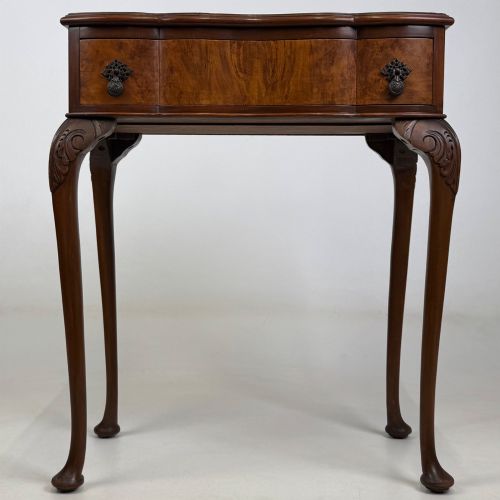
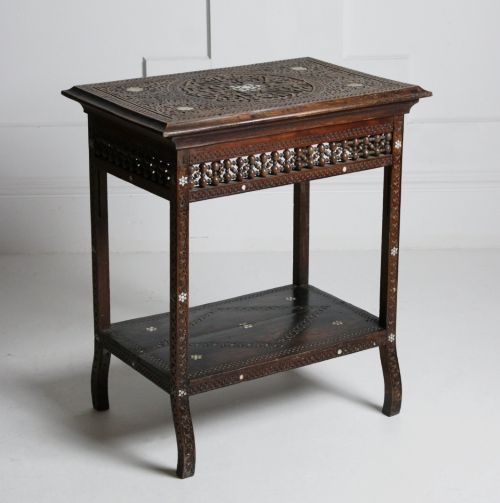
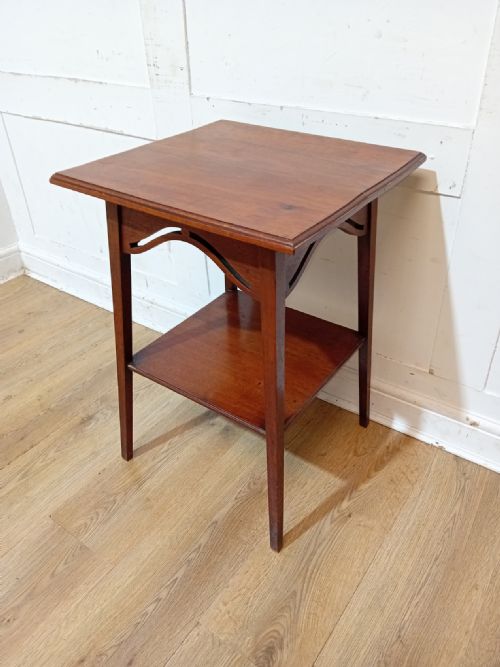
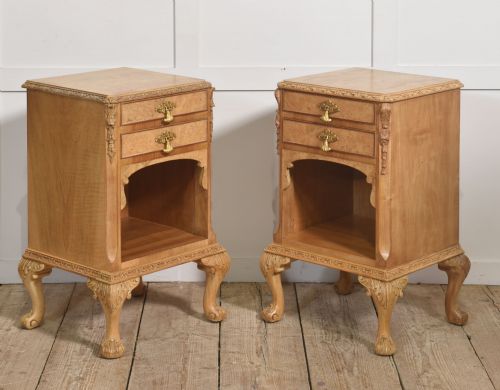
A carved walnut end table brings rich timber grain and historic character to a room, functioning as a practical surface beside a chair or bed.
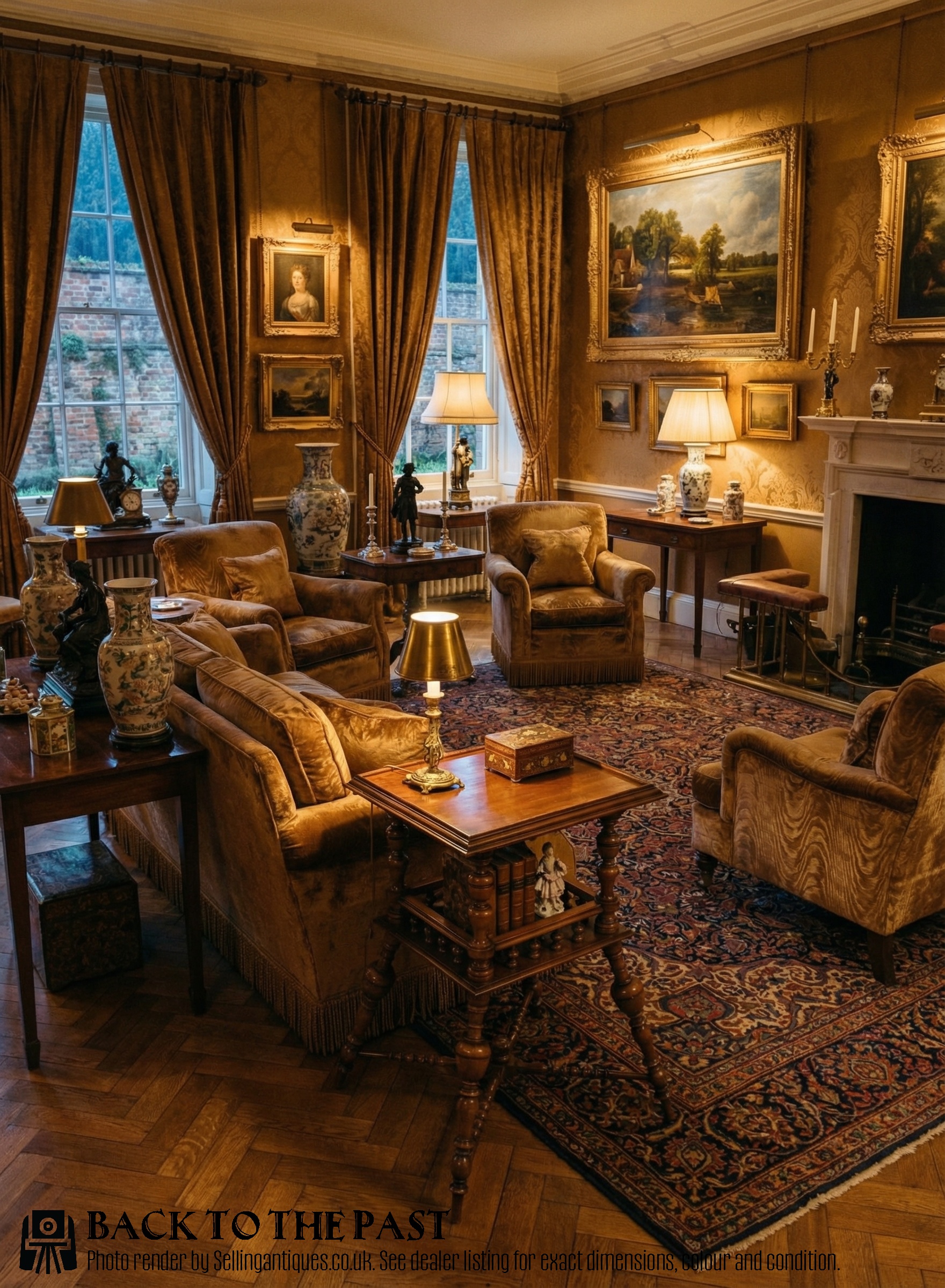
Carved Walnut End Table
When searching for a carved walnut end table, buyers encounter a diverse selection of occasional tables, side tables, and bedside cabinets spanning from the eighteenth century through the Edwardian period and the 1920s. These pieces encompass various regional designs, including English Victorian works, French styles, and Italian pieces.
Construction and Materials
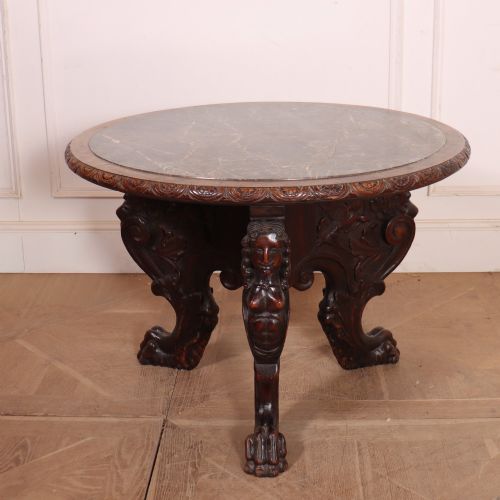
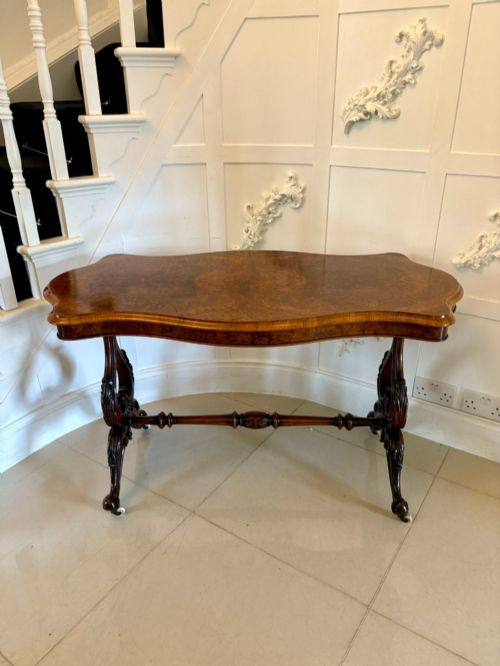
Craftsmen utilised solid walnut and highly figured burr walnut veneers over secondary timbers to create striking patterned surfaces on table tops. Structural elements often incorporate carved wood details, while select pieces integrate brass, marble tops, mother-of-pearl, bone, or ceramic accents.
Joinery methods reflect the period of origin, ranging from nineteenth-century stretcher bases and drop-flap mechanisms to twentieth-century occasional table frames. Surfaces were shaped, turned, and hand-carved to highlight the natural warmth and grain of the wood.
Listings feature walnut, burr walnut, marble, brass, and mother-of-pearl across periods spanning the eighteenth, nineteenth, and early twentieth centuries.
Evaluating Quality and Craftsmanship
The distinction between standard examples and the finest pieces lies in the selection of timber and the execution of the carving. Highly figured burr walnut veneers and crisp, deep hand-carving elevate the visual impact of a table significantly above plain-grained alternatives.
Proportion, structural integrity, and the retention of original decorative elements such as brass mounts or marble inserts determine the overall calibre of an antique table. Pieces bearing documented workshop attributions or refined stylistic details demonstrate superior craftsmanship.
Liberty of London
The Carved Walnut End Table Glossary
- Burr walnut
- A prized timber veneer taken from the growth growths or burls of walnut trees, exhibiting swirling and highly decorative grain patterns. It is frequently seen on Victorian and Edwardian table tops.
- Sutherland table
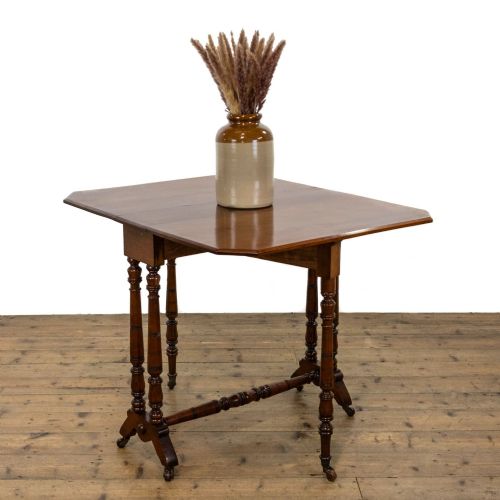
- A narrow drop-leaf table with exceptionally small drop flaps supported by swinging gate legs. This form allows the table to fold down into a very slender profile when not in use.
- Occasional table
- A small, light table designed to be moved around a room as needed for lamps, drinks, or display. They appear frequently in nineteenth and early twentieth-century interiors.
- Claw and ball
- A furniture foot design depicting a bird talon clutching a ball, commonly found on eighteenth-century revival cabriole legs. It reflects stylistic influences from Chinese art incorporated into European furniture.
- Two tier table
- A table featuring an upper surface and a secondary lower shelf connected by legs or upright supports. The lower tier provides additional space for display or storage.
Carved Walnut End Table: Frequently Asked Questions
How do I date a walnut table?
Dating relies on examining construction techniques, hardware, and stylistic indicators such as leg shapes and edge profiles. Comparing the timber preparation and secondary woods to known period examples helps narrow down the decade.
Makers' marks or retailer labels, when present, provide definitive clues to the exact era of manufacture.
What is burr walnut?
Burr walnut is a specialised wood veneer harvested from tree growths that produce chaotic, highly figured grain patterns. Cabinetmakers selected these veneers for prominent surfaces to create dramatic visual texture.
This material is a hallmark of decorative Victorian and Edwardian occasional furniture.
Are these tables suitable for modern use?
These tables adapt easily to contemporary interiors as bedside stands, lamp supports, or sofa-side surfaces. Their compact dimensions allow them to fit into spaces where modern furniture might feel too bulky.
Routine care involves maintaining stable indoor humidity and using gentle cleaners to protect the historic polish.