

Brown Wooden Lamp Stand
A brown wooden lamp stand brings warmth and function to a room, ranging from compact occasional tables to tall floor standards.
Brown Wooden Lamp Stand
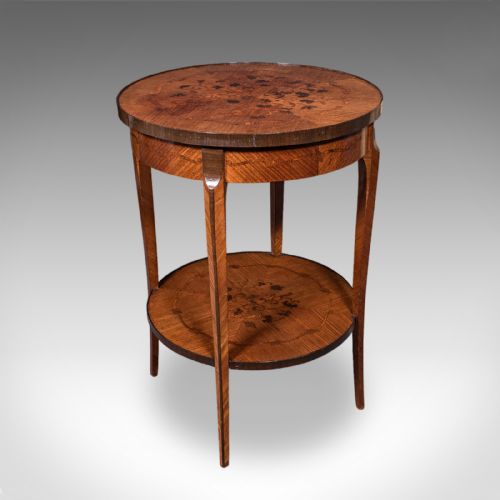
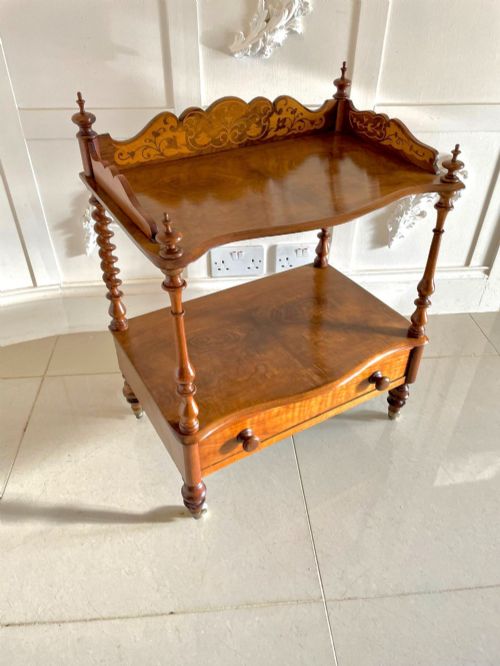
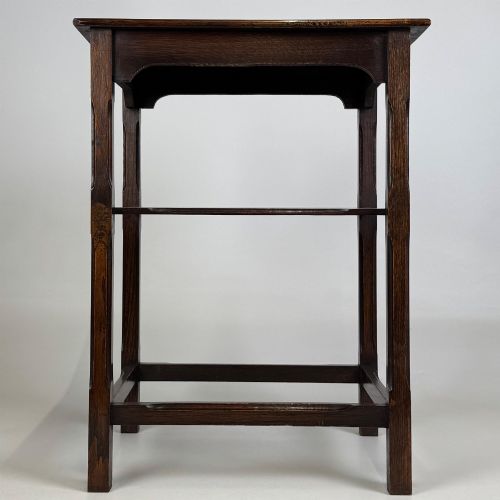
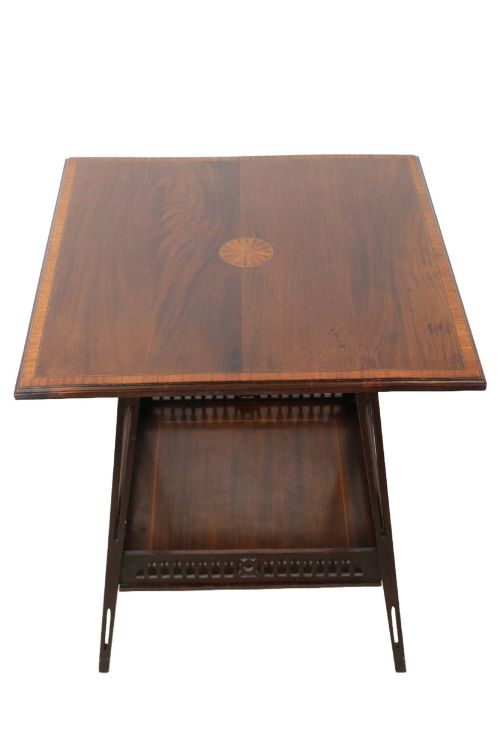
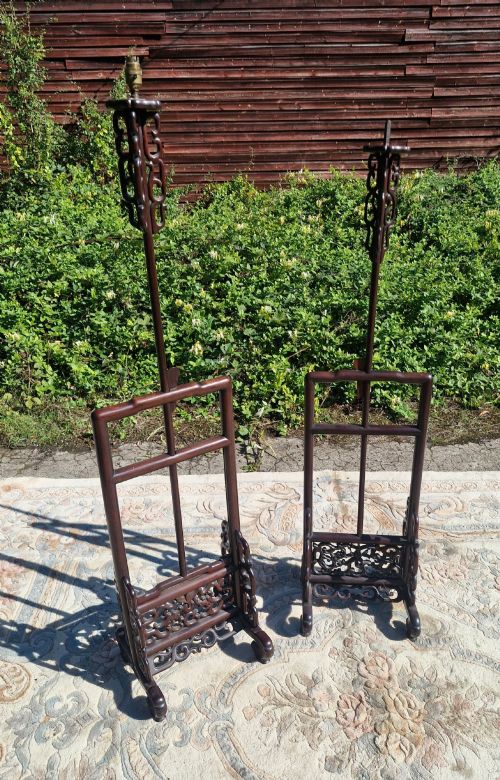
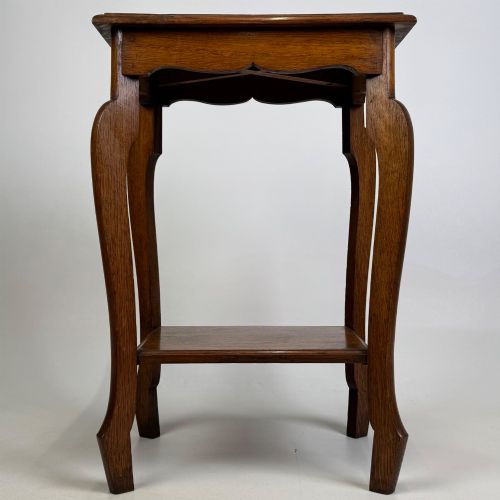
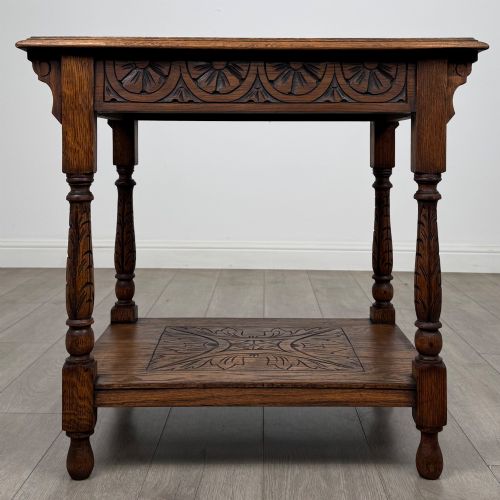
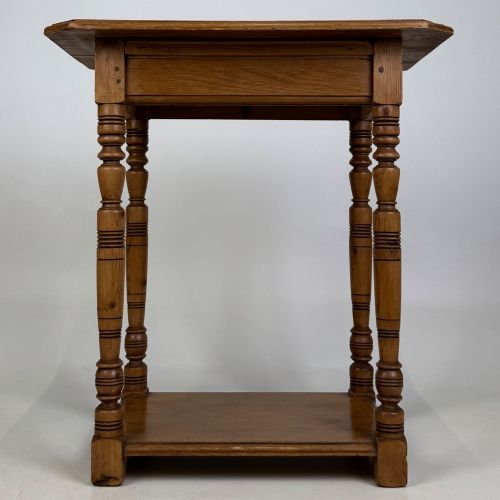
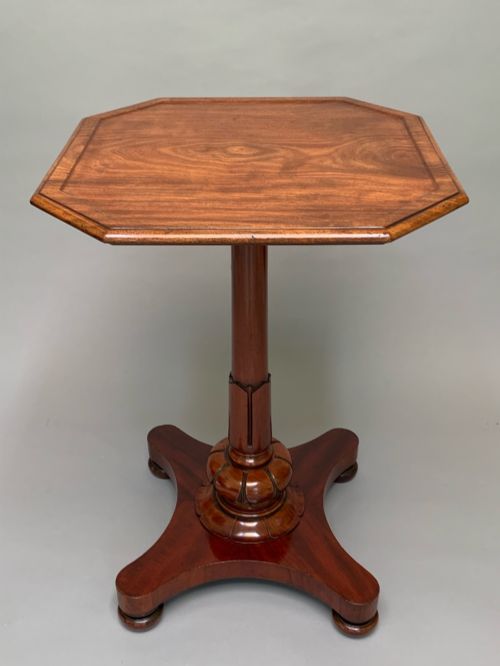
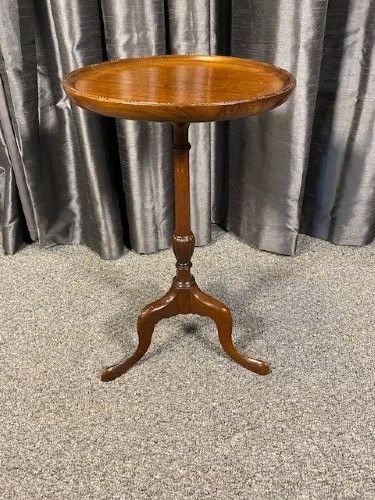
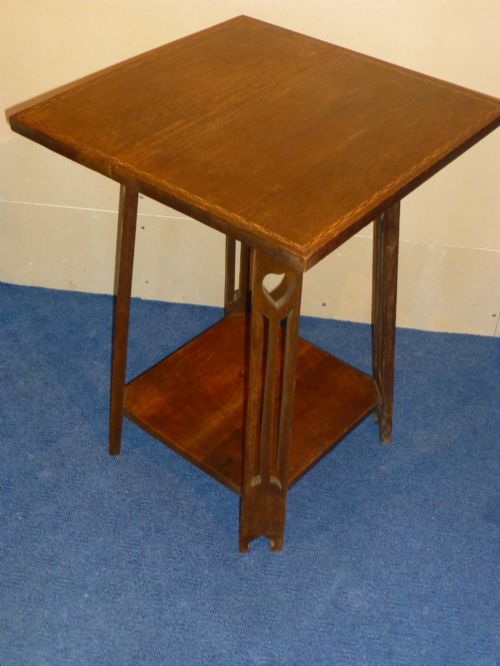
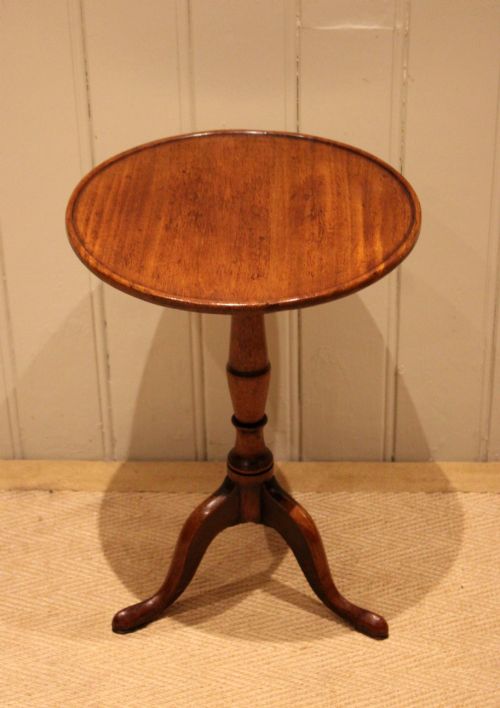
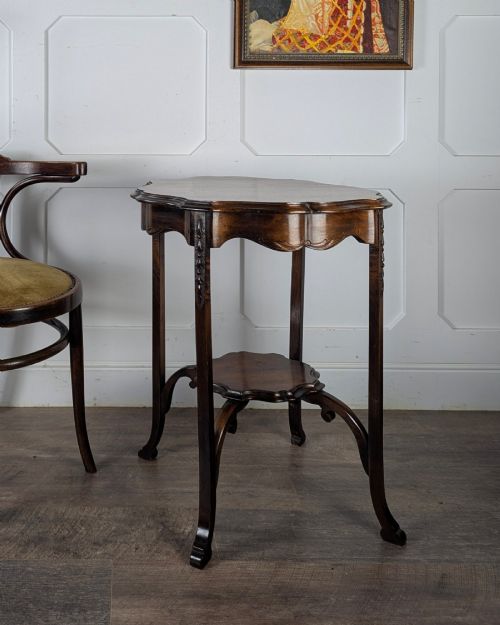
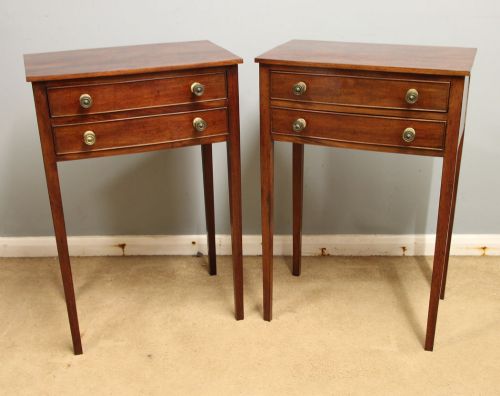
When you search for a brown wooden lamp stand, you are looking at a diverse selection of pieces designed to support illumination or serve beside seating. The most common forms on this page include occasional tables, side tables, wine tables, and standard floor lamps.
Makers and workshops utilise various timbers to form these objects, ranging from standard occasional surfaces to specific plant and lamp stands. Each piece reflects the functional requirements of its period, from small bedside units to sturdy floor-standing stems.
How they were made
Cabinet makers constructed these brown wooden lamp stands using traditional hardwoods such as mahogany, oak, walnut, and satinwood. Many examples feature detailed veneers, burr walnut, and fruitwood, often combined with brass fittings or inlaid elements.
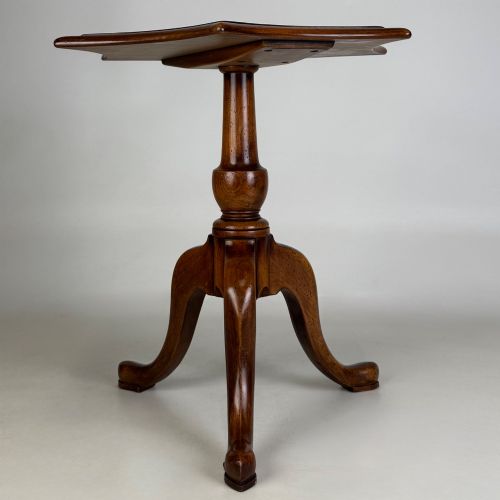
Construction techniques include turned uprights, barley twist stems, and tripod bases to ensure stability for lamps or tabletops. Joinery relies on period-appropriate methods suited to the specific form, whether supporting a heavy standard lamp or a delicate wine table.
Listings feature woods such as mahogany, oak, walnut, satinwood, and burr walnut across Edwardian, Victorian, and Art Deco periods.
What varies in quality
The standard of a brown wooden lamp stand depends on the selection of timber and the precision of the cabinet work. Pieces featuring burr walnut, intricate inlay, or hand-carving represent a higher tier of craftsmanship than simple utility items.
Proportion and structural integrity define the better examples on the market. Well-balanced tripod bases, tightly fitted joints, and thoughtful detailing distinguish superior workshop production from mass-manufactured items.
Trevor Page and Co·Liberty and Co·William Birch·Baillie Scott
The Brown Wooden Lamp Stand Glossary
- Occasional table
- A small, movable table designed for casual use in a living space or bedroom. These pieces often double as stands for lamps or decorative objects.
- Tilt top
- A tabletop hinged to its pillar so it can be folded flat when not in use. This mechanism was popular on smaller wine and occasional tables.
- Standard lamp
- A tall floor-standing lamp designed to provide ambient room illumination. They frequently feature weighted tripod or circular bases for stability.
- Barley twist
- A decorative turning technique resembling a twisted rope. This detail appears frequently on the stems of Edwardian and Victorian tables and lamp standards.
- Inlay
- The technique of inserting pieces of contrasting timber, brass, or shell into a recessed wooden surface to form patterns. It is common in Edwardian and Arts and Crafts pieces.
Brown Wooden Lamp Stand: Frequently Asked Questions
What is a brown wooden lamp stand used for?
These pieces serve primarily to hold table lamps, display decorative items, or provide a convenient surface beside seating and beds. Floor-standing versions hold light fixtures to illuminate dark corners or seating areas.
Smaller occasional tables can be easily moved around a room to suit changing lighting and furniture arrangements.
How do I identify an Edwardian lamp stand?
Edwardian pieces often feature lighter timbers like satinwood or inlaid mahogany, alongside traditional oak with barley twist stems. They tend to exhibit refined proportions and decorative inlay influenced by earlier Georgian styles.
Construction from this period typically shows machine assistance combined with skilled hand-finishing.
Are these lamp stands solid wood or veneer?
Makers utilised both solid timbers and veneers depending on the desired visual effect and the period. High-end pieces frequently use burr walnut or mahogany veneers over stable secondary woods to display rich grain patterns.
Solid oak, mahogany, and fruitwood are equally common, particularly in Arts and Crafts and utilitarian designs.
How do I care for a wooden lamp stand?
Keep wooden stands away from direct heat sources and strong sunlight to prevent the timber from drying out or warping. Regular dusting with a soft, dry cloth helps maintain the finish.
Apply a quality beeswax periodically to nourish the wood and preserve the lustre of the polish.