
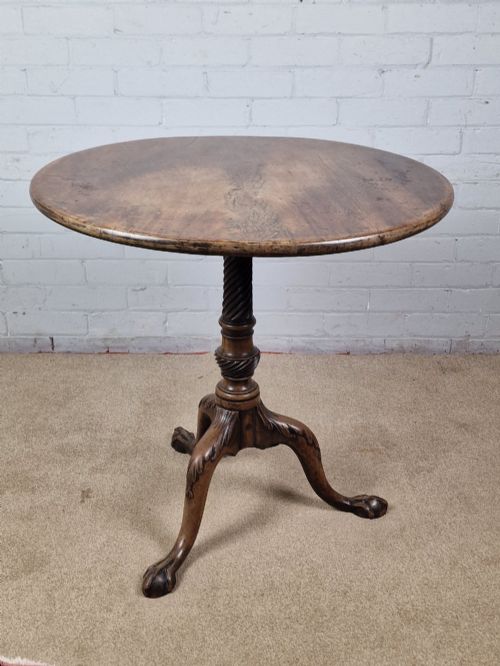

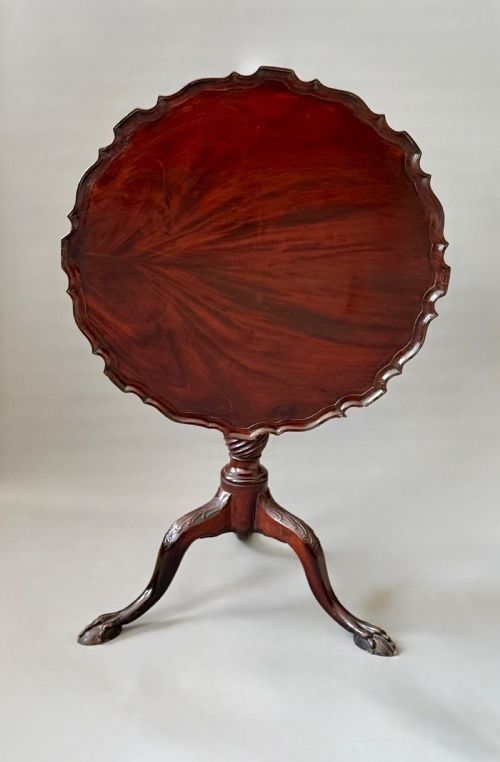
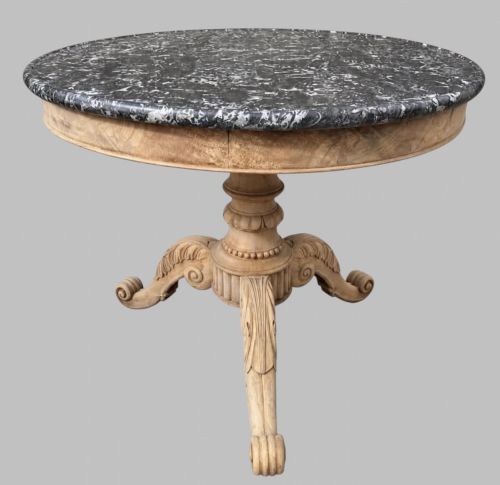
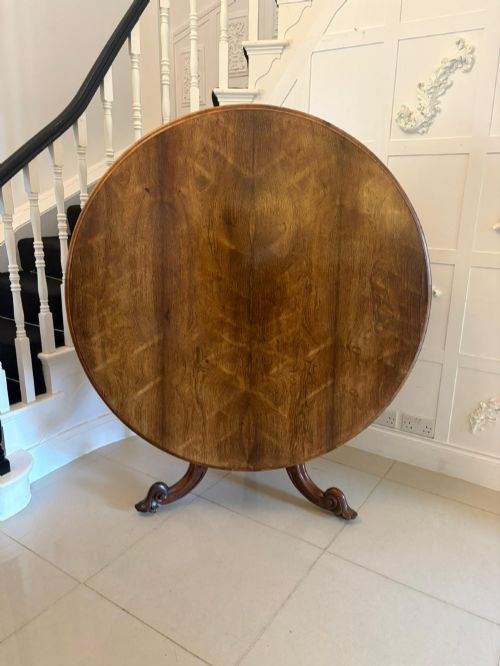
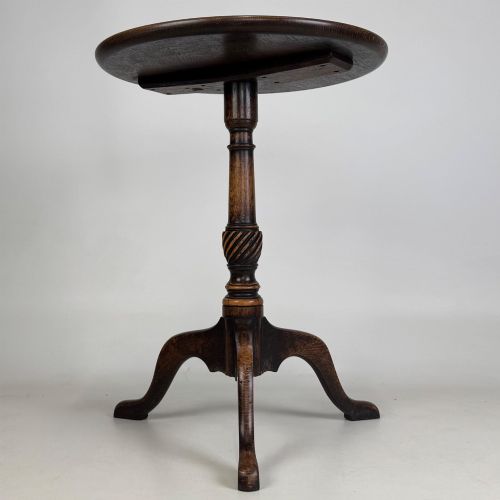
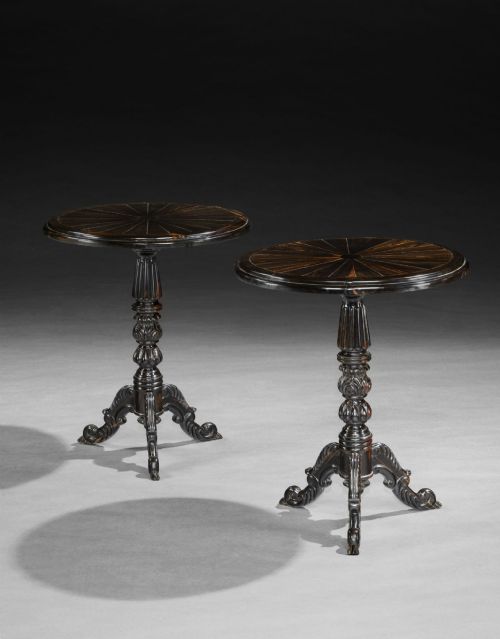
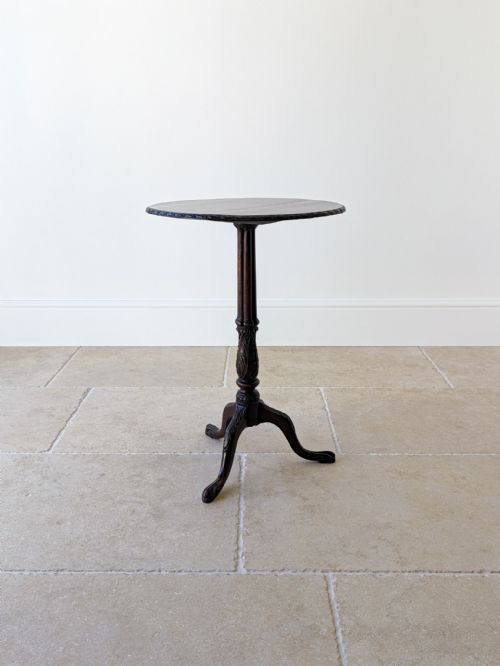
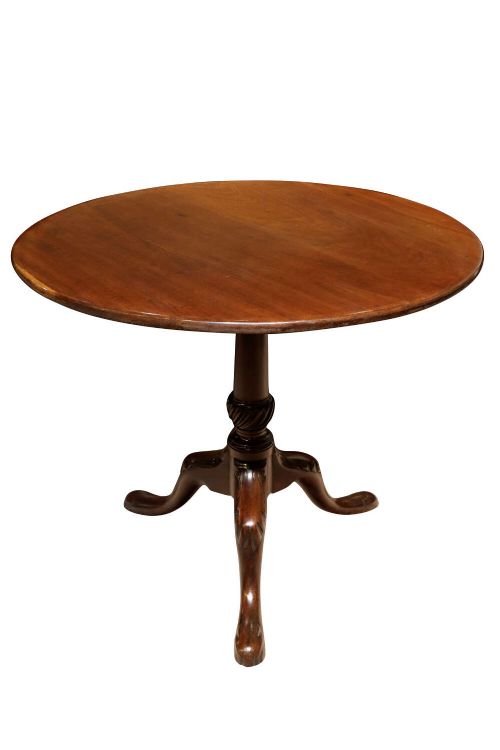
Carved Tripod Tilt Top
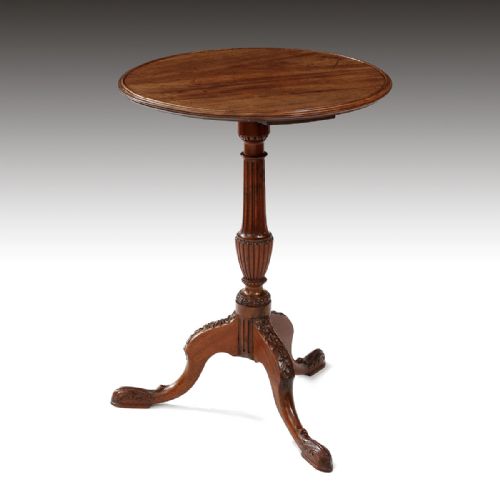
A carved tripod tilt top combines ingenuity and elegance, offering a pivoting surface supported by three slender legs that folds away neatly when not in use.
Carved Tripod Tilt Top
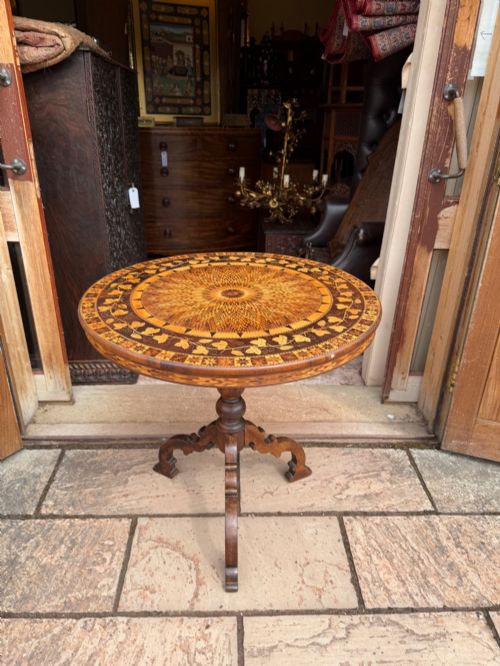
When searching for a carved tripod tilt top, collectors encounter versatile small tables designed for occasional dining, lamps or display. The examples on this page span the eighteenth, nineteenth and early twentieth centuries, drawing on Georgian, Victorian and Regency traditions.
How They Were Made
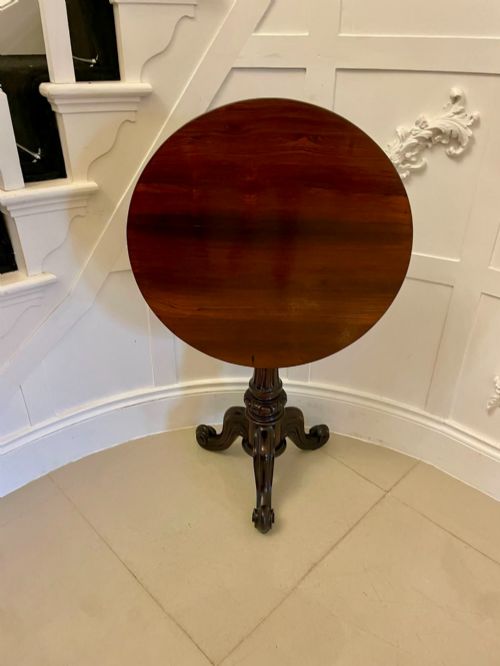
Cabinet makers utilised dense hardwoods like mahogany, walnut and rosewood, turning the central pillars on a lathe and carving the cabriole legs by hand. Many incorporate a birdcage mechanism beneath the surface, allowing the top to both rotate and tilt on its axis.
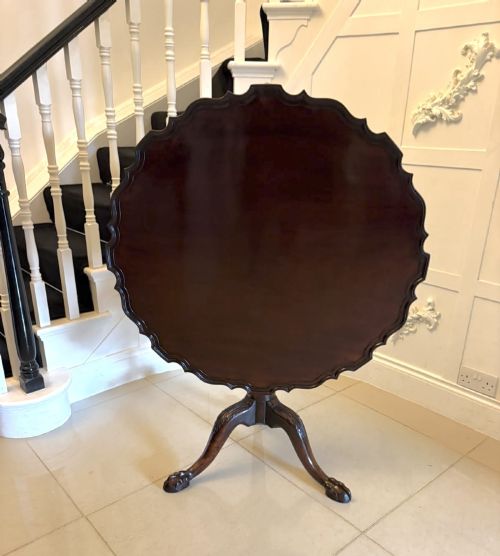
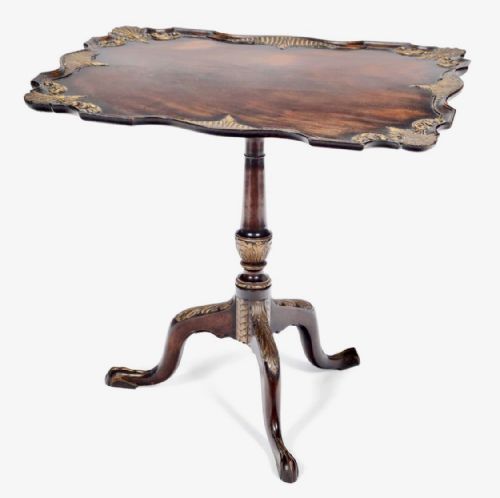
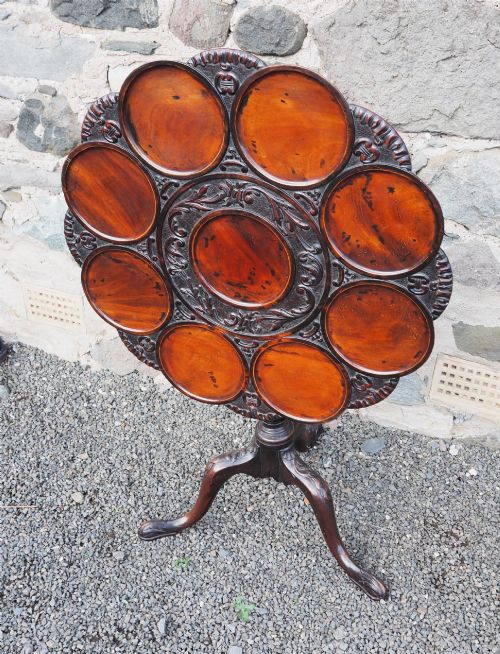
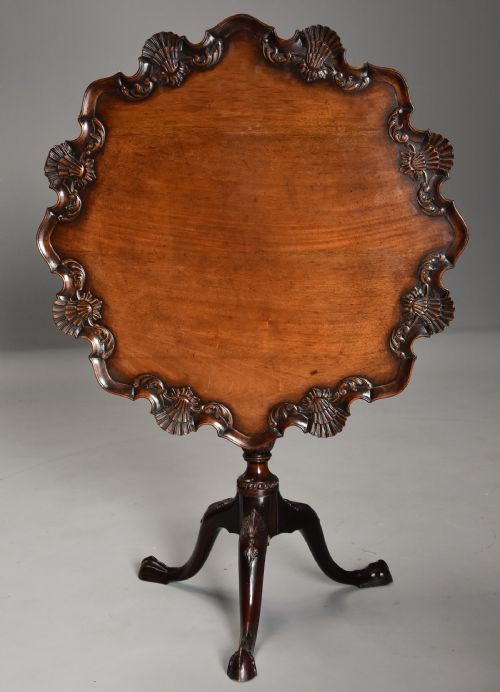
Carved details range from subtle pie crust edges to elaborate foliate motifs and claw and ball feet. Secondary timbers provide structural stability to the pivoting box frame and the convergence of the three legs.
Some tables double as fire screens, proving that historical ancestors appreciated multifunctional furniture just as much as we do.
What Varies in Quality
The distinction between standard examples and superior pieces rests on the crispness of the hand carving and the selection of timber. Figured mahogany, burr walnut and rich rosewood grain elevate the visual weight of a small table.
Engineering precision dictates longevity, particularly in the smooth operation of the tilt mechanism and the rigidity of the tripod base when locked flat. Original catches, blocks and uncompromised joints separate untouched examples from heavily restored ones.
Gillow
The Carved Tripod Tilt Top Glossary
- Tilt top
- A table mechanism allowing the surface to pivot ninety degrees into a vertical position. This clever design enabled tables to stand flat against a wall when not in service.
- Tripod base
- A support structure comprising three legs radiating from a central turned column. It offers stability on uneven historical floors.
- Birdcage
- A timber framework beneath the table top containing small spindles that permits both rotation and tilting. It represents a more complex and desirable engineering method.
- Pie crust edge
- A raised, carved border shaped with subtle undulating curves resembling pastry work. This ornamental flourish appears on higher-end Georgian dining and tea tables.
- Gueridon
- A small French occasional table supported by a central column or figures. They frequently appear in mahogany or walnut during the nineteenth century.
Carved Tripod Tilt Top: Frequently Asked Questions
How were tilt top tables used historically?
These tables served primarily as flexible furniture for tea drinking, supper or holding lighting in formal reception rooms. Because the surface could be tipped upright, servants cleared them away swiftly to reclaim floor space.
In domestic settings, they migrated easily from corners to firesides depending on the evening's requirements. Their portability made them central to sociable eighteenth and nineteenth century interiors.
What is a birdcage mechanism?
A birdcage is an ingenious wooden construction placed directly beneath the table top, featuring a small box frame with turning spindles. It allows the top to spin horizontally as well as tilt vertically.
This feature is typically found on finer tables from the Georgian period onward. It adds mechanical complexity and indicates a higher grade of workshop production.
How do I date a tripod table?
Dating relies on timber choice, leg profile and the complexity of the under-framing. Eighteenth century examples often feature heavier mahogany with pad or claw and ball feet, while Victorian interpretations lean toward rosewood and elaborate carving.
Changes in turning styles on the central pillar also offer strong chronological clues. Cabinet making fashions shifted from restrained Georgian lines to ornate Victorian revivalism over the decades.
Where should I place one in a modern home?
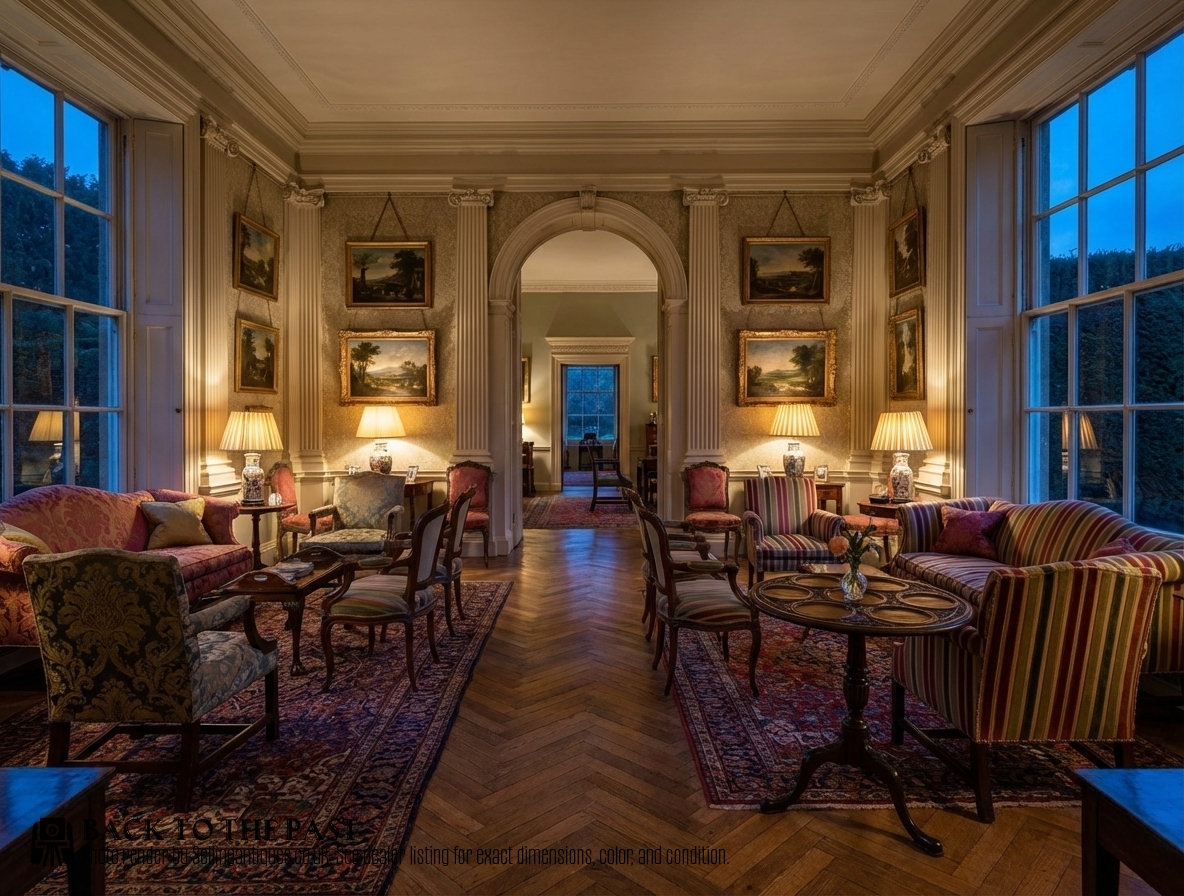
A tilt top functions well beside an armchair as a lamp table or as an accent piece in a hallway. Their compact footprint suits awkward corners where standard four-legged tables will not fit.
Leaving the top tilted against a wall occasionally showcases the decorative underside and grain to guests. They blend effortlessly into traditional or eclectic contemporary rooms.