


Antique Dished Plate Table
An antique dished plate table gathers functional tableware and serveware designed to present food with elegance across various historical periods.

Antique Dished Plate Table
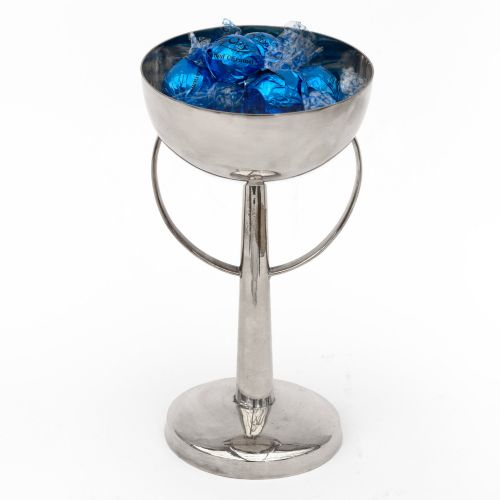
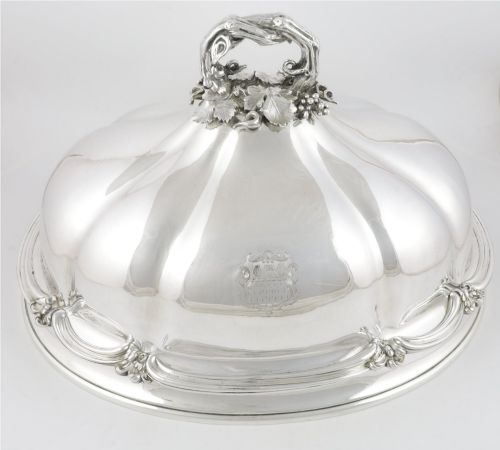
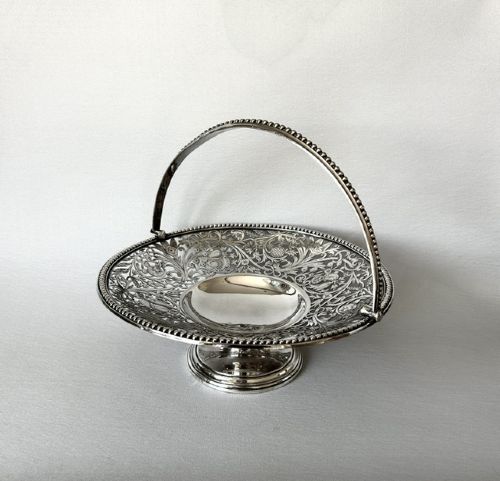
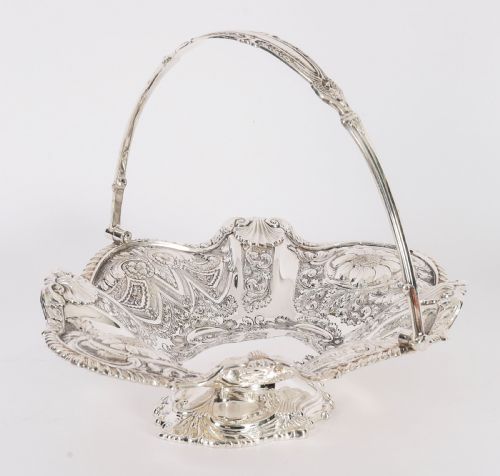
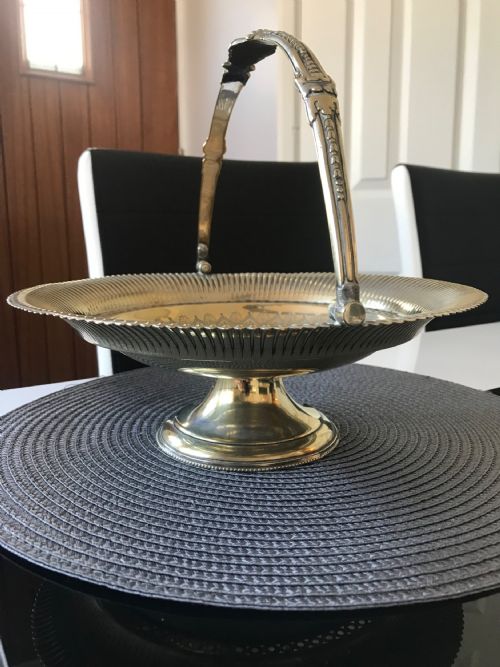
The search for an antique dished plate table brings together serveware, baskets, centrepieces, and serving dishes spanning centuries of dining customs. Buyers encounter items ranging from Georgian meat domes and Old Sheffield plates to Edwardian fruit baskets and Art Deco stands.
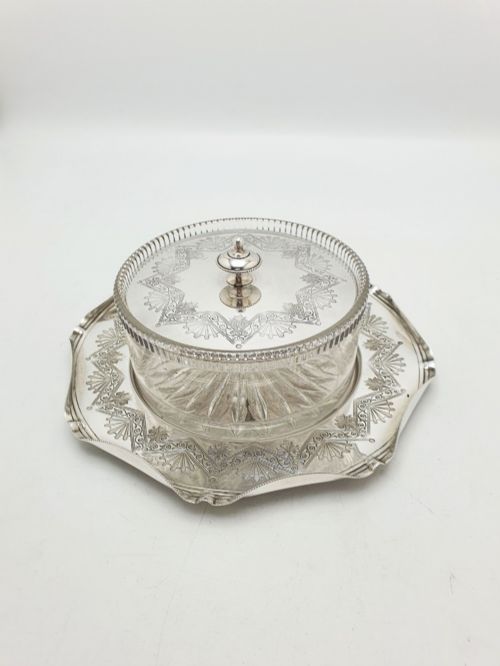
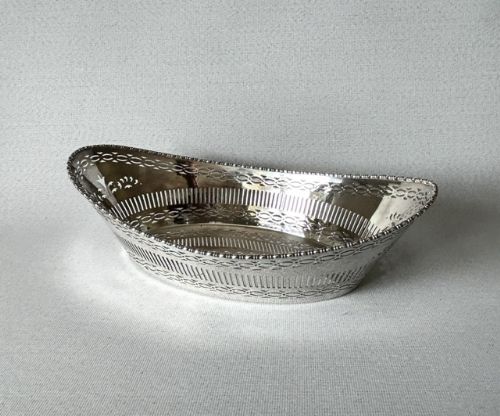
The forms on this page include butter dishes with glass liners, entree dishes, bon bon dishes, and knife trays. These pieces served functional roles in domestic dining before evolving into decorative table elements.
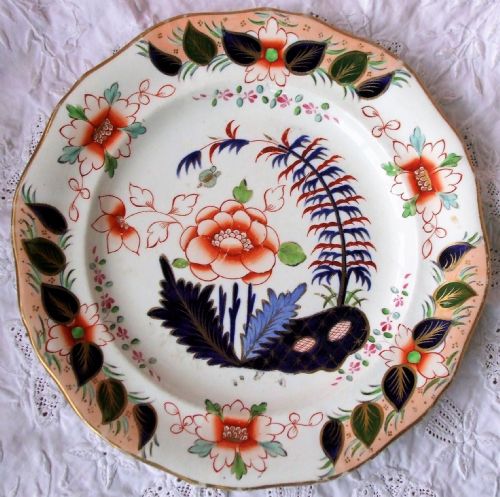
Examples stretch from seventeenth-century pewter plates to twentieth-century silver plate and glass combinations. The selection reflects changing dining room requirements through the Victorian, Edwardian, and later eras.
How They Were Made
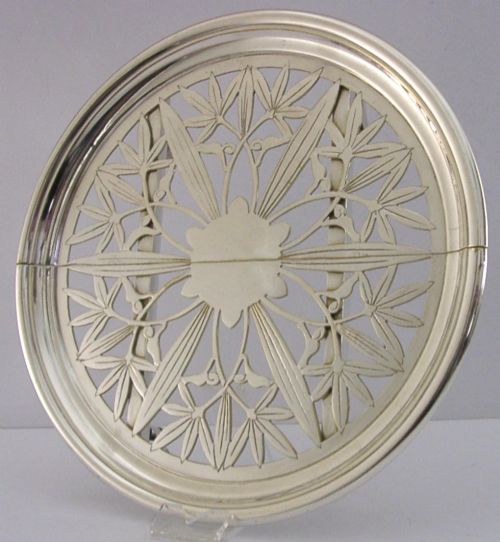
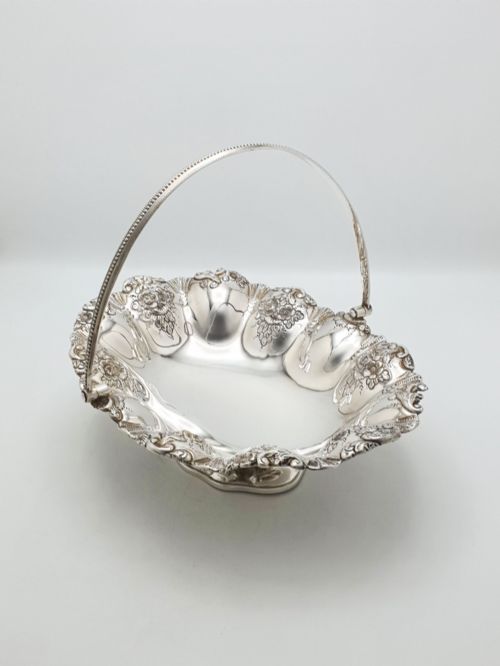
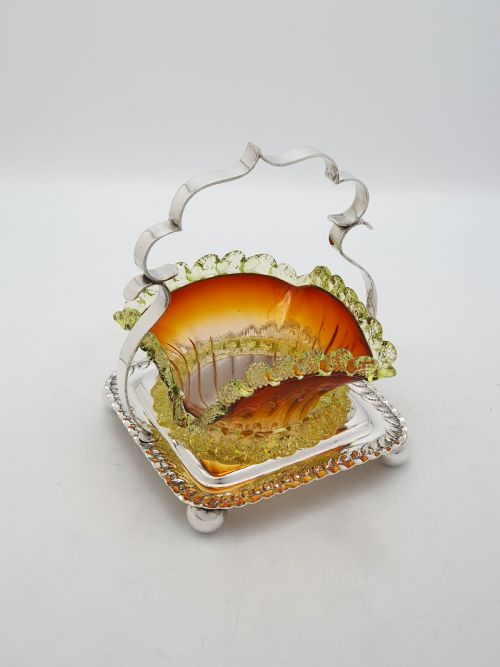
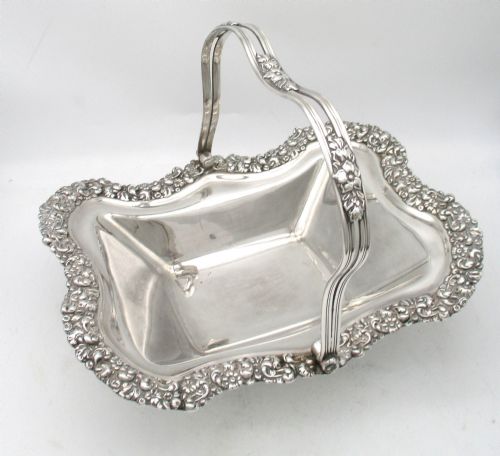
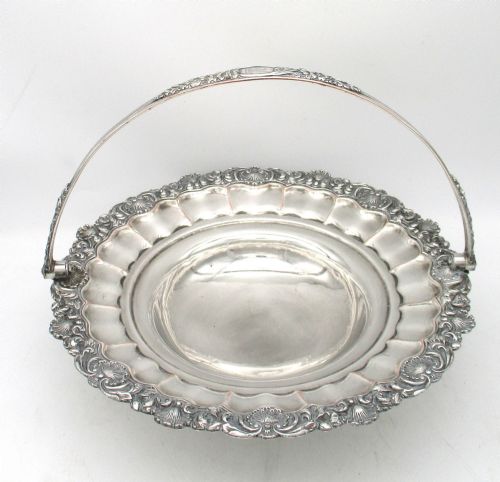
Items in this category combine silver plate, copper, electroplated nickel silver, and Old Sheffield plate with cut glass, ceramic, and amber or ruby glass liners. Makers utilised techniques such as piercing, repoussé work, and fusion plating to bond silver to copper bases.
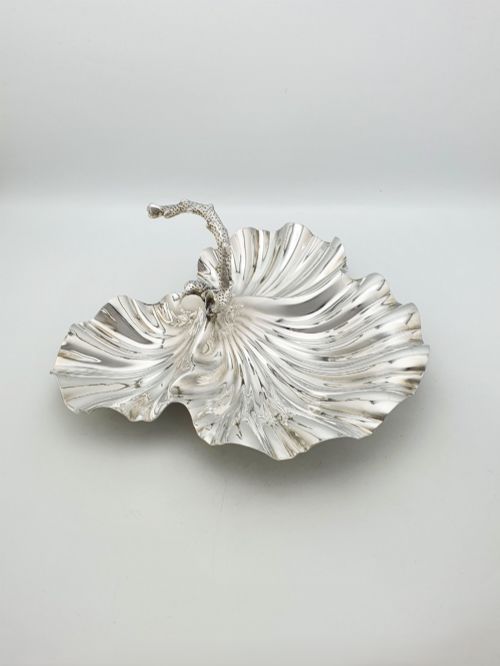
Metal structures often incorporate cast handles, reeded borders, and stylised coral or floral motifs soldered or riveted to the main body. Glass inserts were mouth-blown and wheel-cut to fit precise silver frames and baskets.
Listings feature items spanning the seventeenth century through to the Art Deco period, incorporating ceramics, pewter, and glass.
What Varies in Quality
The distinction between standard items and superior examples lies in the crispness of chased ornamentation, the weight of the metal base, and the integrity of applied crests or hand-pierced galleries. Master makers invested greater labour in hand-finishing details and ensuring balanced proportions.
Glass liners matching original metal frames with undamaged rims and clear colouration elevate an object's standing. The balance between the Sheffield plating thickness and the underlying copper layer dictates how well the piece survives centuries of use.
Roberts Cadman·George W. Scott & Sons Ltd·John Davenport of Longport·Henry Wilkinson·Creswick·Thomas Bradbury·Asprey & Co.
The Antique Dished Plate Table Glossary
- Old Sheffield Plate
- A composite material made by fusing a thin sheet of silver to a thicker copper base before rolling them together into sheets for manufacturing tableware.
- EPNS
- Electroplated Nickel Silver, a process introduced in the nineteenth century that coated a base metal alloy with a layer of pure silver using electricity.
- Repoussé
- A metalworking technique where the artisan hammers the design from the reverse side to form raised decorative patterns on the front.
- Entree dish
- A covered serving vessel used during formal meals to keep individual courses warm at the dining table.
- Vaseline glass
- A type of glass coloured with uranium oxide that produces a distinctive yellow-green hue and glows under ultraviolet light.
Antique Dished Plate Table: Frequently Asked Questions
What is an antique dished plate table?
The term covers a variety of serving vessels, trays, and table pieces designed for food presentation and dining service.
These objects include entree dishes, fruit baskets, and meat domes originating from different historical periods.
How were silver plated dishes cleaned historically?
Servants used soft cloths and mild whitening powders specifically formulated to preserve the thin layer of silver.
Aggressive scrubbing was avoided to prevent wearing through the plating to the underlying copper or nickel base.
Can I use these antique dishes for serving food?
Many items remain structurally sound for holding dry foods, fruit, or packaged confectionery during modern gatherings.
Pieces with glass liners or intact silver plate function well on contemporary tables, provided they receive gentle hand washing.
How do I identify Old Sheffield plate?
Close inspection often reveals subtle lines of copper showing through where the silver layer has worn along sharp edges.
These pieces generally date from the eighteenth and early nineteenth centuries before electroplating replaced the fusion method.