

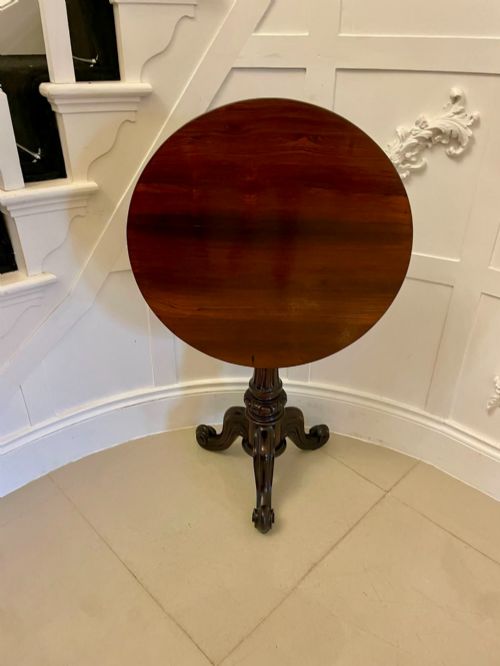

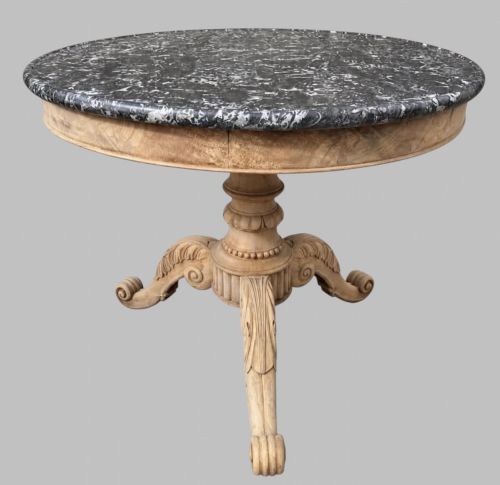
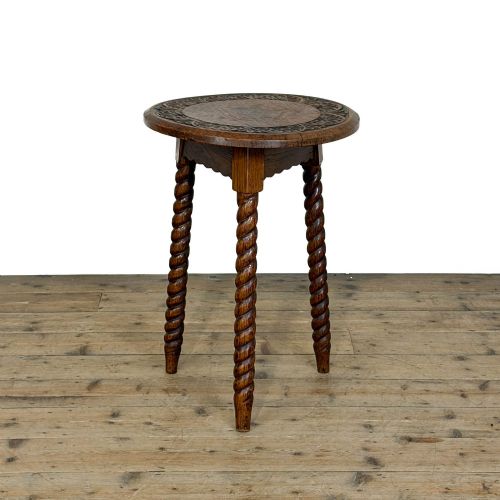
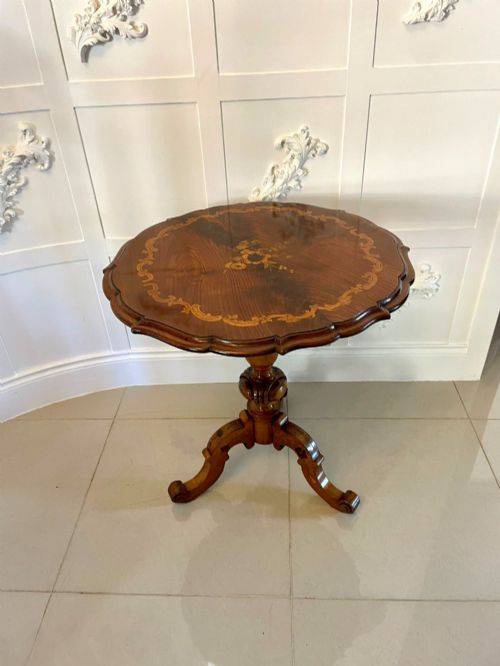
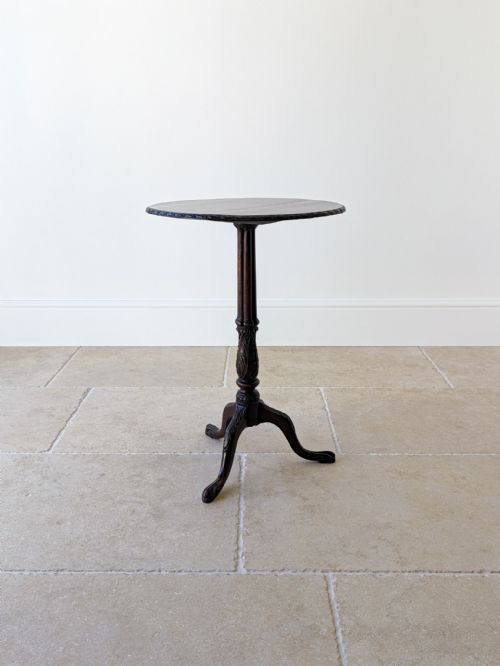
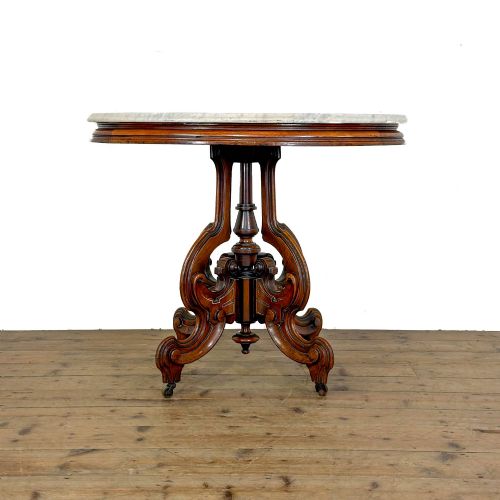
Carved Tripod Lamp Table
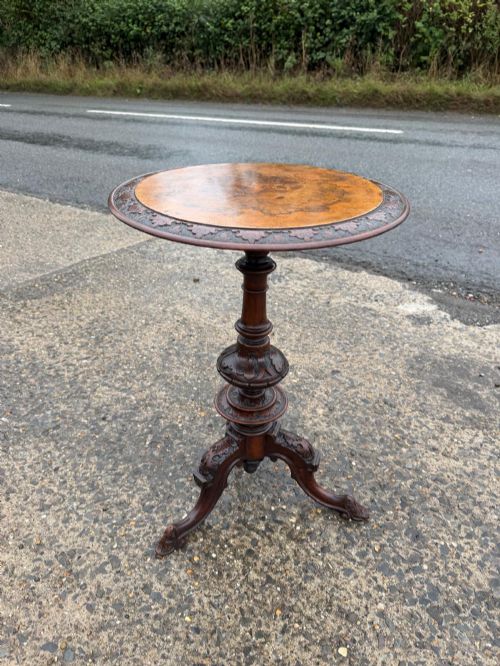
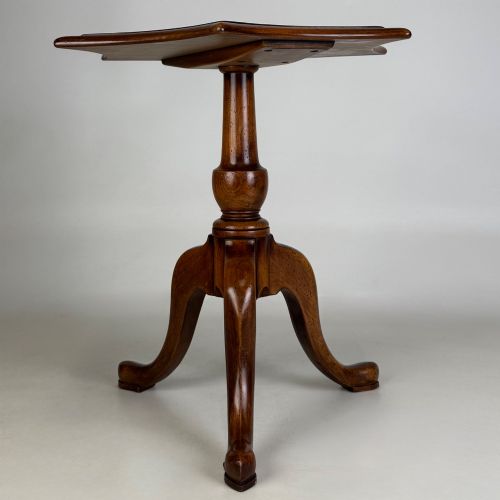
A carved tripod lamp table brings compact elegance to a corner, resting on three slender legs that support an intimate surface.
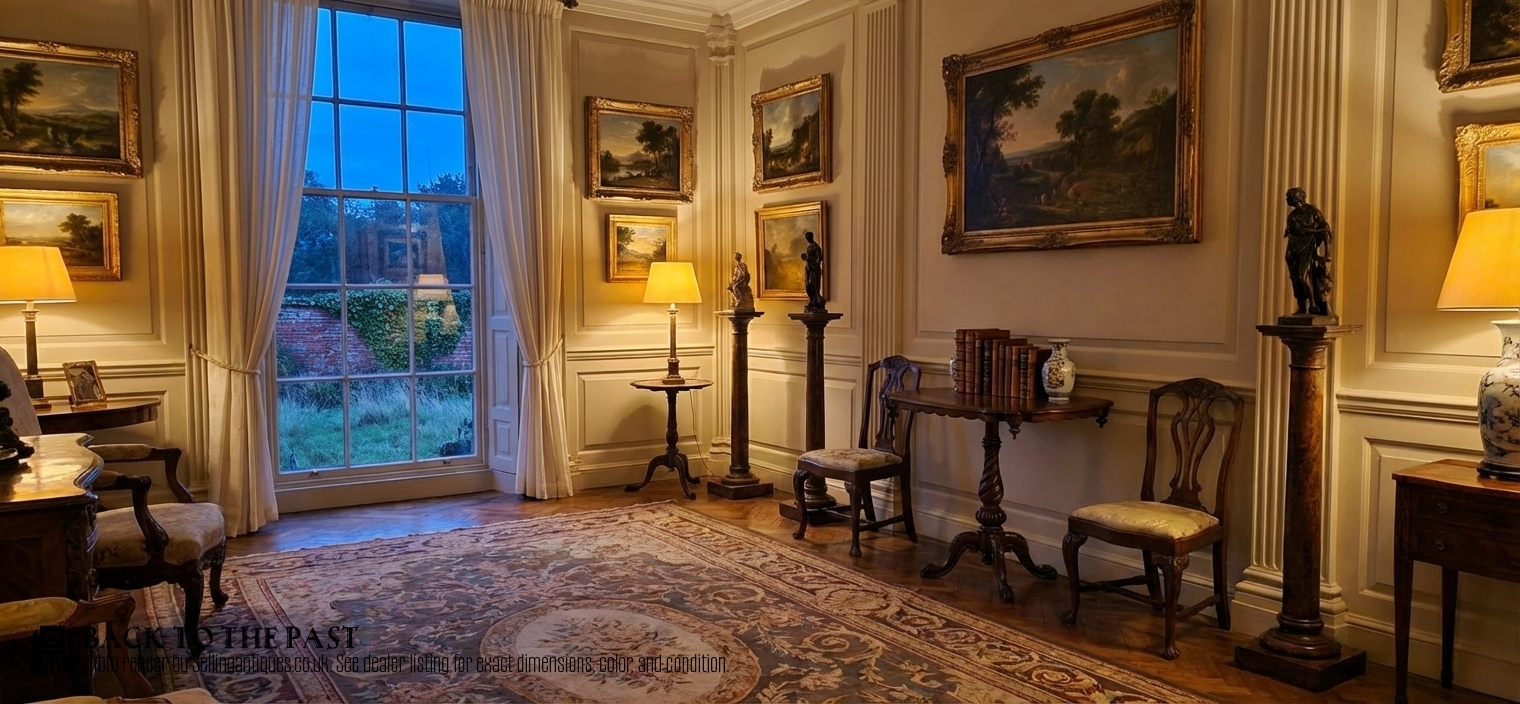
Carved Tripod Lamp Table
A carved tripod lamp table is a stable, single-pillar support designed to hold a light or small objects in a drawing room or parlour. When searching for a carved tripod lamp table, a buyer meets a variety of forms from the nineteenth century onward, including Victorian, Edwardian, and Regency examples.
The material selection on this page leans heavily towards mahogany and walnut, alongside occasional oak, rosewood, and painted finishes. Many pieces date from the Victorian era, supplemented by Edwardian and earlier nineteenth-century pieces bearing distinct regional styles.
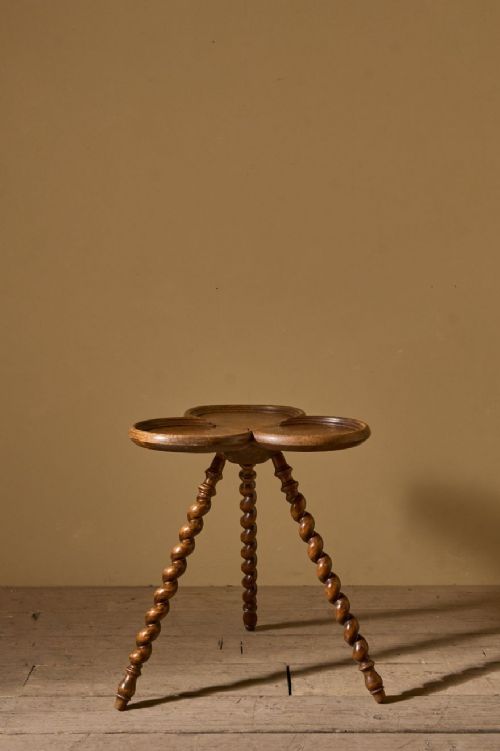
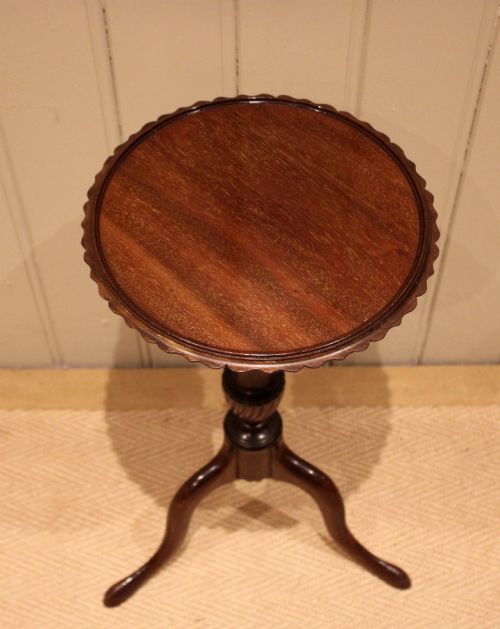
Makers and craftsmen of these periods utilised timber to create circular, clover-shaped, or scalloped tops resting on turned and carved central columns. These pieces function easily as side tables, occasional tables, or wine tables within domestic interiors.
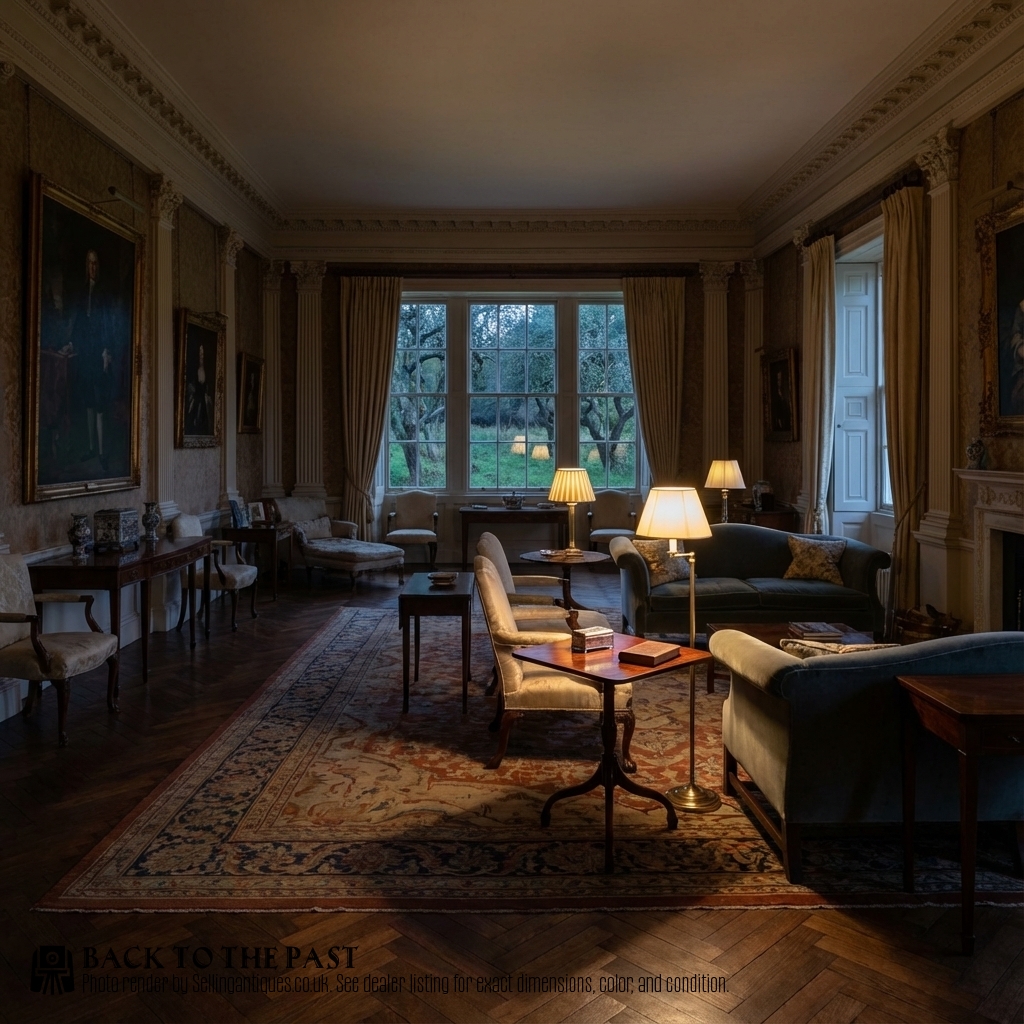
Materials and Construction
Timbers such as mahogany, walnut, burr walnut, and oak form the structural foundation of these tables, often selected for rich grain patterns and durability. Craftsmen shaped these woods into solid tops, slender shafts, and three-legged tripod bases designed to distribute weight evenly.
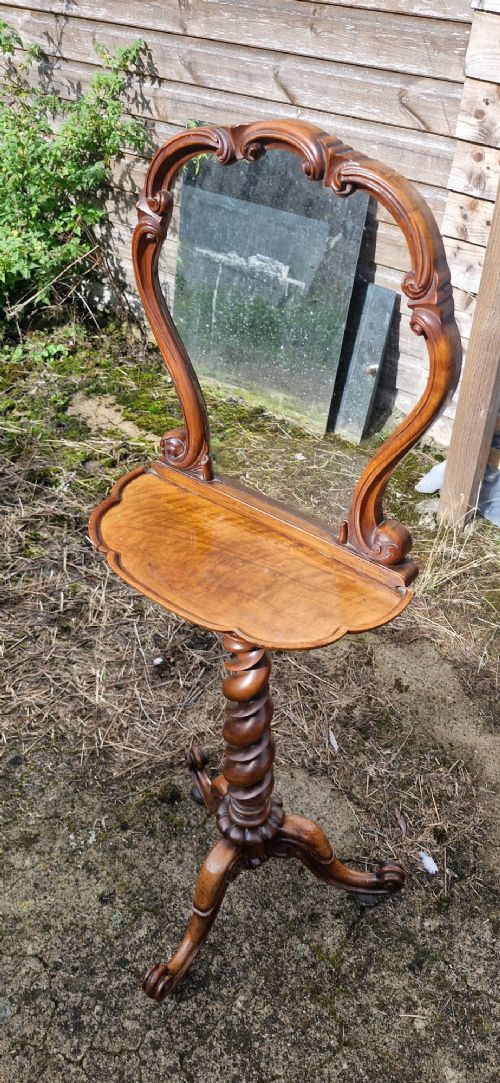
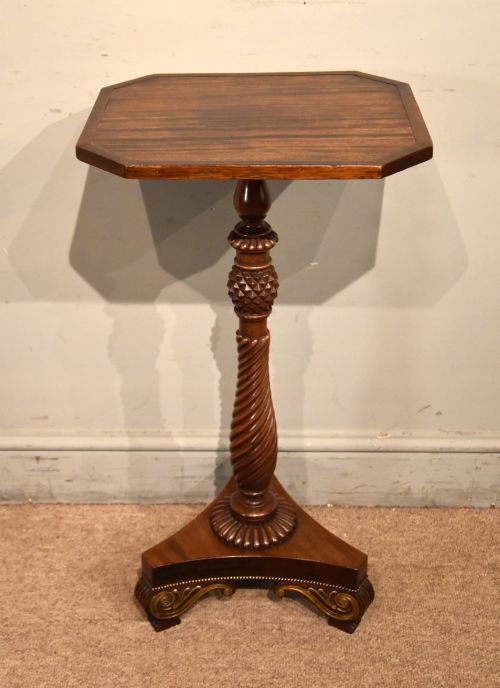
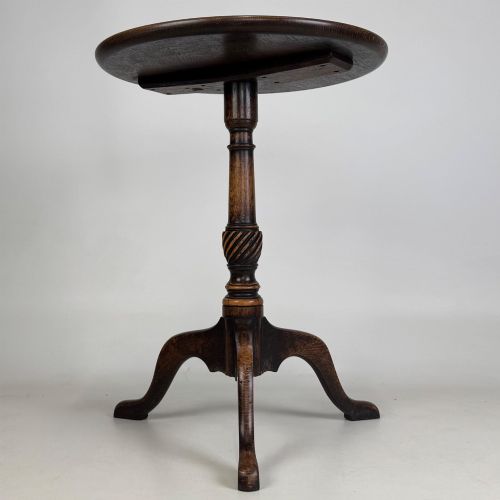
Carving, marquetry inlay, and turning define the decorative execution, visible in details like bobbin galleries, barley twist pedestals, and scalloped rims. Some examples incorporate tilt-top mechanisms or detachable surfaces held securely by traditional joinery.
Carved Tripod Lamp Table Retail Price Guide 2026
Typical asking prices for carved tripod lamp table among the pieces listed under this phrase on Sellingantiques today, from the lower quarter to the upper quarter. They describe what is for sale here now, not the wider market.
Distinctions in Execution
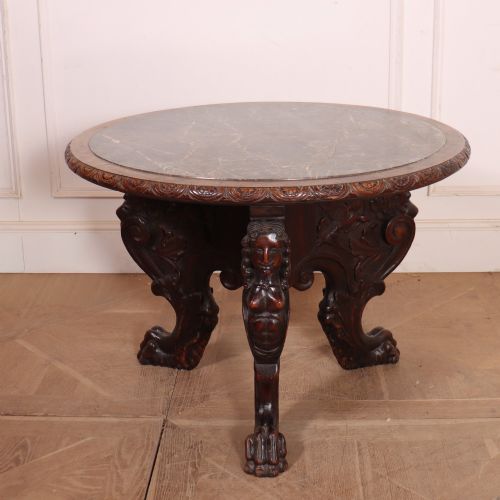
The depth and crispness of the carving on the legs and column separate standard production from superior examples. Finely executed pieces display deliberate hand-tool work that retains sharp contours rather than softened, machine-cast moulding.
The choice of timber veneers, such as burr walnut or figured mahogany, and the precision of marquetry inlay indicate the maker's investment in materials. A balanced tripod base that sits firmly without wobble demonstrates structural integrity achieved through careful joinery.
The Carved Tripod Lamp Table Glossary
- Tripod base
- A three-legged support structure that provides stability on uneven floors by ensuring all feet remain in contact with the ground. This configuration is standard for lamp and wine tables.
- Tilt-top mechanism
- A hinge system allowing the tabletop to pivot into a vertical position when not in use. This feature enabled tables to be stored flat against a wall.
- Pie crust rim
- A raised, decoratively carved tabletop edge featuring undulating curves resembling pastry work. It prevents small items from rolling off the surface.
- Marquetry
- The art of applying pieces of veneer to a structure to form decorative patterns and pictures. Walnut and exotic woods are frequently employed in this technique.
- Bobbin turning
- A type of lathe-worked furniture detail consisting of a series of rounded, spool-like shapes. It appears frequently on Victorian pedestals and galleries.
Carved Tripod Lamp Table: Frequently Asked Questions
Where should I place a lamp table?
These tables suit corners, beside armchairs, or next to sofas where surface space is needed without a large footprint. Their compact dimensions allow them to fit into narrow gaps between seating.
Because they feature a central pillar rather than four corner legs, they tuck neatly into tight spots while maintaining stability on their three feet.
How were wine tables used originally?
Wine tables served during evening gatherings to hold glasses, bottles, or small refreshments close to guests. Their portable nature meant servants could move them around the room as required.
Many examples feature tilt-top mechanisms so they occupied minimal space against drawing-room walls when the evening concluded.
How do I distinguish Victorian from Edwardian pieces?
Victorian examples often display heavier timber choices, darker finishes, and dense ornamentation like burr veneers, bobbin turnings, or elaborate marquetry. The construction prioritises solid presence and deep tones.
Edwardian pieces generally lean towards lighter proportions, brighter mahogany or satinwood highlights, and restrained carving that reflects a shift towards simpler domestic interiors.
Can these tables hold modern lamps safely?
Most antique tripod tables easily support standard table lamps and contemporary lighting fixtures. The key is ensuring the lamp base diameter fits comfortably within the tabletop surface.
Checking that the three leg-spread provides adequate balance for the weight of the chosen lamp prevents tipping in busy household areas.