



Carved Timber Wall Hanging
A carved timber wall hanging brings direct architectural relief and rich surface texture to a room.
Carved Timber Wall Hanging
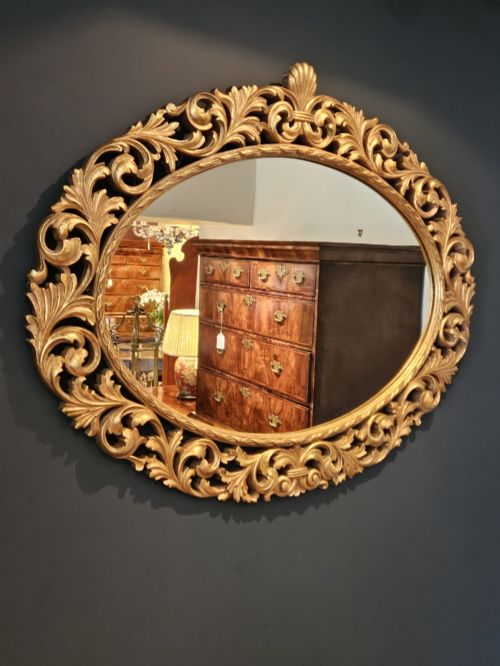
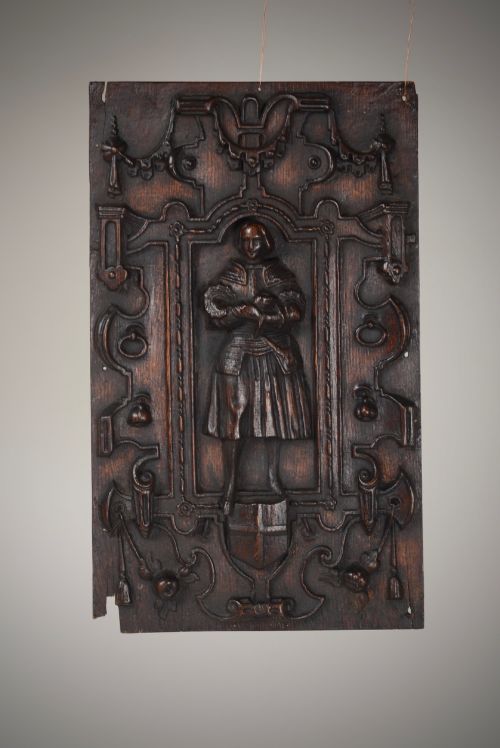
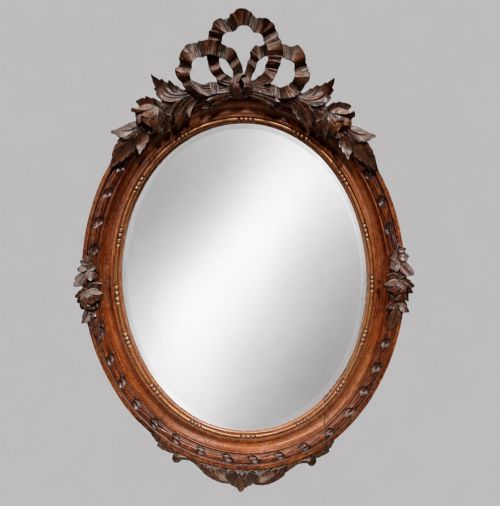
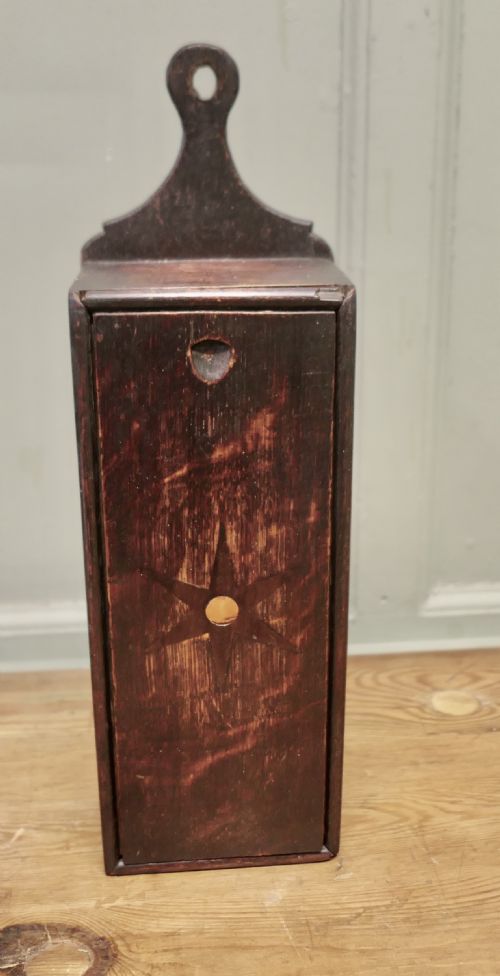
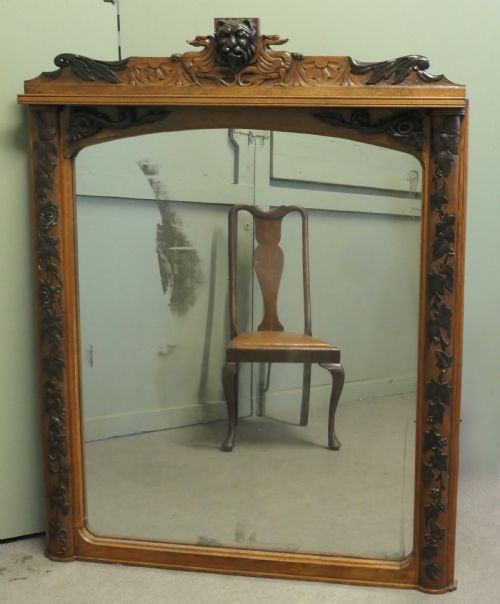
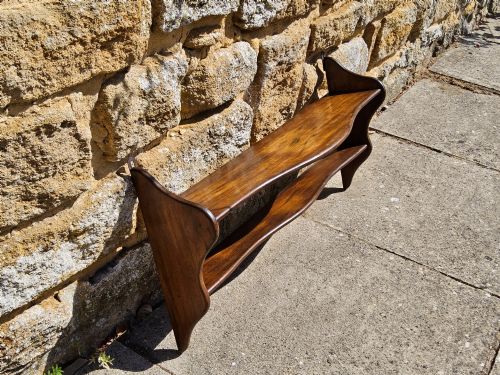
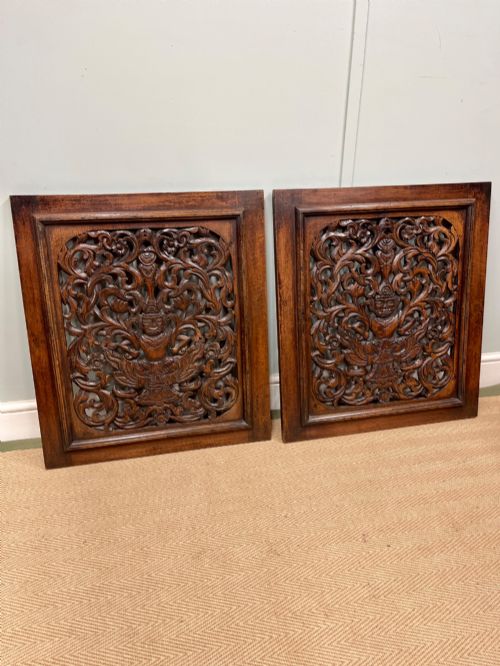
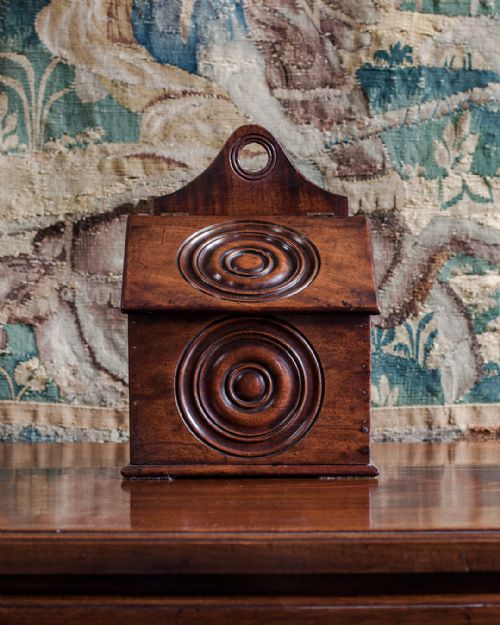
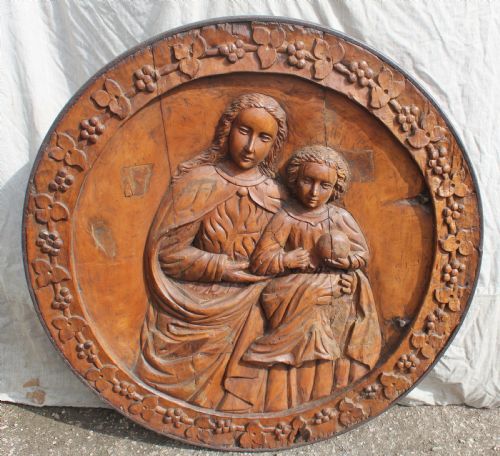
A carved timber wall hanging encompasses a diverse range of wooden artefacts designed specifically for display upon vertical surfaces. When searching for a carved timber wall hanging, buyers encounter everything from structural oak panels and figural plaques to functional wall shelves, salt boxes, and ornate mirrors.
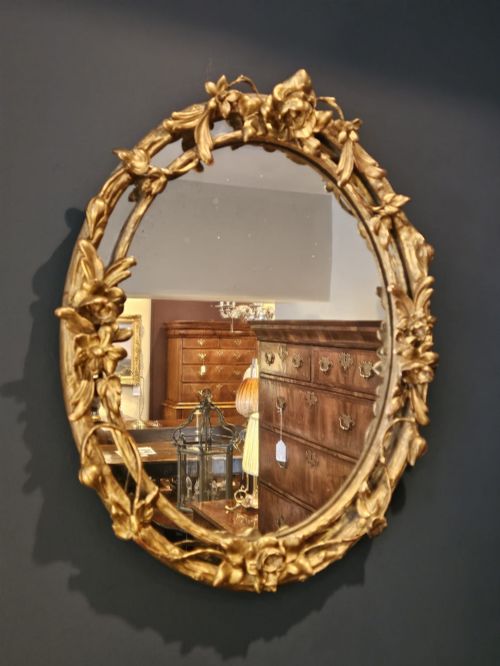
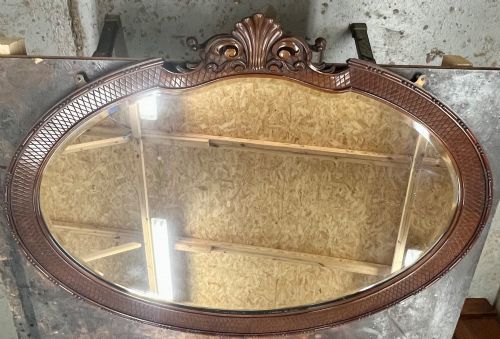
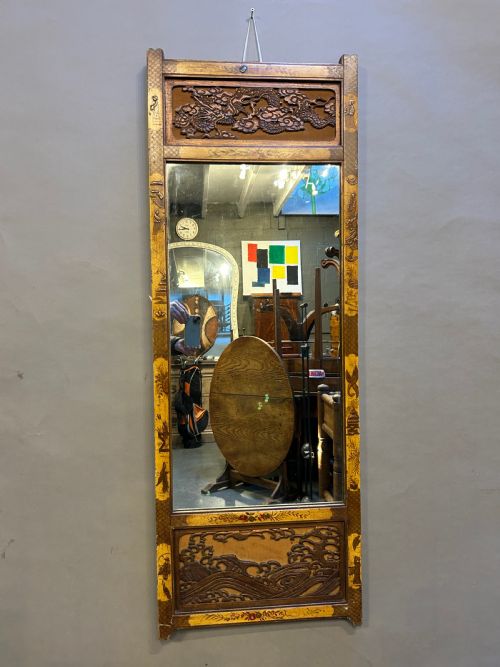
The pieces appearing on this page span several centuries of craftsmanship, though Victorian and nineteenth-century examples dominate the selection. Surviving items include European gothic revival panels, French and Italian giltwood mirrors, and imported oriental carvings.
Functional items such as barometer frames, candle boxes, and bookcases also fall into this category alongside decorative architectural salvage. Each object demonstrates how historical interiors utilised carved wood to bring depth and focal points to wall spaces.
Materials and construction methods
The makers of these items relied heavily upon domestic and exotic hardwoods such as oak, walnut, mahogany, and limewood, selected specifically for their grain and stability. Fruitwood and rosewood also appear frequently, often chosen for contrasting details within complex pictorial reliefs.
Carpenters and carvers employed traditional hand tools to execute deep relief, piercing, and surface moulding directly into the timber. Many mirror frames and decorative panels incorporate applied gesso finished with fine gilding to highlight the intricate scrollwork and floral motifs.
Geographic origins span across Britain, France, Italy, Germany, China, Japan, and Africa.
Factors determining quality
The distinction between standard items and exceptional pieces rests upon the depth, clarity, and anatomy of the hand carving. Skilled carvers achieved convincing depth and naturalistic movement in human figures, foliage, and animals, whereas lesser work remains flat and stiff.
The integration of the timber with its secondary elements, such as original mirror plates, brass fixings, or structural joinery, dictates the integrity of the piece. Preservation of the untouched surface patina without aggressive modern intervention remains vital to overall desirability.
The Carved Timber Wall Hanging Glossary
- Giltwood
- Timber that has been coated with a thin layer of gold leaf over a prepared gesso base. This technique was widely utilised on decorative mirror frames to catch and reflect candlelight.
- Relief carving
- A sculptural technique where the figures and ornaments remain attached to a solid background of the same material. High relief projects significantly from the plane.
- Gothic revival
- An architectural and decorative style drawing inspiration from medieval forms. Pieces in this manner frequently display pointed arches, tracery, and heavy oak construction.
- Faux bamboo
- Wood turned and carved to imitate the segmented stems of natural bamboo. This decorative treatment gained popularity during the late nineteenth century.
Carved Timber Wall Hanging: Frequently Asked Questions
How do I hang a heavy wooden panel safely?
Heavy carved panels require secure fixings anchored directly into wall studs or masonry using appropriate steel brackets. Distributing the weight evenly prevents warping or stress fractures across the timber over time.
Consult a professional installer if the piece lacks integrated hanging hardware or exceeds standard domestic weight limits.
What is the best way to clean antique carved wood?
Dust the intricate recesses regularly with a soft, dry natural bristle brush to prevent particle buildup. Avoid using water, domestic polishes, or chemical sprays that can soften historic wax and damage the patina.
Apply a microcrystalline wax sparingly only when the timber appears dry, buffing gently with a clean cloth.
How can I tell an 18th-century panel from a later copy?
Examine the reverse of the panel for tool marks, shrinkage patterns, and the character of the wood grain. Hand-cut peg joints, irregular adze marks, and dry, oxidized timber generally point to genuine period manufacture.
Later copies often reveal uniform machine sawing and modern fixings that contrast with the apparent age of the front relief.
Can antique mirrors be used in damp rooms?
Bathrooms and kitchens expose historic wood and silvered glass to excessive moisture and temperature fluctuations. This environment causes the wood to warp and the original mercury or silver backing to flake.
Keep these pieces in dry, climate-controlled living areas, hallways, or dining rooms to preserve their condition.