

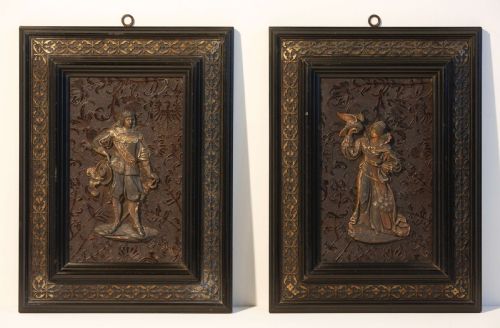

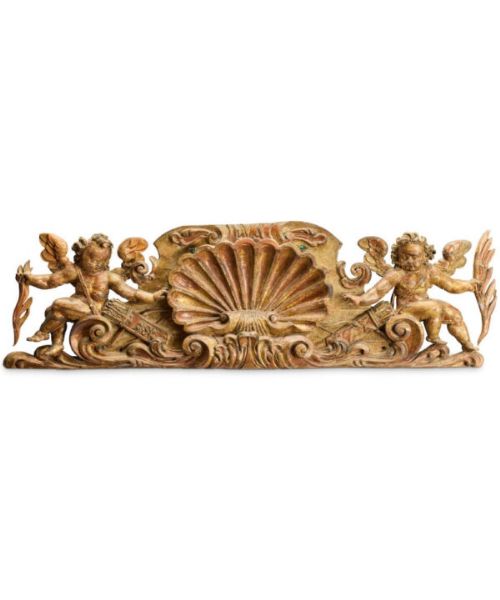
Antique Wood Relief Sculpture
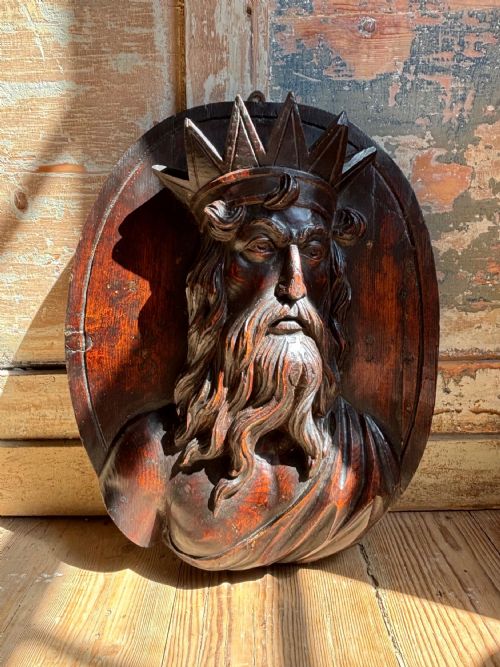
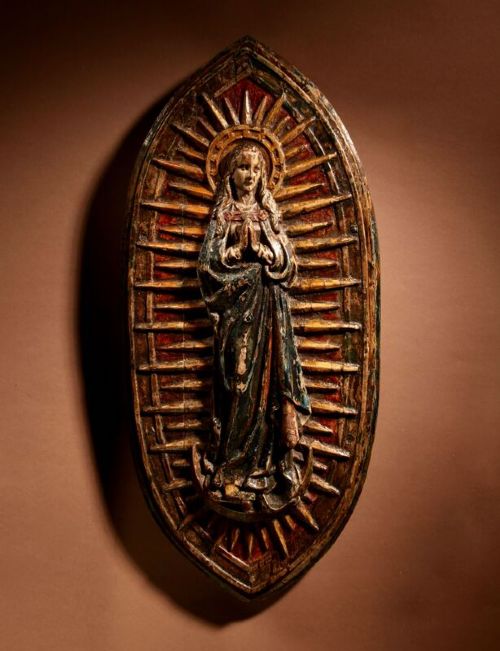
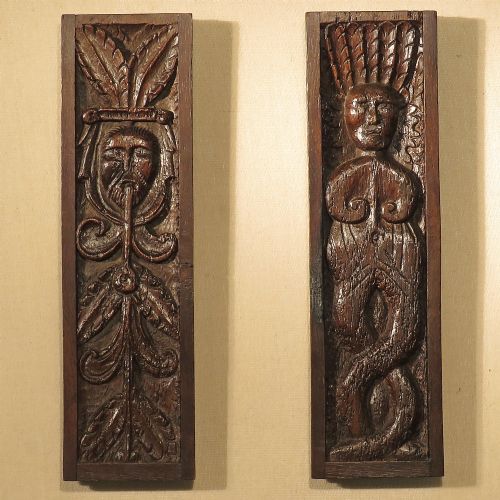
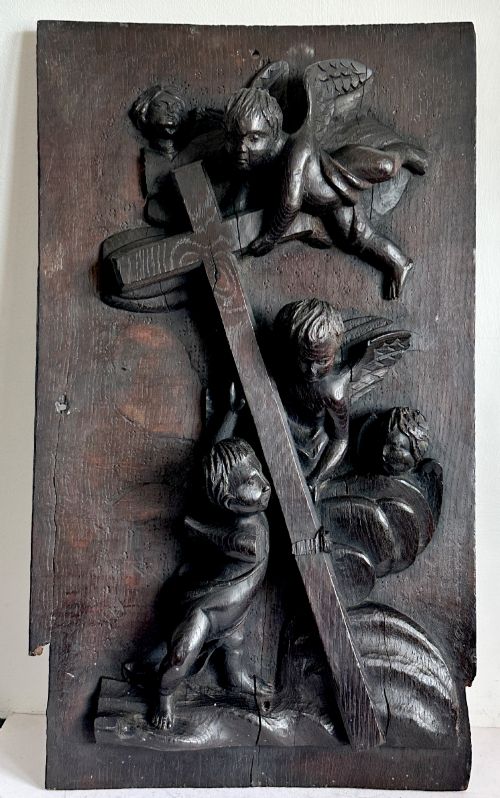
When you search for antique wood relief sculpture, you uncover panels and plaques carved from oak, walnut, and chestnut across European and global traditions.
Antique Wood Relief Sculpture
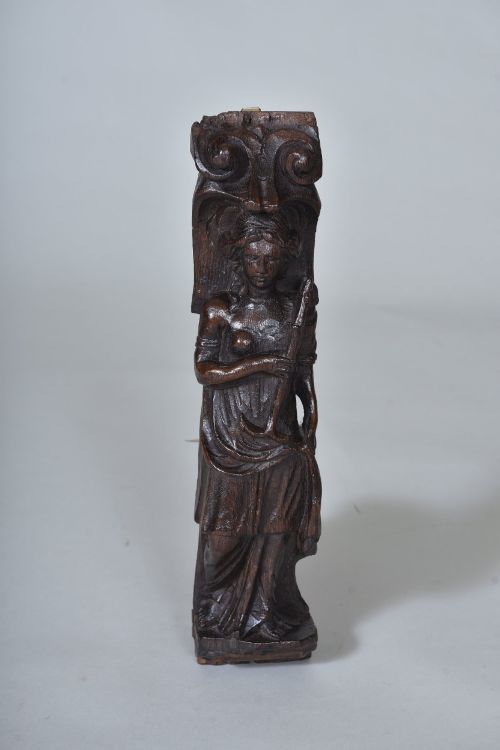
An antique wood relief sculpture comprises architectural fragments, wall panels, and figural plaques carved in high or low relief from timber. Buyers seek these works to anchor a room with historical presence, whether through ecclesiastical panels, hunting trophies, or classical scenes.
The selections available range from sixteenth-century medieval altarpiece fragments and seventeenth-century oak carvings to eighteenth-century baroque plaques and nineteenth-century Black Forest works. Oak and walnut dominate the European material record, whilst regional workshops produced specialised forms like Chinese polychrome figures and Black Forest game plaques.
How they were made
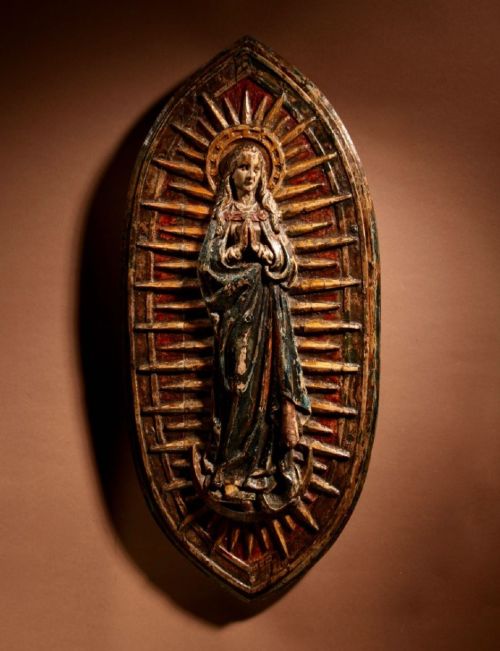
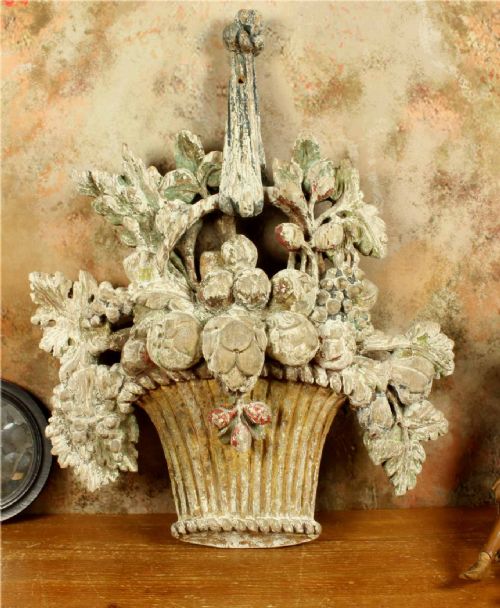
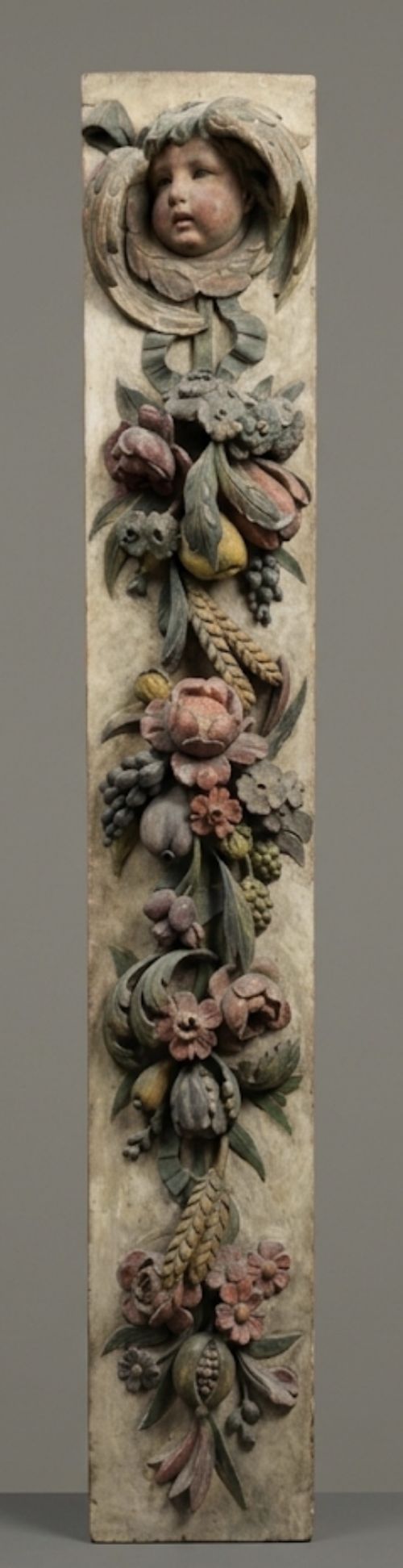
Carvers shaped these reliefs directly from dense hardwoods such as oak, chestnut, and walnut using gouges and chisels to achieve varying depths of projection. Many surfaces received supplementary treatments including gesso preparation, gold leaf application, polychrome paint, or ebonisation to enhance visual drama.
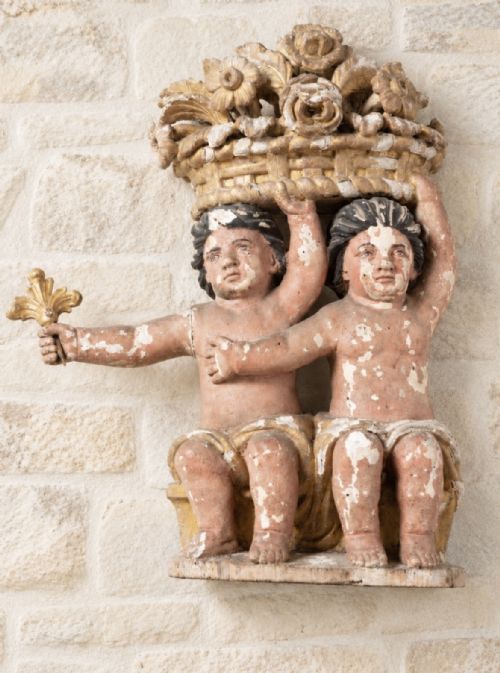
Architectural pediments and wall panels often combined structural joinery with intricate hand-carved motifs like cherubs, foliage, and figural allegories. Master carvers utilised grain direction and deep undercut chiselling to give figures such as angels, deities, and animals a lifelike three-dimensional presence.
Surface treatments recorded include gold leaf, gesso, polychrome paint, and ebonised wood finishes.
What varies in quality
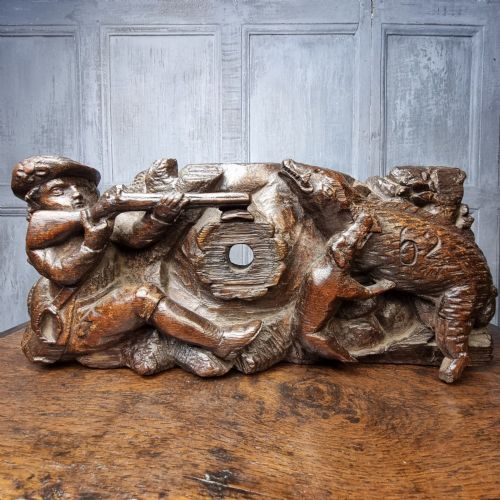
The distinction between ordinary and exceptional carving lies in the crispness of the chisel work and the depth of the undercut, which separates flat decoration from sculptural mastery. Naturalistic anatomy in human and animal figures, such as the feathered detail on hunting trophies or the facial expression on religious panels, separates master workshop output from routine production.
Surface preservation significantly influences the standing of a piece, particularly the survival of original polychrome paint, gold leaf, or aged gesso layers. Pieces retaining their historic surface texture without aggressive modern stripping demonstrate superior historical integrity.
Edward Pearce·Carlhian and Corbiere London
The Antique Wood Relief Sculpture Glossary
- Relief
- Sculpture in which figures project from a background plane. High relief projects substantially, while low relief remains closer to the surface.
- Gesso
- A plaster-like mixture applied to wood as a smooth base for painting or gilding. It allows for fine detail work before leaf application.
- Polychrome
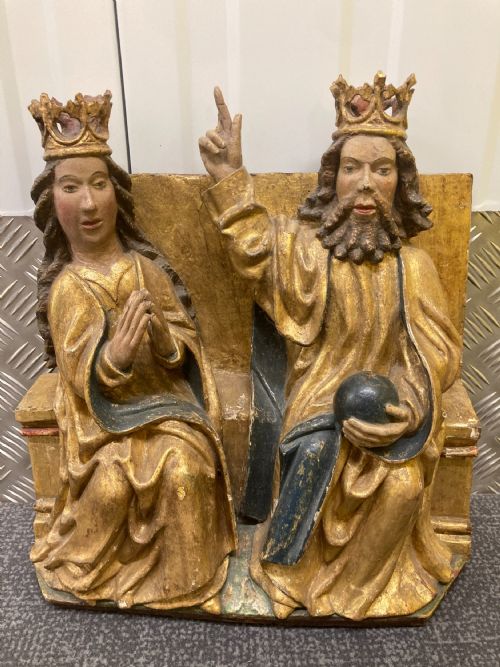
- Decorated in multiple colours. This technique brought medieval and baroque wood sculptures to vivid, lifelike appearances.
- Architectural Salvage
- Building elements removed from structures for reuse or display. These often include carved overdoor panels and pediments.
- Black Forest
- A style of wood carving originating from the German region known for realistic wildlife, hunting trophies, and forestry motifs.
Antique Wood Relief Sculpture: Frequently Asked Questions
What is an antique wood relief sculpture?
These works are carved wooden panels, plaques, and architectural fragments where figures project from a flat background. They encompass centuries of European and global craftsmanship, ranging from religious altarpiece fragments to secular hunting plaques.
Created primarily from hardwoods like oak and walnut, these sculptures served both devotional and decorative functions in historic interiors. Collectors value them for their direct connection to historical carving traditions and architectural history.
How were these wall sculptures used originally?
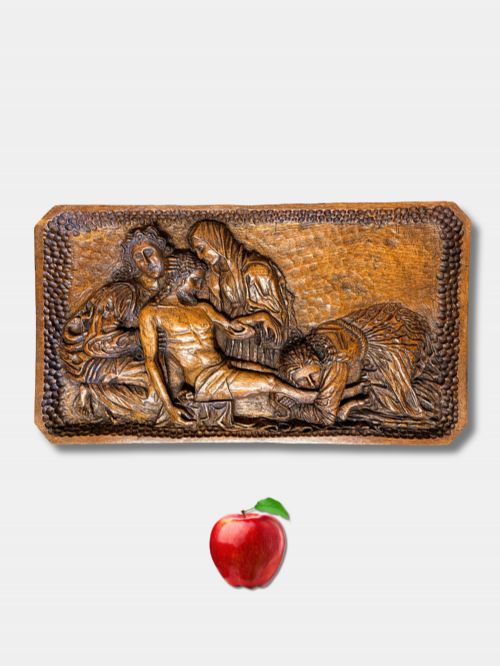
Historic wood reliefs served diverse roles, functioning as central panels in church altarpieces, decorative overdoor panels in grand homes, or architectural pediments. Ecclesiastical carvings depicted biblical narratives like the Passion, while secular spaces featured classical allegories and hunting trophies.
Over time, many of these architectural elements were detached from their original settings to be mounted on walls as independent works of art. This transition shifted their role from structural decoration to standalone collector pieces.
How do I live with a wooden relief sculpture?
Displaying a carved wood panel requires careful placement away from direct heat sources and strong sunlight to prevent the timber from drying out or splitting. Stable indoor humidity helps preserve both the wooden substrate and any historic gesso or polychrome surface.
Secure wall fixings are essential due to the substantial weight of dense hardwoods like oak and walnut. Pairing these historic panels with simple contemporary backdrops allows the intricate hand-carved details to stand out visually.
How can I tell different periods apart?
Stylistic clues and subject matter help distinguish periods, such as medieval and sixteenth-century Gothic panels featuring religious iconography like altarpiece fragments and Green Man motifs. Seventeenth-century pieces often display robust baroque or Jacobean carving, frequently utilising deep oak panels with allegorical figures.
Later nineteenth-century works, including Black Forest animal carvings and Victorian hunting plaques, exhibit a distinct naturalism focused on wildlife and forestry. Examining the tooling marks, wood species, and surface finishes like ebonised wood or parcel gilt further clarifies the age of a piece.