



Vintage Wooden Relief Carving
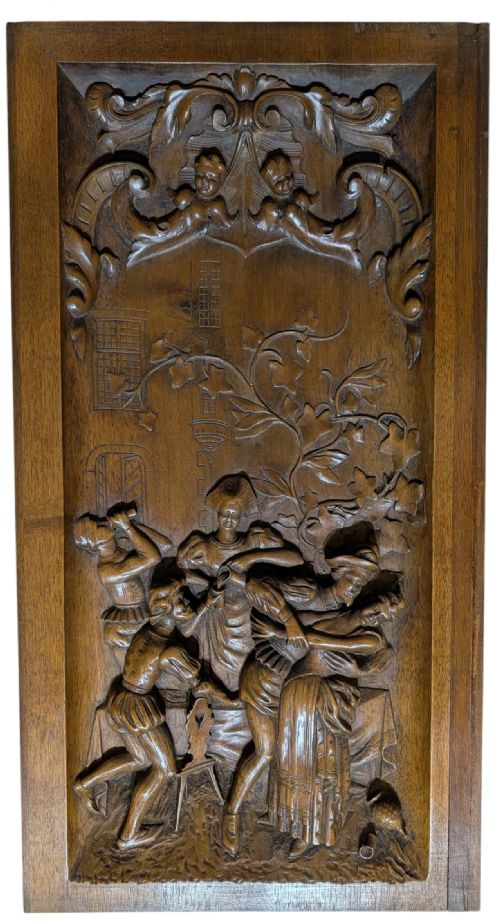
These vintage wooden relief carving works bring depth to plain walls, combining tactile grain and carved detail from global workshops.
Vintage Wooden Relief Carving
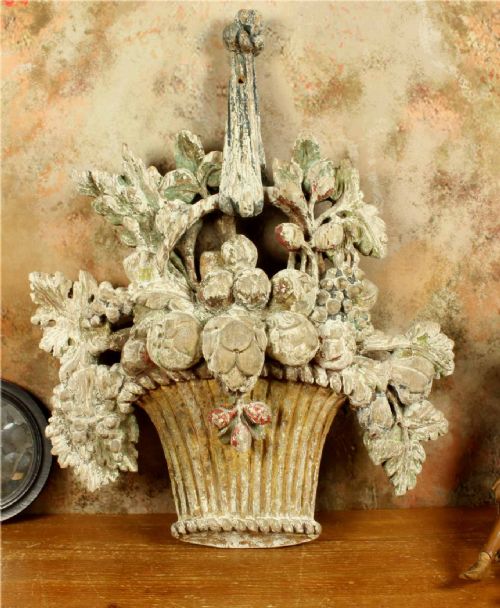
A vintage wooden relief carving emerges as architectural salvage, wall plaques, and decorative panels pulled from domestic and public interiors. Buyers meet pieces originating from the nineteenth and early twentieth centuries, spanning diverse global aesthetics.
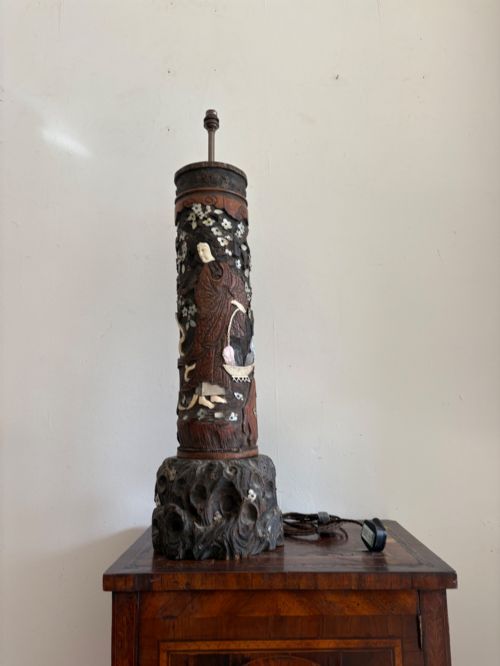
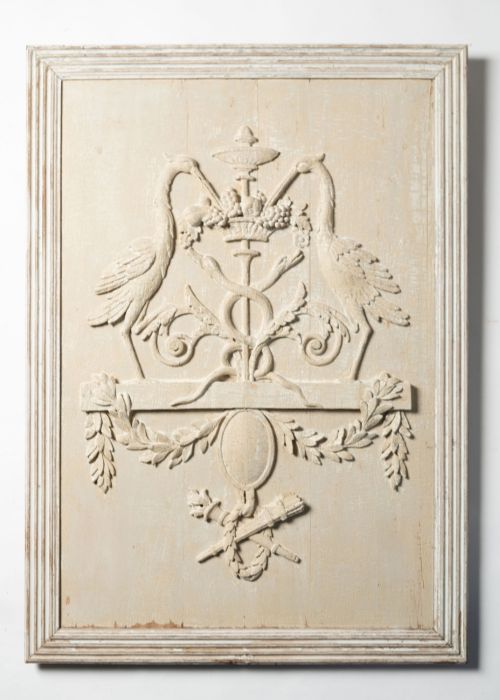
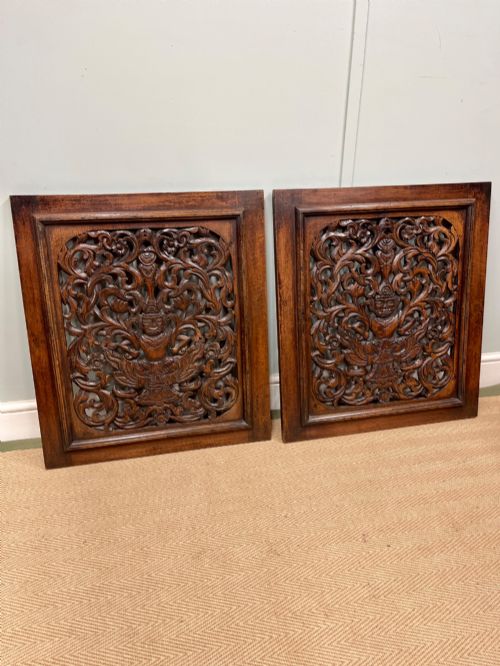
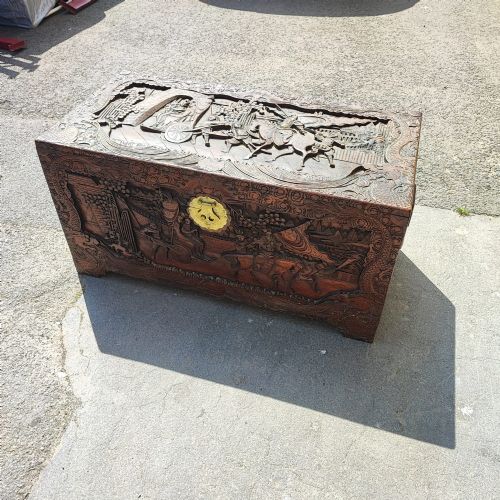
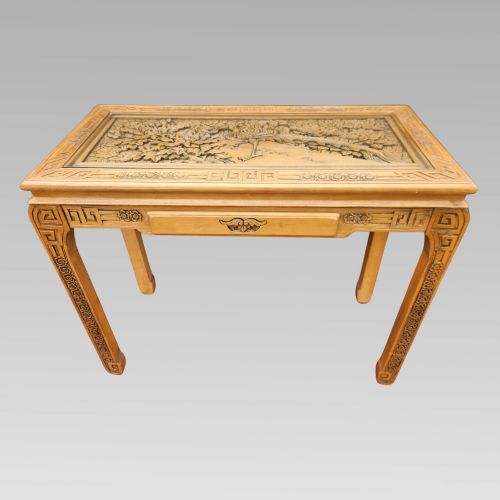
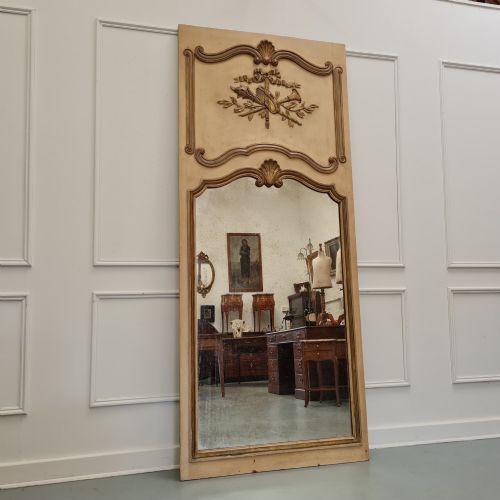
The selection frequently includes Chinese camphor trunks, Burmese panels, and European oak ceiling bosses or wall mirrors. These items transform flat surfaces by introducing three-dimensional depth and carved iconography.
Originating from varied traditions such as Anglo-Indian, Arts and Crafts, and Chinese Export, each vintage wooden relief carving carries the distinctive decorative grammar of its region and period of manufacture.
Materials and construction methods
Craftsmen utilised dense hardwoods including teak, camphor wood, oak, and elm, selecting timber that accepted sharp chisel work without splitting. These materials provided the structural stability required for deep undercutting and intricate pierced designs.
Execution relied on manual carving tools, deploying gouges and parting instruments to lift figures and foliage away from the background plane. Occasional integration of brass hardware or painted finishes supplemented the carved wooden surfaces.
A fairground dragon ride fragment rubs shoulders with hunting trophies and a jigsaw woodwork relief painting of a brass band.
Distinctions in craftsmanship
Quality rests upon the depth of the carving and the crispness of the edges defining each motif, separating superficial surface scoring from deeply modelled sculptural forms. Superior examples maintain symmetry and anatomical proportion across complex figural scenes.
The choice of timber heavily influences the integrity of the piece, with dense seasoned hardwoods retaining sharper detail than softer or more reactive woods. Integration between the carved element and its structural frame reveals the competency of the original maker.
The Vintage Wooden Relief Carving Glossary
- Relief carving
- A sculptural technique where figures or patterns project from a flat background plane. This method defines wall panels, architectural fragments, and decorative plaques.
- Camphor wood
- An aromatic timber prized for storage chests and trunks due to its natural insect-repellent properties. It accepts fine chisel work and ages to a rich tone.
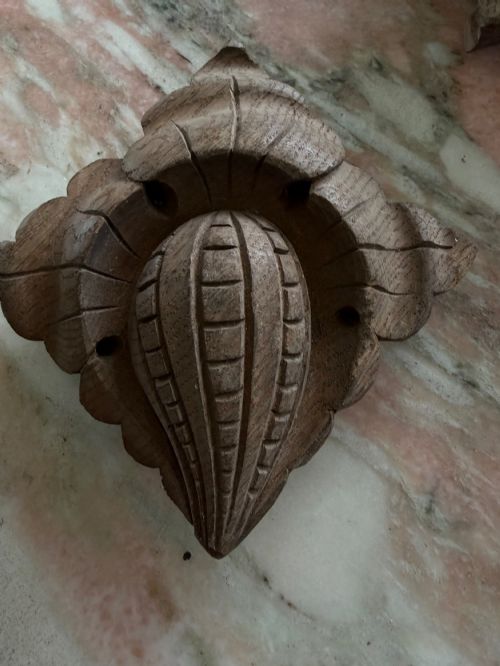
- Ceiling boss
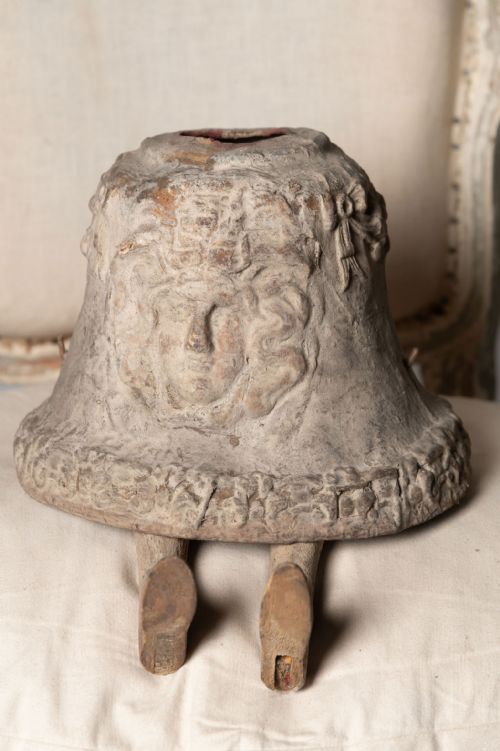
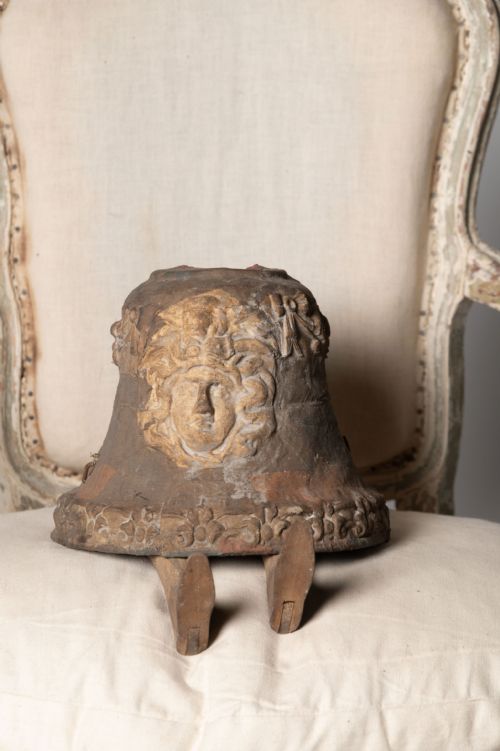
- A projecting block of carved wood placed at the intersection of ribs in a ceiling framework. These architectural elements often feature floral or heraldic motifs.
- Trumeau
- A decorative wall mirror or panel placed between windows, frequently incorporating painted scenes or carved wooden reliefs. It served as a prominent interior feature in period rooms.
- Architectural salvage
- Elements rescued from buildings slated for alteration or demolition, including door panels, veranda fragments, and ceiling bosses. These pieces retain historical fabric from older structures.
Vintage Wooden Relief Carving: Frequently Asked Questions
How do I hang a heavy wooden panel?
Heavy panels require secure fixing directly into wall studs or masonry using appropriate brackets or French cleats to support the weight safely.
Ensure the hanging hardware engages the structural frame of the carving rather than relying solely on decorative surface elements.
What is camphor wood used for?
Camphor wood serves primarily in the construction of storage chests, trunks, and cabinets intended to protect textiles from pests.
The aromatic qualities of the timber combined with robust carved relief panels made these chests practical for travel and domestic storage.
How do I date an antique carved panel?
Dating relies on tool marks, timber selection, regional stylistic conventions, and construction methods characteristic of specific centuries.
Comparing the motif against documented examples from periods like the Meiji era or Arts and Crafts movement narrows the origin.
Where were architectural salvage panels placed?
Architectural salvage panels typically originated as structural or decorative elements in ceilings, doors, verandas, or wall wainscoting.
Rescued fragments found new utility as standalone wall art or integrated components within later furniture assemblies.