



Arts and Crafts Wood Panel
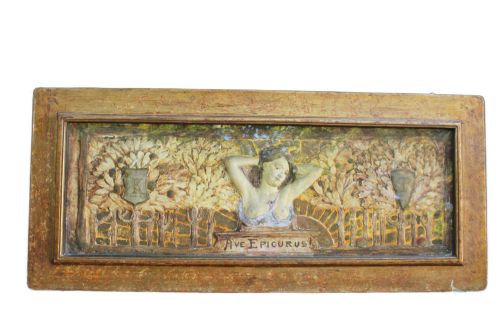
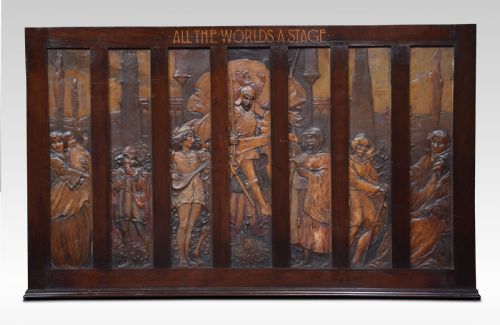
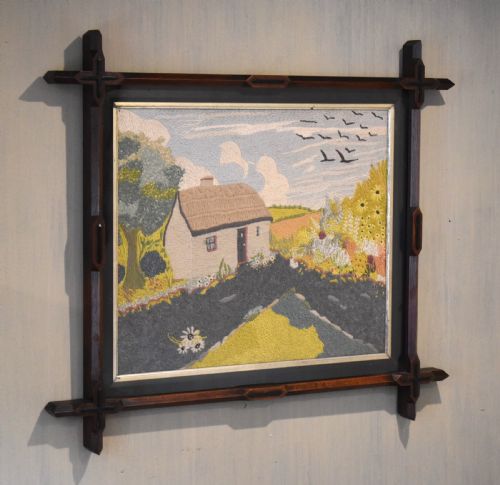
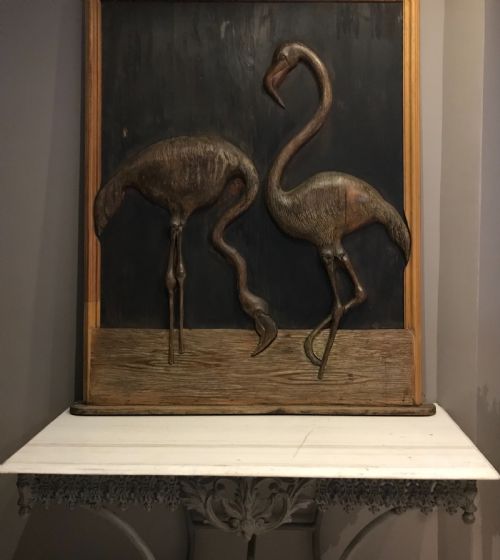
These arts and crafts wood panel pieces bring hand-carved depth and architectural character to a room.
Arts and Crafts Wood Panel
When you search for arts and crafts wood panel, you encounter architectural salvage, wall reliefs, and furniture components created during the late nineteenth and early twentieth centuries. The selection spans carved oak door panels, decorative plaques, and framed architectural elements.
The objects stem from periods including the nineteenth century, Edwardian era, and the decades up to 1930, reflecting the movement's enduring interest in woodwork. Oak is the predominant timber found in these panels, accompanied by walnut, ash, and mahogany.
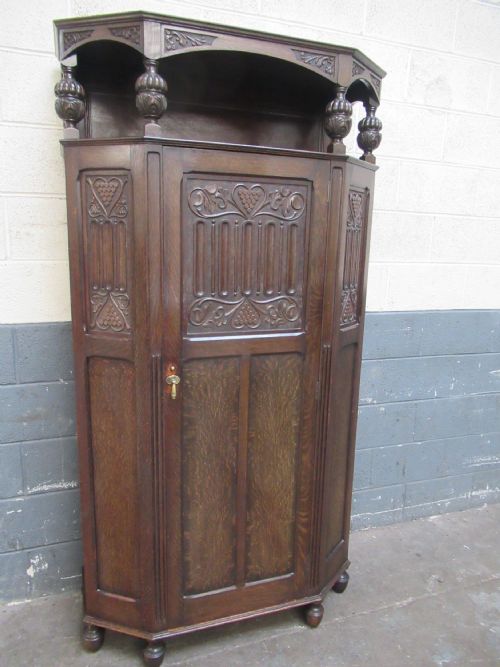
Many items display direct stylistic links to the Arts and Crafts movement, while others incorporate Jacobean revival influences or Edwardian craftsmanship. Buyers select these panels to add historical texture and tactile surface detail to interior walls and fitted furniture.
How they were made
The construction of these pieces relies on traditional carpentry and joinery, utilising solid timbers such as oak, walnut, and mahogany. Workshops shaped these materials using hand chisels and gouges to achieve deep, manual relief carving.
Surface finishes vary from wax and paint applications to natural grain enhancement, preserving the organic qualities of the wood. Metal elements in brass and copper occasionally integrate into the panel designs or associated frames.
What varies in quality
The standard of these pieces is defined by the depth and crispness of the carving, where confident chisel work distinguishes superior items from simpler production. The selection of timber also dictates quality, with well-figured oak and stable hardwoods holding greater aesthetic presence.
Integrity of construction separates better examples, noting how well joints remain tight and panel surrounds retain their original form without excessive shrinkage or warping.
Gregory and Co of London·Shapland and Petter·Rowley Gallery
The Arts and Crafts Wood Panel Glossary
- Architectural salvage
- Building elements removed from older structures for reuse in interior decoration. These pieces retain historical fabric and patination from their original context.
- Wall relief
- A sculptural technique where figures or ornamentation project from a flat background. In wood, this involves carving away the surrounding material to create depth.
- Jacobean revival
- A nineteenth and early twentieth-century style borrowing heavy geometric moulding, strapwork, and dark finishes from seventeenth-century English design.
- Compactum wardrobe
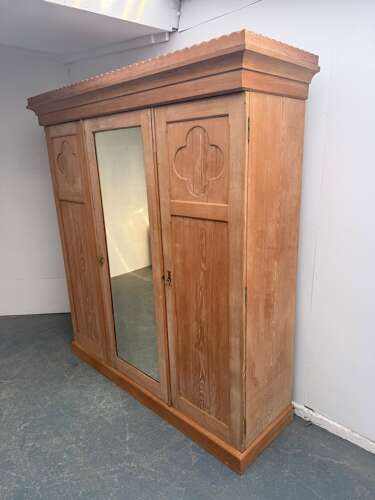
- A large fitted wardrobe combining hanging space, drawers, and shelving within a single multi-door unit.
Arts and Crafts Wood Panel: Frequently Asked Questions
How do I hang a heavy wooden panel safely?
Heavy carved wood panels require secure fixing directly into wall studs or masonry using appropriate heavy-duty brackets. Weight distribution must be calculated carefully before mounting older timber objects.
Consult a professional joiner or builder if the panel lacks built-in hanging fixtures or requires custom battens to support its specific weight safely.
Can I clean carved wood panels with water?
Water can raise the grain of old timber and damage historic wax or polished finishes. Dusting with a dry, soft brush is the safest method for routine maintenance.
Stubborn grime requires specialised wax cleaners tested on an inconspicuous area first, avoiding any soaking of the unsealed wood pores.
How do I date an arts and crafts panel?
Dating relies on examining tool marks left by hand chisels, timber species, and construction methods characteristic of the late nineteenth and early twentieth centuries. Stylistic motifs like stylized flora also point to specific decades.
Comparing the backing boards, fixings, and any maker signatures provides additional chronological markers to narrow down the period.
Where should I place a decorative wood panel?
These panels suit placement as focal points above mantelpieces, within hallway wall schemes, or integrated directly into architectural joinery. Their textured surfaces catch light effectively in spaces with natural side illumination.
Avoid hanging antique wood panels on damp exterior walls or in direct sunlight, which causes timber to dry out and split.