



Carved Oak Decorative Panel
A carved oak decorative panel brings historic texture to a room, offering deep relief work and centuries of character straight to your walls.
Carved Oak Decorative Panel
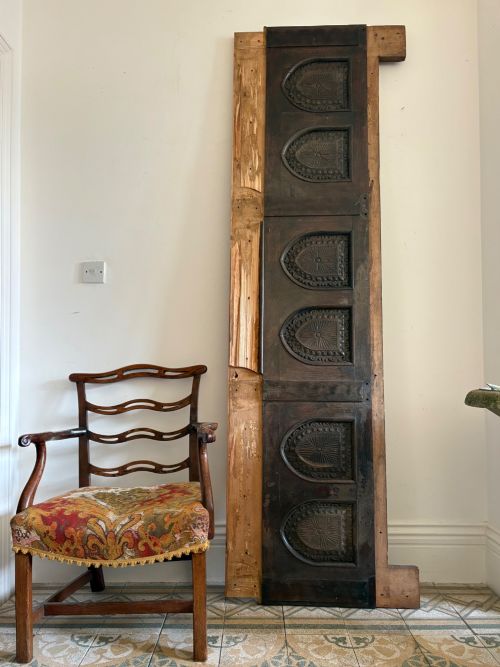
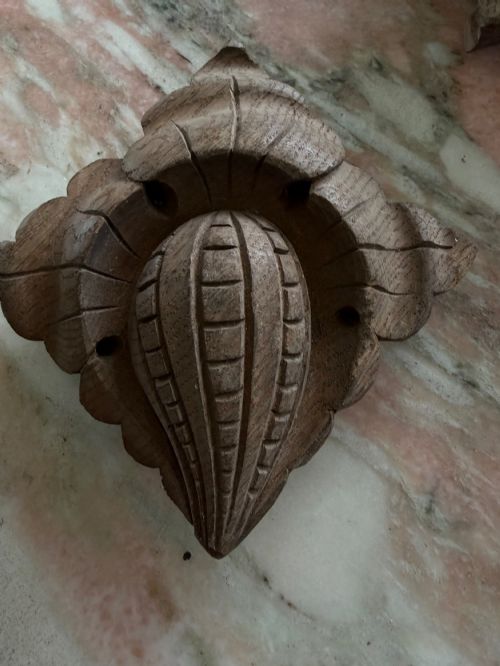
When you search for a carved oak decorative panel, you encounter architectural salvage, wall carvings, and ceiling boss fragments retrieved from historic buildings. These pieces span from the sixteenth century through the Victorian era and into the late nineteenth century, showing enduring popularity for interior enrichment.
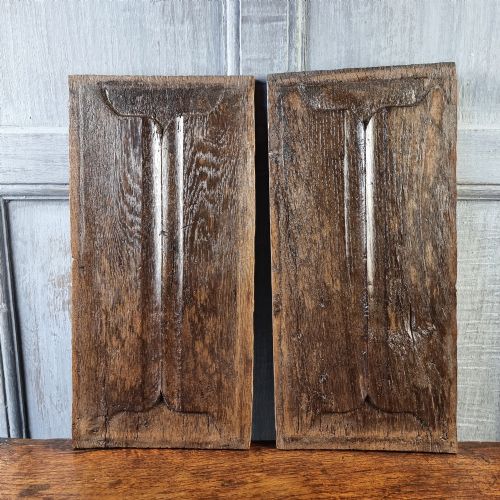
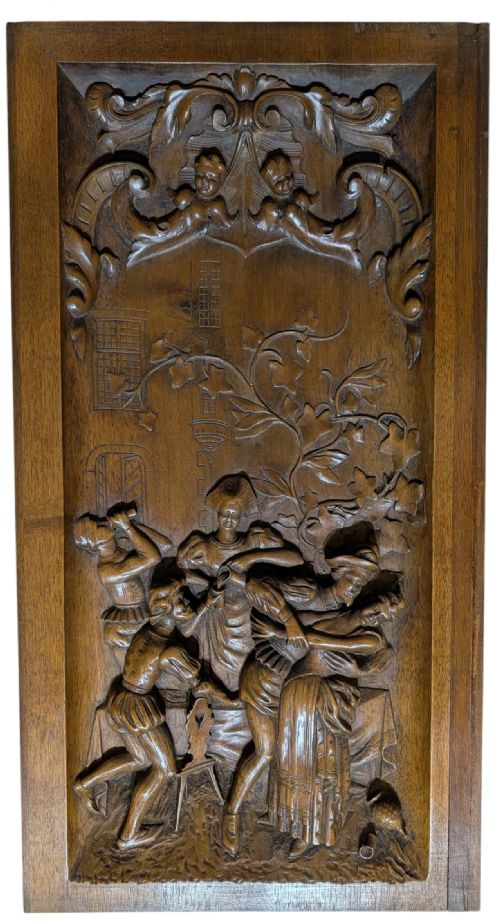
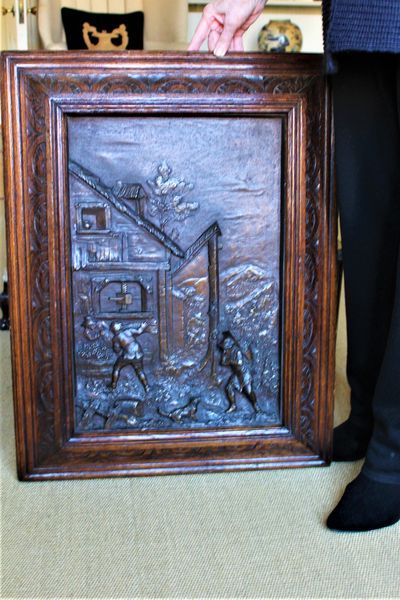
You frequently meet rectangular panels displaying traditional linenfold or parchemin motifs alongside figural reliefs and geometric patterns. These items originate as standalone wall sculptures or elements adapted from larger pieces of historic furniture and architectural joinery.
The selection ranges from early Renaissance and Jacobean examples to Gothic Revival and Arts and Crafts interpretations. Each piece reflects the aesthetic priorities of its period, whether through austere sixteenth-century folds or exuberant nineteenth-century revivals.
How they were made
Makers shaped these panels primarily from solid oak and wood, utilising hand-chisels and gouges to achieve varied depths of relief. Some surfaces retain traces of limed finishes, dark patination, or polychrome paint applied during manufacture or subsequent centuries.
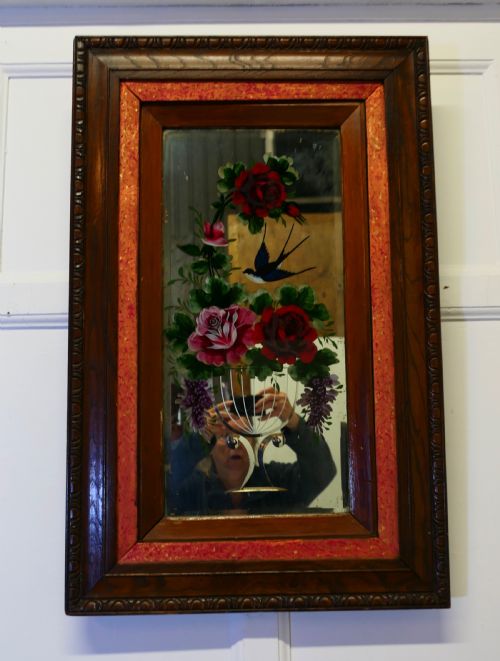
Construction techniques evolved from rigid sixteenth-century framing methods to later nineteenth-century revival work that often incorporated ebonised wood or integrated glass and silk elements into fire screens and mirrors.
Materials documented across the pieces include solid oak, limed oak, ebonised wood, polychrome paint, silk, and glass.
What varies in quality
Depth, crispness, and confidence of the chisel work distinguish exceptional carvings from simpler decorative production. The best panels show anatomical understanding in figures and undercut details that create genuine shadow and movement across the wood.
The integrity of the timber and the retention of original surface patination determine the standing of an individual piece. Panels that maintain their early joins and uncompromised wooden surfaces carry greater historical weight than heavily restored or later composite items.
The Carved Oak Decorative Panel Glossary
- Linenfold
- A style of wood carving that imitates folded fabric or linen, common on fifteenth and sixteenth-century panels. This motif creates vertical ripples across the wooden surface.
- Parchemin
- A decorative panel carving resembling folded parchment or rolled paper. It is closely related to linenfold but typically shows crisper edges and flatter central planes.
- Ceiling Boss
- A projecting block of carved wood placed at the intersection of ribs in a vaulted ceiling. These often take round or floral forms.
- Architectural Salvage
- Building elements rescued from structures undergoing demolition or alteration. This category includes panels, friezes, and structural woodwork.
- Renaissance Revival
- A nineteenth-century artistic movement that revived forms and ornamentation from the fifteenth and sixteenth centuries. It heavily influenced Victorian furniture and wall decoration.
Carved Oak Decorative Panel: Frequently Asked Questions
Where were carved oak panels originally placed?
These panels typically formed part of wall panelling, known as wainscoting, within grand domestic interiors, churches, and public halls. They also served as structural components for coffers, chests, and settles.
Over subsequent centuries, many panels were removed from their original settings and mounted individually as decorative wall art.
How do I hang a heavy wooden panel safely?
Heavy oak panels require sturdy fixings screwed directly into masonry or secured into wall studs using appropriate metal brackets. Because aged oak is dense and substantial, standard picture wire is rarely sufficient for larger examples.
Consult a professional framer or builder if the panel lacks built-in hanging points or requires a custom mounting frame.
How do I distinguish sixteenth-century panels from nineteenth-century copies?
Sixteenth-century work displays tool marks consistent with hand-cleaving and early iron chisels, alongside deep, dry patination accumulated over generations. The grain structure often shows the irregularities typical of quartersawn historic oak.
Nineteenth-century revival pieces tend to have more uniform machine-prepared timber and tool signatures characteristic of later workshop practices.
Should I apply oil or wax to the wood?
A light application of microcrystalline wax helps protect dry historic oak without attracting dust or darkening the wood unnaturally. Avoid modern liquid polishes containing silicone, which can penetrate porous historic timber and alter the surface sheen permanently.
Maintain stable indoor humidity levels to prevent the oak from splitting or warping over time.