


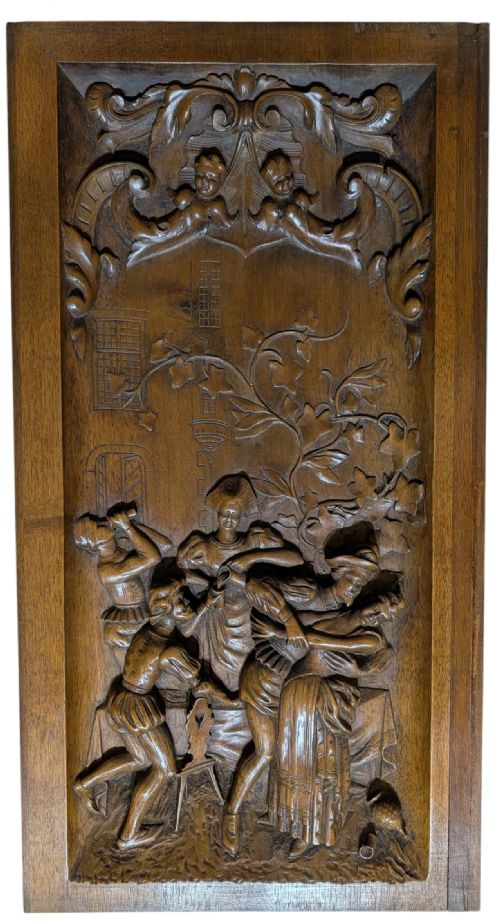


Hand Carved Wall Plaque
A hand carved wall plaque brings tangible weight and historic texture to a room, ranging from robust oak panels to intricate gilded temple carvings.
Hand Carved Wall Plaque
A hand carved wall plaque encompasses architectural salvage, figural reliefs, and decorative panels fashioned from solid timber and other traditional materials. These pieces originate from diverse stylistic traditions, including Black Forest carvings, French chateau panels, and Chinese temple works.
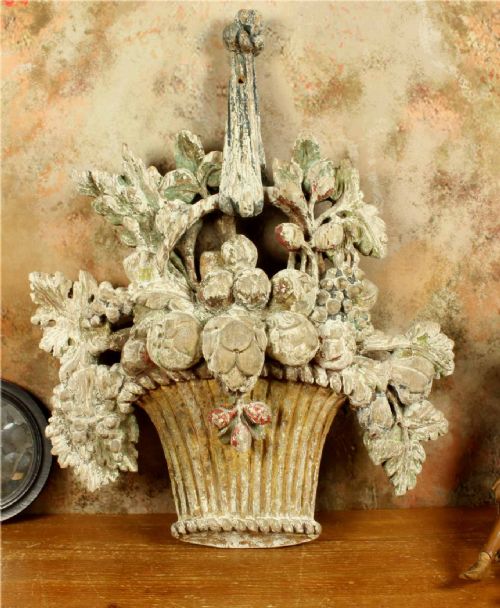
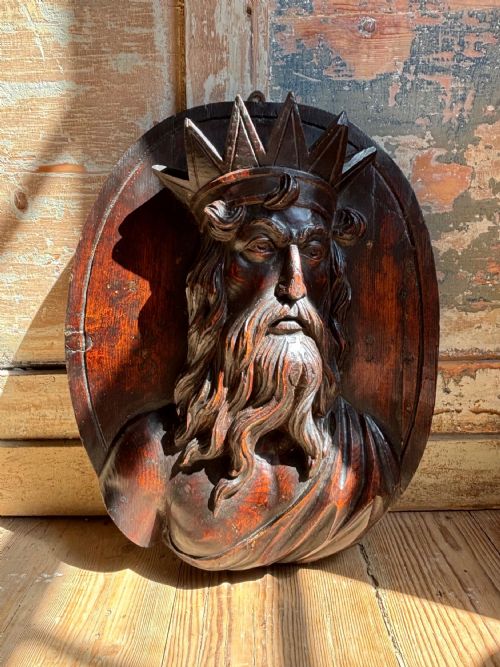
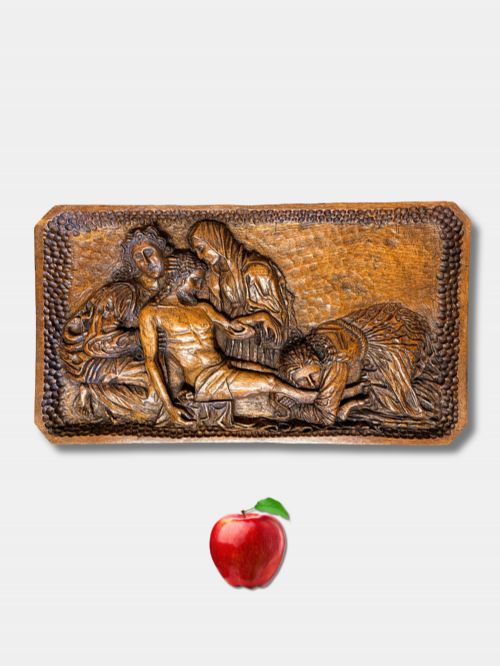
Buyers meet nineteenth-century oak and hardwood panels most frequently on this page, alongside earlier seventeenth and eighteenth-century examples. Forms range from heraldic coats of arms and religious icons to naturalistic representations of animals and floral baskets.
Originating across Europe and Asia, these objects often began as furniture fragments, cart elements, or architectural elements before finding new life as wall art.
How They Were Made
Craftsmen utilised dense timbers such as oak, walnut, teak, and chestnut, shaping them with gouges and chisels to achieve deep relief. Selected pieces incorporate paint, polychrome pigments, or gold leaf to highlight intricate details.
Alternative materials appear alongside wood, including cast iron, copper, porcelain, and slate. Artisans combined hand carving with piercing, framing, and surface decoration to create substantial decorative wall displays.
Keep watch for the chicken thief and the serpent, immortalised in solid oak by carvers centuries ago.
What Varies in Quality
Depth of relief and sharpness of chisel work distinguish superior carvings from simpler decorative items. The finest pieces display confident anatomical proportions in figures and fluid symmetry in ornamentation.
The integrity of the original material and the preservation of historic surface finishes, whether aged paint or natural timber grain, govern the visual presence of each panel.
The Hand Carved Wall Plaque Glossary
- Relief
- A sculptural technique where figures or designs project from a flat background. High relief elements emerge significantly from the plane, creating deep shadows.
- Architectural salvage
- Elements rescued from dismantled buildings or structures. These fragments often find new purpose as wall plaques.
- Polychrome
- Decorated in multiple colours. Artisans applied paint to wood or plaster to enhance realism.
- Cartouche
- An ornamental tablet or panel framed with scrollwork or moulding. It frequently bears inscriptions, crests, or emblems.
Hand Carved Wall Plaque: Frequently Asked Questions
How do I hang a heavy carved wooden plaque?
Substantial wooden panels require robust wall fixings secured directly into studs or masonry. Heavy iron brackets or french cleats distribute the weight safely.
Ensure the hanging hardware on the reverse matches the considerable mass of older hardwood pieces.
Are these plaques from actual buildings?
Many pieces originate as architectural salvage from historic European chateaux, Asian temples, or local carts. They served structural or decorative roles before removal.
Other items were created specifically as wall art or decorative panels from their inception.
How should I clean a carved wooden plaque?
Remove surface dust gently using a soft, dry brush or a feather duster. Avoid liquid cleaners that might damage aged timber or historic paint.
Preserve the dry patina by keeping the wood away from direct heat sources and strong sunlight.
What periods do these wall carvings span?
The selection includes pieces dating from the seventeenth century through to the early twentieth century. Common eras represented include the Victorian period and the Arts and Crafts movement.
Earlier works often feature primitive or baroque religious iconography.