







Carved Timber Wall Bracket
A carved timber wall bracket brings architectural depth and solid historic form to a room, offering immediate texture and structural interest to any wall.
Carved Timber Wall Bracket
A carved timber wall bracket is a sturdy architectural element or decorative shelf designed to project from a vertical surface, often serving to support sculptures, clocks, or lighting.
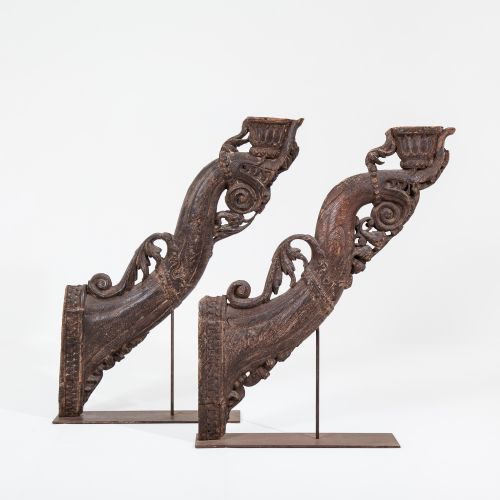
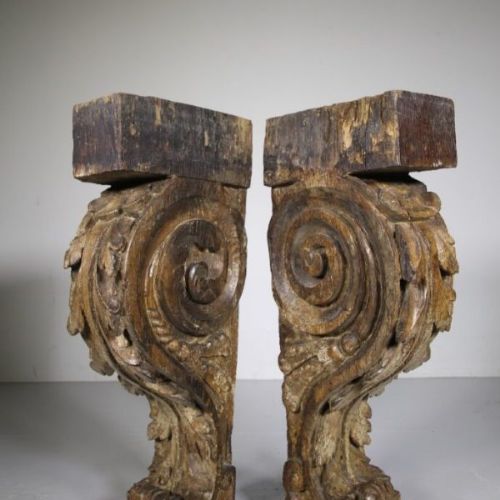
Buyers browsing this selection encounter a diverse range of forms, from seventeenth-century oak corbels and architectural salvage to Victorian wall clocks, sconces, and gilded Italianate fragments.
The objects span multiple centuries, including seventeenth-century, eighteenth-century, and nineteenth-century pieces, reflecting distinct stylistic influences such as Baroque, Georgian, Victorian, and traditional Chinese craftsmanship.
How they were made
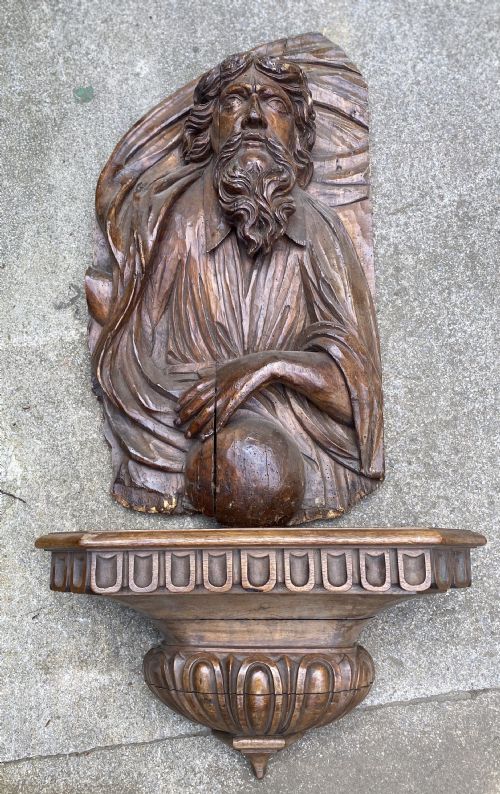
These items rely on solid timber foundations, predominantly utilising oak, walnut, pine, and carved wood shaped with chisels and gouges to achieve high-relief figurative or architectural detail.
Many surfaces receive additional treatment through gesso, silver leaf, or gilding, which enhances the carved contours and introduces reflective qualities to wall sconces and mirrors.
Structural elements occasionally incorporate iron fixings or glass components, particularly within complex assemblies like clock housings and mirrored wall brackets.
Carved Timber Wall Bracket Retail Price Guide 2026
Typical asking prices for carved timber wall bracket among the pieces listed under this phrase on Sellingantiques today, from the lower quarter to the upper quarter. They describe what is for sale here now, not the wider market.
Listings feature oak, walnut, pine, and carved wood, spanning from the seventeenth century through the Victorian era.
What varies in quality
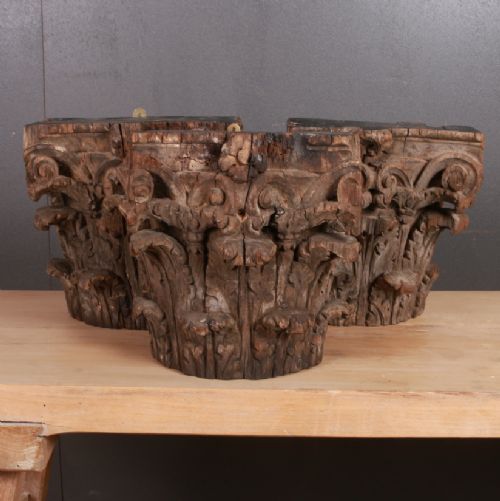
The depth and clarity of the carving separate standard utilitarian brackets from exceptional sculptural works, particularly in pieces featuring figurative elements, Corinthian capitals, or intricate foliage.
Original surface treatments, such as untouched seventeenth-century oak patination or intact historic silver leaf and gilding, distinguish pieces retaining their authentic finish from those heavily altered over time.
Structural integrity and the survival of matching pairs dictate the utility of architectural salvage, as symmetrical seventeenth-century corbels or eighteenth-century brackets offer greater versatility for interior placement.
Connell of London
The Carved Timber Wall Bracket Glossary
- Corbel
- A structural piece of stone, wood, or metal jutting from a wall to carry a weight, typically designed with decorative scrollwork or figurative carving. These wooden supports often terminate in carved scrolls or faces.
- Gesso
- A plaster-based mixture applied to wood surfaces to prepare them for painting or gilding. It provides a smooth base that holds crisp, detailed decorative moulding.
- Silver Leaf
- Thin sheets of hammered silver applied to wood or gesso surfaces to create a metallic finish. It patinates over time into a subdued, reflective tone.
- Capital
- The uppermost member of a column or pilaster, often carved with classical foliage or volutes. Examples frequently appear in architectural salvage selections.
- Fusee
- A conical pulley used in clock movements to maintain even tension on the mainspring as it unwinds. This mechanism appears in specific wall-mounted bracket clocks.
Carved Timber Wall Bracket: Frequently Asked Questions
What is a carved timber wall bracket used for?
These pieces function primarily as structural supports for heavy objects, shelves, or lighting fixtures while adding decorative relief to plain walls.
Historically, they also served as housings for specialised items such as fusee dial clocks or supported architectural projections within grand interiors.
How do I mount a heavy wooden corbel safely?
Safe installation requires fixing directly into wall studs or using heavy-duty masonry anchors suited to the weight of solid oak or walnut.
Because many pieces originate as architectural salvage, professional assessment of the rear mounting points ensures the historic timber remains secure.
Are these brackets sold as matching pairs?
Many listings comprise matched pairs of seventeenth, eighteenth, or nineteenth-century corbels intended for balanced flanking arrangements on either side of a fireplace or doorway.
Single brackets also appear frequently, functioning well as standalone display shelves or architectural accents.
How do I identify the period of a carved bracket?
Dating relies on examining the timber species, tool marks left by the carver, and stylistic cues such as seventeenth-century figurative motifs or Georgian proportions.
Comparing the wear patterns and construction methods against documented historical examples helps clarify the era of manufacture.