




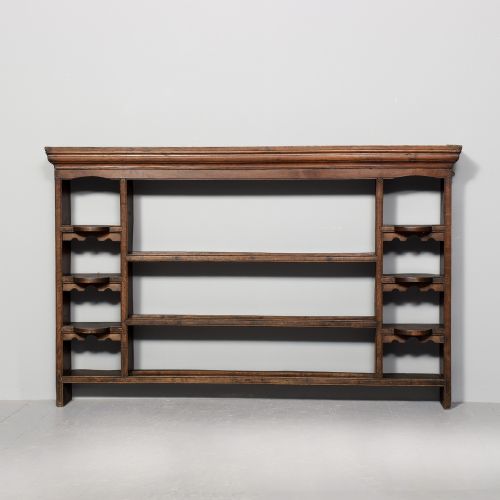
Oak Wall Shelf
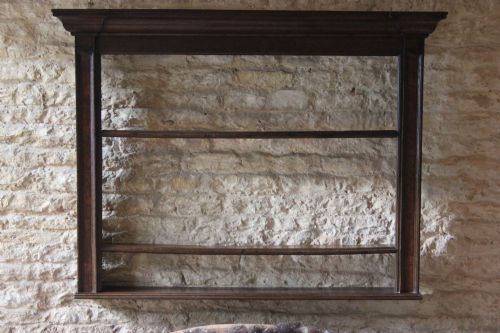
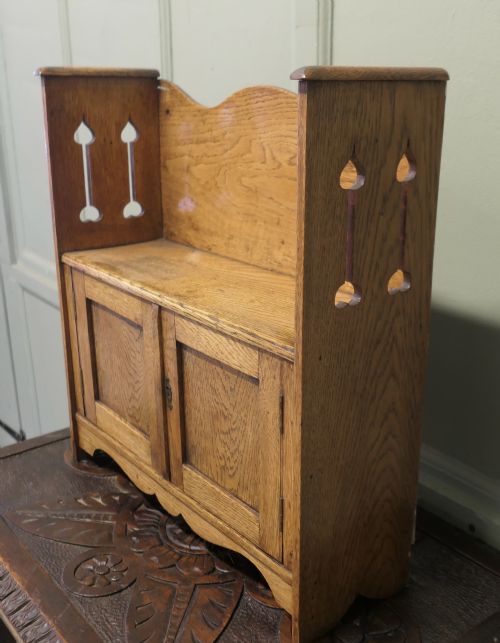
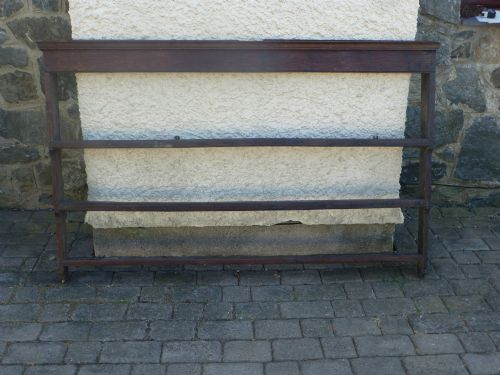
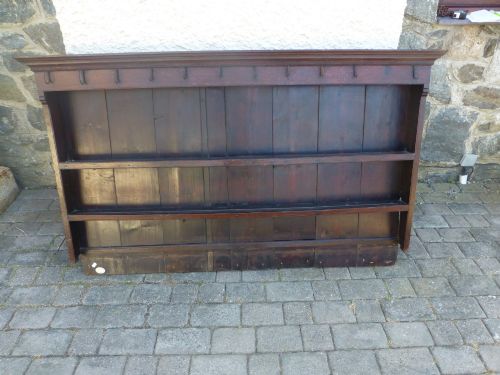
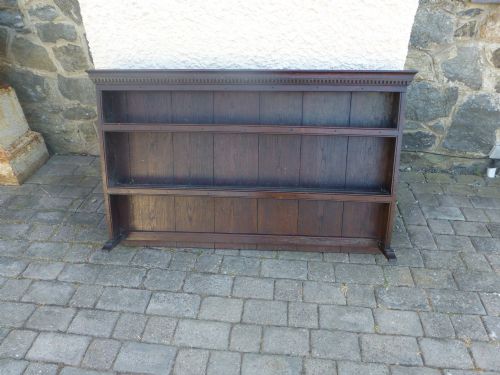
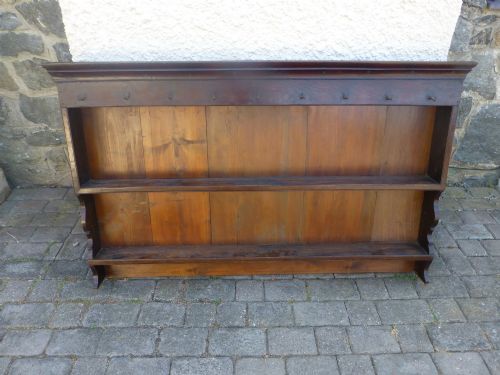
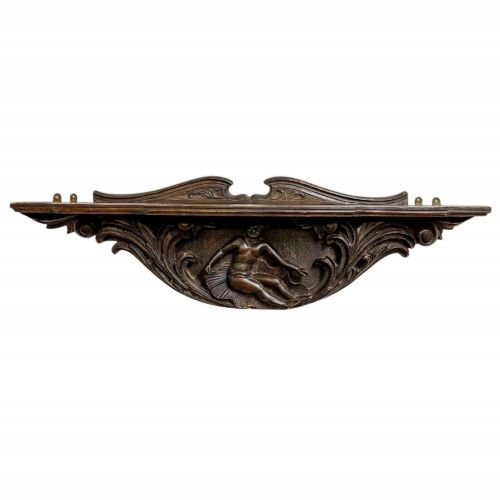
When you search for an oak wall shelf, you find practical timber storage that ranges from simple country plate racks to carved Arts and Crafts display ledges.
Oak Wall Shelf
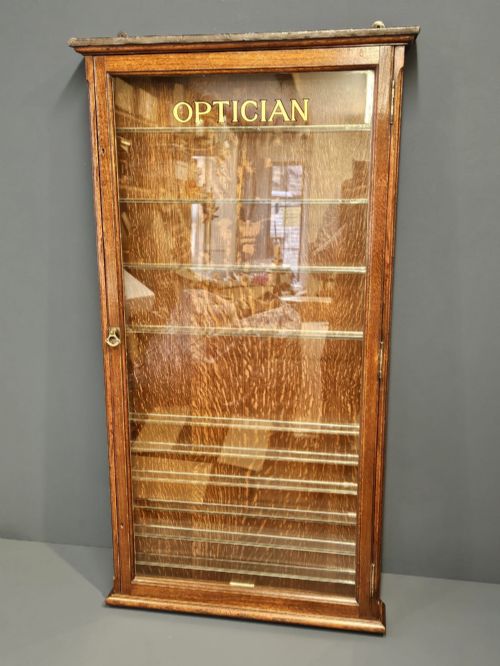
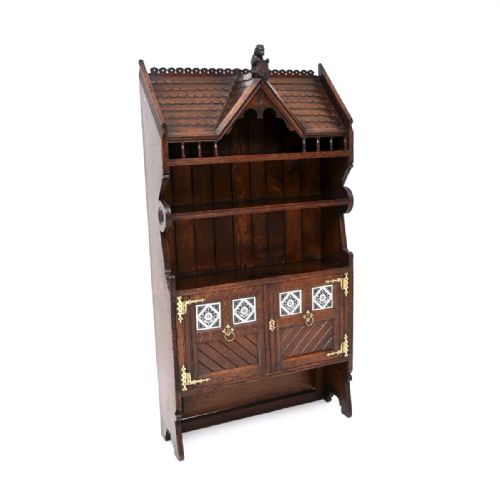
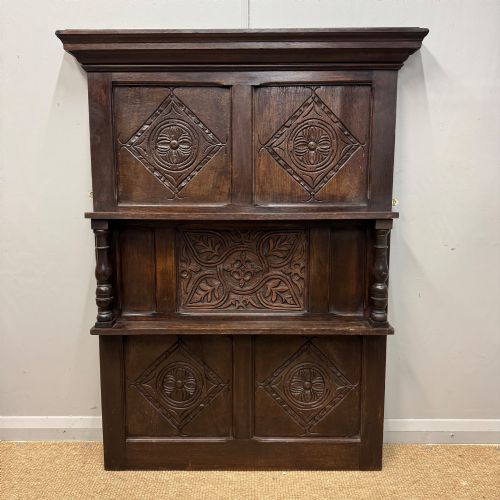
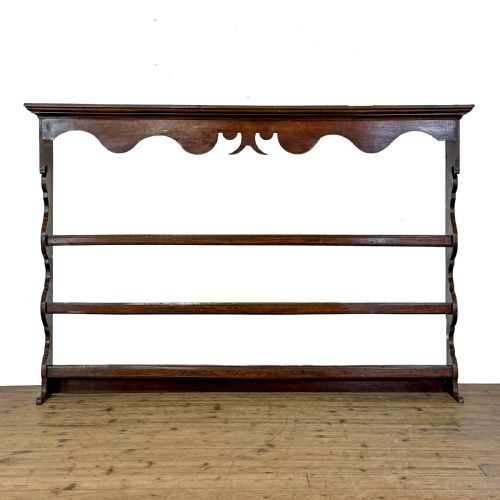
An oak wall shelf provides sturdy domestic display and storage, appearing in forms as diverse as plate racks, hanging cupboards, and open ledges. The selection includes country pieces alongside formal Victorian Gothic and Edwardian designs.
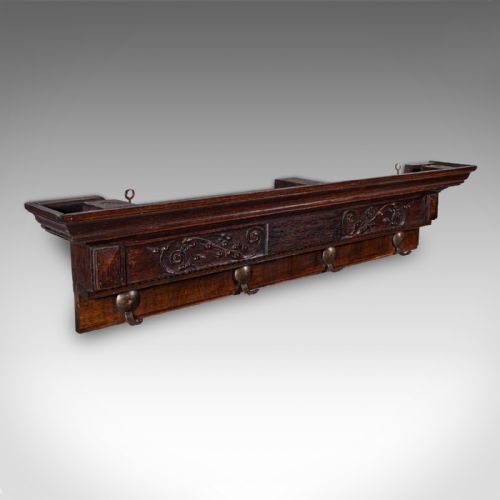
Many examples combine shelving with brass coat hooks, small drawers, or mirror panels for hallway and cloakroom use. Others form part of larger regional traditions, such as Welsh or Irish provincial plate racks.
The most common pieces on this page date from the eighteenth century through to the Edwardian era, reflecting both utilitarian domestic needs and decorative aesthetic movements.
How they were made
Makers built these pieces primarily from solid oak, sometimes incorporating pine for secondary timbers or backing boards, and shaped them using traditional hand woodworking techniques. Brass fixtures, iron hooks, and occasionally glass or mirrors appear as supplementary materials.
Carving, moulding, and panel construction define the decorative approach, particularly in Arts and Crafts, Gothic Revival, and Moorish styles. Joinery methods rely on pegged mortise and tenon joints to bear weight securely against a wall.
Oak Wall Shelf Retail Price Guide 2026
Typical asking prices for oak wall shelf among the pieces listed under this phrase on Sellingantiques today, from the lower quarter to the upper quarter. They describe what is for sale here now, not the wider market.
Listings feature oak wall shelves spanning from the seventeenth century through to the 1920s, incorporating glass, brass, iron, and mahogany elements.
What varies in quality
The depth of carving and the crispness of architectural details set finer decorative examples apart from plain utility boards. Pieces attributed to specific workshops or notable makers often display superior proportions and considered timber selection.
Originality of surface finish and hardware also influences the standing of a piece. Retaining period brass hooks, uncompromised backboards, and stable construction marks out the better survivals.
Heals·Liberty and Co·John Moyr Smith
The Oak Wall Shelf Glossary
- Plate rack
- A wall-mounted shelving unit featuring grooved ledges or vertical wooden spars designed to hold plates upright. They frequently date to the Georgian and eighteenth-century periods.
- Delft rack
- A traditional wall rack utilised for displaying earthenware and ceramics. These often feature shaped friezes or multiple tiers.
- Whatnot
- An open-shelved piece of furniture designed for displaying ornaments and small objects. Mounted versions hang directly upon the wall.
- Overmantel
- A decorative structure placed above a fireplace, sometimes incorporating shelves or mirrors. They appear in styles ranging from Victorian Gothic to Moorish revival.
- Aesthetic Movement
- A late nineteenth-century design style focusing on visual beauty over narrative function. Pieces from this movement often exhibit refined Japanese or art furniture influences.
Oak Wall Shelf: Frequently Asked Questions
What is a delft oak dresser plate rack?
A delft oak dresser plate rack is a wall-mounted timber unit specifically designed with grooves or wooden slats to display ceramic plates upright. These pieces originate largely from eighteenth-century country houses and vernacular workshops.
They combine practical kitchen storage with decorative display. Many retain their original open shelving structure and substantial proportions.
How do I hang a heavy antique wall shelf?
Hanging a heavy antique oak wall shelf securely requires locating structural wall studs or using heavy-duty wall fixings suited to timber weight. Professional installation ensures the vintage fixings or added mounting brackets bear the load safely.
Because many older pieces lack modern hanging hardware, discreet brackets or internal screw points are often added to protect the original timber.
Are these shelves suitable for modern bathrooms?
Many smaller oak wall shelves, particularly Edwardian shaving mirrors and cabinet combinations, adapt well to contemporary bathrooms for toiletries and small items. The natural resilience of oak handles normal domestic humidity when treated with care.
Care should be taken to avoid placing unsealed antique timber directly next to persistent water sources. Periodic waxing helps protect the historical finish.
How do I distinguish Arts and Crafts shelves from Georgian ones?
Arts and Crafts oak wall shelves, dating around 1880 to 1910, typically display honest joinery, hammered brass accents, and simple functional ledges like magazine racks. Georgian examples from the eighteenth century lean towards architectural mouldings, plate grooves, and classical proportions.
Examining the tool marks, timber grain, and construction methods helps clarify the period. Country pieces often bridge these styles through simple regional craftsmanship.