





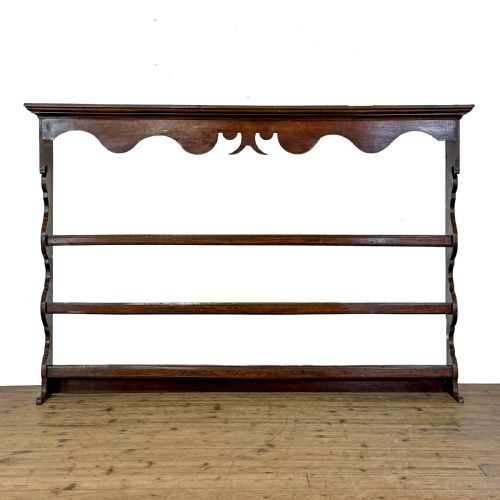
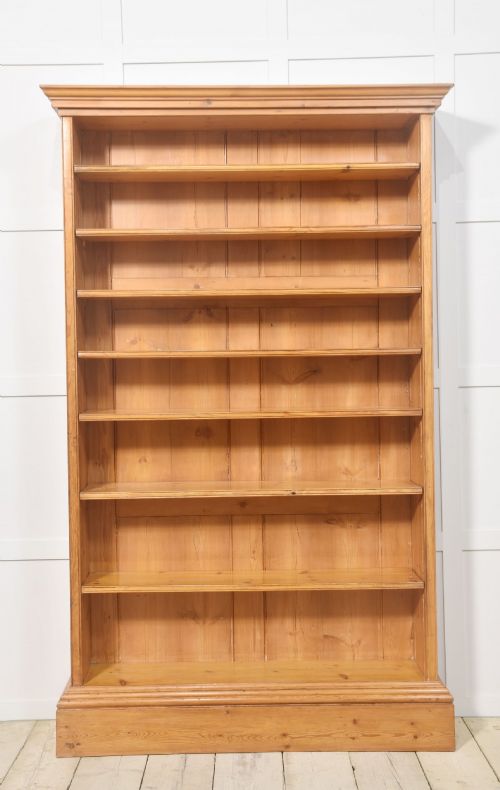


Open Wall Shelves
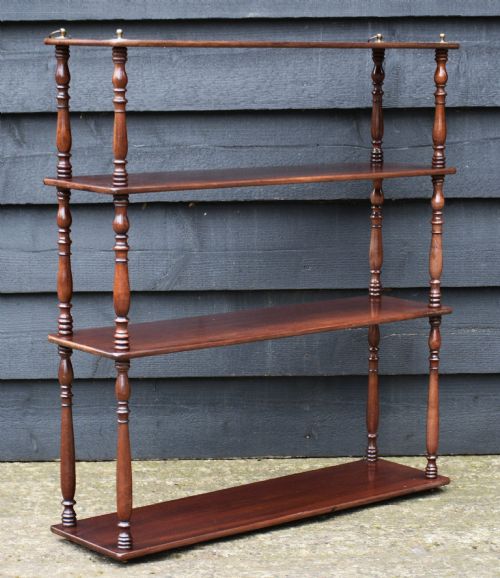
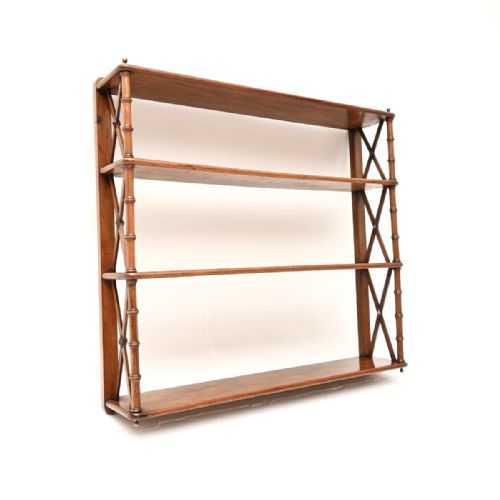
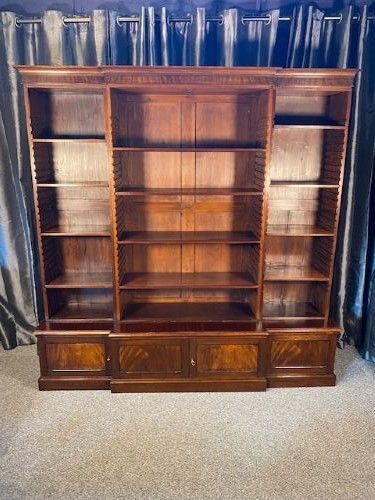
Open wall shelves are practical timber display units designed to hold books and ornaments close to the wall, offering both utility and character.
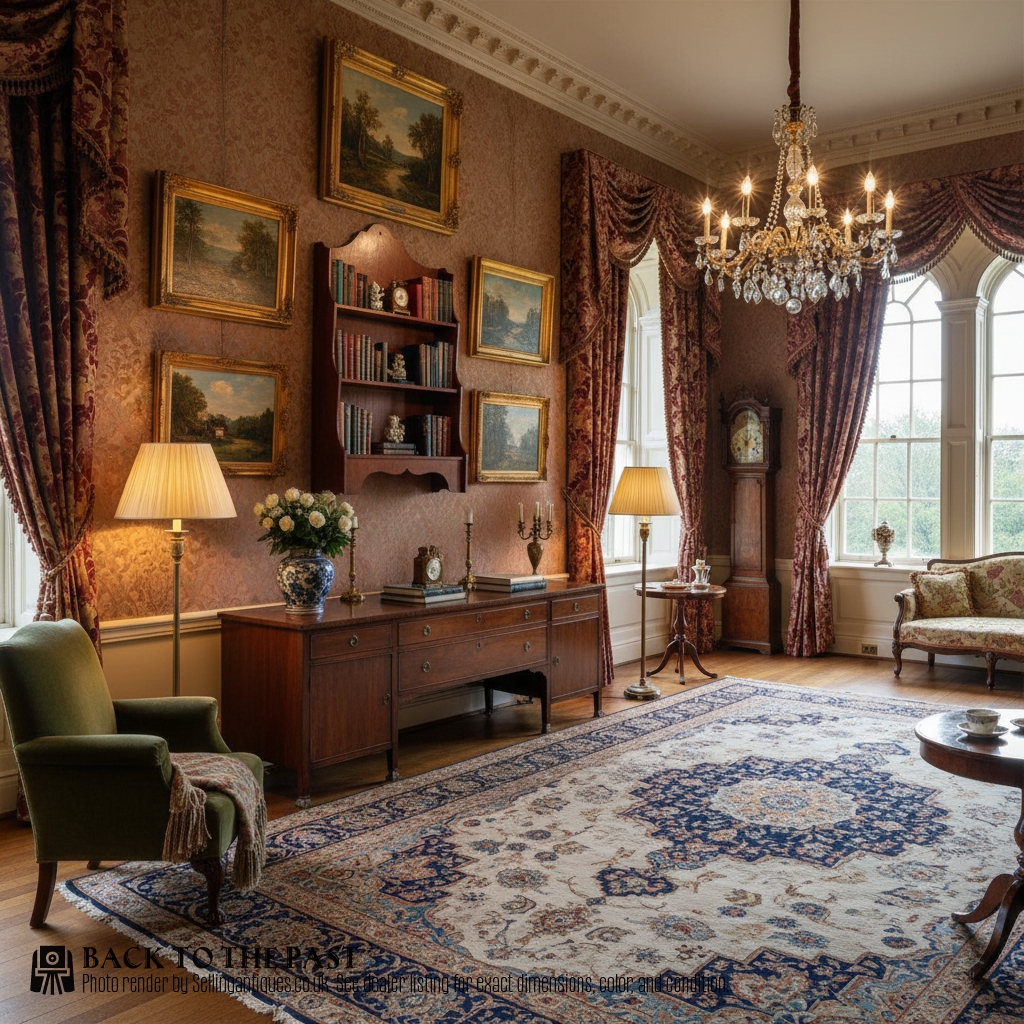
Open Wall Shelves
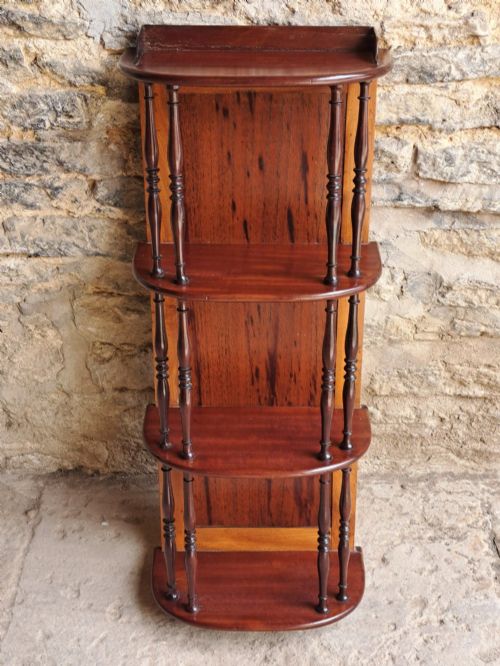
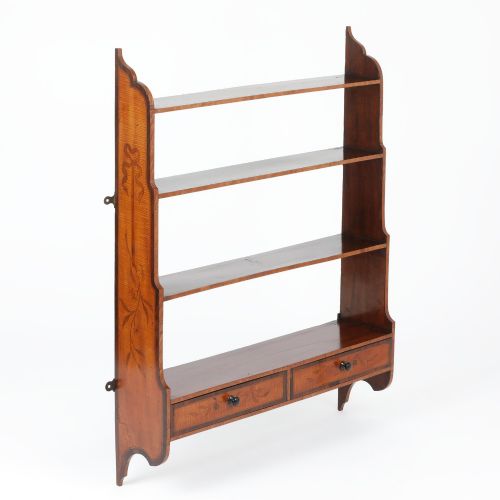
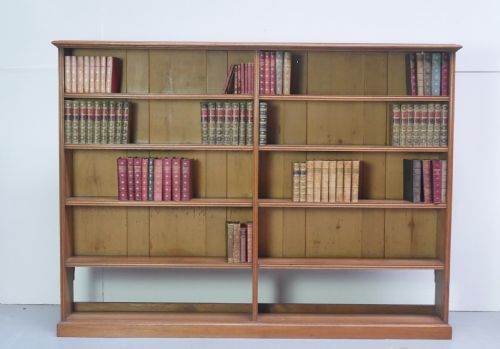
Open wall shelves encompass hanging bookcases, waterfall bookshelves, corner shelves, and display units designed to utilise vertical wall space. These pieces serve to organise books and display decorative objects without crowding a room's floor plan.
The pieces available span multiple eras, including Georgian, Victorian, Edwardian, and the early twentieth century. Mahogany, pine, and oak appear frequently, alongside walnut, satinwood, and painted finishes reflecting styles from rustic country to Gothic revival.
Gradations in Quality
Quality rests upon the selection of timber and the precision of the joinery rather than ornamentation alone. Dense hardwoods like mahogany and figured walnut display tighter grain structures and more stable construction than utilitarian softwoods.
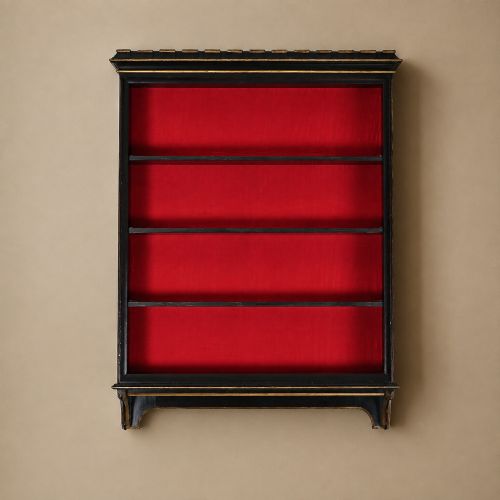
The refinement of carved details, such as giltwood moulding or hand-painted decoration, separates standard utility shelving from high-status display pieces. Structural integrity in the hanging brackets and shelf supports dictates how well a piece withstands weight over time.
Open Wall Shelves Retail Price Guide 2026
Typical asking prices for open wall shelves among the pieces listed under this phrase on Sellingantiques today, from the lower quarter to the upper quarter. They describe what is for sale here now, not the wider market.
Listings feature mahogany, oak, pine, walnut, satinwood, and iron across Georgian, Victorian, Edwardian, and Arts and Crafts styles.
Heals·George Edmund Street
The Open Wall Shelves Glossary
- Whatnot
- A multi-tiered piece of furniture designed for displaying ornaments and books. These open structures typically feature several levels supported by slender columns.
- Waterfall bookshelves
- Shelving units where each tier steps back progressively from the one below. This arrangement creates a cascading profile suited to holding books of varying heights.
- Giltwood
- Timber that has been coated with a thin layer of gold leaf. This finish appears on decorative display shelves from the Victorian period.
- Ebonised
- Wood treated with a chemical stain or finish to imitate ebony. This dark surface treatment provides a dramatic contrast for displayed objects.
- Plate rack
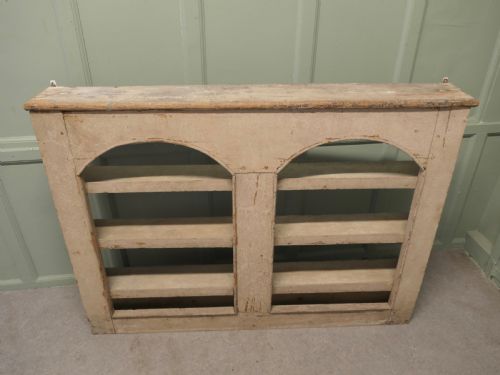
- A wall-mounted timber frame featuring horizontal slats or grooves designed to hold plates upright. These functional items form part of traditional kitchen and dining storage.
Open Wall Shelves: Frequently Asked Questions
How do I hang open wall shelves safely?
These timber units require secure wall fixings suited to the weight of the wood and the items you intend to place upon them. Fixing directly into wall studs or using heavy-duty masonry anchors ensures stability.
Distributing weight evenly across the shelves prevents timber sagging over time. Checking the original mounting points or adding discreet modern brackets helps protect older pieces.
What is the difference between a whatnot and wall shelves?
A whatnot is a multi-tiered display unit traditionally featuring several open shelves for ornaments and small books. Wall shelves simply refer to any horizontal timber boards mounted directly to a wall.
While some whatnots hang on walls, others stand independently on the floor. Both forms served similar display functions in period interiors.
How do I date antique wooden shelves?
Dating relies on observing timber choices, construction methods, and decorative styles. Mahogany and walnut often point to Georgian or Victorian periods, while pine and painted surfaces frequently indicate country or Edwardian origins.
Tool marks, screw types, and hardware offer further clues to a piece's age. Comparing construction details with documented examples helps narrow down the decade of manufacture.
Where should I place open wall shelves in a room?
These shelves suit alcoves, living rooms, and studies where floor space is limited. Mounting them at eye level draws the gaze upwards and makes efficient use of vertical surfaces.
Keeping timber shelves away from direct heat sources and strong sunlight protects the wood and any painted or polished finishes from fading.