


Antique Wall Unit
An antique wall unit brings functional display and architectural warmth to an interior, using centuries of cabinet-making skill to solve storage.
Antique Wall Unit
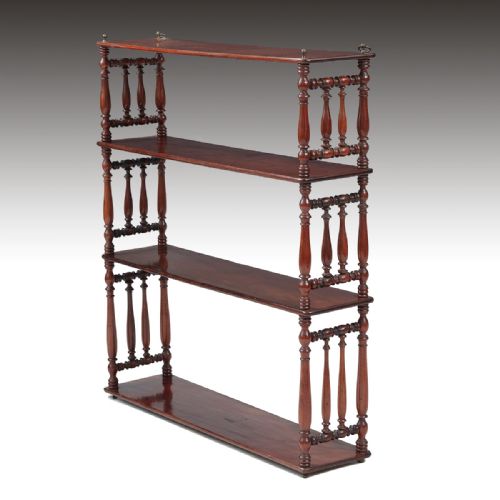
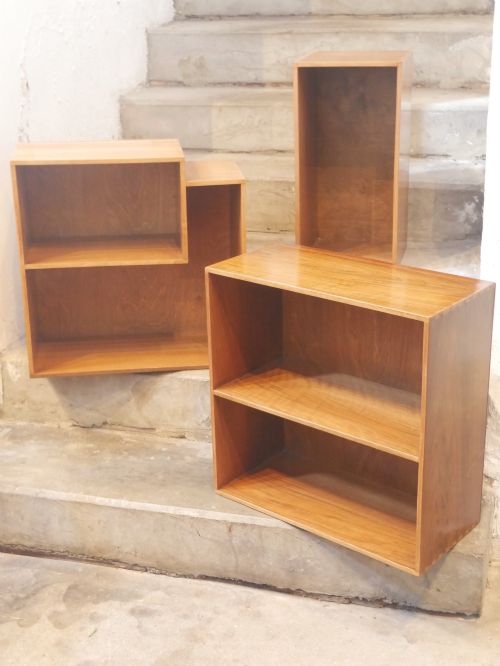
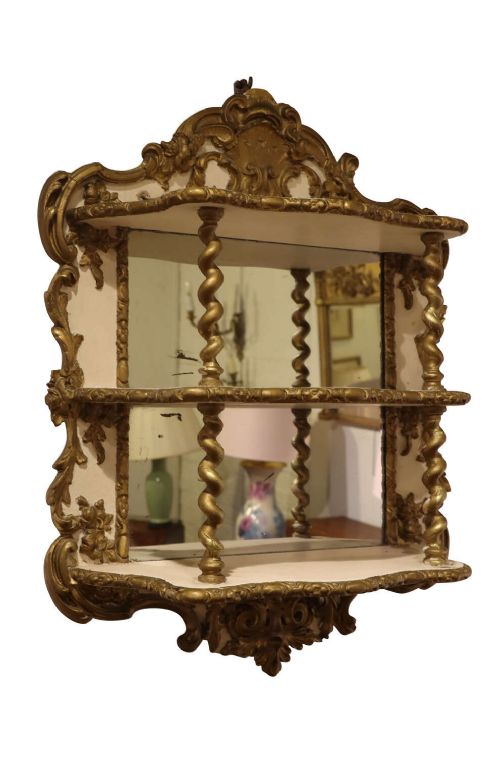
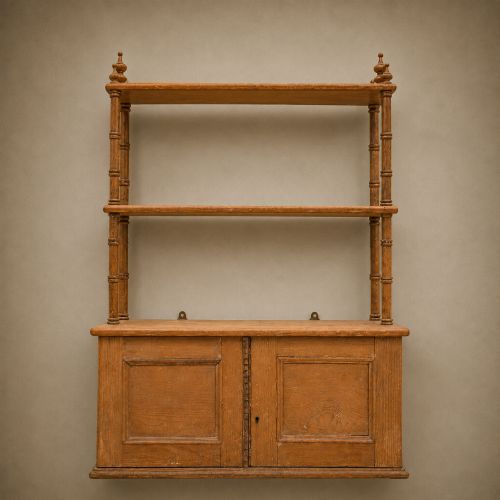
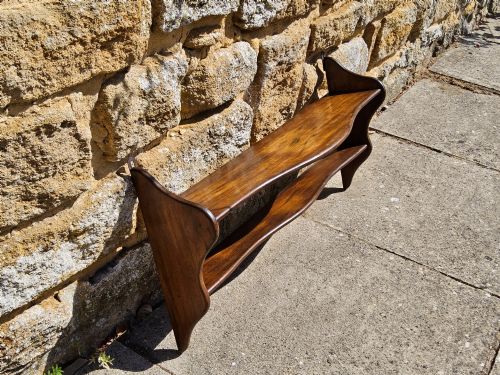
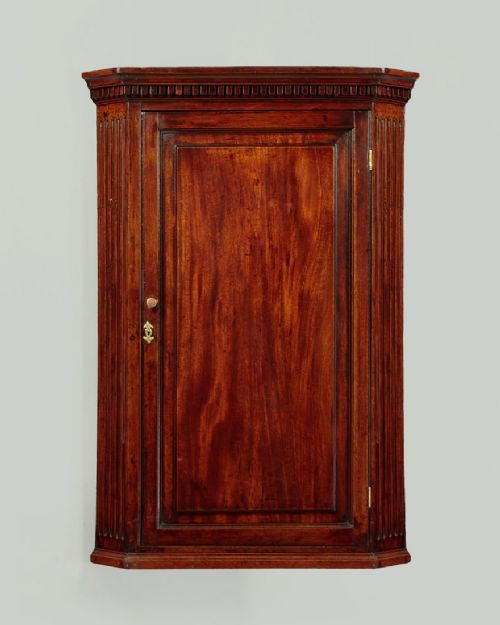
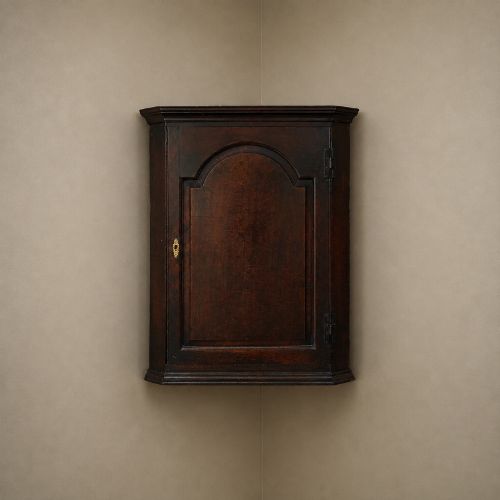
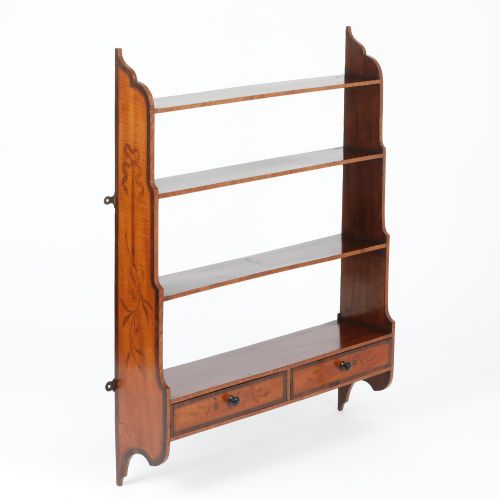
An antique wall unit encompasses hanging shelves, corner cupboards, and wall cabinets designed to maximise vertical space in domestic rooms. Buyers seek these pieces to house books, display ceramics, or conceal everyday items while adding period character to plain walls.
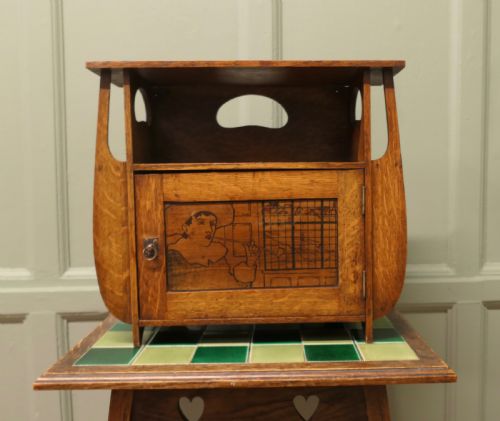
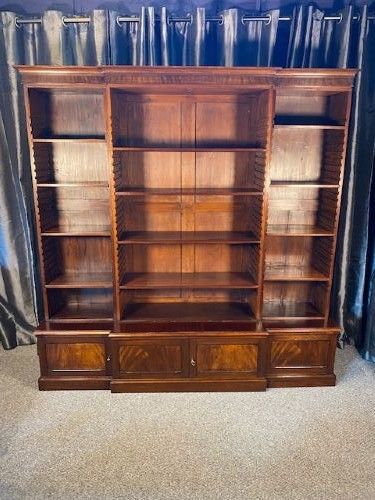
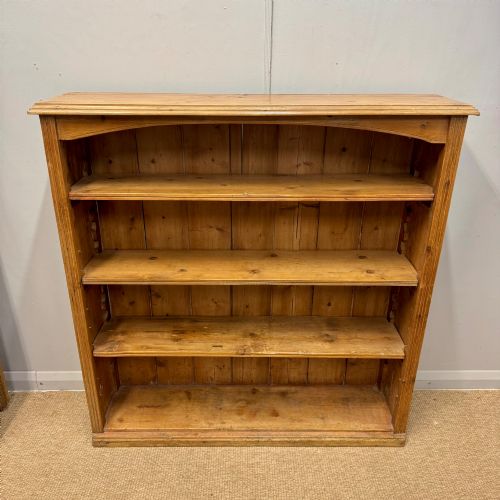
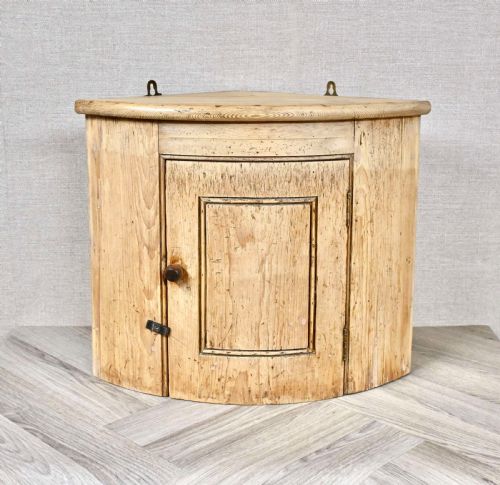
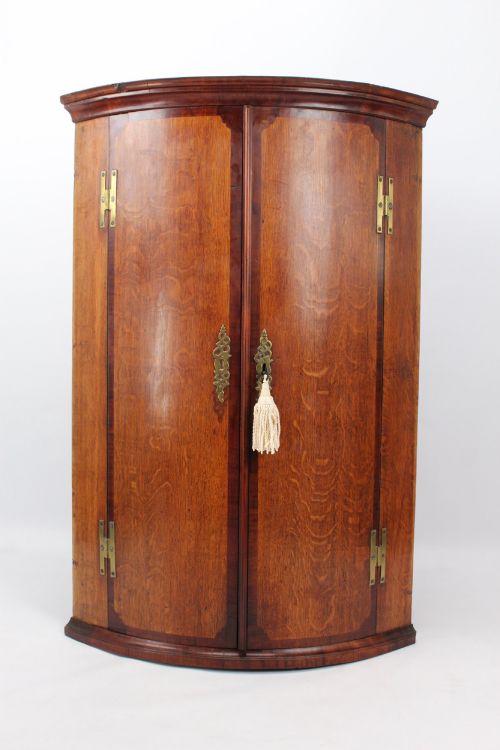
The selection here draws primarily from the eighteenth and nineteenth centuries, spanning Georgian, Victorian, and Edwardian eras. Forms range from compact oak corner cupboards and mahogany hanging shelves to large pine bookcases and painted French provincial cabinets.
How they were made
Cabinet-makers relied heavily on timbers such as oak, mahogany, walnut, and pine, often selecting dense hardwoods for formal reception rooms and softer pine for utilitarian kitchen racks and painted finishes. Joinery typically involved traditional methods like dovetailed drawer construction and pegged mortise and tenon joints.
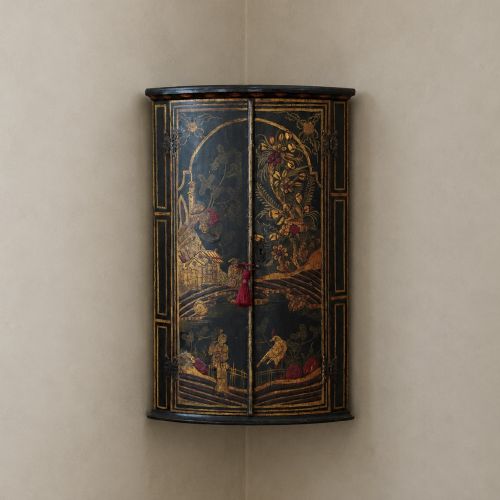
Surface treatments varied according to status and period, ranging from clear wax finishes that highlighted natural wood grain to japanned chinoiserie, hand-painted decorations, and inlaid satinwood or olive wood veneers.
Listings span the eighteenth, nineteenth, and early twentieth centuries, incorporating woods such as mahogany, oak, walnut, pine, and limewood.
What varies in quality
Quality rests in the harmony of proportion, the selection of timber figures, and the restraint or ambition of decorative details such as crossbanding and brass hardware. Superior examples display crisp joinery and thoughtful detailing that elevate a simple storage box into a piece of fine furniture.
The integrity of the timber and the survival of original painted or polished surfaces dictate the standing of an individual piece. Lesser items often show crude alterations or unsympathetic modern replacements that diminish historical coherence.
The Antique Wall Unit Glossary
- Bow front
- A convex curved cabinet or cupboard door that projects forward from the frame. This curved profile requires skilled woodworking to shape the solid timber or veneers.
- Chinoiserie
- A European artistic style reflecting Chinese motifs and decorative themes. It appears on painted and lacquered furniture of the eighteenth and nineteenth centuries.
- Pigeon holes
- Small, open compartments fitted inside a cabinet or desk for sorting papers and correspondence. They offer a practical organisational system within hanging or standing wall units.
- Plate rack
- A wall-mounted wooden rack featuring vertical slats or grooves designed to display plates upright. These functional pieces originate largely from domestic kitchen and pantry settings.
Antique Wall Unit: Frequently Asked Questions
How do I hang a heavy antique wall cupboard safely?
Wall-mounted cabinets require secure fixing into solid masonry or direct attachment to timber wall studs using appropriate brackets.
Weight distribution and the integrity of the original backboards must be assessed before installation to prevent structural strain.
What is the difference between a corner cupboard and corner shelves?
Corner cupboards feature enclosed doors that conceal contents from dust and view, offering private storage in unused room angles.
Corner shelves provide open display space for books or decorative objects without doors to obstruct the profile.
Where were wall units typically placed in historic homes?
Hanging shelves and corner cupboards frequently occupied dining rooms, libraries, and kitchens to utilise awkward wall space efficiently.
Corner units made effective use of dead angles in smaller rooms, keeping tabletops clear for other activities.
How can I tell a Georgian corner cupboard from a Victorian one?
Georgian pieces often display restrained classical proportions, premium mahogany or figured oak, and subtle moulding details.
Victorian examples tend to incorporate heavier timber sections, alternative woods like pine, or varied revival styles such as Arts and Crafts.