
Edwardian Oak Shelf
An edwardian oak shelf brings utility and honest craftsmanship together, offering sturdy timber surfaces designed to display books and belongings.
Edwardian Oak Shelf
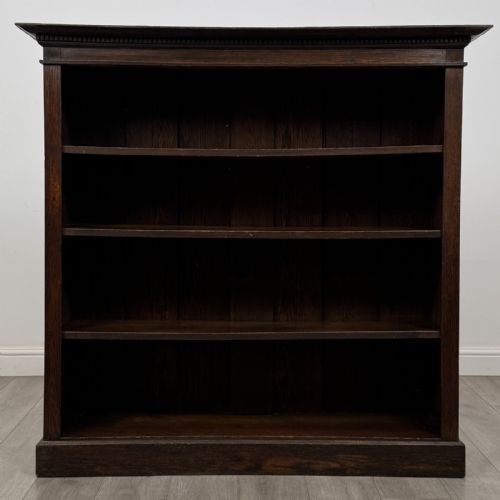
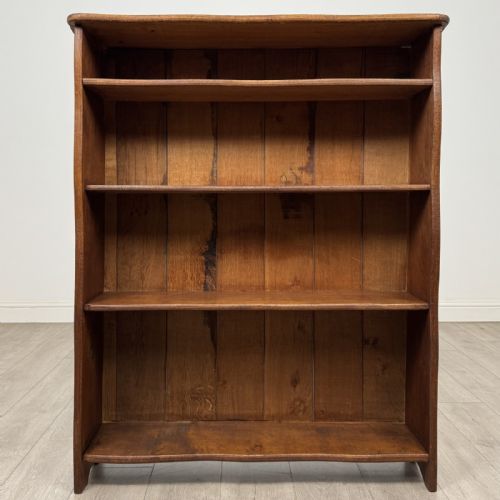
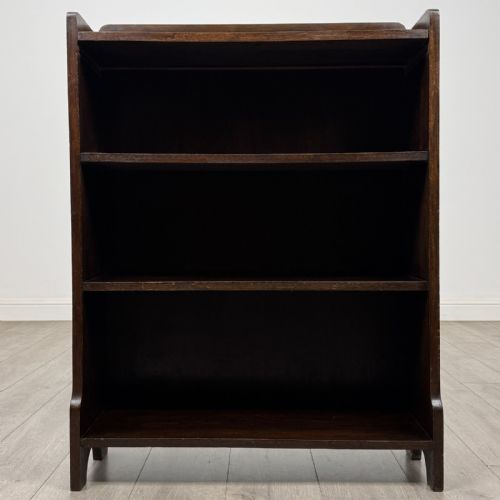
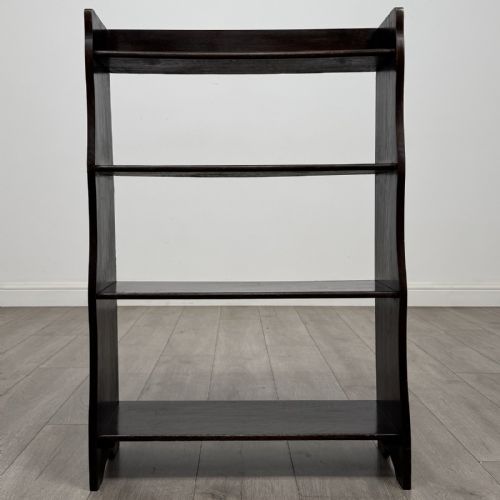
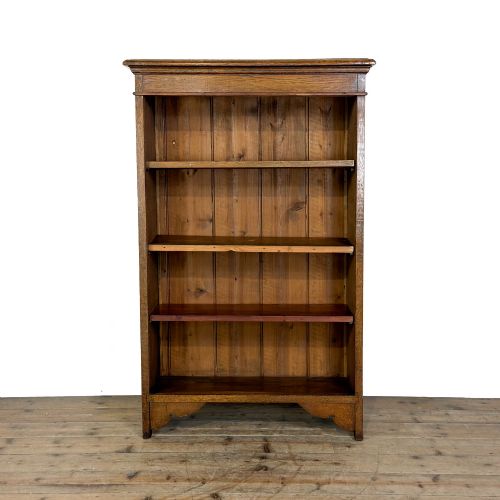
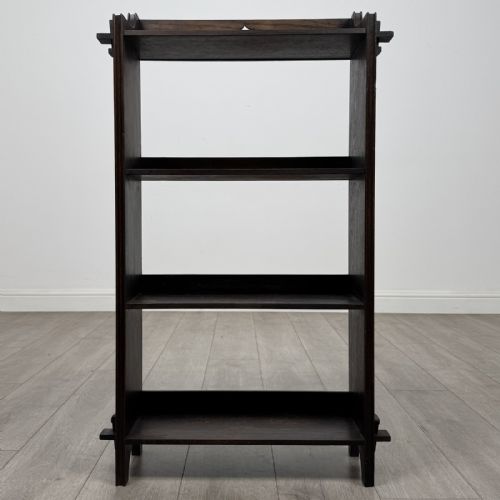
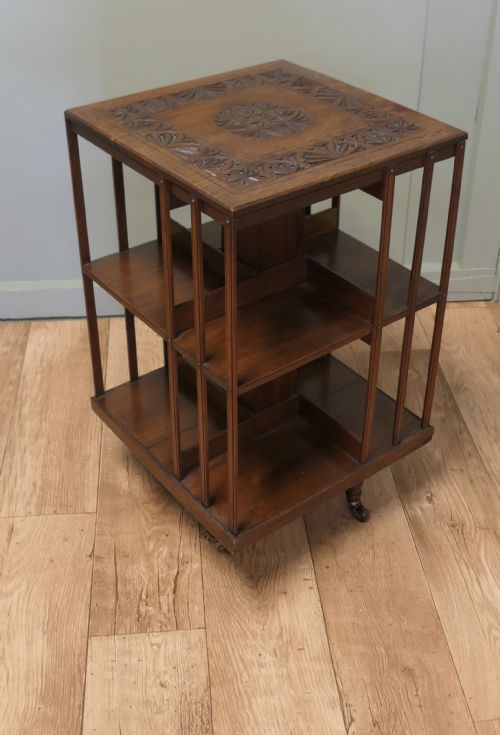
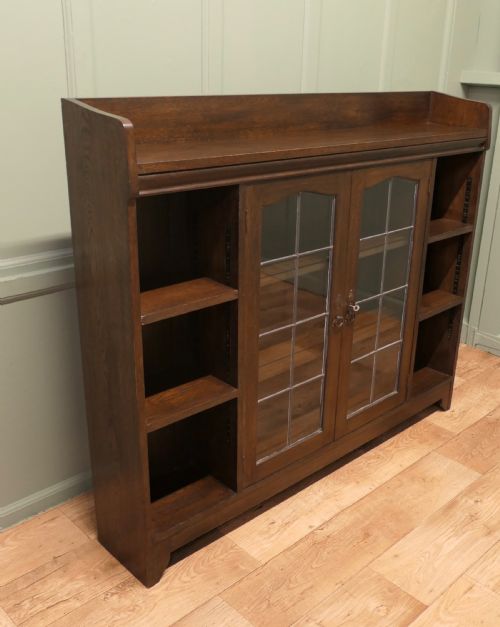
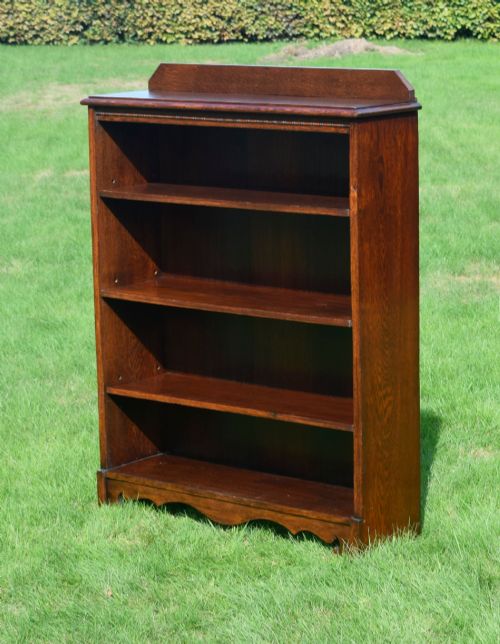
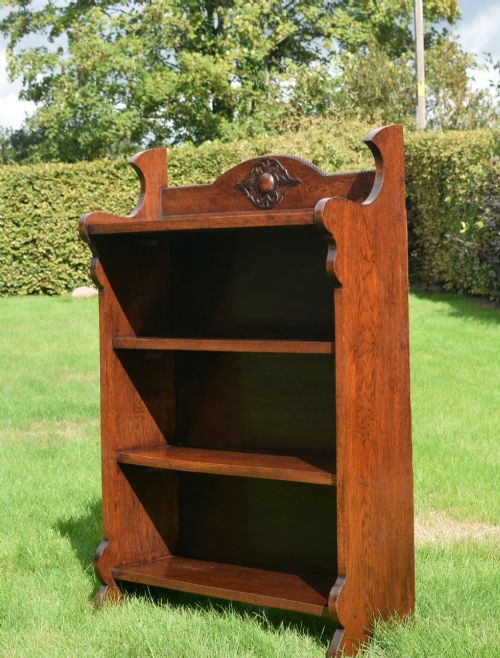
An edwardian oak shelf typically appears as a compact wall-mounted fixture or forms part of a larger open bookcase arrangement from the early twentieth century. These pieces serve practical storage needs while displaying the prominent grain of oak timber.
The selection ranges from simple hanging wall ledges to small standing open bookcases featuring adjustable tiers and decorative spindle or carved details. Most items date from the Edwardian period or the surrounding decades of the late nineteenth and early twentieth centuries.
How they were made
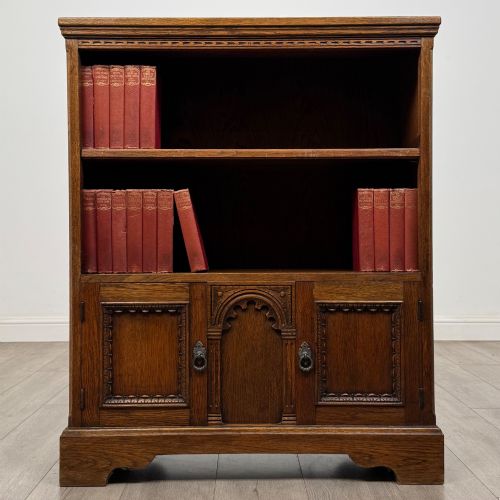
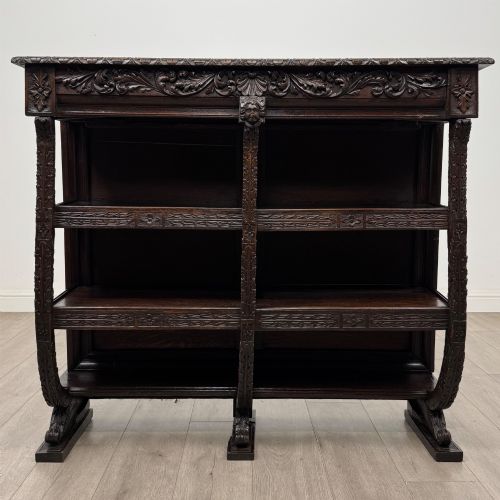
Cabinet makers utilised solid oak and golden oak timbers, sometimes incorporating brass hardware, glass panels, or lead details into the construction. Surfaces often display beaded edges, carved panels, or barley twist supports characteristic of the period.
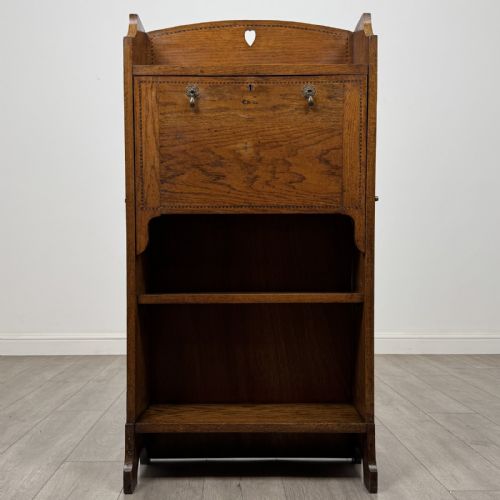
The joinery relies on traditional methods suited to supporting weight, while decorative wall cabinets and bookcases frequently exhibit the distinct influence of the Arts and Crafts movement.
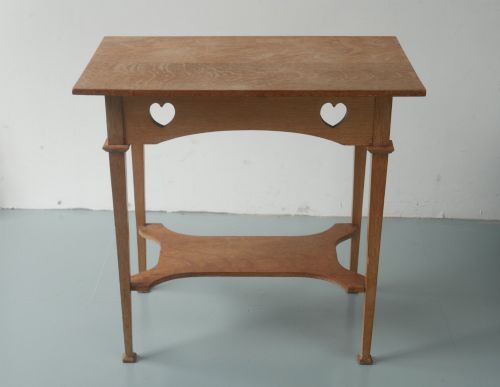
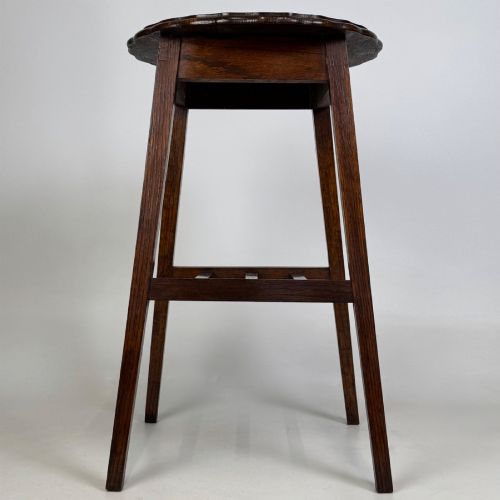
Bookcases and wall shelves dominate the forms available, supplemented by occasional tea trolleys, side tables, and cabinets.
What varies in quality
The standard of a piece depends on the depth of the timber's figure, such as tiger oak, and the crispness of any hand-carved details. Simpler utilitarian items differ from workshops influenced by prominent designers through more refined proportions and considered joinery.
Arthur Simpson of Kendal·Liberty and Co
The Edwardian Oak Shelf Glossary
- Edwardian
- Pertaining to the reign of King Edward VII, spanning from 1901 to 1910, though the style extends slightly either side. Furniture from this era often favours lighter forms than heavy Victorian designs.
- Arts and Crafts
- A design movement promoting vernacular craftsmanship and simple forms. Pieces in this style reject mass production in favour of visible construction and honest materials.
- Tiger oak
- Oak timber exhibiting a prominent medullary ray figure that resembles tiger stripes. This figuring occurs naturally when the log is quarter-sawn.
- Golden oak
- A bright, warm finish applied to oak furniture to highlight the natural grain. It became particularly popular during the late nineteenth and early twentieth centuries.
Edwardian Oak Shelf: Frequently Asked Questions
How do I mount an edwardian oak shelf safely?
Wall-mounted examples require secure fixings into solid brick or appropriate wall studs to support the weight of the timber and any books placed upon them. Check the existing hanging points on the backplate before installation.
Ensure the screws match the load capacity of the shelf and the wall type to prevent movement over time.
What rooms suit an edwardian oak shelf?
These versatile timber pieces fit comfortably in studies, living rooms, and hallways where extra display space or book storage is required. Their compact dimensions make them particularly useful in smaller alcoves.
Matching the golden or dark oak tones with existing wooden furniture helps integrate the shelf into the room scheme.
How do I clean and maintain oak shelves?
Dust the timber regularly with a dry cloth and occasionally apply a traditional beeswax to nourish the wood surface. Avoid using harsh chemical sprays that might strip the historic finish.
Keep wooden items away from direct heat sources and strong sunlight to prevent the oak from drying out or warping.
How can I tell if a shelf is Edwardian?
Look for construction characteristics typical of the early twentieth century, such as quarter-sawn oak, simple Arts and Crafts styling, and traditional joining methods. Period hardware like brass brackets can also provide clues.
Compare the timber colour and patination against known examples from the period to assess its age accurately.