
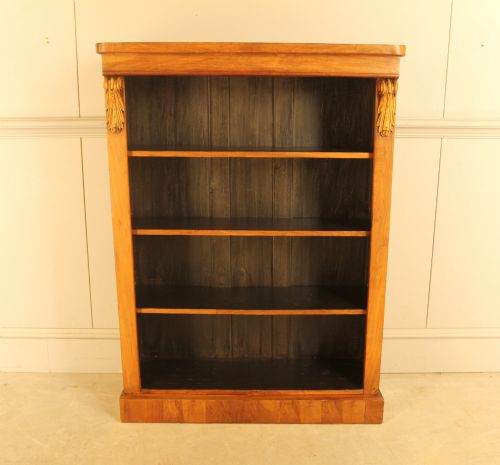
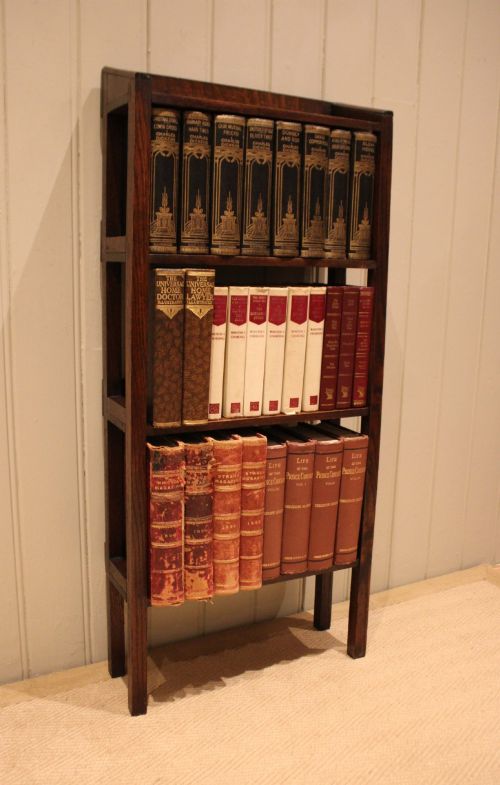
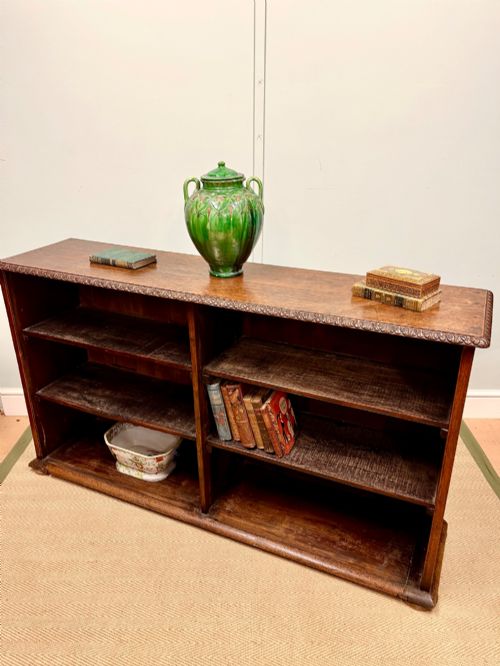
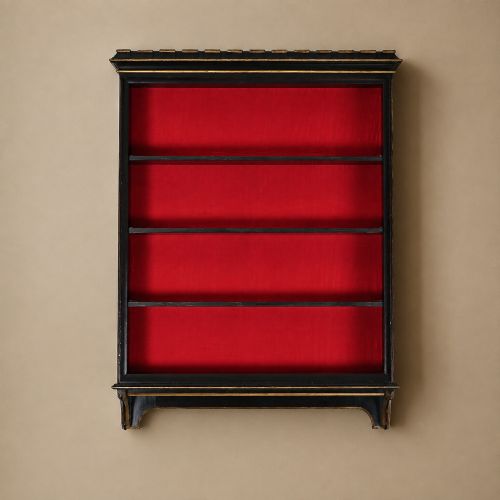
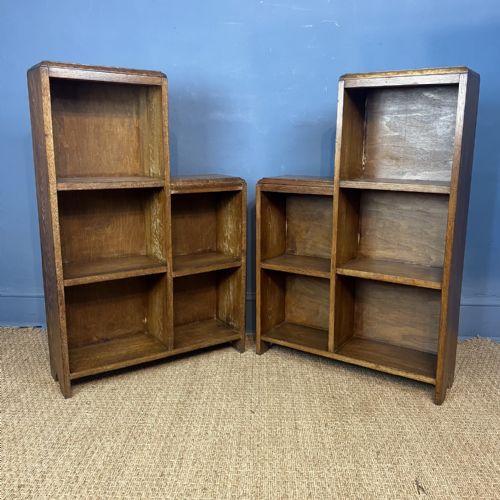
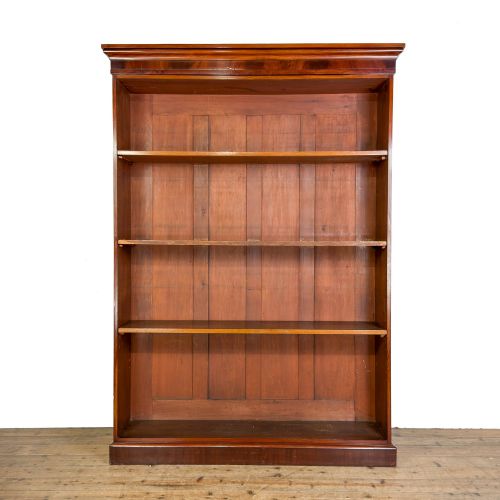
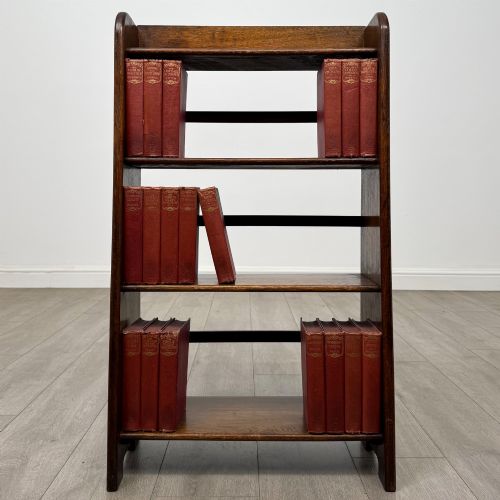
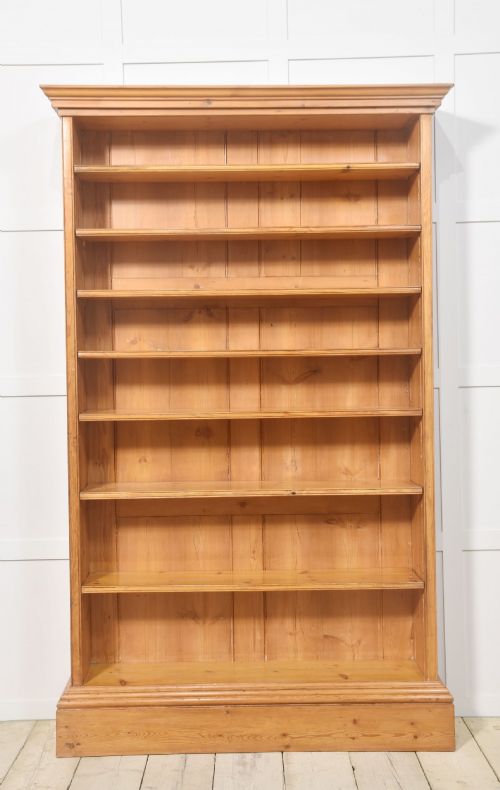


Open Back Bookshelf
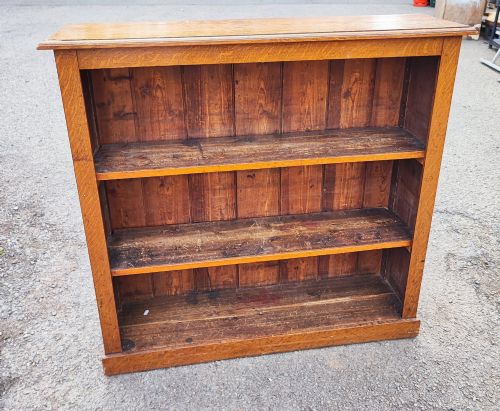
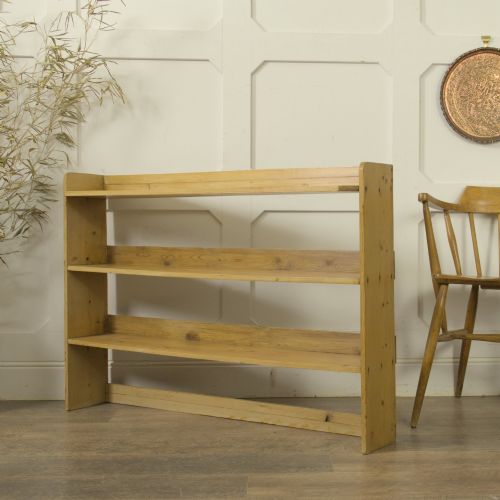
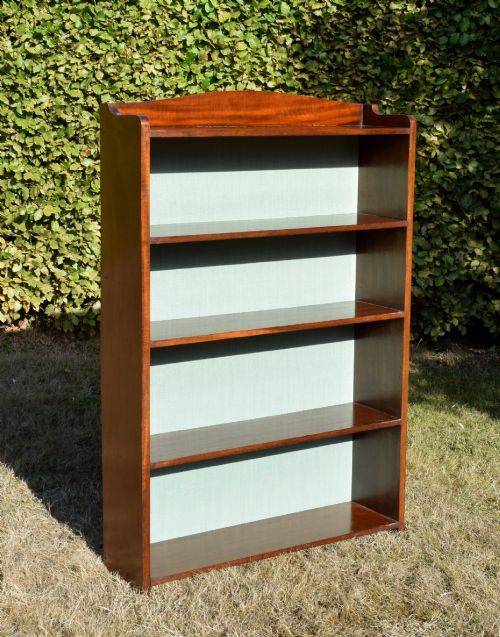
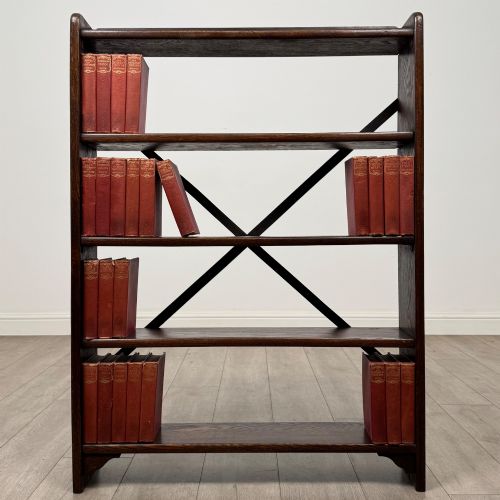
An open back bookshelf is a practical piece of furniture designed for displaying books and objects, favoured for its airy presence in a room.
Open Back Bookshelf
When searching for an open back bookshelf, you encounter a variety of forms including bookcases, shelving units, and etageres or whatnots. These pieces lack a solid enclosed rear, allowing wall colours to show through and creating a lighter visual footprint in a domestic interior.
The selections span multiple eras, most frequently appearing from the nineteenth century, the Victorian period, and the Edwardian era. You also find early twentieth-century examples, Art Deco designs, and occasional Regency pieces.
Woods such as oak, mahogany, pine, and walnut dominate the construction, sometimes accented with brass or glass details. Pieces range from simple rustic country pine shelves to grander Gothic Revival and industrial forms.
Materials and construction methods
Cabinet makers utilised solid timbers like oak, mahogany, walnut, and rosewood for durable construction, alongside pine for more utilitarian utility pieces. Joinery typically relied on traditional techniques suited to the period, accommodating the weight of heavy volumes on open shelving.
Surface treatments varied from polished mahogany and rich walnut to ebonised finishes and carved teak details. Certain pieces incorporated mirrors or brass fittings, balancing structural support with decorative refinement.
Differentiating quality across examples
The distinction between standard examples and superior pieces rests on the choice of timber and the precision of the joinery. Finer iterations display carefully selected wood grains, balanced proportions, and thoughtful architectural detailing such as carving or Gothic Revival motifs.
Simpler pine or utilitarian shelving units prioritise function over ornament, whereas pieces attributed to specific design movements or makers exhibit elevated craftsmanship in their overall finish and structural integrity.
George Edmund Street·Heals
The Open Back Bookshelf Glossary
- Open bookcase
- A piece of furniture designed with shelves for holding books, lacking solid backing doors.
- Etagere
- A set of open shelves used for displaying ornaments and small objects, often light in construction.
- Gothic Revival
- An architectural and decorative style drawing inspiration from medieval forms, featuring pointed arches and heavy carving.
- Whatnot
- A piece of furniture consisting of multiple open shelves for displaying curiosities, sometimes incorporating drawers.
- Regency
- A British design period spanning the early nineteenth century characterised by classical restraint and elegance.
Open Back Bookshelf: Frequently Asked Questions
How do I style an open back bookshelf?
Because the wall behind is visible, balance your books with decorative objects, plants, or framed pieces to create depth.
Arrange volumes by height or colour to maintain a tidy appearance that complements your room.
Are these bookcases stable without a back?
Period open bookcases were engineered to stand securely under the weight of books, often utilising sturdy side panels and fixed shelves for rigidity.
Heavier examples rarely require wall attachment, though positioning them on level flooring ensures optimal stability.
How do I distinguish Victorian from Edwardian pieces?
Victorian models frequently feature denser timbers like mahogany or walnut, alongside heavier mouldings and darker finishes.
Edwardian and later pieces tend towards lighter oak or pine constructions with simpler lines and less ornate carving.
Can these shelves hold heavy books?
Solid hardwood shelves made from oak or mahogany easily support heavy volumes without sagging over time.
Pine or lighter twentieth-century units suit standard reading collections and decorative paperbacks best.