




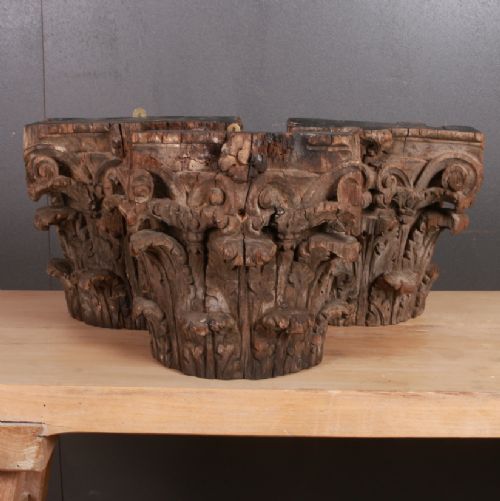
Carved Acanthus Leaf Corbels
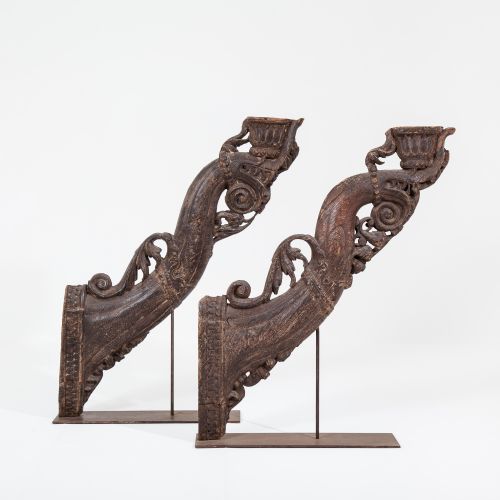
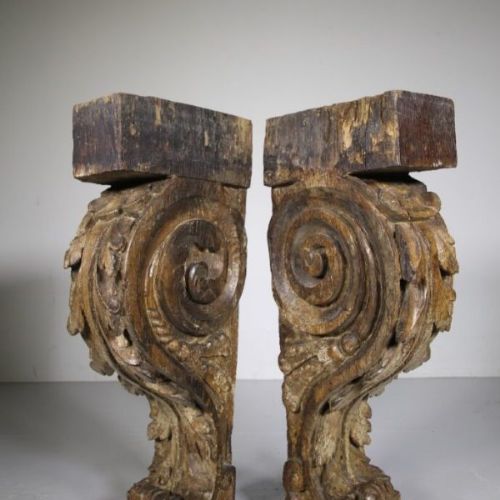
These carved acanthus leaf corbels are architectural supports that bring classical sculptural relief and structural weight to an interior.
Carved Acanthus Leaf Corbels
Carved acanthus leaf corbels are architectural wall brackets and architectural salvage designed to project from a surface and support a shelf, beam, or mantel. When you search for carved acanthus leaf corbels, you find architectural ornaments that function as both structural load-bearing brackets and decorative wall brackets.
The pieces available span several centuries, with examples originating from the eighteenth century, the nineteenth century, and periods such as nineteen hundred and nineteen thirty. You encounter items attributed to Georgian, Victorian Neoclassical, Italian Rococo, and French Chateau styles.
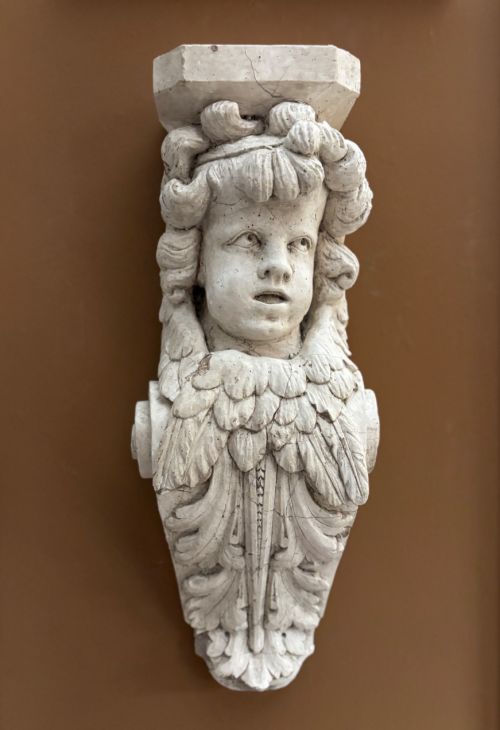
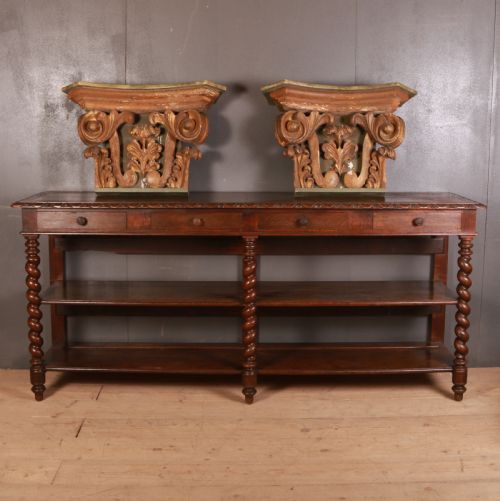
Forms include large wall brackets, pairs of carved brackets, capital elements, and figures such as a putto wall corbel. Origins include Italian and French workshops alongside domestic Georgian pieces.
How they were made
Carvers shaped these architectural elements from carved timber, carved wood, and carved oak using traditional chisels and gouges to render the curling foliage of the acanthus plant. Other examples utilise plaster, composition, or stone moulded and hand-finished into structural forms.
Many surfaces carry historical finishes including applied gold leaf, gesso, and historic paint. Gilding was laid over a prepared gesso ground on wood or plaster bases to catch the light in domestic and institutional interiors.
Current listings feature materials including gesso, carved timber, gold leaf, plaster, paint, composition, and carved oak across eighteenth and nineteenth-century periods.
What varies in quality
Quality rests in the depth and crispness of the carving, where deep undercut foliage displays sharper definition than shallow work. The confidence of the artisan determines whether the classical scrolls and acanthus curves flow with naturalistic rhythm or appear stiff.
The integrity of the original surface finish separates standard items from superior survivals. Intact layers of original gold leaf, gesso, or early paint preserve the historical character of the architectural salvage.
The Carved Acanthus Leaf Corbels Glossary
- Corbel
- A structural piece of stone, wood, or plaster projecting from a wall to carry a weight. Most function beneath beams, shelves, or cornices.
- Acanthus
- A Mediterranean plant whose spiky leaves inspired classical architectural ornament. It appears extensively on capitals, friezes, and brackets.
- Gesso
- A plaster mix applied to wood as a base for paint or gold leaf. It creates a smooth surface for fine gilding.
- Capital
- The topmost member of a column or pilaster. Many surviving examples are removed and mounted as decorative wall brackets.
- Putto
- A figure of a small chubby male child, often winged. These appear carved in relief on figural architectural brackets.
Carved Acanthus Leaf Corbels: Frequently Asked Questions
What were carved acanthus leaf corbels used for?
These pieces served primarily as structural supports beneath heavy ceiling beams, overhanging masonry, mantelpieces, and projecting wall shelves. They transferred the downward load of upper architecture safely into the vertical wall.
Over time, many were removed from buildings during alterations and repurposed purely as decorative wall brackets or sculptural objects within domestic interiors.
How do I hang a heavy wooden corbel?
Heavy architectural brackets require secure mechanical fixing directly into masonry or solid wall studs using heavy-duty steel fixings. The flat back edge of the bracket usually incorporates original screw holes or mounting points.
Consult a professional builder to assess the weight of timber, stone, or plaster pieces before mounting them above furniture or walkways.
How can I tell an eighteenth-century corbel from a later copy?
Eighteenth-century examples display hand-cut tool marks, dense native timbers, and naturally aged surface patination built up over generations. The carving style often reflects the robust proportions of Georgian or continental Rococo design.
Later nineteenth-century and twentieth-century pieces may show machine assistance, composition mouldings rather than carved timber, or different ground preparations under the paint and gilding.