
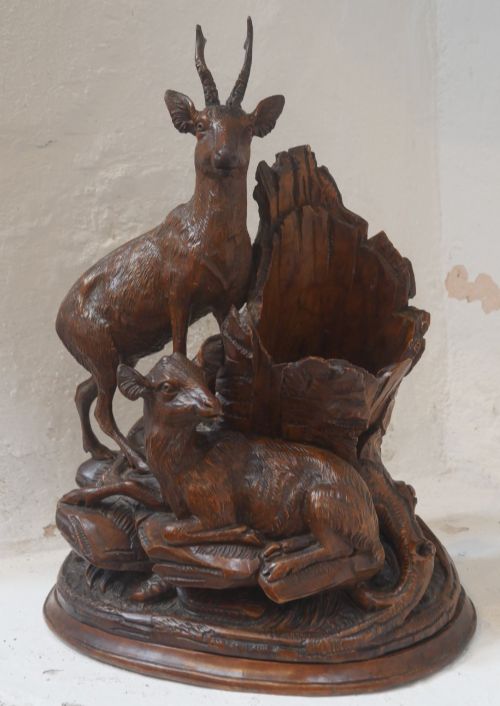
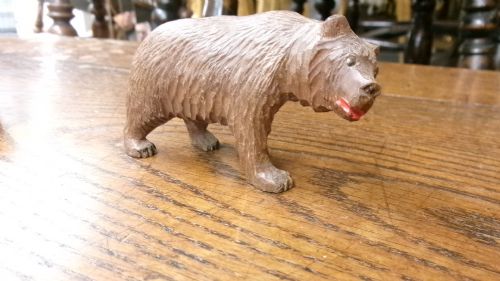


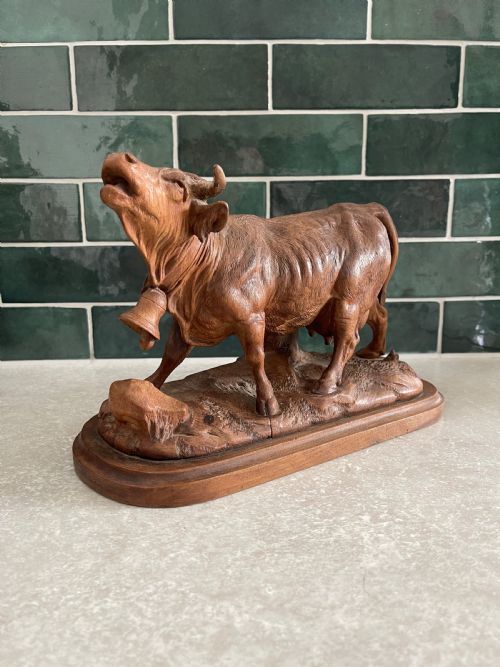


Carved Timber Animal Figurine
A carved timber animal figurine brings the character of diverse regional workshops and folk traditions directly into a room.
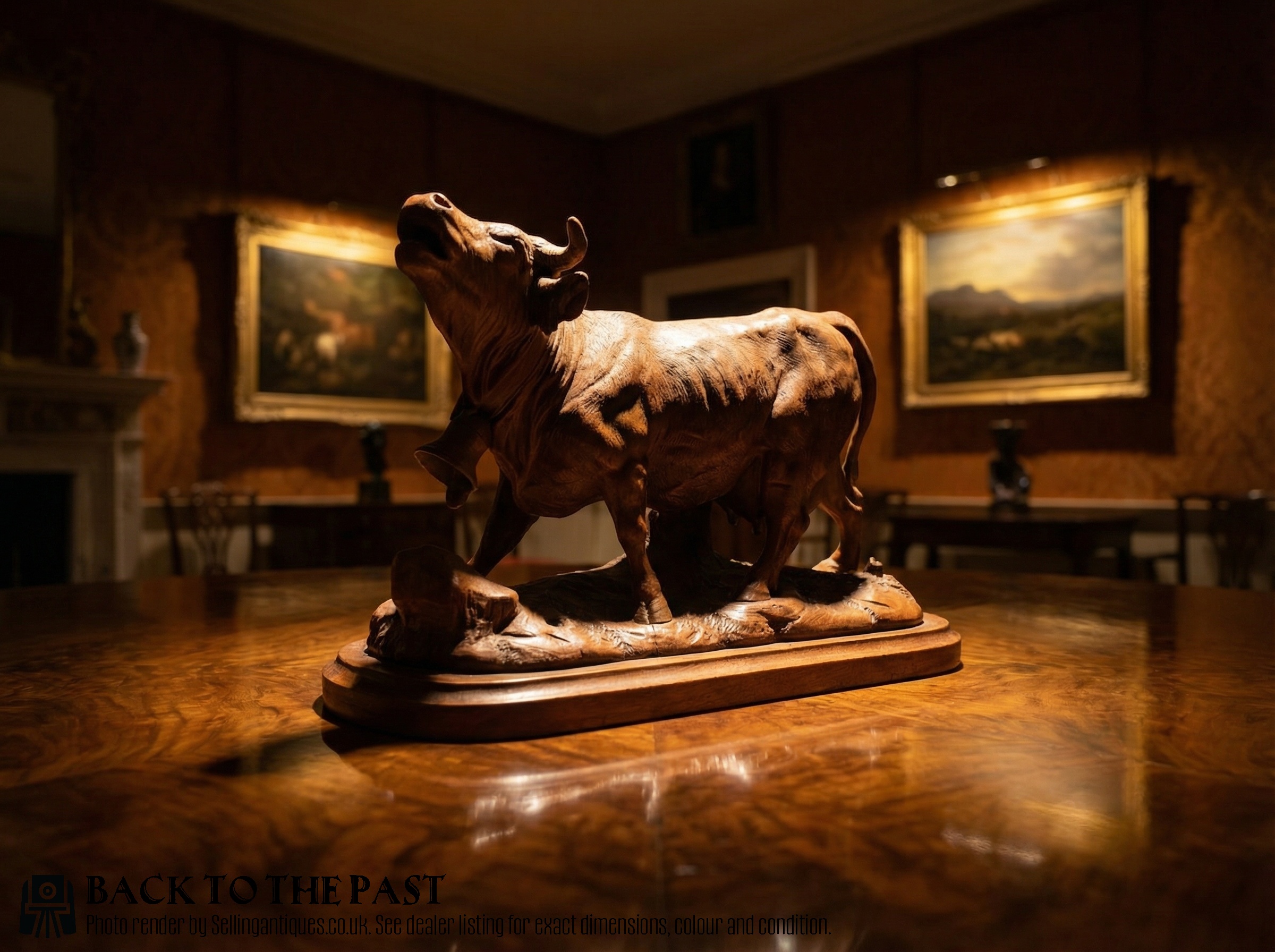
Carved Timber Animal Figurine
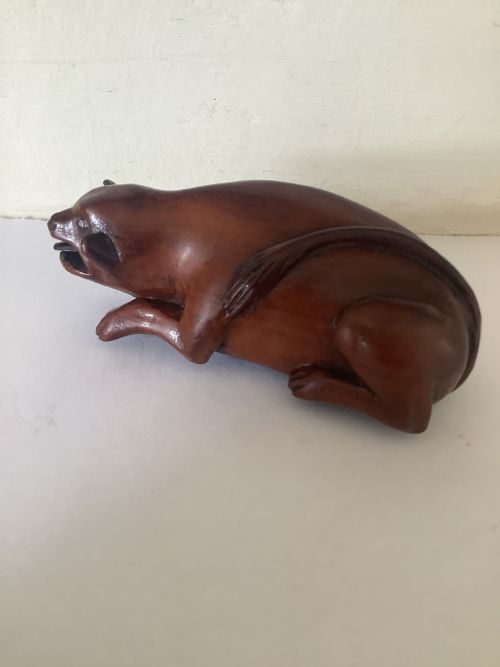
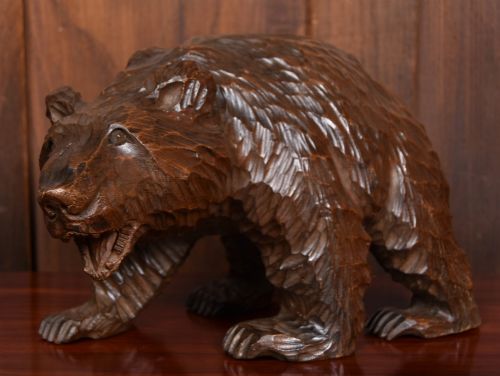
A carved timber animal figurine encompasses small sculptural representations of creatures rendered in various woods across different global traditions. When examining a carved timber animal figurine on this page, bears, elephants, lions, and dogs appear with notable frequency among the offerings.
The objects span multiple eras, stretching from nineteenth-century European workshops to twentieth-century modernist interpretations. Regional origins vary widely, including Black Forest carving, Japanese folk art, and Anglo-Indian Raj period production.
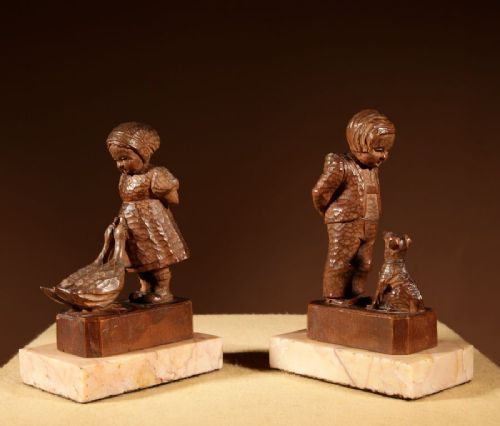
Forms range from miniature snuff boxes and domestic decorative figures to substantial pairs of sculptures. Each piece reflects the specific zoological or domestic interests of the carver's local environment.
Materials and construction
Makers utilised a selection of regional timbers, employing hardwoods such as walnut, teak, and ebony alongside softer woods like lindenwood and linden. Surface finishes frequently involve applied paint, wax treatments, or the natural grain left exposed.
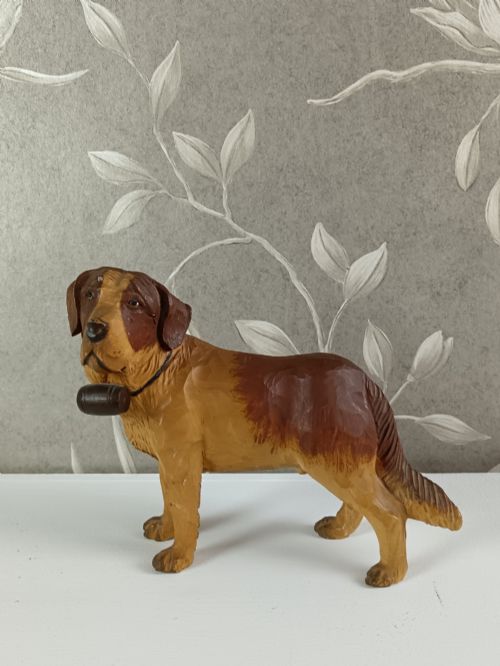
Fifteen miniature bears share shelf space with a single Saint Bernard.
Aspects of quality
Quality resides in the precision and confidence of the carving, distinguishing fluent anatomical rendering from stiff or hesitant execution. Superior pieces demonstrate a careful attention to the texture of animal coats or hides and a convincing sense of posture.
The integrity of the timber and the preservation of original surface treatments further divide the range. Examples that retain distinct tool marks, original wax or paint layers, and intact appendages command stronger interest from collectors.
The Carved Timber Animal Figurine Glossary
- Black Forest
- A style of wood carving originating in the Brienz region of Switzerland during the nineteenth century. These items typically depict regional fauna such as bears, chamois, and dogs.
- Lindenwood
- A light-coloured wood favoured by European carvers for its fine, even grain. This timber allows for crisp detailing without splintering.
- Kibori Kuma
- A traditional Japanese style of wood-carved bear originating from Hokkaido. These figures often feature expressive surface texturing to represent thick fur.
- Raj Period
- The era of direct British rule on the Indian subcontinent, spanning from the mid-nineteenth to the mid-twentieth century. Carvings from this time often depict native wildlife like elephants executed in dense hardwoods.
- Snuff Box
- A small container designed to hold ground tobacco for inhalation. Many timber examples incorporate a hinged lid and a carved animal form as the primary container body.
Carved Timber Animal Figurine: Frequently Asked Questions
How do I clean a wooden animal carving?
Dust the surface gently with a soft, dry brush to remove particulate matter without disturbing the grain or any original wax finish.
Avoid applying water, chemical solvents, or modern polishes, as moisture damages aged timber and degrades historical surfaces.
Are these figures solid wood?
Most examples consist of a single solid piece of timber or distinct joined sections forming the complete animal body. Sculptors selected blocks of hardwood or softwood sized specifically for the intended subject.
Larger sculptural pairs or complex compositions may involve assembled elements, but the material remains timber throughout.
How can I tell Black Forest carvings apart?
Black Forest carvings typically focus on European alpine animals, with bears representing the most common subject matter across various scales. They frequently exhibit deep brown staining, realistic glass or stud eyes, and dynamic, naturalistic postures.
Other regional traditions employ different timber selections and distinct stylistic conventions that separate them from Swiss or German alpine workshops.
What is Lindenwood?
Lindenwood comes from lime trees and possesses a pale hue with a very subtle, uniform grain structure. Carvers valued it for its malleability and ability to hold fine botanical or zoological details.
Objects fashioned from this material often display smooth, light surfaces where the natural grain remains understated.