






Swiss Alpine Wood Carving
These swiss alpine wood carving pieces bring forest animals and rustic figures straight into the home with traditional regional charm.
Swiss Alpine Wood Carving
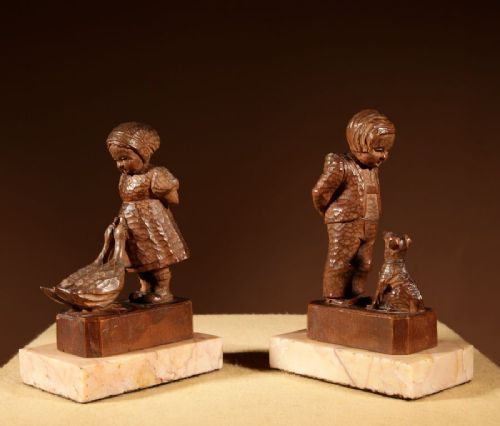
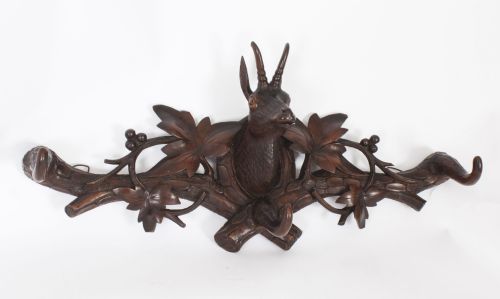
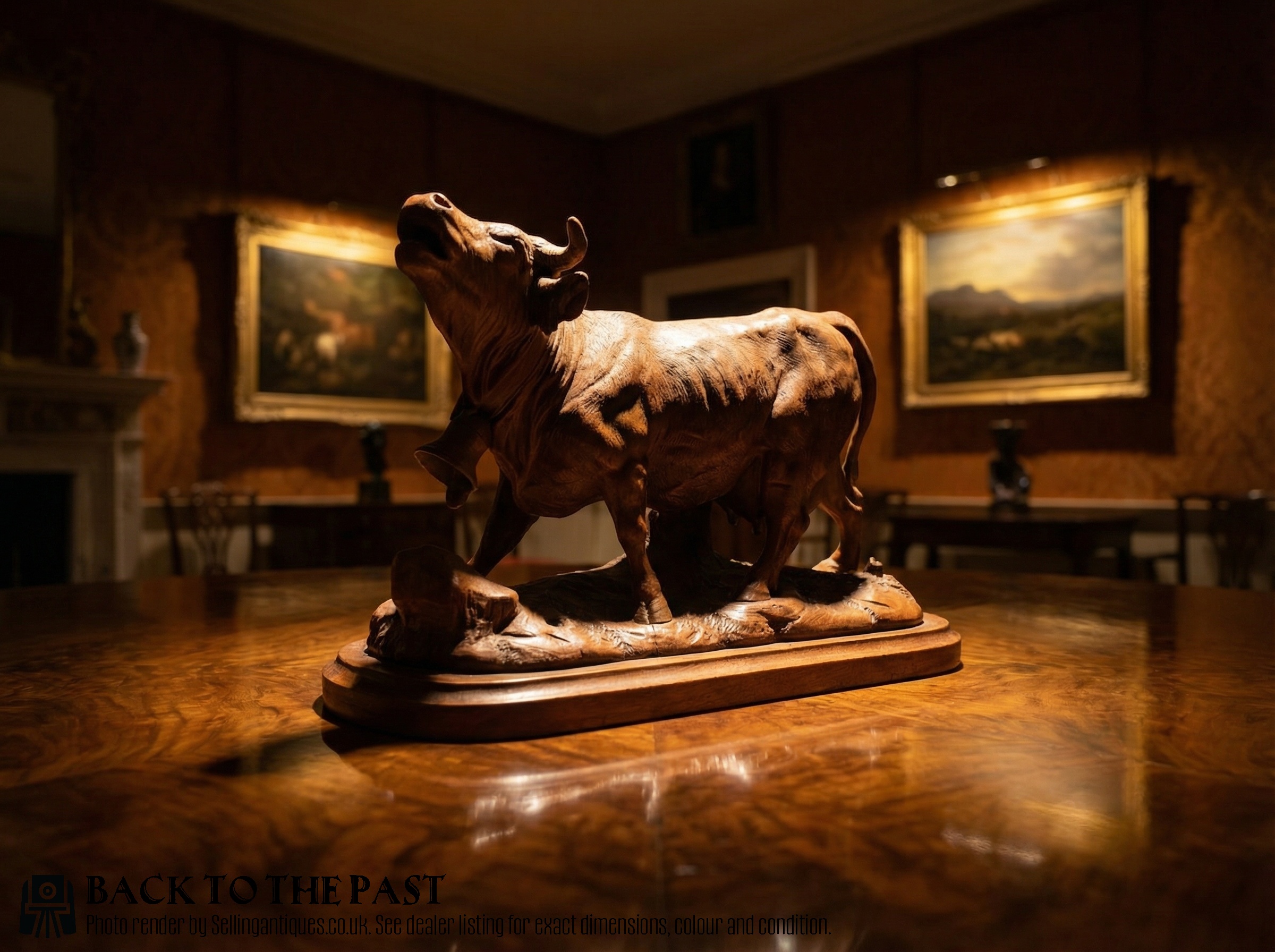
A swiss alpine wood carving brings centuries of regional craftsmanship into the home, capturing rural life and mountain fauna through skilled hand work. These pieces range from substantial occasional tables and coat racks to charming figures of peasants, saints, and rescue dogs.
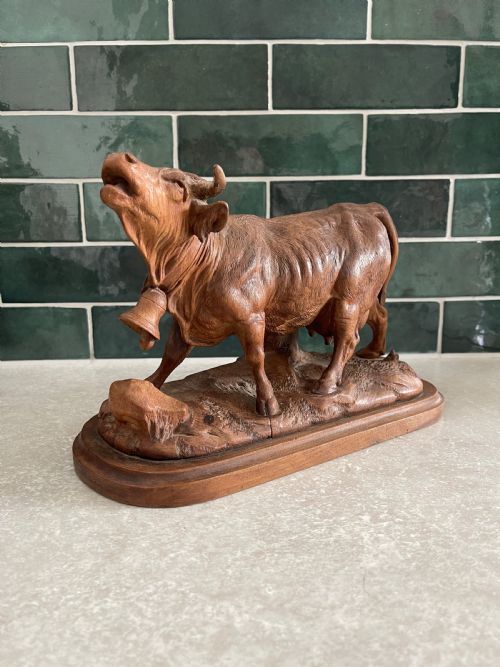
Buyers on this page most frequently encounter nineteenth-century Black Forest animal sculptures and decorative plaques alongside Swiss Brienz lidded chalices and occasional seating. These items span the Victorian and Edwardian eras, showcasing distinct regional styles from folk art to detailed naturalism.
The objects serve both decorative and practical roles, appearing as wall mirrors, mantel clocks, and utility furniture like stools and escabelle chairs. Each creation reflects the distinct cultural heritage of Alpine Europe through carefully rendered subjects.
Materials and construction
Carvers predominantly utilised walnut, elm, and linden wood to achieve the crisp detail required for intricate foliage and animal fur. These pale and dark timbers provided a stable medium that responded well to deep relief work and freestanding sculptural forms.
Techniques combined traditional hand chiselling with marquetry inlay and painted highlights to add depth and texture to tables and plaques. Artisans shaped sturdy structural elements for furniture while applying delicate precision to animal horns, facial expressions, and clothing folds.
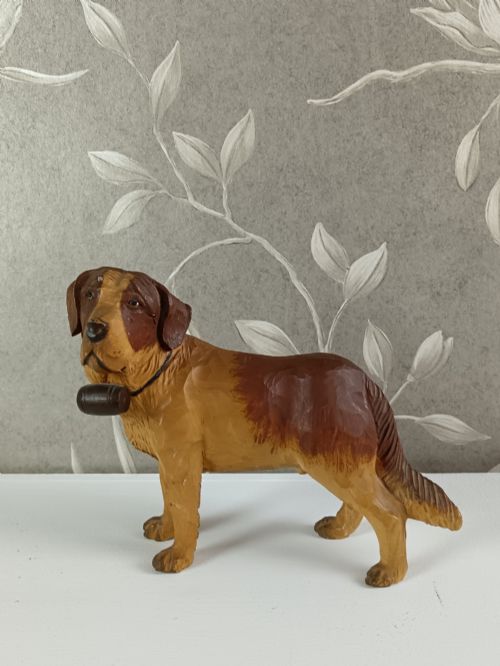
Saint Bernard dogs emerge as enduring rescue heroes in wooden form, forever watching over rooms without needing a biscuit.
Evaluating the craftsmanship
The integration of secondary materials like marquetry inlay or bevelled mirror glass distinguishes utilitarian items from ambitious workshop showpieces. Proportions, symmetry in paired figures, and overall timber selection dictate the lasting desirability of each piece.
The Swiss Alpine Wood Carving Glossary
- Swiss Brienz
- A specific centre of wood carving excellence in Switzerland, famous for highly detailed figures and lidded chalices. Artisans here specialised in naturalistic representations of local fauna and human characters.
- Escabelle
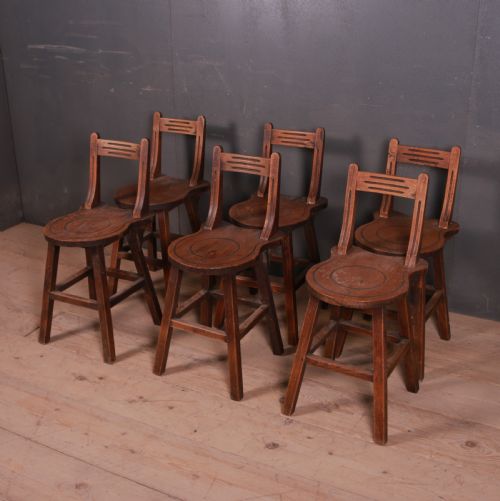
- A traditional style of wooden stool or chair common in alpine regions, featuring sturdy construction and simple plank seats. These items often showcase vernacular joinery and regional decorative carving.
- Marquetry Inlay
- A decorative technique where thin pieces of contrasting wood veneer are fitted into a solid timber surface to create geometric or pictorial designs. It appears frequently on tabletop borders and cabinet panels.
- Linden Wood
- A pale, fine-grained timber favoured by carvers for its soft texture and lack of pronounced grain, allowing for intricate detail work without splitting.
Swiss Alpine Wood Carving: Frequently Asked Questions
What is a Black Forest carving?
A Black Forest carving refers to nineteenth-century wooden sculptures and furniture originating from forested alpine regions in Europe. These items depict animals, hunters, and peasant life with striking realism.
Craftsmen utilised native timbers like walnut and linden wood to build everything from mantel clocks to large hall stands. The aesthetic emphasises rustic charm combined with high levels of sculptural skill.
How do I date these carvings?
Dating relies on stylistic clues, historical eras mentioned in listings, and the integration of hardware like bevelled mirror glass. Nineteenth-century pieces often show deeper relief and more naturalistic animal forms.
Later pieces from the Edwardian period or nineteen-forties tend toward simplified folk art or specific functional items like Saint Bernard figures. Comparing joinery and timber finish also helps establish the age of chairs and tables.
Where were these pieces made?
These items hail primarily from the alpine valleys of Switzerland and the Black Forest region of Germany. Local workshops specialised in producing items that celebrated mountain culture for travellers and collectors.
Master carvers passed skills down through generations, creating distinct regional variations in subjects ranging from ibex and chamois to peasant couples.
How do I care for carved wood?
Maintain carved wooden items by keeping them away from direct heat sources and sudden temperature fluctuations that cause timber to split. Dust gently with a soft brush to reach deep into crevices without damaging delicate projections.
Avoid heavy liquid polishes that build up in the recessed areas of the carving. An occasional application of appropriate beeswax keeps the timber nourished and preserves the original finish.