
Antique Black Forest Sculpture
An antique black forest sculpture brings the fauna and folklore of the alpine forests directly into a room through masterful woodwork.
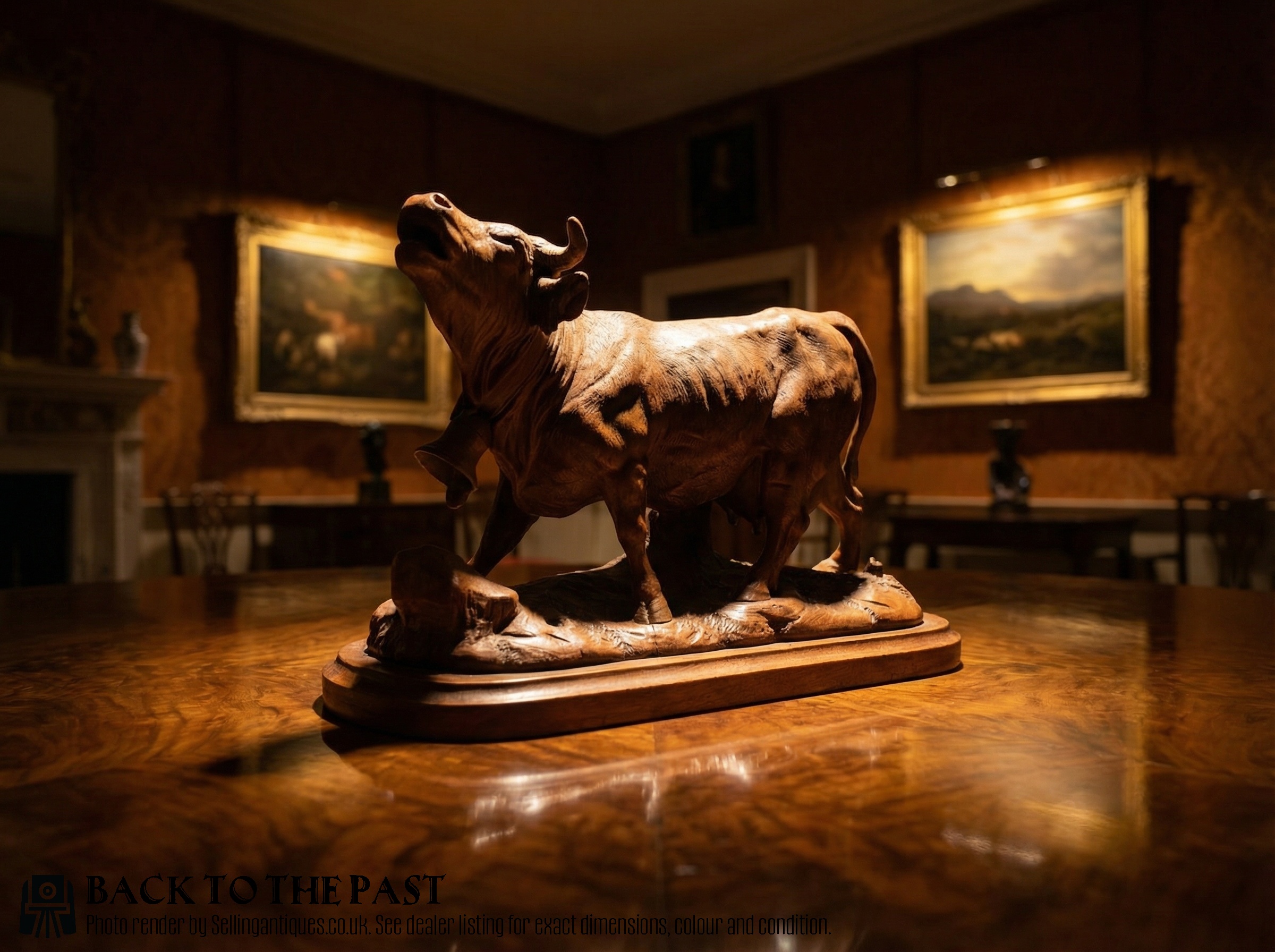
Antique Black Forest Sculpture
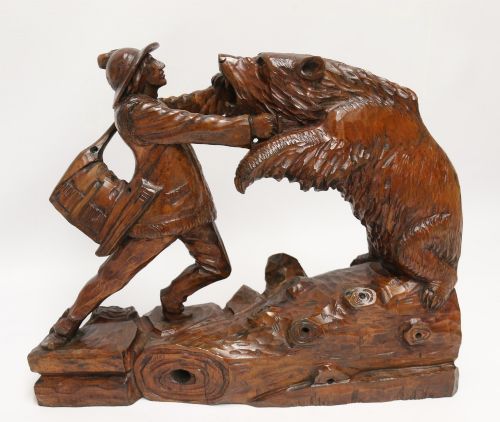
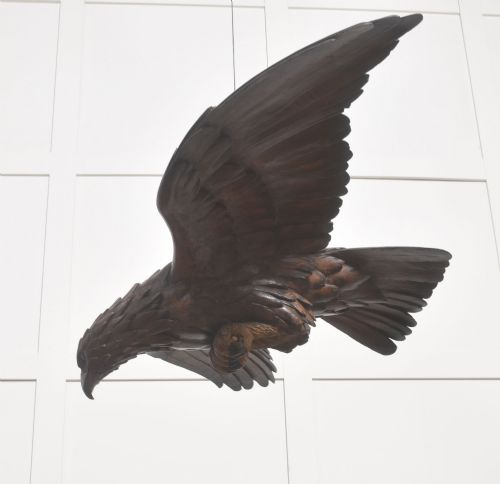
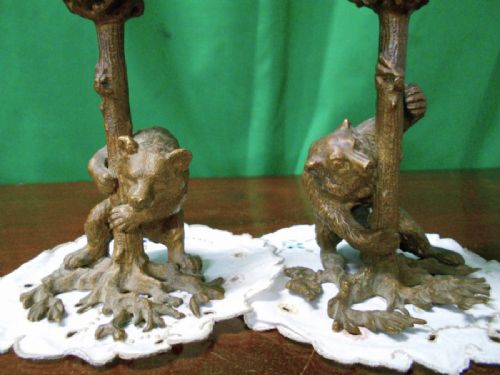
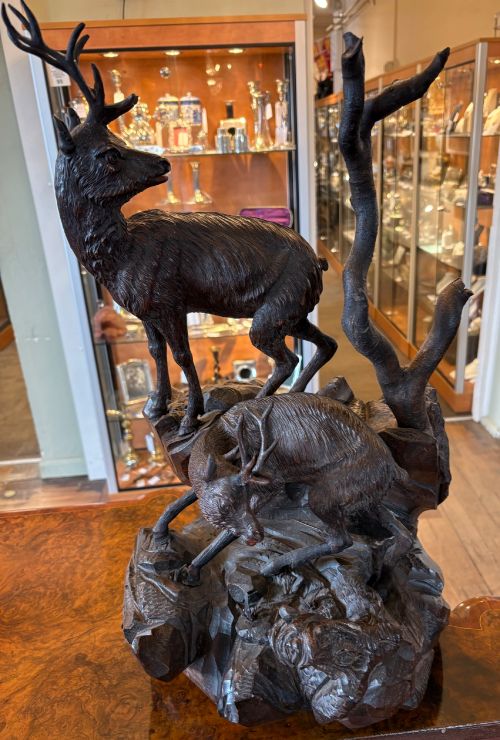
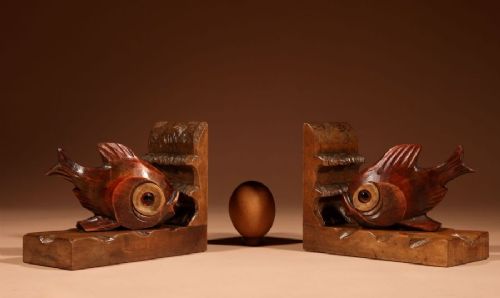
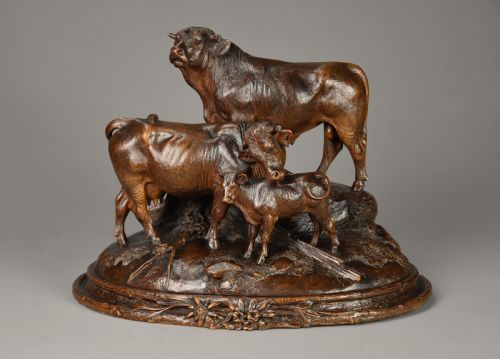
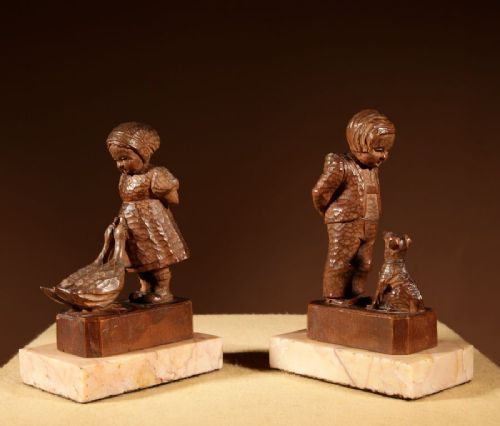
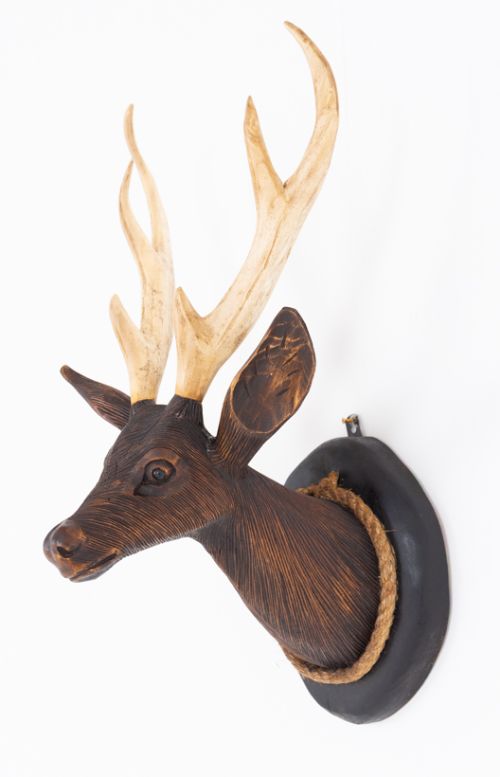
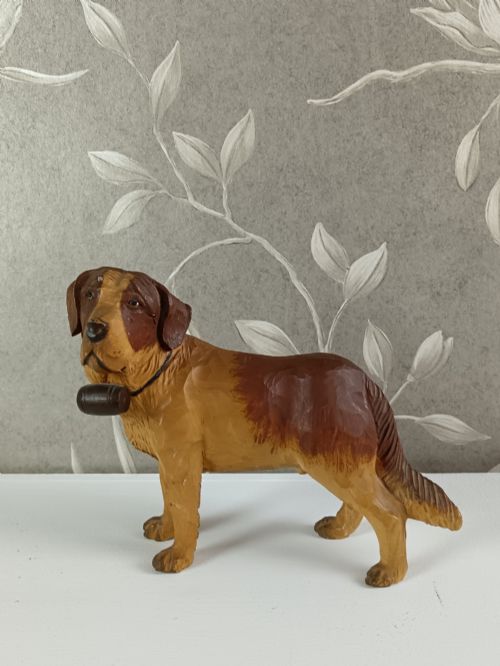
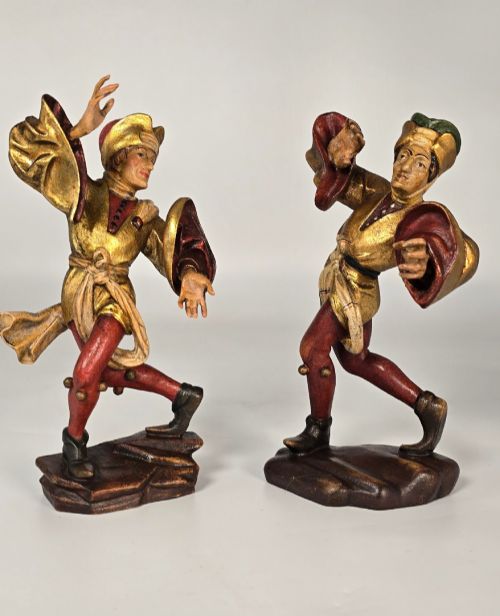
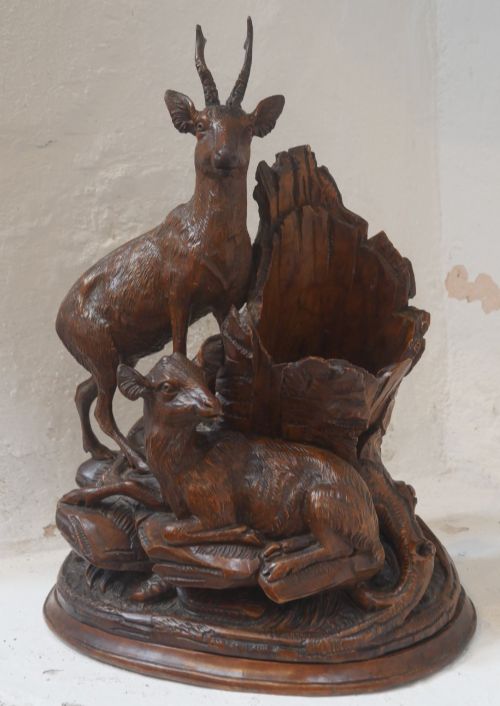
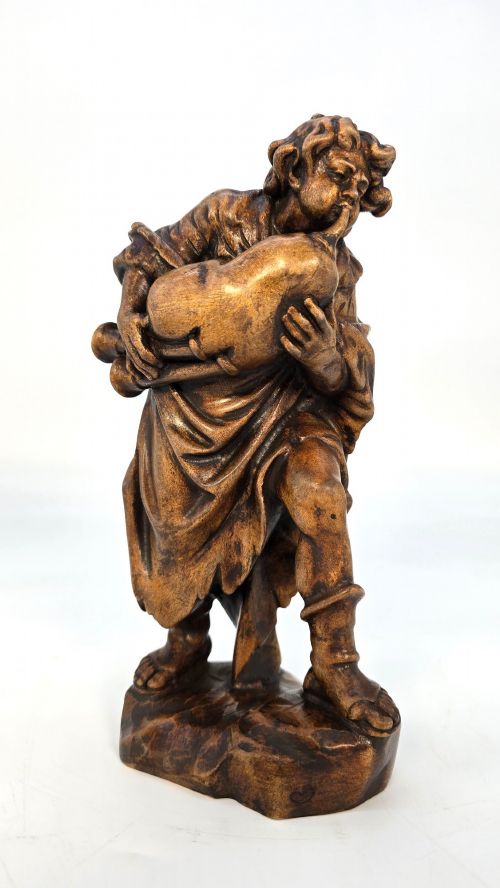
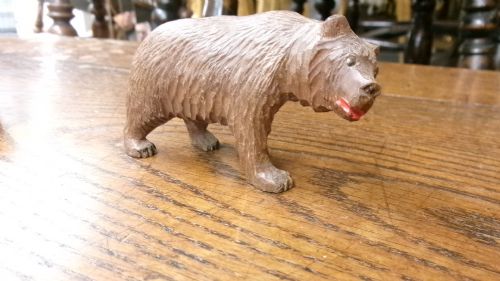
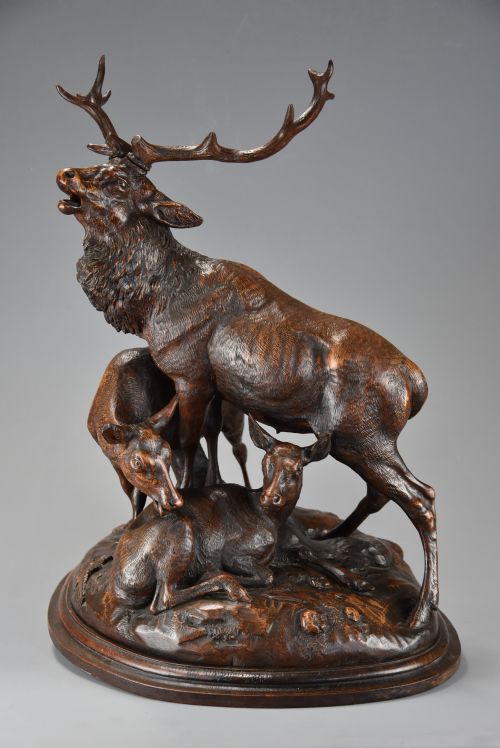
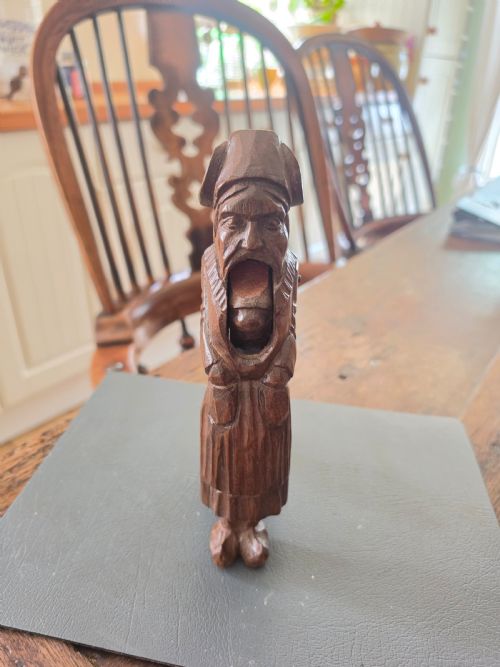
When you search for an antique black forest sculpture, you encounter carved wooden representations of animals, human figures, and functional furnishings originating primarily from the nineteenth and early twentieth centuries. Bears, deer, dogs, and birds dominate the subject matter, often rendered with great naturalism or in whimsical domestic roles.
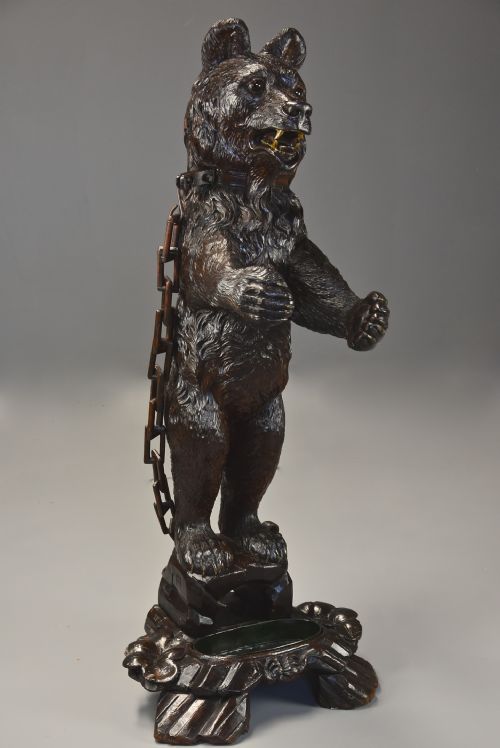
The objects span varied forms ranging from standalone animal studies and figural bookends to utilitarian pieces like inkwells, tobacco boxes, hall stands, and large furniture elements. Many pieces reflect alpine and Victorian folk art traditions, capturing regional narratives and character studies.
The majority of pieces encountered on this page date from the Victorian era through the early decades of the twentieth century, utilising native European timbers. These works were produced in workshops across Switzerland and the wider Black Forest region to satisfy a growing Victorian appetite for alpine souvenirs.
How They Were Made
Craftsmen employed specialised gouges and chisels to model fur, feathers, and anatomical contours by hand. Many surfaces received a warm, polished finish that highlighted the natural grain and colour of the timber without obscuring the tool marks left by the maker.
The object forms range from small desk inkwells and bookends to large hall stands and architectural furniture.
What Varies in Quality
Anatomy and proportion separate standard decorative items from masterworks. Superior carvings capture skeletal tension, muscle tone, and convincing lifelike expressions in the animals, whereas lesser examples appear stiff and generalized.
Depth of carving and relief distinguish finer sculptures from routine production. The handling of fur and foliage through layered undercutting creates a sense of three-dimensional depth that basic surface incision fails to achieve.
J Huggler
The Antique Black Forest Sculpture Glossary
- Linden wood
- A pale, close-grained timber frequently utilised by carvers for its softness and lack of prominent grain. This material allowed artisans to execute deep undercutting and minute facial details without splintering.
- Humidor
- A specialised box designed to keep tobacco moist. In this genre, they frequently take the form of carved bears or hounds with hinged lids.
- Chamois
- A goat-antelope native to European mountains. It appears regularly as a subject in alpine woodcarvings alongside ibex and stags.
- Hall stand
- A large furniture piece combining umbrella storage, coat hooks, and occasionally a mirror or seat. In this tradition, they are often anchored by a life-sized carved bear.
- Folk art
- Objects created within a traditional cultural framework by self-taught or regionally trained artisans. These pieces prioritise expressive storytelling over academic academic proportions.
Antique Black Forest Sculpture: Frequently Asked Questions
What animals appear most frequently?
Bears, stags, dogs, and foxes dominate the subject matter of these carvings. Artisans also represented mountain goats, ibex, cattle, and various birds.
These creatures reflected both the local wildlife of the alpine regions and the sporting interests of the Victorian collectors who purchased them.
How were these sculptures used?
Many pieces served practical functions in nineteenth-century interiors. Artisans integrated sculptures into inkwells, tobacco boxes, bookends, and umbrella stands.
Other works functioned purely as decorative figures, wall plaques, or centrepieces designed to display naturalistic skill in a study or hallway.
How do I care for wooden carvings?
Keep wooden sculptures away from direct heat sources and sudden temperature shifts to prevent the timber from splitting. Dust the carved surfaces gently with a soft, dry brush.
A light application of appropriate wax polish helps nourish the historic timber when it appears dry.
Are pieces usually signed?
The vast majority of carvings remain unsigned by the workshops or individual carvers who produced them. When signatures or stamps do appear, they are typically found on the base or interior.
Attribution often relies on carving style, choice of timber, and regional motifs rather than maker marks.