

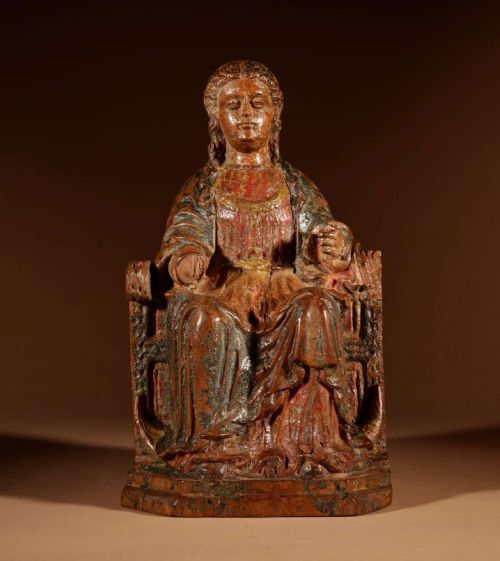


Hand Carved Walnut Figure
A hand carved walnut figure brings immediate warmth and historical character to a room, ranging from sixteenth-century devotional subjects to nineteenth-century Black Forest animals.
Hand Carved Walnut Figure
A hand carved walnut figure encompasses a diverse group of sculptural objects, spanning domestic items like nutcrackers and bookends to distinct decorative sculptures. When searching for a hand carved walnut figure, you encounter pieces that reflect centuries of woodworking traditions across various European origins.
The selections available on this page are heavily represented by nineteenth-century Black Forest items, alongside earlier Renaissance examples. You will frequently find subjects depicting animals such as bears and owls, alongside human figures including monks, figures from literature like William Tell, and religious subjects on thrones.
Beyond standalone sculptures, these walnut works often serve practical functions in domestic spaces. Pieces double as inkstands, bookends, and nutcrackers, merging utility with detailed sculptural artistry.
Materials and construction methods
Walnut serves as the primary medium for these sculptures, chosen for its rich grain and suitability for holding fine detail. Craftsmen also utilised alternative woods like lindenwood alongside the dominant walnut substrate.
Makers applied traditional hand-carving techniques to shape the timber, sometimes enhancing the finished sculpture with polychrome finishes or gesso details. Glass elements occasionally appear in specific forms like inkstands to complete the composition.
Hand Carved Walnut Figure Retail Price Guide 2026
Typical asking prices for hand carved walnut figure among the pieces listed under this phrase on Sellingantiques today, from the lower quarter to the upper quarter. They describe what is for sale here now, not the wider market.
An assortment of wooden owls, bears, and hawks keeps a watchful, silent guard over your desk.
Assessing quality in carved walnut
Quality in these sculptures rests upon the depth of the carving and the dexterity displayed in rendering anatomical or architectural details. Master carvers achieve lifelike textures in animal fur or human drapery that elevate the piece far above standard production work.
The ambition of the composition dictates the upper tier of the range, where complex groupings or architectural elements like thrones demonstrate superior sculptural confidence. Lesser examples rely on repetitive motifs with less attention to proportion and finish.
Luigi Frullini
The Hand Carved Walnut Figure Glossary
- Black Forest
- A regional style of wood carving originating from central Europe, particularly known for depictions of bears and forest wildlife. These pieces date predominantly to the nineteenth and early twentieth centuries.
- Gesso
- A plaster-based mixture applied to wood surfaces to prepare them for painting or gilding. It provides a smooth ground for decorative details.
- Lindenwood
- A pale timber alternative to walnut frequently used by European carvers for intricate domestic objects due to its fine grain and ease of cutting.
Hand Carved Walnut Figure: Frequently Asked Questions
What periods do these figures come from?
The pieces span several centuries, with examples recorded from the sixteenth century through to the early twentieth century. Nineteenth-century production is particularly prominent among the available selections.
Earlier works often reflect Renaissance traditions, while later items frequently display the characteristic styles of the Black Forest region.
How were these carved figures used originally?
Many objects combined decorative appeal with everyday utility in the home. Items functioned as functional nutcrackers, heavy bookends, or desktop inkstands.
Other sculptures served purely aesthetic or devotional purposes, standing as independent works of art or seated on thrones.
What subjects are typically depicted?
Animal subjects are widespread, featuring bears, owls, hawks, eagles, and mythical creatures like winged griffins. Human figures include monks, religious icons such as the Madonna, and literary figures like William Tell.
These subjects reflect the cultural interests and storytelling traditions of the carvers' respective eras.
How do I distinguish Black Forest carvings?
Black Forest carvings are typically rendered in walnut or lindenwood and often feature naturalistic themes. Wildlife such as bears and birds dominate this distinct regional style.
They frequently take the form of functional objects like inkstands and nutcrackers, produced heavily throughout the nineteenth century.