

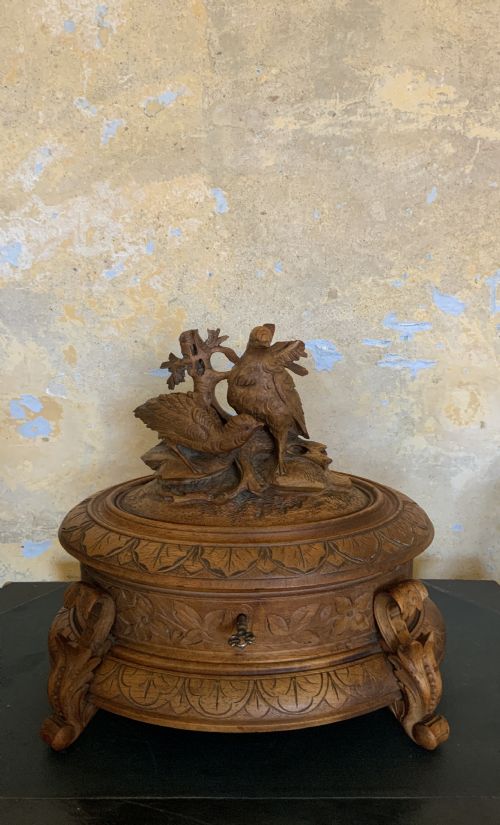

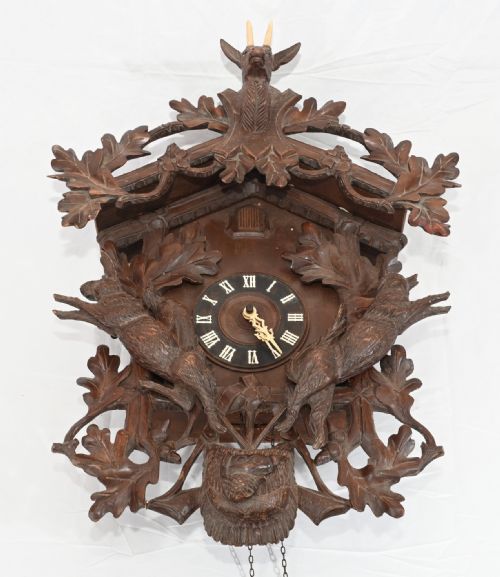


Black Forest Walnut Carving
These pieces of black forest walnut carving bring centuries of alpine workshop skill straight into the home.
Black Forest Walnut Carving
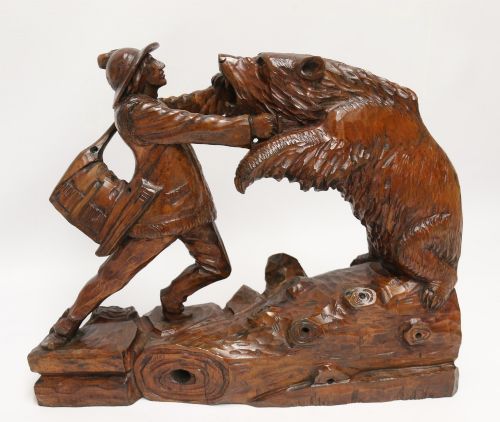
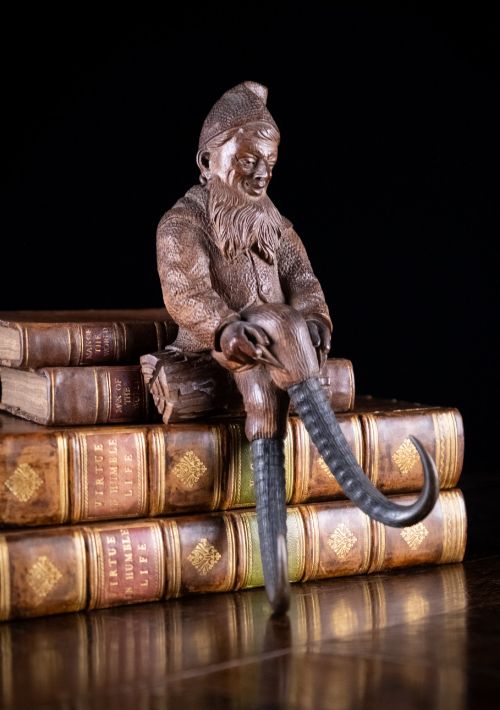
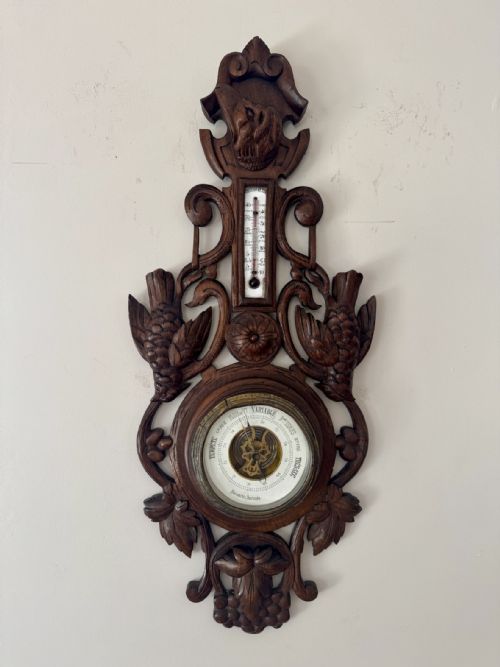
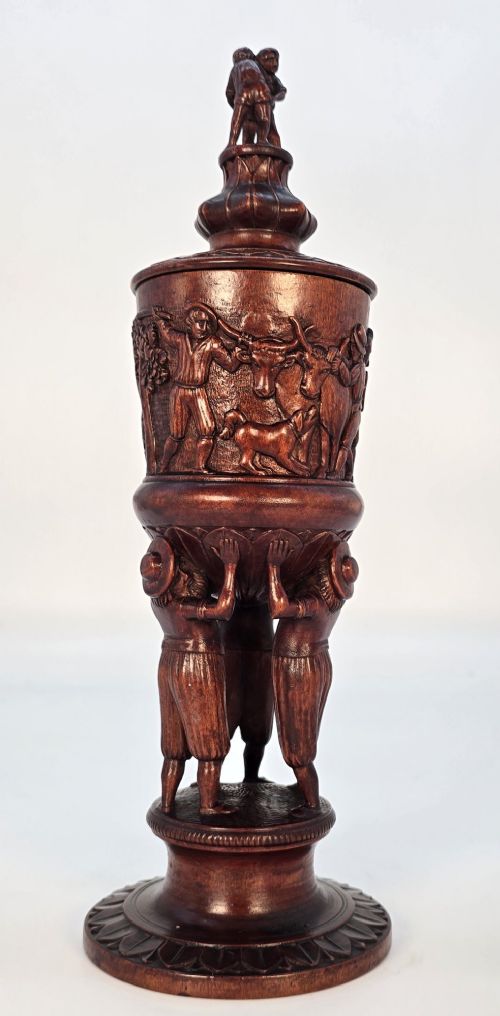
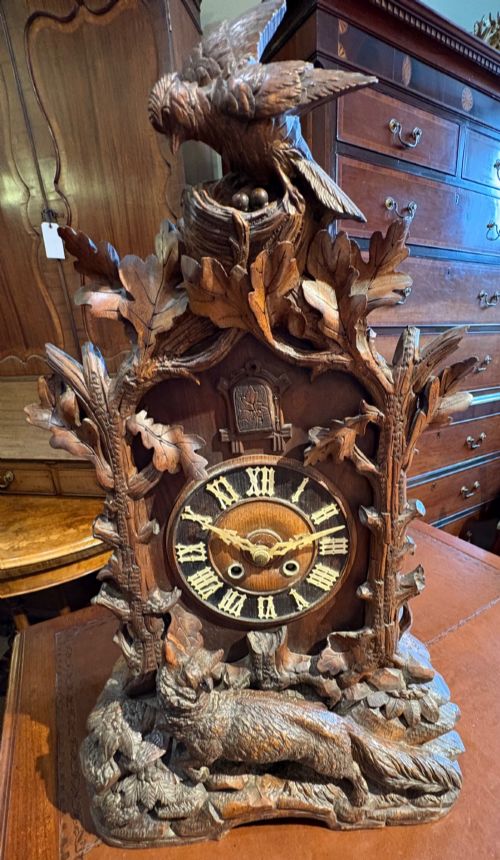
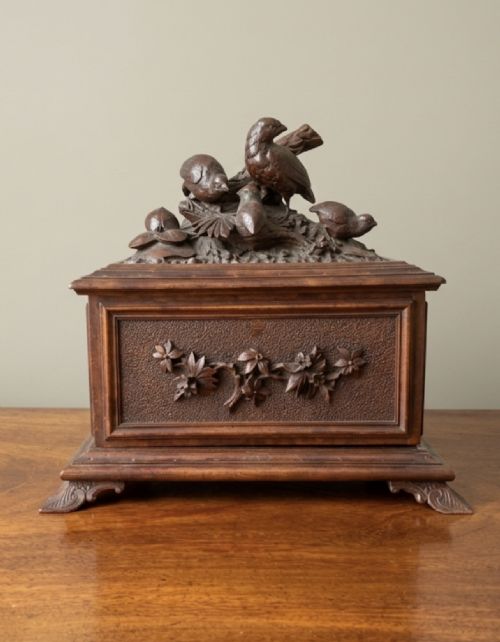
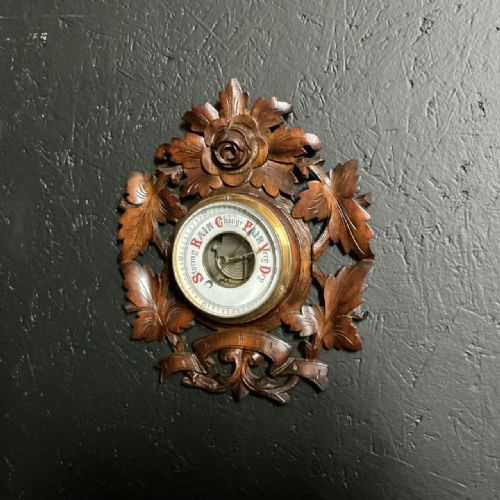
When searching for black forest walnut carving, collectors encounter sculptural forms and functional items originating predominantly from the nineteenth century, including the Victorian and Edwardian eras. The selections on this page heavily feature animal figures, particularly bears, alongside domestic objects such as barometers, clocks, tables, boxes, and nutcrackers.
The objects stem from Swiss and German regional traditions, notably Swiss Brienz carving and the broader Black Forest style. Domestic furnishings like occasional tables, hall stands, and wall mirrors frequently incorporate naturalistic motifs of wildlife and foliage.
Smaller decorative items such as inkstands, humidors, and figure groups also appear regularly. These pieces reflect regional craftsmanship spanning Swiss Alpine folk art and French Rococo influences.
Materials and Technique
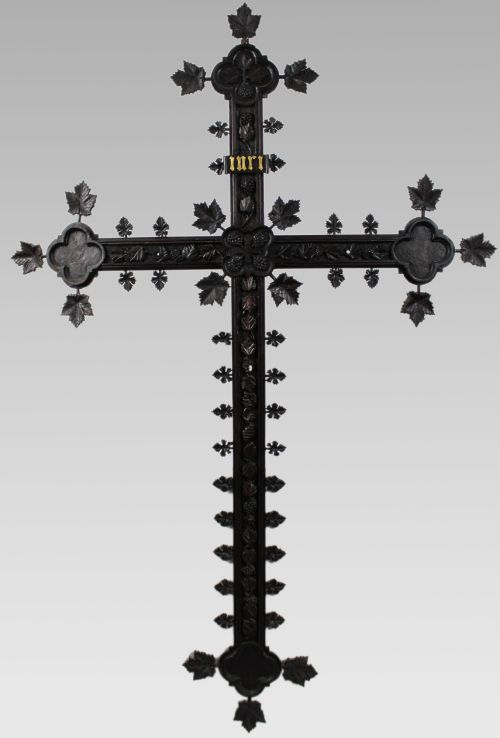
Carvers utilised walnut, linden wood, and general carved wood to shape these pieces, often combining deep relief carving with free-standing animal figures. Marquetry inlay appears on select furniture pieces, integrating contrasting woods to enhance surface decoration.
Fitted elements such as glass dials on aneroid barometers, brass fittings, and ceramic details complement the carved wooden structures. Mechanical components inside cuckoo clocks and wall clocks require specialised joinery to house movements alongside elaborate wooden cases.
Listings feature items dated from the mid-nineteenth century through the Edwardian era, constructed primarily in walnut and linden wood.
Judging Quality
Depth of relief, naturalism in animal anatomy, and precision in fur or feather detailing separate standard decorative items from exhibition pieces. Master carvers achieved distinct facial expressions and lifelike proportions in figures such as bears, dogs, and lions.
The integration of functional elements, like operable clock mechanisms or smooth door hinges on caskets and humidors, influences overall merit. Clean joinery and crisp marquetry work on tables and chairs further distinguish finer examples from mass-produced tourist souvenirs.
Johann Baptist Beha
The Black Forest Walnut Carving Glossary
- Aneroid Barometer
- A device measuring atmospheric pressure without liquid mercury, frequently housed in heavily carved wooden frames. These instruments often incorporate thermometer dials and floral or animal motifs.
- Swiss Brienz
- A specific regional style of wood carving originating from the village of Brienz in Switzerland. Artisans there specialised in highly detailed animal sculptures and domestic furnishings.
- Humidor
- A specialised box or cased container designed to store cigars at a controlled humidity. In this category, such boxes often feature carved wildlife scenes on the lid.
- Marquetry
- The art of applying small pieces of veneer to a structure to form decorative patterns. This technique frequently appears on the tabletops and chair seats in this category.
- Grand Tour Souvenir
- An item purchased by travellers visiting European cultural centres during the nineteenth century. Many carved animal figures and plaques served this commemorative purpose.
Black Forest Walnut Carving: Frequently Asked Questions
How do I identify a genuine piece?
Examine the depth of the carving and the natural movement in the wood grain. Genuine nineteenth-century examples display hand-tool marks and dense walnut or linden construction rather than modern resin casts.
Look closely at the subjects, such as bears or hounds, which should show anatomical precision and expressive detailing unique to Swiss and German regional workshops.
Were these items meant for daily use?
Many objects served practical functions alongside their decorative appeal. Items like barometers, humidors, nutcrackers, and occasional tables were built to be utilised in Victorian and Edwardian homes.
Clocks kept time in hallways, and boxes stored jewellery or documents. Their durable walnut construction ensured they survived generations of domestic service.
How should I care for the wood?
Keep carved wooden pieces away from direct sunlight and extreme temperature fluctuations to prevent the walnut from drying out or splitting. Dust the deep recesses gently with a soft, dry brush.
Avoid applying modern chemical polishes that can build up within the intricate carved details of bears and foliage.
Why are bears so common?
Bears served as a heraldic symbol for the city of Bern and became the definitive mascot of Swiss alpine carving. Workshops in Brienz and the Black Forest produced countless variations of bears climbing trees, holding card trays, or sitting as chairs.
Victorian buyers developed a strong appetite for these charming, lifelike animal sculptures.