



Walnut Wood Sculpture
A walnut wood sculpture brings the rich grain and deep warmth of carved timber into a room, spanning centuries of continental craftsmanship from devotional figures to Black Forest animal studies.
Walnut Wood Sculpture
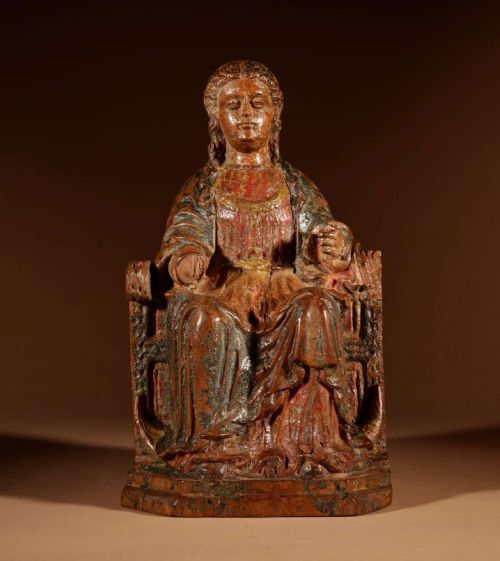
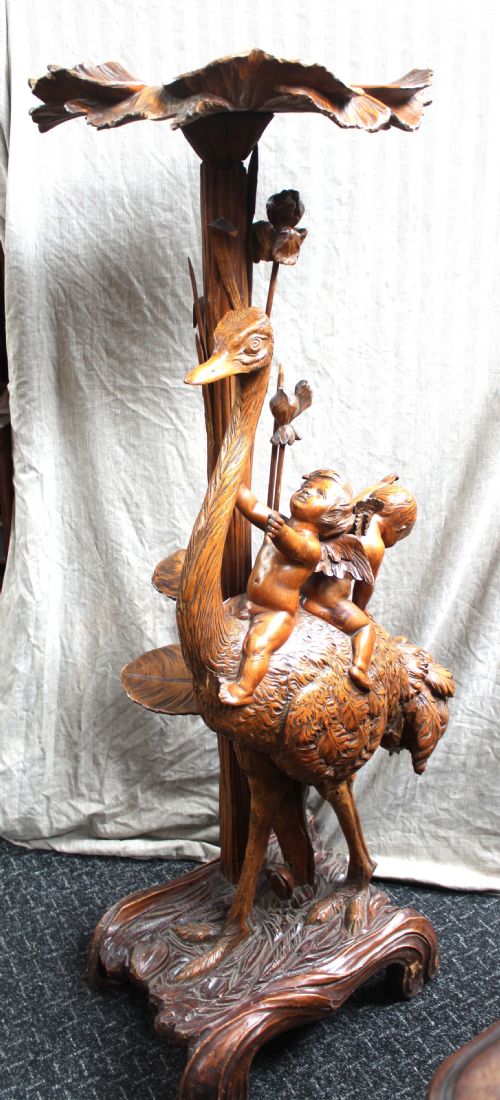
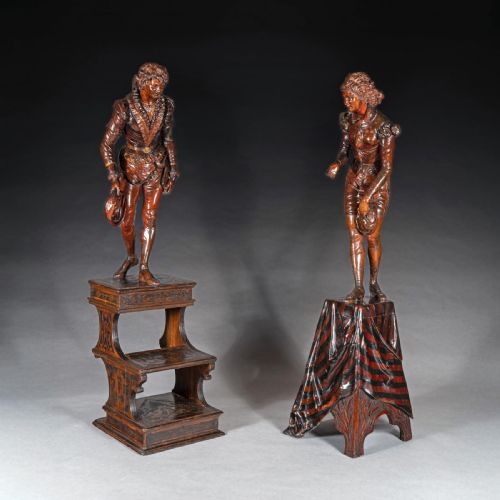
A walnut wood sculpture encompasses everything from devotional figures and saints dating back to the sixteenth and seventeenth centuries to nineteenth-century animal carvings. Buyers seeking a walnut wood sculpture frequently encounter ecclesiastical pieces like enthroned Madonnas or secular Black Forest studies of bears, dogs, and birds.
The selection ranges from architectural salvage and wall masks to functional items such as inkstands, tobacco boxes, and torchiere bases. Italian Renaissance and Baroque traditions sit alongside nineteenth-century European wood carvings, offering substantial variety in scale and subject matter.
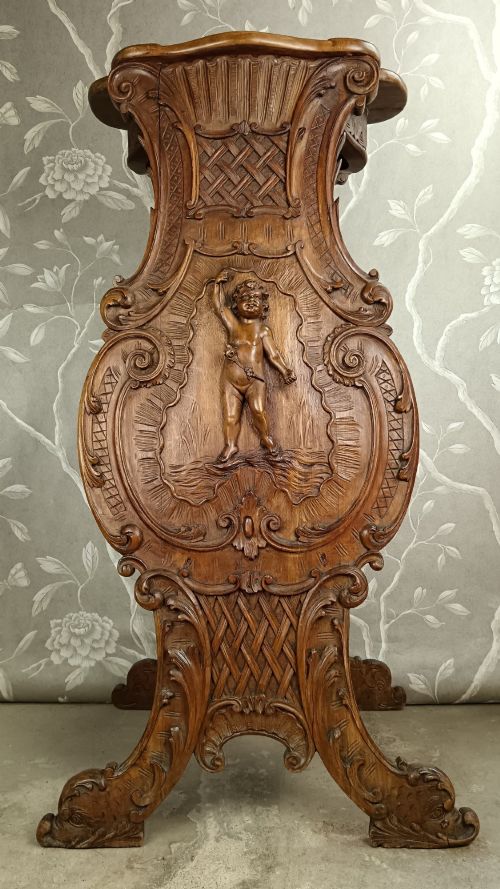
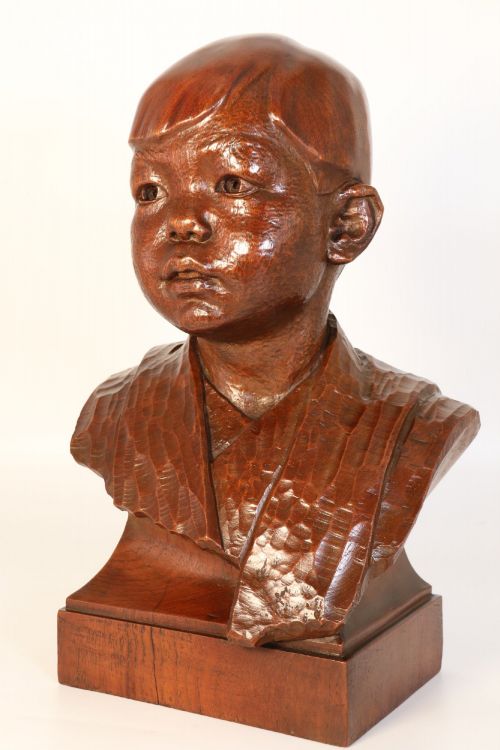
Continental workshops produced numerous figures, panels, and portrait busts utilising the dense properties of walnut and burr walnut. These objects function as standalone decorative sculptures or architectural pedestals within a period interior.
Materials and Carving Techniques
Surface treatments varied from waxed or polished natural timber to ebonised wood finishes that imitated heavier exotic hardwoods. Certain pieces incorporated glass eyes in animal subjects or integrated iron and brass fittings for functional items like inkwells and tobacco boxes.
The inventory spans multiple centuries, featuring seventeenth-century ecclesiastical figures alongside nineteenth-century Black Forest animal studies and architectural pedestals.
Evaluating Walnut Carvings
Quality rests upon the anatomical precision of the carving, the liveliness of the subject, and the depth of the relief work. Master carvers achieved subtle transitions in muscle and expression that lesser workshops missed.
The choice of timber significantly affects the piece, with well-figured burr walnut or dense, old-growth walnut providing superior grain movement. Crispness in the retained tool marks and the preservation of original surface patination distinguish superior examples from later copies.
George Henry Paulin RBS·Gillow and Co·Valentino Besarel·Luigi Frullini
The Walnut Wood Sculpture Glossary
- Black Forest
- A style of wood carving originating from the Brienz region of Switzerland and the Black Forest area of Germany. It is characterised by realistic depictions of wildlife, particularly bears, rendered in walnut and lindenwood.
- Torchiere
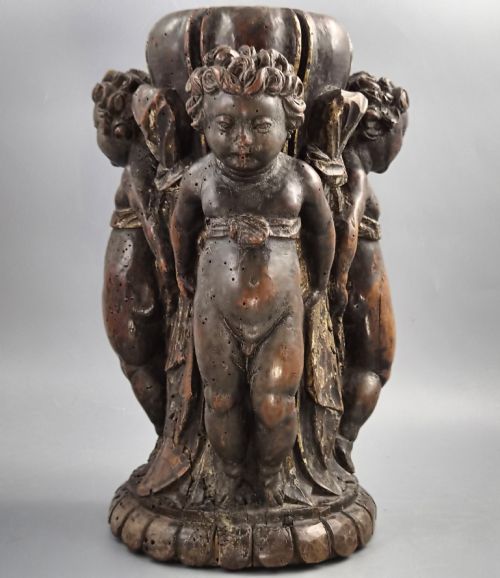
- A tall ornamental stand or candlestick base, frequently carved in the Italian Baroque taste with putti or caryatids. These architectural supports elevated lighting or decorative objects in grand interiors.
- Burr Walnut
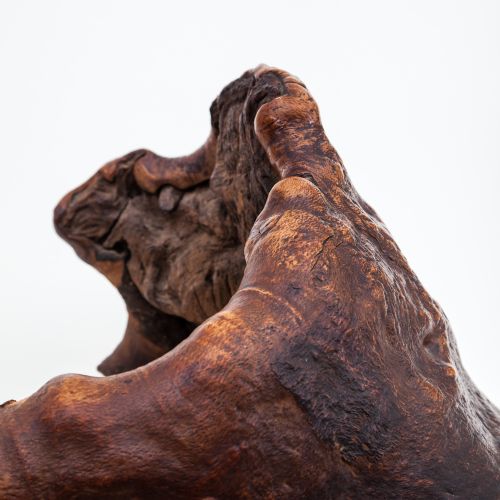
- A specialised veneer or solid timber cut from a tree growth where the grain has grown in a deformed, swirling pattern. This produces highly decorative figuration prized in luxury cabinetmaking and sculpture bases.
- Putto
- A figure of a small human baby, frequently winged, depicted in classical and baroque art. Sculptors often integrated these figures into architectural pedestals and religious groupings.
- Ebonised Wood
- Timber treated with chemical stains or dark finishes to imitate ebony. This technique provided sharp contrast and a formal appearance in nineteenth-century decorative objects.
Walnut Wood Sculpture: Frequently Asked Questions
How do I care for antique walnut sculptures?
Keep wooden sculptures away from direct heat sources and dramatic humidity fluctuations to prevent the timber from splitting. Dust gently with a dry, soft cloth and apply a microcrystalline wax sparingly only when the surface appears dry.
Avoid liquid furniture polishes and silicone sprays, which can build up and darken the natural grain over time. Proper environmental stability preserves the original patination and protects the carved details.
What distinguishes Black Forest carvings?
Black Forest carvings are defined by their naturalistic portrayals of animals, particularly bears engaged in human activities such as reading or smoking. These pieces originated primarily in Switzerland and Germany during the nineteenth century, utilising local walnut and lindenwood.
The work emphasises deep texturing of fur and expressive postures, often incorporating practical elements like inkwells, clocks, or hall stands into the sculptural design.
How can I date an old wood sculpture?
Dating relies on stylistic clues, tool marks left by the carver, and the natural ageing of the walnut timber. Earlier pieces from the sixteenth and seventeenth centuries typically display religious iconography, heavier proportions, and hand- wrought joins.
Nineteenth-century examples often exhibit machine assistance alongside hand finishing, with distinct styles ranging from Gothic Revival to exuberant Baroque and realistic animalier sculpture.